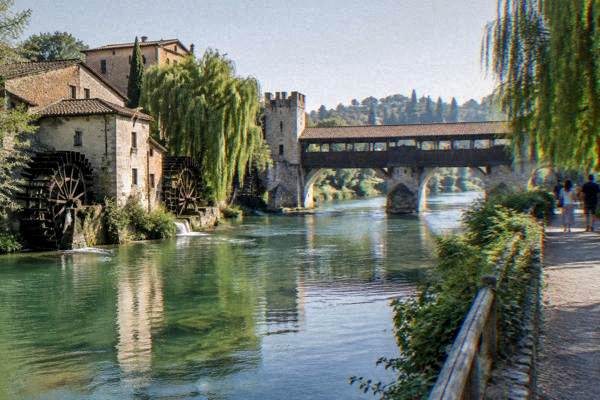
Padua From Verona: Scrovegni Chapel And Saint Anthony
Padua sits about 67 minutes and 93 km by road from Verona's Arena, close enough for a comfortable day trip by car or train from Porta Nuova, and the city's two headline sights, the Scrovegni Chapel and the Basilica of Saint Anthony, sit at opposite ends of a walkable historic centre.
Short answer
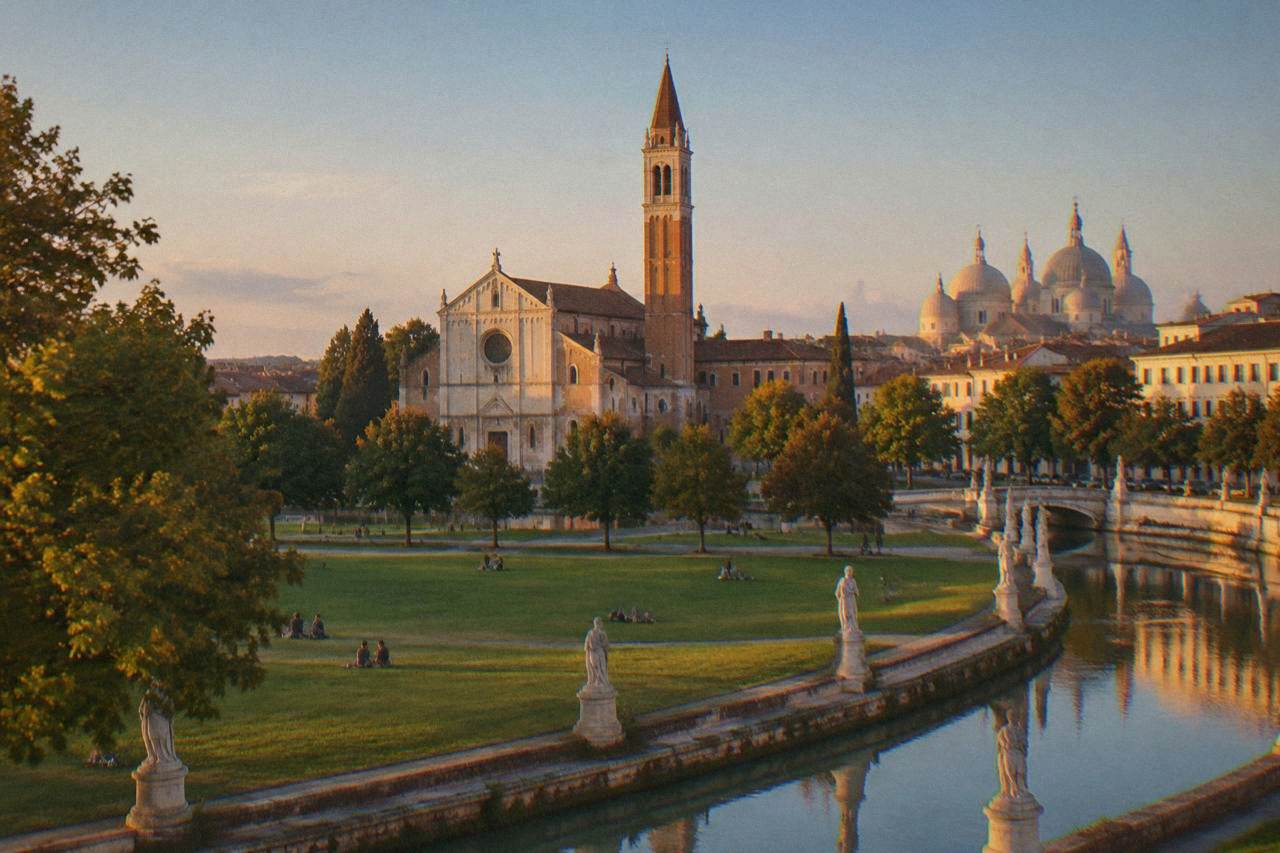
Padua is about 67 minutes and 93 km by road from the Arena in Verona, and trains also run there from Porta Nuova station. The Scrovegni Chapel requires advance booking, and hours and prices for individual sights should be confirmed before travel.
Padua sits about 67 minutes and 93 km by road from the Arena in Verona, in the same Veneto region, and it makes one of the most practical day trips on the Verona map alongside Vicenza and Mantua. The city pairs Giotto's fresco cycle in the Scrovegni Chapel with the Basilica of Saint Anthony, one of the largest pilgrimage churches in northern Italy, and it does all of this at a scale that suits a single day. What follows is what the sources say about getting there, what each sight offers, and where a booking or a local confirmation is needed before travel.
This page is written by the Verona Italy Travel Guide editorial desk, and it reports what primary sources and computed routing say rather than any personal visit. Where a figure, a price or an opening hour has not been confirmed in the sources, the page says so and tells you where to check instead of guessing.
Where Is Padua Relative To Verona?
Padua lies about 67 minutes and 93 km by road from the Arena in Verona, heading southeast across the flat Veneto plain, and the two cities are also linked by rail from Verona Porta Nuova station. The drive figure is computed over OpenStreetMap routing in free-flow conditions, so it is a distance guide rather than a timetable, and traffic around Padua's centre can lengthen the real journey. Padua is in the Veneto region, the same region as Verona, and it is not on the coast or on Lake Garda.
That placement matters for planning. Verona itself is an inland city on the Adige river, and Padua continues the same lowland character: a compact walled centre, arcaded streets, canals of the Bacchiglione, and no lake shore. Readers looking for water and mountains should look instead at Lake Garda, whose towns such as Sirmione and Malcesine lie west, while Padua belongs to the string of art cities southeast of Verona that includes Venice.
For comparison, here is where Padua sits among the other Verona day trips, with road figures computed over the same routing method:
| Destination from the Arena | Road distance | Free-flow drive time |
|---|---|---|
| Valpolicella (Sant'Ambrogio) | 21 km | about 25 minutes |
| Soave | 33 km | about 33 minutes |
| Vicenza | 65 km | about 48 minutes |
| Mantua | 59 km | about 54 minutes |
| Padua | 93 km | about 67 minutes |
| Venice | 122 km | about 85 minutes |
Padua is therefore the second-farthest of the regular art-city day trips after Venice, but still comfortably inside day-trip range by either road or rail. The route from Verona passes Vicenza, which makes a two-stop combination possible for drivers, though both cities reward a full day each.
How Do You Get From Verona To Padua?
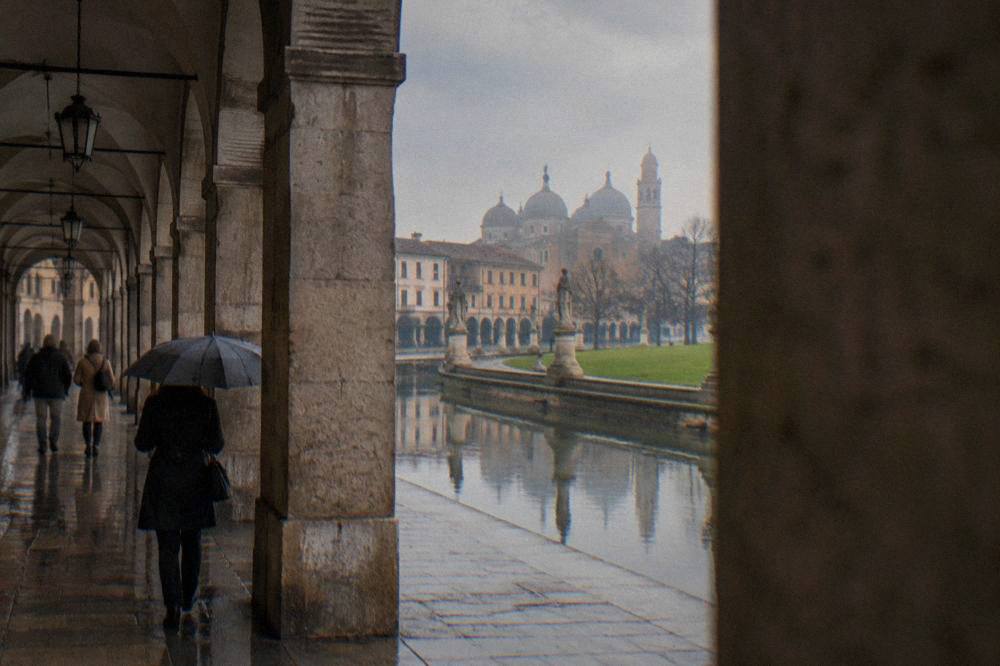
Trains run from Verona Porta Nuova toward Padua as part of the high-speed corridor that continues to Venice, and the drive is about 67 minutes over roughly 93 km of road, computed in free-flow conditions. For rail times and fares, check the operator's own site, because the sources here confirm the route, not a timetable. Drivers should park at the edge of the restricted historic core and walk in.
The rail option is the one the sources support most cleanly. Verona Porta Nuova is the city's main station, and Padua sits on the same line that carries trains onward to Venice Mestre, a leg reported at 58 to 75 minutes. Padua's station lies at the northwest edge of the historic centre, and the walk from the station platform to the Scrovegni Chapel area is short and flat. Confirm departure times and buy tickets through the train operator's own channels rather than relying on any third-party summary, and treat any fare quoted elsewhere as unconfirmed until you see it at booking.
By car, the A4 motorway connects the two cities directly, and the computed free-flow time of about 67 minutes holds outside peak periods. Padua, like Verona, restricts traffic in its historic core, so the practical pattern is the same one this site recommends for Verona's own ZTL: park outside the restricted zone and continue on foot. Specific car-park rates in Padua are not in this site's facts, so check the current prices locally on arrival.
A third option is a guided excursion. Some Verona-based wine and food operators pair a city component with regional travel, and the trio below collects tours for the Verona market, including the half-day Valpolicella tasting that pairs well with a Padua day on the following morning.
The Pagus Amarone half-day tour runs in the Valpolicella hills outside Verona, and it makes a natural counterweight to a Padua day: one day of Giotto and pilgrimage, one afternoon of Amarone. If the operator's live listing shows dates that fit, Check availability for the days around your Padua trip.
What Is The Scrovegni Chapel And How Do You Visit It?
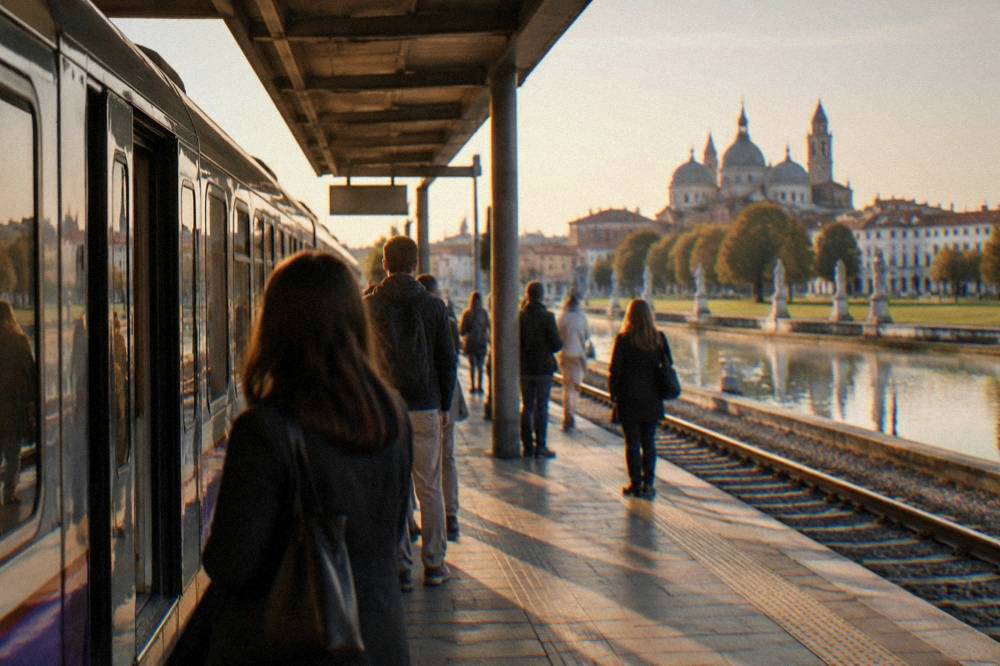
The Scrovegni Chapel is the painted chapel beside Padua's ancient arena, and its interior carries Giotto's fresco cycle, one of the foundational works of Western painting, so entry is strictly controlled and advance booking is required. The sources here confirm the booking requirement but do not carry a price or a current timetable for the chapel, so confirm both on the official booking channel before committing to a date.
The chapel's fame rests on the fresco cycle, which narrates the lives of Mary and Christ across the chapel's vaulted interior. Because the paintings are fragile, visits run in small timed groups, and walk-up entry is generally not how it works. That booking requirement is the single most important practical fact of a Padua trip, and it is the reason this page tells every reader to reserve before travelling from Verona rather than after arrival.
Chapel admission prices, opening hours and closure days are not carried here, so the advice is plain: check the official Scrovegni booking page for the current price and time slots, and book the earliest slot you can manage. The chapel sits inside a city park that covers the site of Padua's Roman arena, next to the civic museums, which makes the surrounding area an easy first stop off the train or the car park.
A pattern that works well for a two-day Verona plan is Padua on day one and the Valpolicella wine country on day two: the drive to the Valpolicella hills is only about 25 minutes from the Arena, so a late-morning departure still leaves a full afternoon of tasting.
What Else Should You See In Padua On A Day Trip?
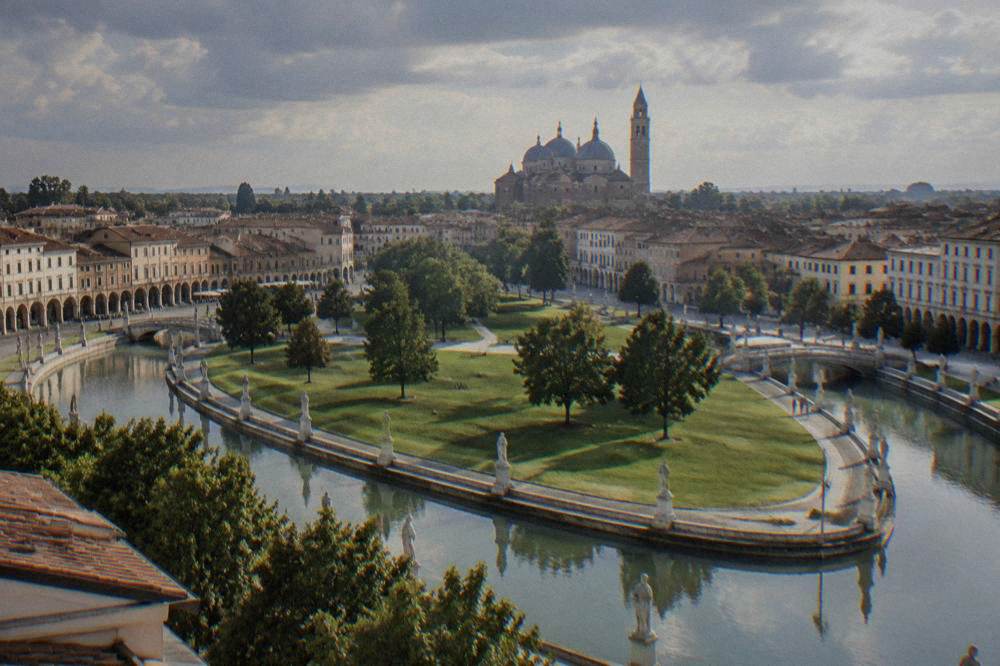
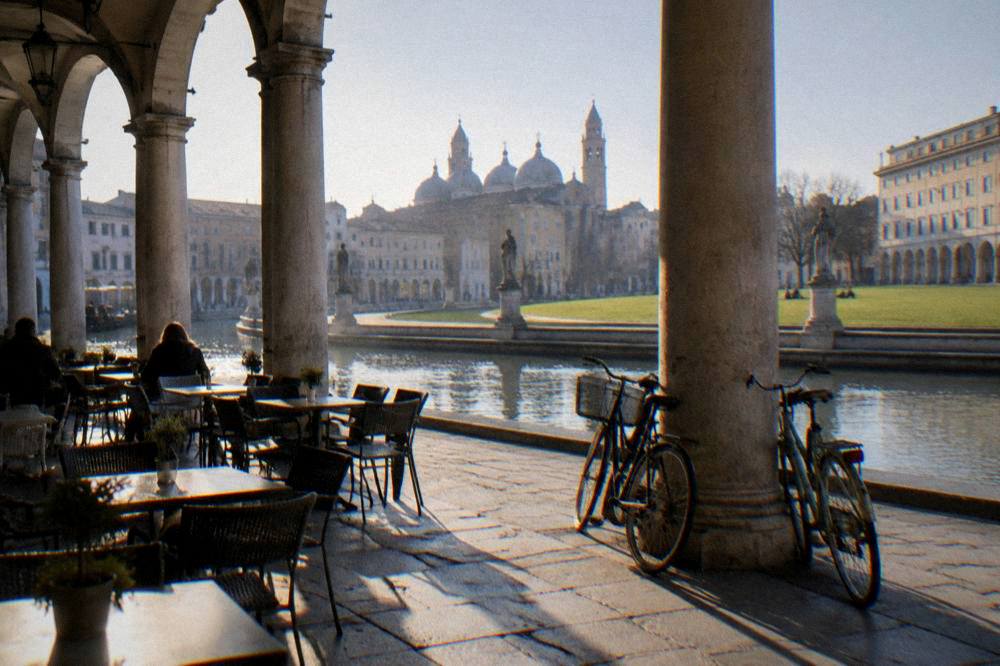
The Basilica of Saint Anthony, the Prato della Valle square, the Palazzo della Ragione and the University of Padua's historic buildings form the core of a one-day Padua visit, and all of them lie within walking distance of each other in the walled centre. The Basilica is a working pilgrimage church with free public access in the sources' general description, the university is among Europe's historic institutions, and specific admission prices and hours for each building are not in this site's facts, so confirm locally or on official pages.
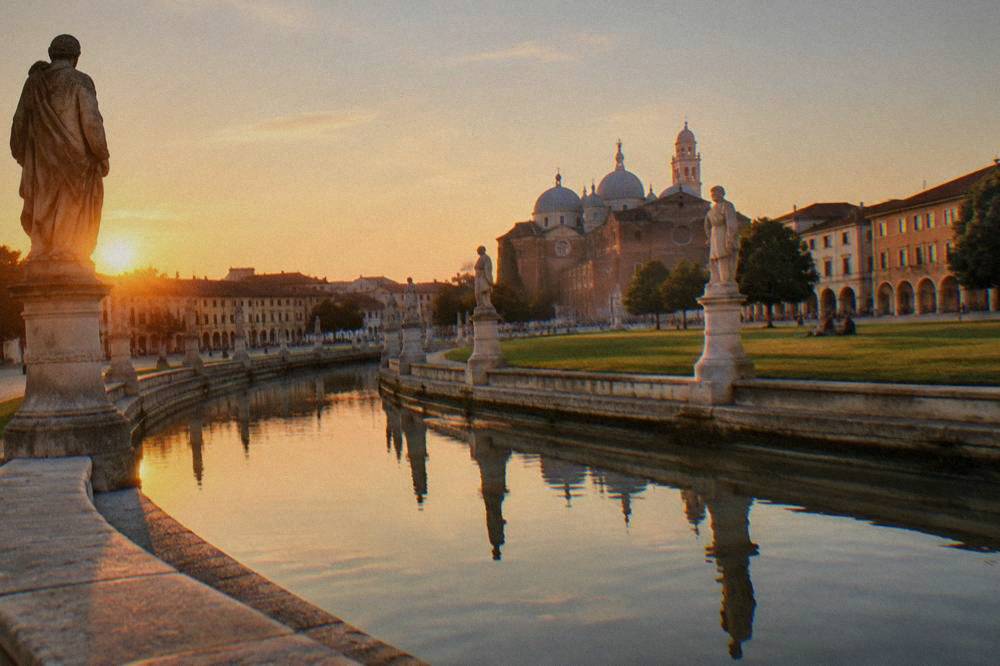
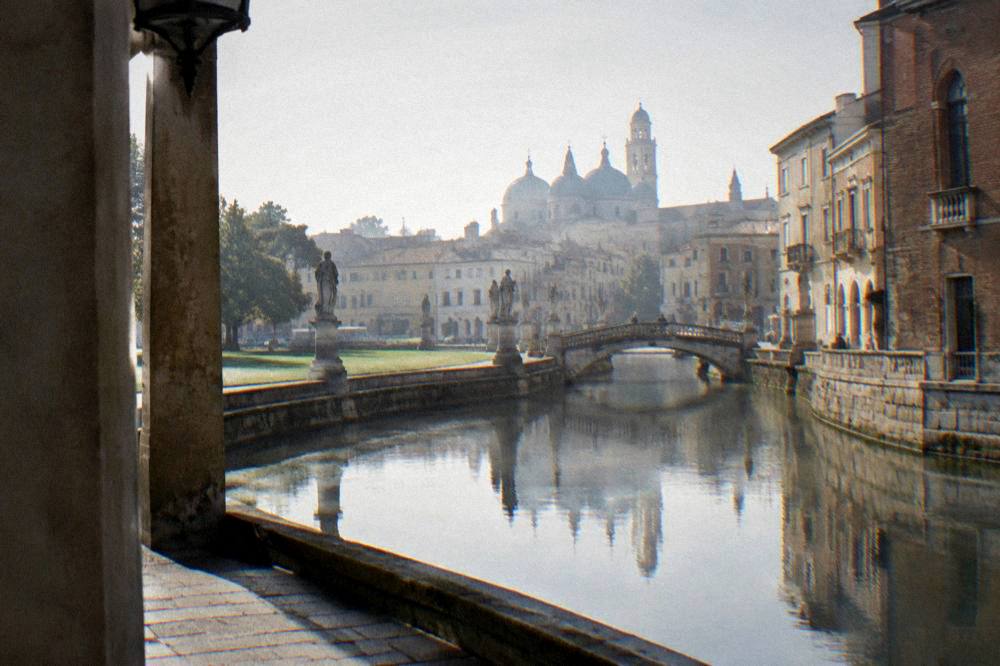
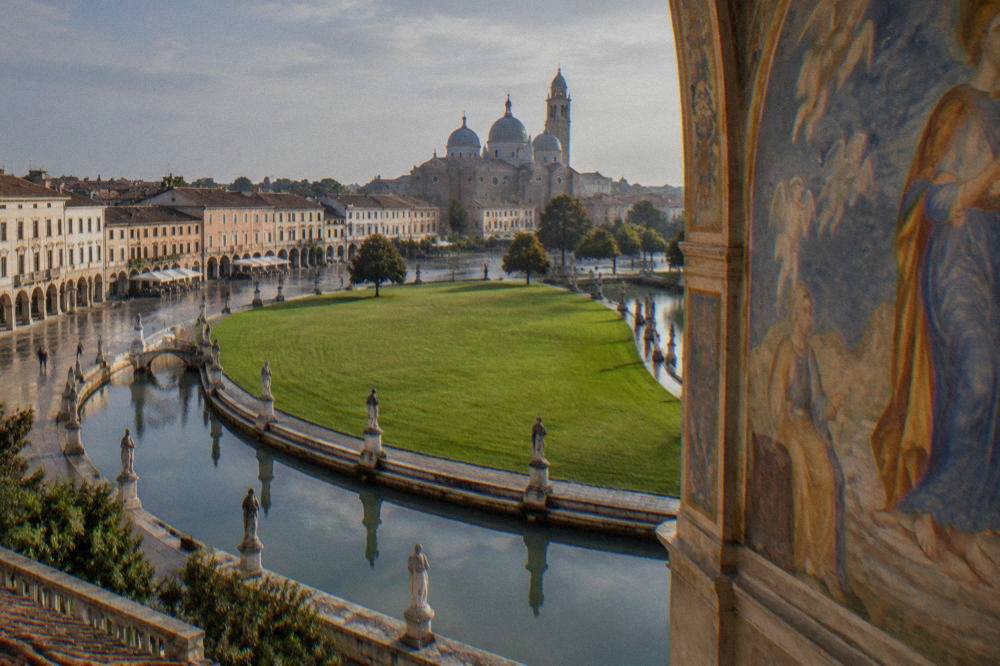
Saint Anthony's Basilica, known locally as il Santo, is the emotional centre of Padua and a pilgrimage destination of European standing. Its mix of Romanesque, Gothic and Byzantine domes gives the skyline its shape. The sources available to this desk describe it as open to visitors, but they carry no reliable hours, no admission figure beyond free general entry and no guided-tour details, so treat any schedule you read elsewhere with care and confirm on the Basilica's own channels.
The Palazzo della Ragione, the great medieval market hall with its single vast upper room, and the two squares that flank it, Piazza delle Erbe and Piazza della Frutta, keep the daily market life of the city in one place. The names rhyme with Verona's own Piazza delle Erbe, and the comparison is fair: both cities run their civic life through a market square, though Padua's hall is on a larger single scale. The Caffè Pedrocchi and the university's Bo Palace round out the centre, the latter tied to Galileo's years teaching in the city, though this site's facts do not carry opening details for either.
| Padua sight | What it is | Booking or confirmation needed |
|---|---|---|
| Scrovegni Chapel | Giotto's fresco cycle in a former private chapel | Yes, advance booking required, times and price on the official channel |
| Basilica of Saint Anthony | Major pilgrimage basilica, il Santo | Confirm visiting hours on the Basilica's own channels |
| Prato della Valle | Large oval square with statued canal | Open public space, no booking |
| Palazzo della Ragione | Medieval market hall with vast upper saloon | Confirm admission and hours locally |
| University historic buildings | Renaissance halls including the Bo Palace | Confirm tour availability locally |
A walking rhythm suggests itself: the Scrovegni Chapel and civic museums first, then the market squares and Palazzo della Ragione, then Prato della Valle and the Basilica at the southeast edge, finishing back through the university quarter toward the station. The whole loop is flat and compact, and nothing on it requires a car once the centre is reached.
Is Padua Or Verona The Better Day Out?
Neither city outranks the other in any sourced comparison, and this site prints no verdict of that kind: Verona offers the first-century Arena, the Romeo and Juliet legend and the UNESCO-inscribed historic centre, while Padua offers Giotto, a major pilgrimage basilica and one of Europe's historic universities. The two cities are separated by about 67 minutes of road, so the honest answer is that they complement rather than compete, and a reader with four or more days can take both.
The site's Padua or Verona comparison page works through the question in detail. The short version is that Verona is a destination in its own right, with the Arena open to daytime visits at 12 euro for a full ticket per the Comune di Verona's price list, and with the Valpolicella and Soave wine zones on its doorstep. Padua is a concentrated art-and-pilgrimage city that rewards a booked chapel slot and a slow afternoon.
That said, a Padua trip slots neatly into a wider Verona itinerary. The drive passes Vicenza, and Venice lies another stretch down the same corridor, so a visitor staying a week in Verona can build a sequence of art-city days with the lake and the wine hills in between. The Sirmione day trip and the Venetian option at Venice are the other long legs worth planning around.
Evening is where Verona holds its own advantage. The opera season at the Arena ran 5 June to 12 September in 2026, and the 2027 season is announced for 11 June to 11 September; for a night of music in a palace rather than the amphitheatre, the concert-with-prosecco option above sits indoors, close to the centre.
How Much Time Do You Need For Padua?
A full day is the comfortable frame for Padua, roughly from a morning train out of Verona Porta Nuova to an evening return, because the Scrovegni Chapel's timed entry, the Basilica and the market squares do not compress well into a half day. The sources support the distance and the booking constraint, not a precise timetable, so treat this as a planning frame: one booked chapel slot, two walking quarters, and margin for the journey of about 67 minutes each way by road.
Readers working with less time can still take a half day, but only by cutting the itinerary to the chapel and one adjacent quarter, and only if the chapel slot lands early. Readers with more time can add the civic museums beside the chapel or the botanical garden, though this site's facts carry no admission details for either, so confirm before promising them to a travel companion.
The seasons matter less in Padua than in Verona's outdoor sights, because the chapel, basilica and halls are all indoor. Still, the same climate logic that governs Verona applies to the whole Veneto plain: the ERA5 reanalysis for the region, 1991 to 2020, puts July mean highs at 29.3 C in Verona and January mean lows below zero, so summer walkers should pace the open squares for morning or late afternoon and winter visitors should plan for cold, damp days.
| Verona month | Mean high (C) | Mean low (C) | Rain (mm) |
|---|---|---|---|
| January | 7.3 | -0.4 | 52.3 |
| April | 17.8 | 7.6 | 93.5 |
| July | 29.3 | 19.1 | 79.4 |
| October | 18.1 | 10.5 | 107.2 |
The figures above are ERA5 reanalysis values for the Verona grid cell, 1991 to 2020, and the Veneto plain shares their character; they are modelled normals, not a station record. For planning a Padua leg, the practical reading is simple: spring and autumn carry the mildest walking weather, midsummer rewards early starts, and November is the wettest month on the table.
Can You Combine Padua With Another Destination In One Day?
Yes, within limits: the computed road network supports Padua with Vicenza, about 48 minutes from the Arena on the same corridor, as a two-stop day for drivers, and Padua with Venice is possible by car or rail given the reported 58-to-75-minute Venice leg from the Verona line, though Venice deserves its own day and its access-fee rules had not been confirmed for 2026. The pairing this site recommends against is Padua plus Lake Garda, which pulls in the opposite direction.
The geometry is the reason. Vicenza, Padua and Venice line up west to east along the A4 corridor, so a driver leaving Verona passes Vicenza first, reaches Padua about 67 minutes out, and could continue toward Venice at about 85 minutes total. A one-day Vicenza-and-Padua run is therefore realistic; a Padua-and-Venice run is tighter and leaves both cities under-served, and the pack reports the Venice train leg at 58 to 75 minutes from Verona without confirming any Venice access-fee dates or prices for 2026, so check the official Venice channels before planning that leg.
The Garda towns are the opposite pull. Sirmione lies about 40 minutes west of the Arena, Bardolino about 37, and Malcesine about 84, so a lake morning cannot share a day with a Padua afternoon without spending most of it on roads. If water is the priority, take Bardolino or Sirmione as its own day and keep Padua whole.
| Combination | Feasibility from Verona | Notes |
|---|---|---|
| Padua plus Vicenza | Works by car, about 48 minutes to Vicenza then onward | Both art cities, half a day each |
| Padua plus Venice | Possible but rushed | Venice leg reported at 58 to 75 minutes by rail from Verona |
| Padua plus Lake Garda | Not recommended | Opposite directions, lake towns lie west |
| Padua alone | The comfortable frame | One chapel slot, basilica, squares, museums |
For a week based in Verona, a sensible rhythm alternates city and country: Padua or Vicenza one day, Soave or Valpolicella the next, a lake day after that. The wine days need no timetable discipline, while Padua's chapel slot anchors the day it belongs to.
What Should You Confirm Before You Go To Padua?
Confirm four things before travelling: the Scrovegni Chapel booking, slot and price on the official channel; the Basilica of Saint Anthony's visiting hours; train times or parking arrangements for your chosen travel mode; and any closure days, especially Mondays, when several Italian civic museums close, as Verona's own Arena does. None of these details is carried in this site's facts for Padua, so every one of them belongs to a check made at the source rather than a figure read here.
That candour is deliberate. Travel content that prints hours ages badly and misleads readers who plan around it. This site's method is to state the distance, the structure and the booking requirement, all of which the sources support, and to send the reader to the official channel for the rest. The chapel booking is the one item that can end a trip outright if left to arrival day, so it deserves the first check of the four.
Money is the other quiet variable. Italy uses the euro, and Padua's cafés and museum desks take cards in the ordinary way, but the specific admission figures for Padua's sights are outside this site's facts. Budget with the same planning ranges you would use in Verona, and check each sight's own page for its current price before you go.
How Does A Padua Day Fit Into A Verona Holiday?
A Padua day fits best as the art-city leg of a Verona-based holiday that alternates cities, wine hills and lake towns: with about 67 minutes of road each way, Padua costs a morning-to-evening day, and it balances the outdoor and wine days that Verona itself anchors. A five-day plan might run Verona's centre on day one, Padua on day two, Valpolicella on day three, a Garda town on day four and Verona's Arena quarter on day five.
That structure is not a rule, just the shape the geometry suggests. Verona's own highlights, from the Arena, open by day at 12 euro full price, to the Casa di Giulietta, ticketed at 5 euro for the courtyard and 12 euro with the house since 1 April 2026, fill two unhurried days on their own. Padua adds the painting and pilgrimage layer the Verona list lacks, and the wine hills add the layer Padua lacks.
The VeronaCard also deserves a note here, because day-trippers sometimes buy it for the wrong week: the card became digital on 1 September 2026, at 33 euro for 24 hours and 38 euro for 48 hours with ATV transport included, per the Comune di Verona's own notice, and it covers Verona's civic sights, not Padua's. Buy it for your Verona days, not your Padua day.
A food-led walking tour like the one above is another way to spend a Verona evening after a Padua day, pairing the city's osterie with tastings rather than sitting down to a scheduled dinner. Between the chapel morning, the basilica afternoon and a tasting evening, the two cities cover a remarkable amount of northern Italy in one short trip.
Common Questions About A Padua Day Trip From Verona
How far is Padua from Verona?
Padua is about 93 km by road from the Arena in Verona, a computed free-flow drive of about 67 minutes. Trains also link the two cities from Verona Porta Nuova; confirm times and fares with the operator.
Do you need to book the Scrovegni Chapel in advance?
Yes. The chapel uses timed entry in small groups, and advance booking is required. Check the official booking channel for the current price and available slots before travelling.
Is one day enough for Padua?
One full day covers the Scrovegni Chapel, the Basilica of Saint Anthony, Prato della Valle and the market squares at a comfortable pace. A half day works only with an early chapel slot and a shortened route.
Can you visit Padua and Venice in one day from Verona?
It is possible by rail, since the Venice leg from Verona is reported at 58 to 75 minutes, but it is rushed and leaves both cities under-served. Venice rewards its own day.
Is the Basilica of Saint Anthony free to enter?
The sources describe the Basilica as open to visitors, but this site's facts carry no admission price or hours for it. Confirm on the Basilica's own channels before you go.
Does the VeronaCard cover sights in Padua?
No. The digital VeronaCard, 33 euro for 24 hours and 38 euro for 48 hours with ATV transport since 1 September 2026, covers Verona's civic sights and churches under its conventions, not Padua's attractions.