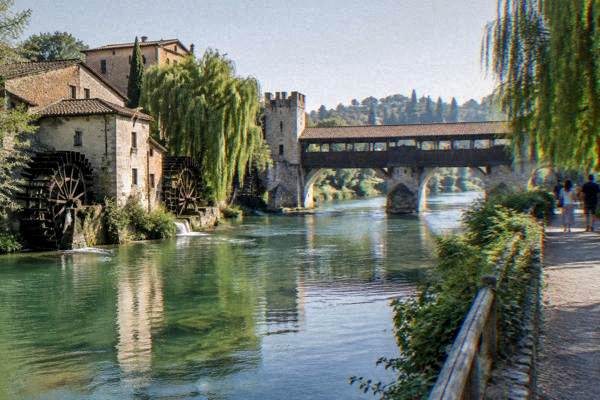
Venice Day Trip From Verona: Fast Train, One Long Day
Venice sits about 122 km east of Verona, and the fast train from Porta Nuova is reported at 1 hour to 1 hour 15 minutes each way, which makes a one-day trip possible without changing cities. This guide sets out the reported times, a realistic timeline, what to confirm before booking, and how Venice compares with the other day trips around Verona.
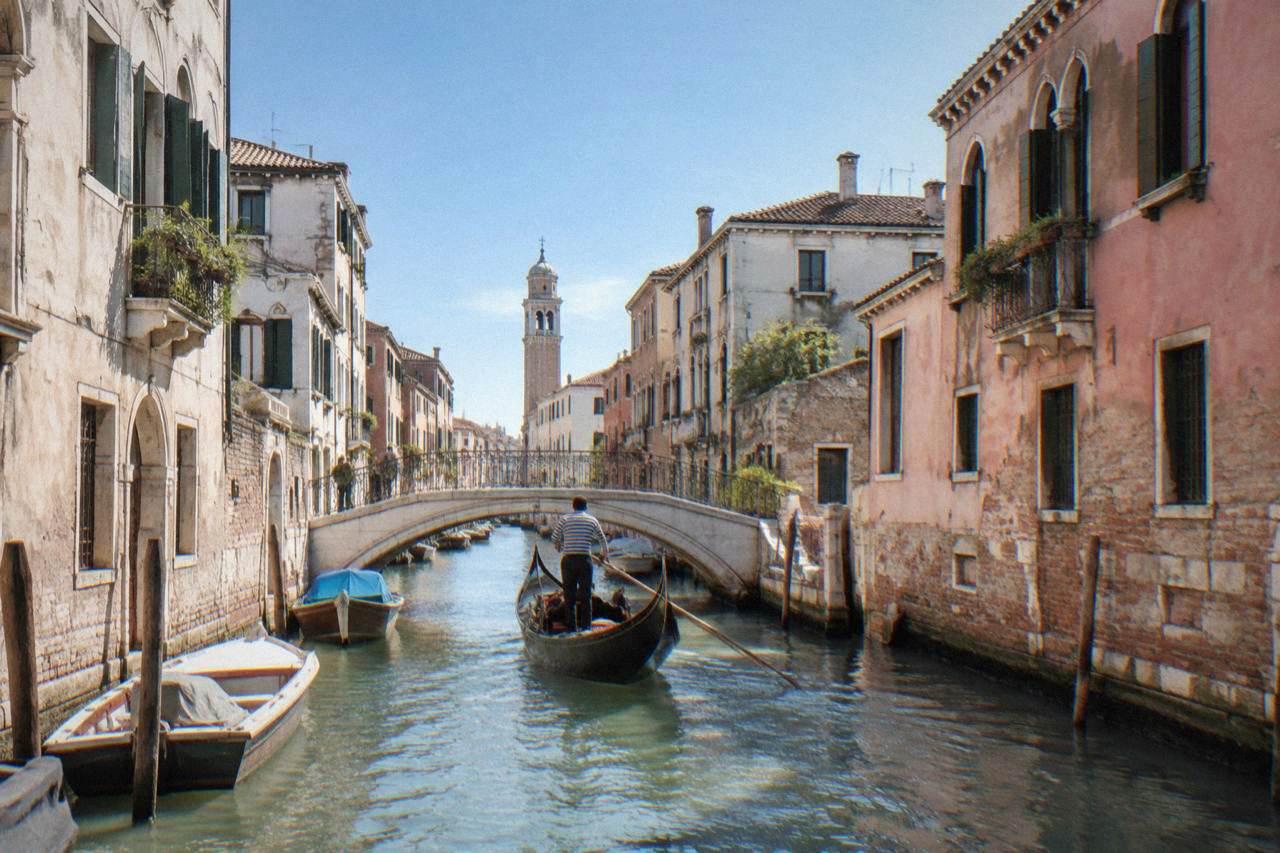
Short answer
A Venice day trip from Verona works because the train from Porta Nuova is reported at 1 hour to 1 hour 15 minutes each way. Leave early, give Venice a full day, and confirm your return train and any Venice entry rules before you travel.
Verona is an inland city on the Adige in Veneto, and Venice lies about 122 km to the east by road. The two cities are close enough that a Venice day trip from Verona is a standard plan for travellers basing themselves in Verona's UNESCO-listed historic centre, and the train is the reason: the fast service from Verona Porta Nuova is reported at 1 hour to 1 hour 15 minutes to Venice, each way. That single reported figure shapes everything else on this page, from how early the day starts to whether the trip is worth it at all.
This guide does what the site's Verona Italy Travel Guide desk always does: it reports what the sources say, flags what is reported rather than confirmed, and stays silent where nothing solid exists. Train fares, Venice entry fees and sight-by-sight prices are not given, because no figure for them exists in the site's research. Where that matters, the page says so plainly and moves on.
How Far Is Venice From Verona?
Venice is about 122 km east of Verona by road, a drive of about 85 minutes in free-flow traffic, and about 1 hour to 1 hour 15 minutes by fast train from Verona Porta Nuova, per reported rail journey times. The drive time is computed over OpenStreetMap routing and assumes no traffic; the train time is reported by rail aggregators and should be confirmed against the operator's own timetable before you book anything.
The distance is short by Italian standards. Verona and Venice are both in Veneto, and the rail corridor between them runs through Vicenza and Padua, which is why those two cities appear again and again as alternative stops on this page. Nothing about the geography is complicated: you leave Verona's river bend, cross the plain, and arrive on the edge of the lagoon.
What the raw numbers do not capture is the last stretch. Venice's historic centre is car-free, so whether you arrive by train or by car, the final leg into the city is on foot or by boat. Train travellers arrive at Venice Santa Lucia, which sits directly on the Grand Canal; drivers must park on the mainland at Piazzale Roma or Tronchetto and proceed the same way. The train wins that comparison before any timetable is opened.
| Journey | Distance | Time | Basis |
|---|---|---|---|
| Verona to Venice by road | about 122 km | about 85 minutes | Computed, free-flow |
| Verona Porta Nuova to Venice by train | rail corridor via Vicenza and Padua | reported 1 hour to 1 hour 15 minutes | Reported, confirm with the operator |
| Verona to Vicenza by road | about 65 km | about 48 minutes | Computed, free-flow |
| Verona to Padua by road | about 93 km | about 67 minutes | Computed, free-flow |
The reported train band matters more than the drive time in practice. A 58-minute-fastest, 75-minute-slower spread between services means the specific train you pick changes the shape of your day by up to about 20 minutes each way, and that is before any delay. Check the operator's live timetable rather than relying on the range.
Which Train From Verona Gets You To Venice Fastest?
Trains from Verona Porta Nuova to Venice are reported at 1 hour to 1 hour 15 minutes for the fastest direct services, with high-speed and regional options on the corridor. No fare, operator-specific frequency or seat-availability figure appears here for this route, so confirm times and prices on the operator's own booking site before committing to a fixed plan.
Verona Porta Nuova is the city's main station and the one every Venice service departs from. The station is a short walk or one urban bus ride from the historic centre: the ATV urban single is 1.50 euro for 90 minutes, per the operator's own fare page.
The practical advice follows from the reported spread. Book a morning departure early enough that a 75-minute journey still lands you in Venice before mid-morning, and pick a return late enough that you are not watching the clock through the afternoon. An evening return also means you see Venice after the day-trip wave thins out, which is the single best argument for a late train back.
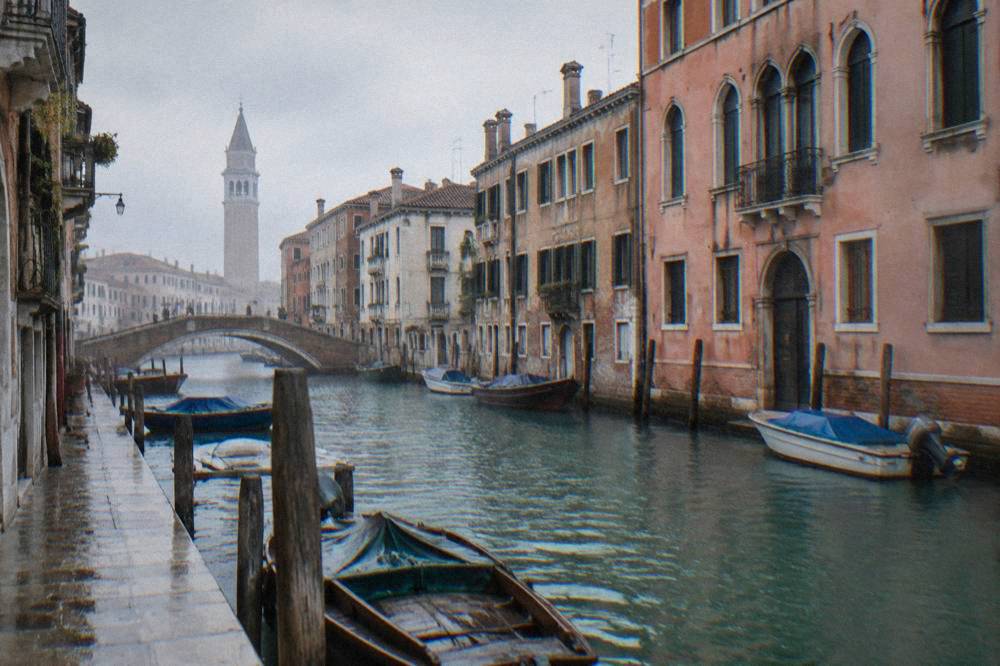
One warning worth its own paragraph: do not plan a same-day connection that leaves no margin. If your return train is the last sensible one of the evening and you miss it, the fallback options are slower services you have not checked. Build the plan around a return you could still catch after a delay, and check the operator's live departures during the afternoon.
If an organised day out appeals more than independent rail booking, the site's tour pages cover the guided options that leave the logistics to an operator, including guided day trips from Verona and the multi-stop itinerary pages like Verona and Lake Garda combined.
For travellers who want the structure of a tour but with Venice folded into a wider loop, the northern Italy itinerary guide sets out how the cities of Veneto and beyond chain together over several days.
What Does A Venice Day Trip From Verona Actually Cost?
The confirmed costs on this route are almost none: the ATV urban bus single in Verona is 1.50 euro, and everything else, the train fare, Venice's visitor entry arrangements and every sight price inside Venice, remains unconfirmed. Confirm the train fare at booking and any Venice entry requirements on the city's official channels before you travel.
That answer is deliberately blunt, and it is more useful than an invented number. Venice has experimented with an access contribution for day visitors on certain dates, and the 2026 dates and prices for it should be checked on the official Venice access-fee pages. The rule that follows is simple: check the official Venice access-fee pages before your travel date, because the scheme applies on specific days and day-trippers from Verona are exactly the visitors it targets.
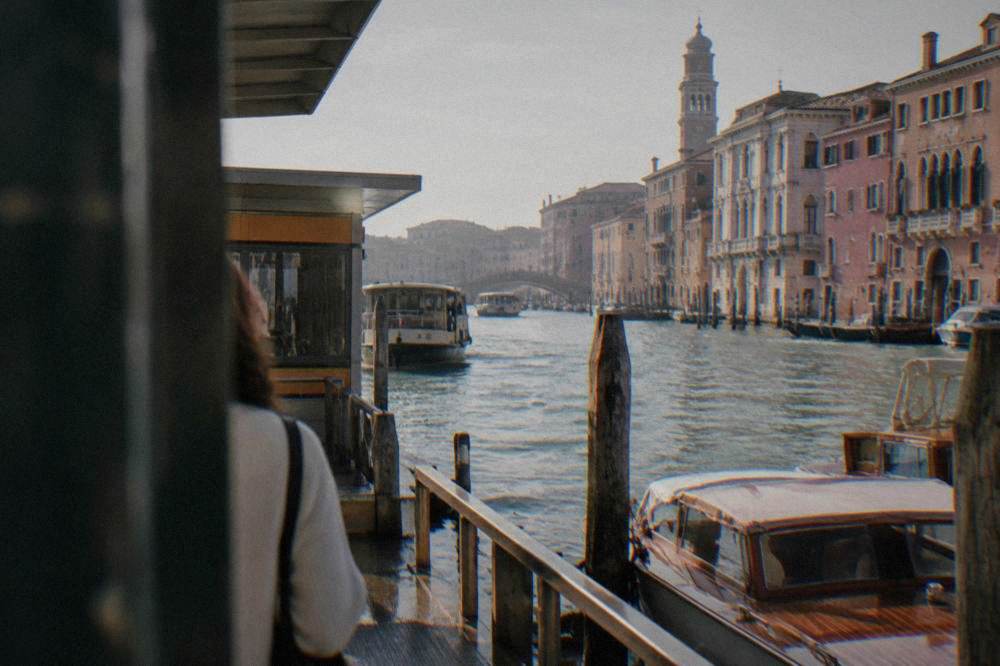
Inside Venice, every cost is a confirm-at-the-gate item. This site prints no Venice sight prices, no vaporetto fares and no restaurant figures. What can be said is structural: the historic centre is compact and walkable, the waterbus network is the alternative to walking, and the main squares and canal banks cost nothing to stand in. A day built around walking, one paid sight of your choosing and a long lunch stop can be shaped to almost any budget once the figures are confirmed on the spot.
| Cost item | Figure this site can print | Where to confirm |
|---|---|---|
| ATV urban bus in Verona | 1.50 euro single, 90 minutes | atv.verona.it |
| Train, Verona Porta Nuova to Venice | none verified, do not rely on ranges | operator's booking site |
| Venice visitor access contribution | 2026 dates and prices not found | City of Venice official channels |
| Venice sights and waterbus | none verified | on arrival, at each operator |
Budget one more thing that no price table captures: time is the real currency of a one-day trip. Every queue you join, every long lunch you sit down for and every wrong turn into a dead-end canal alley comes out of the same fixed pot of daylight hours. The realistic timeline in the next section is built around that constraint.
Back in Verona, the evening after a Venice day is low-effort by comparison. The Arena can be visited by day for 12 euro full price, per the Comune di Verona's own price list, and the historic centre between Piazza Bra and Piazza delle Erbe is an open-air walk that costs nothing.
Can You Do Venice From Verona In One Realistic Day?
Yes, as a long day: with a reported 1 hour to 1 hour 15 minutes each way by train, roughly two and a half hours of travel bracket a full day in Venice, so an early start around 07:00 and a return after 20:00 gives you eleven or more hours on the ground. This site does not call any one-day itinerary easy or sufficient, only that the reported times make the plan workable.
The timeline below is a frame, not a timetable. The train times in it are placeholders you replace with the actual departures you book; the clock entries exist to show how the day divides once travel is subtracted. Nothing in it depends on a figure that has not been checked.
| Time | Where | What happens |
|---|---|---|
| About 07:00 | Verona Porta Nuova | Board the first fast morning train you can book |
| About 08:30 | Venice Santa Lucia | Arrive on the Grand Canal, set out on foot |
| 09:00 to 13:00 | Venice historic centre | One major sight or area, then the walk between squares |
| 13:00 to 14:30 | Anywhere | Long lunch stop, off the main drag |
| 14:30 to 19:00 | Venice | Second area, canal banks, quieter districts |
| After 20:00 | Venice Santa Lucia | Evening return train to Verona |
| About 21:30 | Verona Porta Nuova | Back in Verona, walk or bus to the centre |
Two structural notes on that frame. First, the arrival station puts you at the head of the Grand Canal, and the walk from there toward San Marco is the spine of every first visit; you do not need a boat to build the day. Second, an evening return lets you see the city after the day-trip departures, which is when Venice is at its most distinct from the crowd you arrived with.
The question of whether one day is enough has an honest answer only in the negative space: this site's research covered the travel times and nothing about how long Venice's sights deserve, so no claim is made here. The related question for Verona-first travellers, whether to split a stay or day-trip, is covered on the can you do Verona and Venice in one day page and the Venice to Verona guide.
What Should You Actually See In Venice On A Day Trip?
The honest structural answer is the Grand Canal spine on foot: from Venice Santa Lucia station toward the Rialto bridge and on to St Mark's Square, with the return route through quieter backstreets. No Venice sight's price, hours or queue length appears in this site's research, so every entry decision should be made on the spot or confirmed on each site's own channels that morning.
A first day in Venice divides naturally into three pieces. The first is the canal spine: the walk from the station to Rialto, then Rialto to San Marco, which crosses the city's commercial heart and ends at its ceremonial one. The second is the square itself and the water frontage along it, which costs nothing and delivers the images every visitor arrives with. The third is deliberately unstructured: the districts away from that spine, where the city becomes residential again and the crowds thin. The full index of guides sits on Verona Italy Travel Guide.
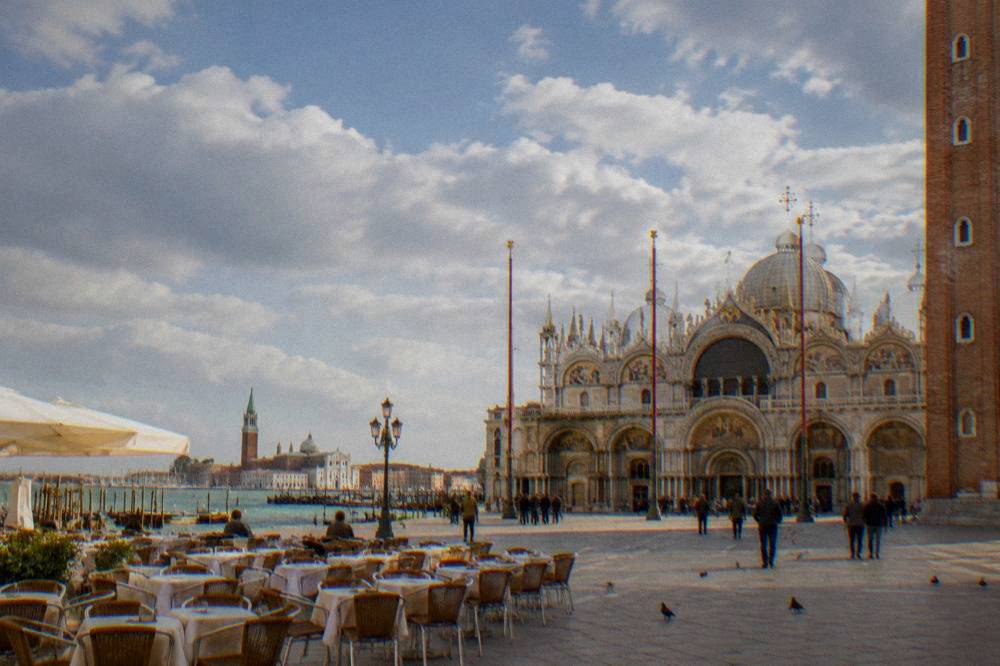
What this site will not do is rank the paid entries or claim a must-see list. Prices and hours for Venice's basilica, the Doge's Palace, the campanile and the museums are not listed here, and a confident-sounding number would be an invention. The working rule for a one-day visit is to choose at most one or two paid entries, confirm each one's hours and booking rules that morning on its own official page, and spend the rest of the day walking.
Food follows the same rule. No restaurant, bar or bakery name in Venice is named on this site, and no price range is printed. The structural advice is what any guide without a named list can offer honestly: eating a street or two back from the main walking routes, and sitting down for one proper stop rather than grazing at the highest-footfall spots.
Is A Day Trip Better Than Staying Overnight In Venice?
A day trip from Verona trades Venice's evening and early morning, the two quietest periods, for a Verona base that is usually cheaper to book and simpler to manage, and the reported 1 hour to 1 hour 15 minute train time makes the trade reversible. This site prints no hotel prices for either city, so the comparison rests on time and logistics, not on rates.
The case for the day trip is operational. You keep one hotel, one set of luggage and one base inside Verona's walkable centre, and you spend the fixed travel budget of about two and a half hours total on a train instead of on a second check-in. The case against is equally operational: you never see Venice outside the mid-morning-to-evening window, and you cannot adjust the day when a queue or a delay eats the schedule.
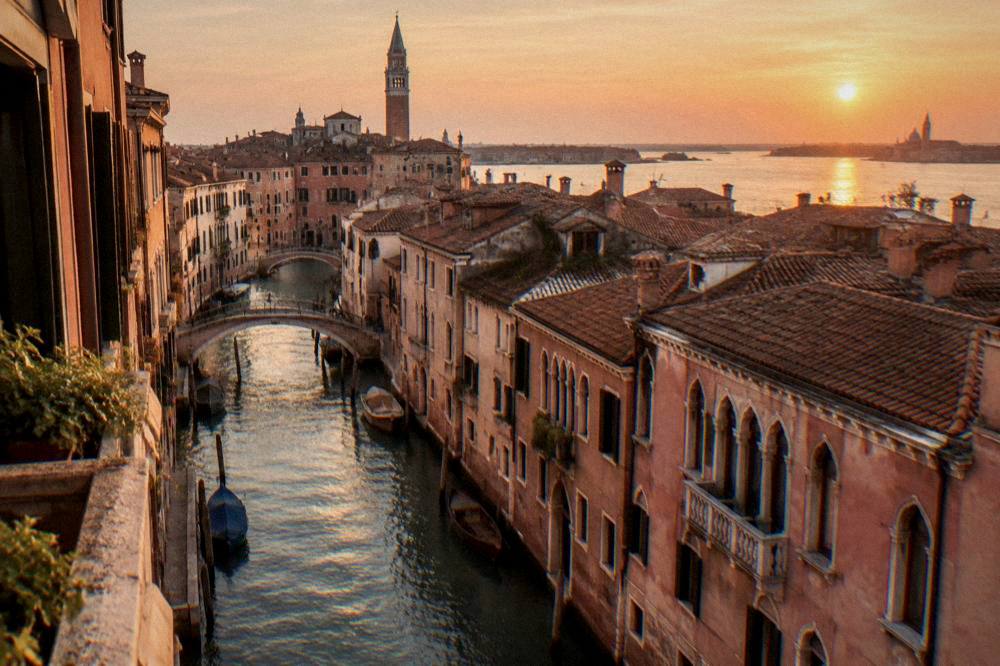
A middle path exists and Verona is well placed for it: extend to two days and sleep in Verona both nights, using the second day for the parts of Venice the first day missed, or split the stay between the two cities. Travellers weighing the cities against each other directly have the which is nicer, Venice or Verona comparison, and those planning the reverse direction can start from the one day in Verona from Venice itinerary.
| Factor | Day trip from Verona | Overnight in Venice |
|---|---|---|
| Travel | about 2.5 hours total, reported times | one train each way |
| Time in Venice | mid-morning to evening | includes early morning and late evening |
| Luggage and check-ins | single Verona base | second accommodation |
| Cost comparison | not printed, no verified rates | not printed, no verified rates |
| Schedule flexibility | fixed by return train | loose |
One Verona-side note for anyone booking multi-night stays anywhere in the city: Verona charges a tourist tax per person per night, collected by the accommodation and capped at four nights per person per month. The accommodation applies the rate table at check-out.
Venice Or Lake Garda: Which Day Trip Should You Take From Verona?
Both work as day trips, but they are different products: Venice is a reported 1 hour to 1 hour 15 minutes by train east, while the Lake Garda towns are 22 to 39 km west of Verona, with computed drives of about 37 to 84 minutes to Bardolino, Sirmione, Garda and Malcesine. Choose Venice for a city and the Garda shore for water and hills; either can suit a different taste.
The geography is the deciding fact. Verona sits between the two options, inland on the Adige, with the lake towns to the west and the lagoon city to the east. Sirmione, the nearest famous lake stop, is about a 40-minute drive from the Arena, and bus line 164 is reported at about 55 minutes direct from Porta Nuova. Venice's travel time is similar; what differs is what waits at the other end.
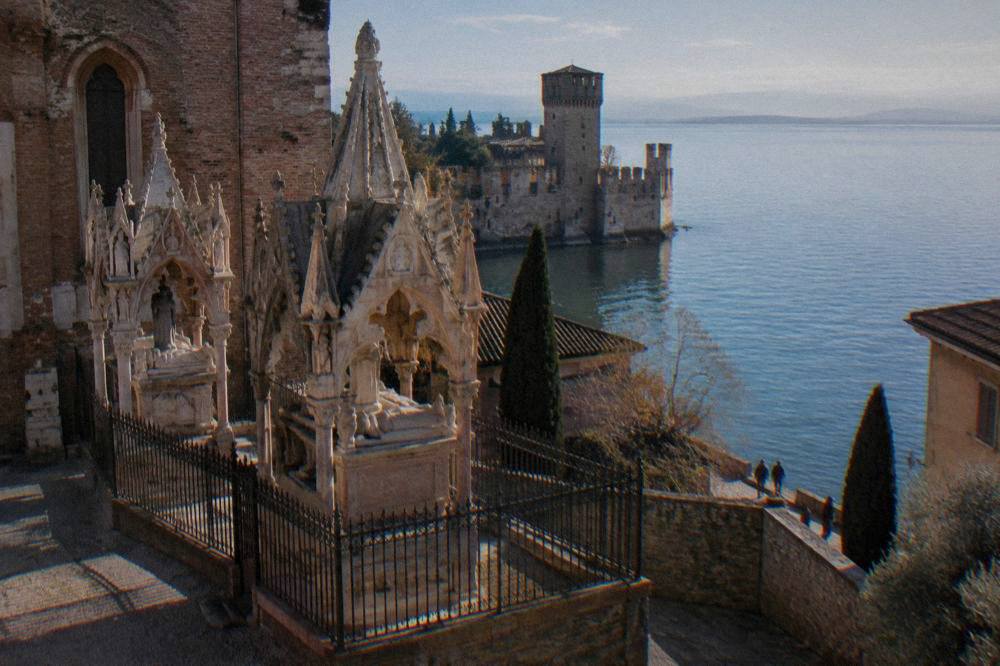
For a day built around water without a train, the guided options cover the lake well. The Sirmione day trip guide and the wider Lake Garda page set out the towns, and a multi-stop tour is the one way to see several of them in a single day without a car. You can Check availability on that itinerary alongside the independent options.
A third direction deserves a line. West and north of Verona the hills take over: Valpolicella is about 25 minutes by road, and the Madonna della Corona shrine trips climb into the mountains above Lake Garda. Those are half-day and full-day products respectively, and they suit a traveller who has already done a city day or wants one without another city at the end of it.
| Day trip from Verona | Distance | Travel time | Basis |
|---|---|---|---|
| Valpolicella (Sant'Ambrogio) | about 21 km | about 25 min by road | Computed, free-flow |
| Soave | about 33 km | about 33 min by road | Computed, free-flow |
| Vicenza | about 65 km | about 48 min by road | Computed, free-flow |
| Mantua | about 59 km | about 54 min by road | Computed, free-flow |
| Padua | about 93 km | about 67 min by road | Computed, free-flow |
| Venice | about 122 km | about 85 min by road, reported 1 h to 1 h 15 by train | Computed / reported |
The pattern in that table is worth reading once: everything east of Verona sits on the same rail corridor you would ride to Venice. Padua and Vicenza are stops on the way, which is why splitting a Venice day with either of them is a poor plan but extending a Veneto trip with both is a good one.
Should You Ever Drive From Verona To Venice?
You can drive it in about 85 minutes in free-flow traffic over about 122 km, but Venice's historic centre is car-free, so every driver must park at the edge, at Piazzale Roma or Tronchetto, and continue on foot or by boat, which erases the car's only advantage. The train from Porta Nuova, reported at 1 hour to 1 hour 15 minutes, delivers you directly onto the Grand Canal.
The comparison ends there for almost every traveller. A car earns its keep on this region's other day trips, the Valpolicella hills, Soave, the lake towns' smaller villages, and the site's Verona car rental and driving guide covers when that trade makes sense. For Venice specifically, the car is a parking problem attached to a motorway.
One Verona-side caution applies before any drive at all: the historic centre is a camera-policed limited-traffic zone, with non-resident entries capped and hotel guests exempt only when the hotel registers the plate. Returning from Venice by car into the centre at night is exactly the scenario the ZTL rules catch, and the Verona ZTL and parking page sets out the windows and the cap in detail.
When Is The Best Season For A Venice Day Trip From Verona?
The seasons that suit the trip are the same that suit Verona itself: spring and autumn, when the ERA5 reanalysis for Verona, 1991-2020, shows mean highs of 17.8 C in April and 18.1 C in October against 29.3 C in July, and before the summer opera-season crowds fill both cities. No month is banned by the data, and November's 118.2 mm of rain is the wettest figure in the Verona normals.
Those figures are Verona's, from a modelled grid cell, not a Venice weather station, and they are the only climate numbers this site prints. They describe the climate you start and end the day in, which is a reasonable proxy for the plain you cross between the two cities. What they cannot describe is Venice's own flooding and heat behaviour, which this site's research does not cover; check the city's official alerts before a winter or late-summer visit.
| Month | Mean high C | Mean low C | Rain mm |
|---|---|---|---|
| January | 7.3 | -0.4 | 52.3 |
| April | 17.8 | 7.6 | 93.5 |
| July | 29.3 | 19.1 | 79.4 |
| October | 18.1 | 10.5 | 107.2 |
| November | 12.3 | 5.3 | 118.2 |
The seasonal crowds are a Verona-side fact too. The Arena's opera season ran 5 June to 12 September in 2026, per the Arena's own site, and the 2027 season is announced for 11 June to 11 September. Summer is therefore the period when both cities are at their fullest, and a shoulder-month day trip buys quieter platforms in both directions.
Common Questions About A Venice Day Trip From Verona
How long is the train from Verona to Venice?
Reported journey times for the fast services from Verona Porta Nuova to Venice run 1 hour to 1 hour 15 minutes. Confirm the specific departure on the operator's own booking site before you plan around it.
Can you do a Venice day trip from Verona?
Yes, as a long day. With roughly two and a half hours of total travel, an early start and a late return give you eleven or more hours in Venice. This site makes no claim that one day is enough, only that the reported times make the plan workable.
How far is Venice from Verona?
About 122 km by road, a computed free-flow drive of about 85 minutes, or a reported 1 hour to 1 hour 15 minutes by train from Porta Nuova.
What does the Venice day trip cost?
The only figure given for the route is the 1.50 euro ATV urban bus single in Verona. Train fares and any Venice visitor access contribution are not given; confirm both at booking and on the city's official channels.
Is Venice or Lake Garda the better day trip from Verona?
They are different products at similar travel cost. Venice is east by train; the lake towns are 22 to 39 km west, with computed drives of about 37 to 84 minutes. Calling either one nicer comes down to personal taste.
Do you need to book the train in advance?
This site prints no fare or availability data, so no booking claim is made. The practical rule is to lock the departure and return times you want early, and to choose a return with a slower fallback behind it.
A Venice day trip from Verona is, in the end, a scheduling decision backed by one reported number: a train of 1 hour to 1 hour 15 minutes each way. Book the trains you can still catch after a delay, confirm the details at their sources, and the day takes care of itself.