Mantua From Verona: Palazzo Ducale And The Three Lakes
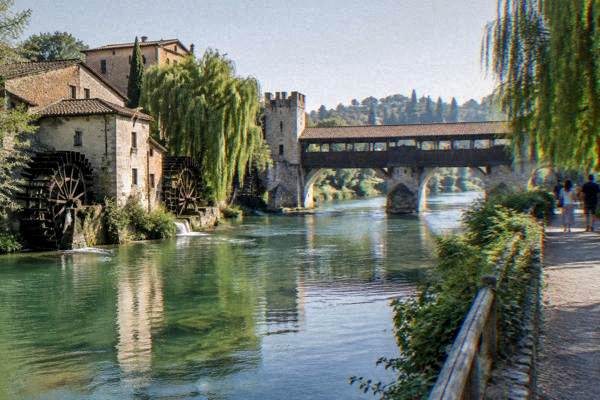
Mantua sits about 54 minutes by road from Verona, a walled art city ringed by three lakes formed by the Mincio river, and it makes one of the most rewarding day trips out of the Veneto plain.
Short answer
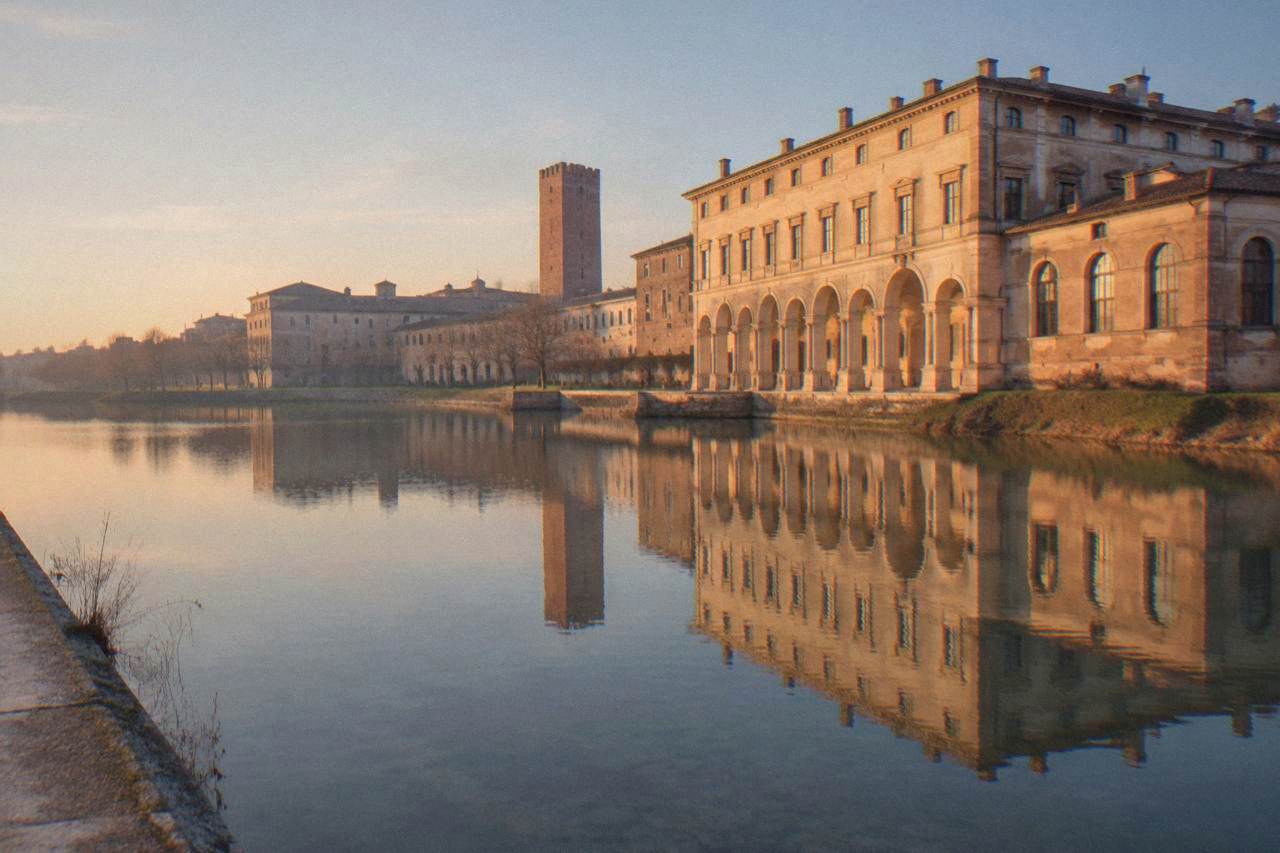
Mantua is about 59 km and 54 minutes by road from Verona, with regional train connections reported at roughly 30 to 45 minutes; plan a full day for the Palazzo Ducale, the civic squares and a walk along the lakes.
Mantua rises out of the plain southwest of Verona, a compact Renaissance city enclosed on three sides by lakes created by the Mincio river, the same waterway that loops past Valeggio sul Mincio on its way south. From Verona, an inland city on the Adige in Veneto, the drive is about 59 km and 54 minutes over free-flow roads (COMPUTED over OSM routing), and regional trains also link the two cities. This guide lays out how to get there, what the Palazzo Ducale and the lakes offer, and how a Mantua day fits alongside the other day trips that circle Verona, from Valpolicella to Lake Garda.
How Far Is Mantua From Verona And How Do You Get There?
Mantua lies about 59 km southwest of Verona, a drive of roughly 54 minutes by road in free-flow conditions, computed over OSM routing. Regional trains connect Verona Porta Nuova with Mantua in a reported 30 to 45 minutes, and the route is served by regional services only, so confirm current timetables on the operator's site before you travel. There is no direct high-speed link, so check the price when you book.
The car route crosses the plain through Soave wine country and past the Mincio parkland, and the drive times above are free-flow estimates, not timetables: allow more on summer weekends. Park outside the historic centre on arrival and walk in, since Mantua's core, like Verona's, is a restricted zone, and the rules for visitors are enforced locally, so confirm parking arrangements with your accommodation or the city's own visitor information before you drive in.
The train is the calmer option. Trains from Verona arrive within a short walk of Mantua's centre, and the journey is short enough that a day trip needs no early-morning heroics. Regional services in Italy run on published timetables that change with the season, so check the operator's live schedule rather than relying on a frequency printed in a guide.
| Option | Time | Notes |
|---|---|---|
| Car (free-flow, computed) | About 54 minutes, 59 km | Route crosses the plain past Soave; allow more in summer traffic |
| Regional train (reported) | About 30 to 45 minutes | Confirm timetables and fares with the operator before travelling |
| Combined day with Valeggio sul Mincio | Half a day extra | The Mincio river links both; no verified drive time between them is printed here |
What Is Mantua Famous For?
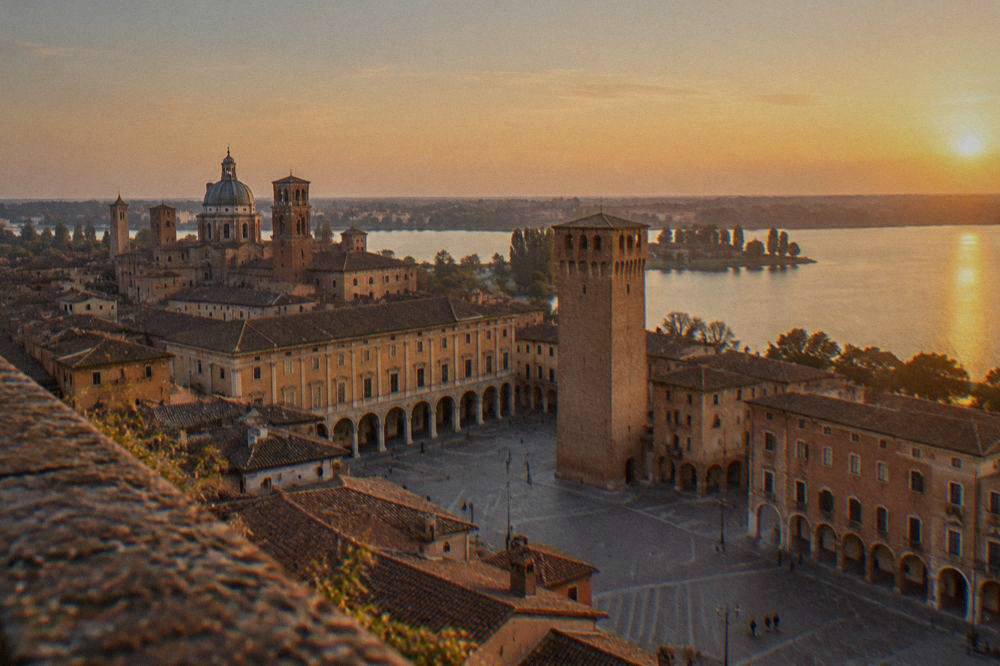
Mantua is famous as a planned Renaissance court city surrounded by three lakes, dominated by the vast Palazzo Ducale, the ducal palace complex that anchors the old town, and by frescoed interiors that draw art travellers from across northern Italy. The city's identity is inseparable from its water: the lakes of the Mincio river define its skyline and its street plan, and the palace, the civic squares and the lakeside walls all sit within a walkable core.
The Palazzo Ducale is the headline sight: a sprawling complex of courtyards, halls and galleries built up over centuries of ducal rule, and a visit fills half a day on its own. Check the current admission and hours for Mantua's monuments on the official palace channels before you go, and treat any figure printed elsewhere with caution.
The second palace, Palazzo Te, sits just outside the core on the southern edge and is famous for its illusionistic fresco cycles. The same caveat applies: confirm locally. What the sources do establish is the scale of the offer, two major palace museums plus a string of churches and squares in a city small enough to cross on foot between them.
| Sight | What it is | Admission |
|---|---|---|
| Palazzo Ducale | The ducal palace complex of courtyards and frescoed halls | Check the official channels; no verified figure printed here |
| Palazzo Te | Frescoed suburban palace at the southern edge of the city | Confirm locally before visiting |
| The three lakes | Lago Superiore, Lago di Mezzo and Lago Inferiore, formed by the Mincio | Open water and lakeside walks, free to roam |
| Historic squares | The compact civic core of the old town | Open access |
Is One Day In Mantua Enough From Verona?
One day is enough to see the Palazzo Ducale's highlights, walk the historic squares and take a lakeside loop, because the drive is only about 54 minutes and the reported train ride is under an hour each way. It is not enough to see both major palaces at museum pace plus the lakes at leisure; a one-day visit forces a choice between Palazzo Ducale and Palazzo Te, and a second day is the honest answer for travellers who want both without rushing.
The arithmetic is simple. A day trip that leaves Verona mid-morning loses half the palace before lunch. Leave early, put the Palazzo Ducale first while legs are fresh, eat in the centre, and give the afternoon to the lakes and the squares. Visitors who prefer a slower rhythm can split the stay and overnight, turning Mantua into a two-day art stop between Verona and Bologna.
For travellers basing themselves in Verona and sequencing several day trips, Mantua slots naturally into an itinerary that already includes Verona's own sights: see how to spend three days in Verona first, then push outward. The comparison table below places Mantua against the other cities within a day's reach.
| Day trip from Verona | Drive time (computed, free-flow) | Character |
|---|---|---|
| Valpolicella | About 25 minutes, 21 km | Wine hills and Amarone cellars |
| Soave | About 33 minutes, 33 km | Walled medieval town and white-wine zone |
| Vicenza | About 48 minutes, 65 km | Palladian architecture city |
| Mantua | About 54 minutes, 59 km | Renaissance palaces and the three lakes |
| Padua | About 67 minutes, 93 km | Frescoed city, easy train links |
| Venice | About 85 minutes, 122 km | Lagoon city; train reported at 1 hour to 1 hour 15 |
What Are The Three Lakes Of Mantua?
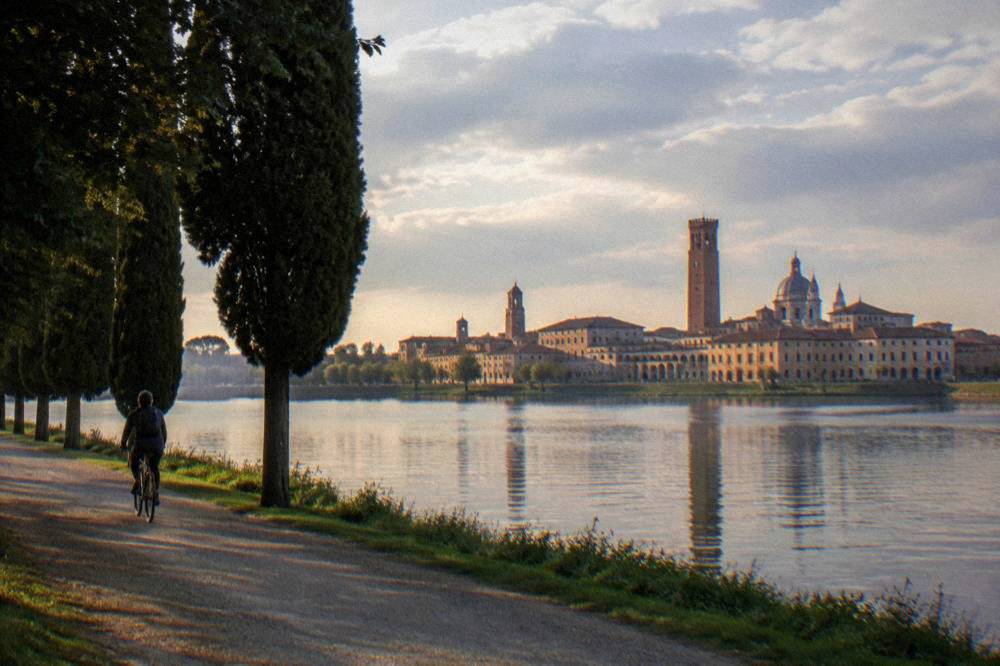
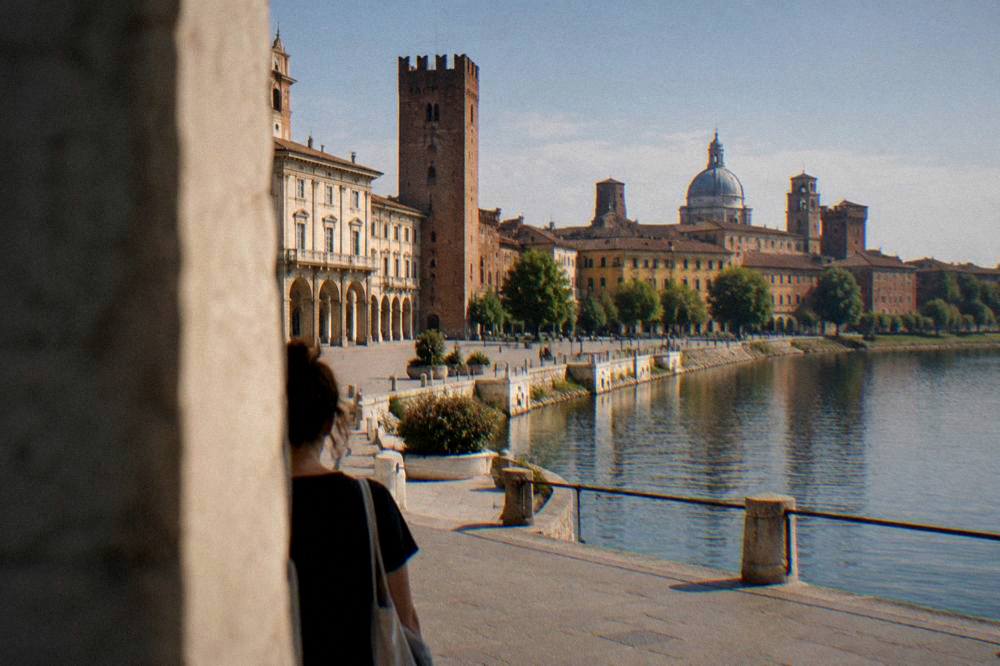
The three lakes of Mantua are the Lago Superiore, the Lago di Mezzo and the Lago Inferiore, successive widenings of the Mincio river as it wraps the city on three sides, and they are public open water with free lakeside walking, not gated attractions. The lakes give Mantua its skyline of walls and towers reflected in still water, and a full circuit of the shore paths is one of the simplest pleasures of a day trip there.
The Mincio flows out of Lake Garda near Peschiera and runs south past Valeggio sul Mincio before fanning into Mantua's lakes, so the river ties this day trip to the wider Garda region. Walk the lakeside path at sunset and the water does what photographs promise: the palace facades and the skyline sit doubled on the surface. Boat trips on the lakes operate locally; this site lists no operator, price or schedule, so book on arrival or confirm with the city's visitor information.
Cyclists can ride the river paths along the Mincio, a flat corridor popular with bike tours. That is the same logic behind Verona's own two-wheel options: on a separate day, the self-guided e-bike loop through the Valpolicella hills with wine tastings covers the same idea, vineyards instead of riverbanks. You can Check availability for that ride on its listing page.
What Should A One-Day Mantua Itinerary Look Like From Verona?
A sensible one-day plan runs: an early train or drive from Verona arriving mid-morning, two to three hours in the Palazzo Ducale, lunch in the historic centre, an afternoon loop of the civic squares and Palazzo Te, and a lakeside walk before the return journey, which keeps the day inside comfortable daylight hours. Book palace entry ahead if online booking exists when you travel, because sight capacity in Mantua is finite and hours change seasonally.
Morning belongs to the palace. The Palazzo Ducale is not a single building but a linked complex, and even a fast visit needs a couple of hours; the sources here carry no opening hours, so check the palace's own channels the week you travel. Lunch in the centre, then the afternoon splits: art travellers head to Palazzo Te, walkers head for the lakes, and the undecided do the squares and the water first, since the palaces have closing times and the lakes do not.
The return is flexible. Trains and the road both run into the evening, but a same-day return that leaves Mantua after dark in November means arriving in Verona late; check seasonal timetables, and in winter plan the lakeside walk for mid-afternoon while light lasts. For climate framing, the ERA5 reanalysis for Verona, 1991-2020, gives November a mean high of 12.3 C and October 18.1 C, with November the wettest month of the year at 118.2 mm, so the plain around Mantua in late autumn is cool and damp.
| Time of day | Plan |
|---|---|
| Early morning | Train or drive from Verona; arrive mid-morning |
| Late morning | Palazzo Ducale, two to three hours |
| Lunch | Historic centre; confirm restaurant hours locally |
| Afternoon | Civic squares, then Palazzo Te or the lakeside path |
| Late afternoon | Lakeside walk, then the return journey |
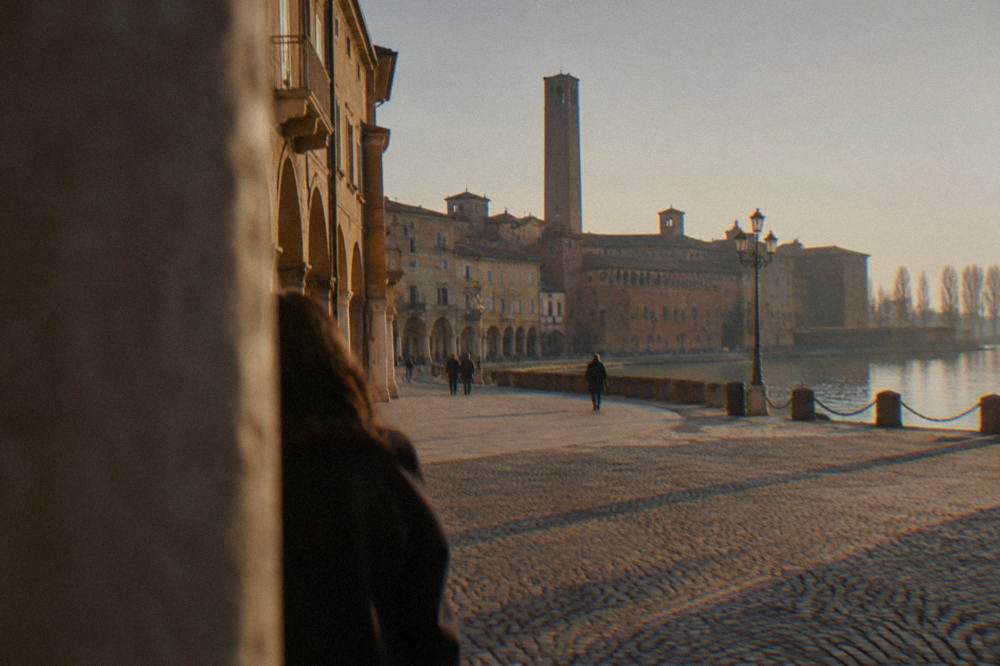
When Is The Best Time Of Year For A Mantua Day Trip?
Spring and early autumn are the best seasons for a Mantua day trip from Verona: the ERA5 reanalysis for Verona, 1991-2020, gives April a mean high of 17.8 C and September 23.7 C, months when the lakeside paths and palace courtyards are comfortable, while July and August mean highs reach 29.3 and 29.1 C and November is the wettest month at 118.2 mm.
Winter visits work, with January mean highs of 7.3 C, but daylight is short and the lakes lose their charm in fog.
The table below prints the monthly normals for Verona, the climate anchor for this site; Mantua, an hour southwest across the same plain, shares the continental pattern of cold damp winters and warm summers. Use it to pick sleeves or shade.
| Month | Mean high C | Mean low C | Rain mm |
|---|---|---|---|
| Jan | 7.3 | -0.4 | 52.3 |
| Feb | 9.5 | 0.4 | 58.8 |
| Mar | 14.0 | 3.6 | 67.4 |
| Apr | 17.8 | 7.6 | 93.5 |
| May | 22.3 | 12.2 | 109.7 |
| Jun | 26.6 | 16.5 | 92.3 |
| Jul | 29.3 | 19.1 | 79.4 |
| Aug | 29.1 | 19.4 | 84.1 |
| Sep | 23.7 | 15.1 | 99.7 |
| Oct | 18.1 | 10.5 | 107.2 |
| Nov | 12.3 | 5.3 | 118.2 |
| Dec | 7.8 | 0.8 | 71.1 |
Seasonal events shift the calculus. Verona's own calendar matters more than Mantua's for a visitor based there: the Arena opera season ran 5 June to 12 September in 2026, and the 104th edition is announced for 11 June to 11 September 2027, so summer travellers often reserve their evenings for Verona and give Mantua the daylight hours, which is exactly the right division of labour.
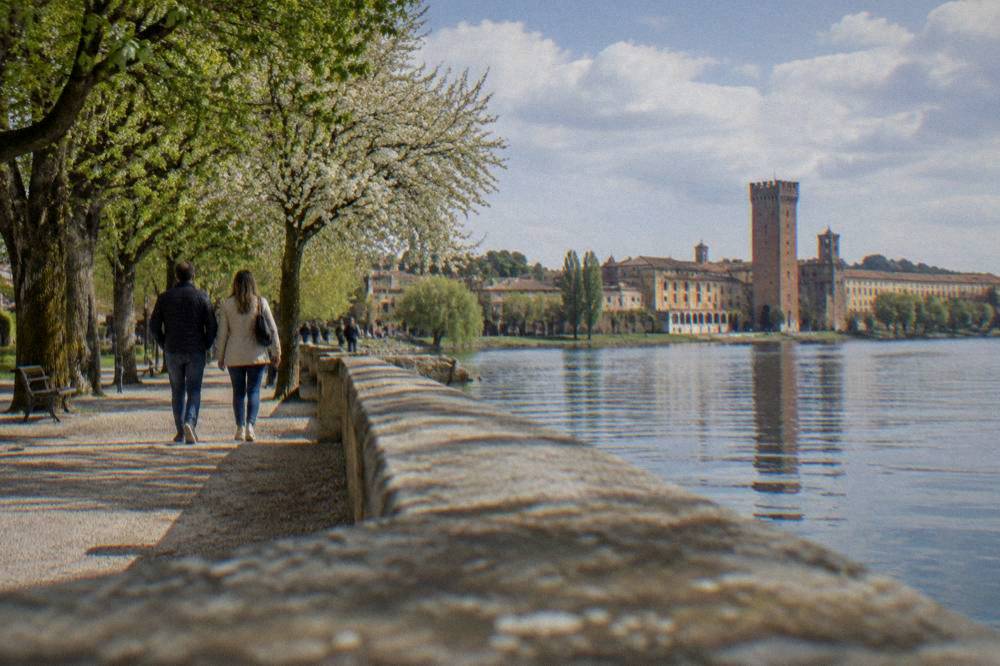
How Does Mantua Compare With Verona's Other Day Trips?
Mantua is the art-city day trip for travellers who have already seen Verona's palaces and want frescoes and water without mountains or vineyards: at about 54 minutes by road it is marginally further than Vicenza (48 minutes) and much closer than Venice (85 minutes), all computed over OSM routing. It pairs badly with Lake Garda on the same day, since the lake towns lie the opposite way, but it pairs well with a slow Mincio-route drive taking in Valeggio sul Mincio.
Think of Verona's day trips as three families. The wine family is Valpolicella at about 25 minutes and Soave at 33, both computed. The lake family is Lake Garda with its towns, Sirmione about 40 minutes, Bardolino 37, Garda 42 and Malcesine 84 by road. The art-city family is Vicenza, Mantua, Padua, Venice and Bologna, each reachable by train as well as car, each with its own weight of frescoes and galleries.
Mantua is the quietest member of the art family, less visited than Venice and less Palladian than Vicenza, and its lakes give it a setting neither rival has. For a two-base Verona trip, a sound pattern is two days in Verona itself following the things to do in Verona guide, a Garda day, a wine day, and Mantua on the morning you have energy left for a long palace walk.
For orientation back in the city, the audio-led walking option below is a practical way to cover Verona's own lanes on a different day, since a Mantua excursion eats a full day of any itinerary.
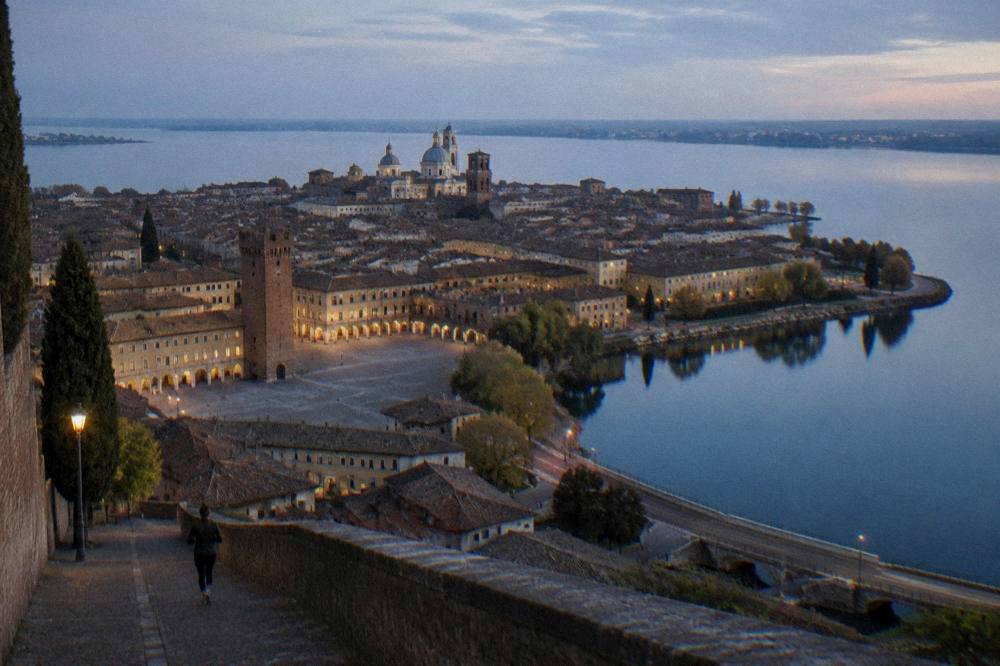
Where Should You Eat In Mantua On A Day Trip?
Eat inside Mantua's historic centre at lunch, the one meal a day trip reliably captures, and order the local lake-and-plain cooking that the Mincio area is known for, freshwater fish, pumpkin-filled pasta and slow-cooked meats; this site's sources name no restaurant, no price and no hours in Mantua, so choose on arrival or book ahead locally rather than from a printed recommendation here. Lunch service in northern Italian towns generally runs early afternoon, so time the palace exit accordingly.
The honest position on food coverage matters: this editorial desk prints restaurant names only when its own sources carry them, and for Mantua they do not. What the sources do carry is the regional frame: Mantua sits in a plain whose cooking draws on the lakes around it, a contrast with Verona's own dishes such as risotto all'Amarone and pastissada de caval, which are documented in the what to eat in Verona tradition. Travellers who want the documented Veronese table can follow that thread; in Mantua, walk in, read the menus on the square, and sit.
Two practical notes carry the day. First, confirm whether your palace ticket times your entry before or after lunch, since a timed slot dictates the meal. Second, if you drive back to Verona in the evening, the road passes close to Valeggio sul Mincio, whose own cooking traditions knot-shaped pasta among them make a dinner stop possible; again, no names or hours appear in this site's sources, so decide on the ground.
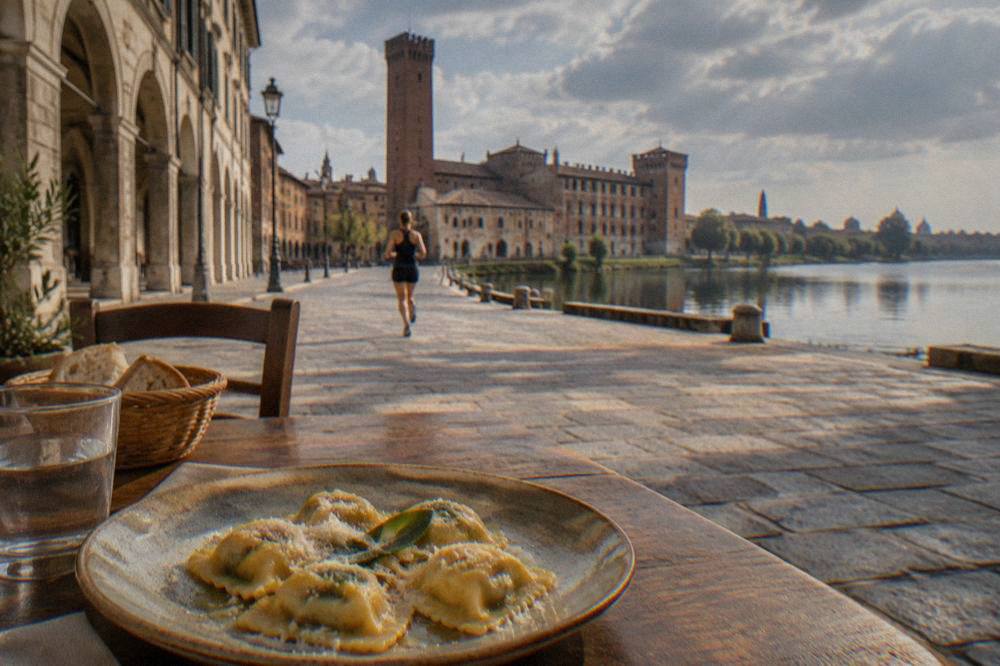
Can You Combine Mantua With Lake Garda Or Verona In One Trip?
Yes, as separate days: Mantua at about 54 minutes by road and the Garda towns at 37 to 84 minutes sit on different sides of Verona, so combining them in a single day means backtracking through the city and losing hours; a multi-day Verona base handles all of it comfortably, with the lake one day, Valpolicella or Soave another, and Mantua on a clear art day.
Only travellers with two weeks or more should try Mantua as a stop en route between Verona and Bologna rather than as a loop.
The train geography helps here. Mantua's rail links run towards Bologna and Verona, while the Garda side is served by regional trains towards Peschiera and Desenzano plus the ATV 164 bus towards Sirmione, so a two-day pattern, lake day and Mantua day, uses different stations and different mornings. Within one long weekend, follow a rhythm like this: Verona's centre on day one, Sirmione or the lake on day two, Mantua on day three, and a wine afternoon in Valpolicella before departure.
Travellers arriving from further afield can also reach Verona ready-made for Mantua: Venice is a reported 1 hour to 1 hour 15 by train from Porta Nuova, and Venice itself pairs with Verona in the pattern described on our Verona Italy Travel Guide homepage. The one thing not to do is cram Mantua into an afternoon: the Palazzo Ducale alone absorbs half a day at any honest pace.
For the evening you return from Mantua, Verona's own cultural calendar offers a fitting close: an opera concert in a Verona palace with prosecco, bookable below, turns a fresco-filled day trip into a fresco-filled night without another kilometre of travel.
Common Questions About A Mantua Day Trip From Verona
How far is Mantua from Verona?
About 59 km and 54 minutes by road in free-flow conditions, computed over OSM routing; regional trains are reported at roughly 30 to 45 minutes, so confirm timetables with the operator before travelling.
Is Mantua worth a day trip from Verona?
Yes for art and fresco lovers: the Palazzo Ducale complex and Palasto Te justify the short journey, and the lakeside setting is free to enjoy. Travellers indifferent to painted interiors may prefer a Garda or wine day instead.
Can you visit Mantua and Lake Garda on the same day?
It is possible but inefficient: the lake towns lie west and north of Verona, Mantua southwest, so the two days work better split, each with its own short journey.
Do you need to book the Palazzo Ducale in advance?
Check the palace's official channels before you travel. This site's sources captured no Mantua admission price or hours, so confirm both locally or at booking.
What are the three lakes of Mantua?
The Lago Superiore, Lago di Mezzo and Lago Inferiore, three widenings of the Mincio river that enclose the historic city; the shore paths are open and free to walk.
Is Mantua walkable in a day?
Yes: the historic core between the lakes is compact, and the main sights, squares and shore paths sit within an easy walk of the station area.