Porta Nuova: The Station District And Its Hotels
The Porta Nuova area is the modern gateway to Verona, in Veneto, northern Italy: the city's main railway station sits at its edge, and the Roman Arena lies a short walk into the historic centre beyond it.
Short answer
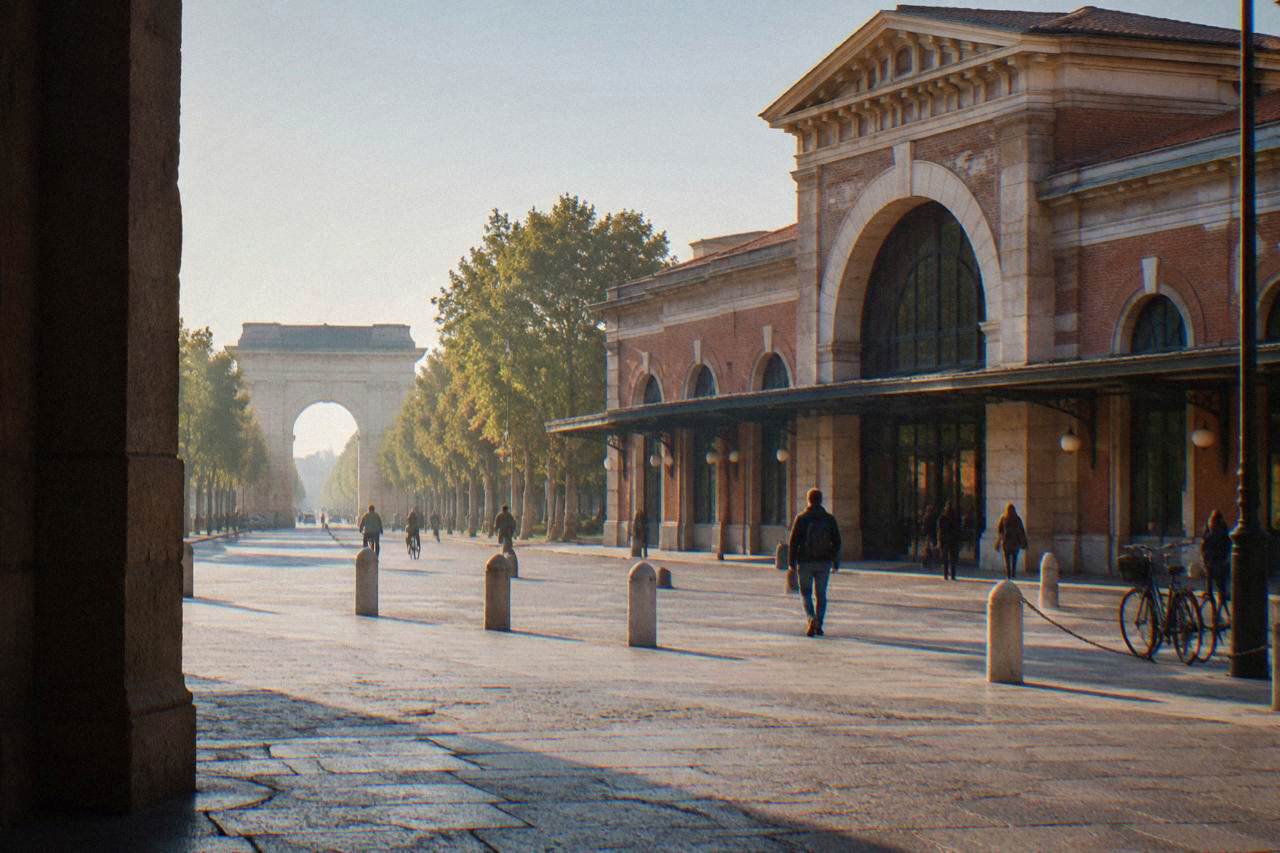
The Porta Nuova area is the district around Verona's main railway station, south-west of the UNESCO-listed historic centre. Trains from Venice, Milan and Rome arrive here, the historic centre begins a level walk away, and the district is a common base for travellers who want station convenience with old-town access.
Verona, in Veneto, northern Italy, is an inland city on the Adige river, and every traveller arriving by rail steps into it through the same door: Porta Nuova station, at the edge of the modern district that carries the station's name. The Porta Nuova area is the belt of city between the railway lines and the UNESCO-listed historic centre, a working quarter of offices, apartment blocks and hotels that has grown around one of northern Italy's busier rail junctions. This guide lays out what the district is, how the station connects it, where it sits on the city map, and what basing a stay here involves.
What And Where Is The Porta Nuova Area Of Verona?
The Porta Nuova area is the modern quarter immediately around Verona's main railway station, the district you cross to reach the historic center from the station. It takes its name from the Porta Nuova gate and lies between the rail corridor and the southwestern edge of the old town, whose Roman Arena sits a level walk away. Verona is an inland city on the Adige river in Veneto, not a lake town: Lake Garda and its towns, Sirmione, Bardolino, Garda and Malcesine, are 22 to 39 km west and are day trips from here. The historic centre, the Citta Antica inside the Adige bend, was inscribed on the UNESCO World Heritage List in 2000, and Porta Nuova is the modern quarter you cross to reach it from the station.
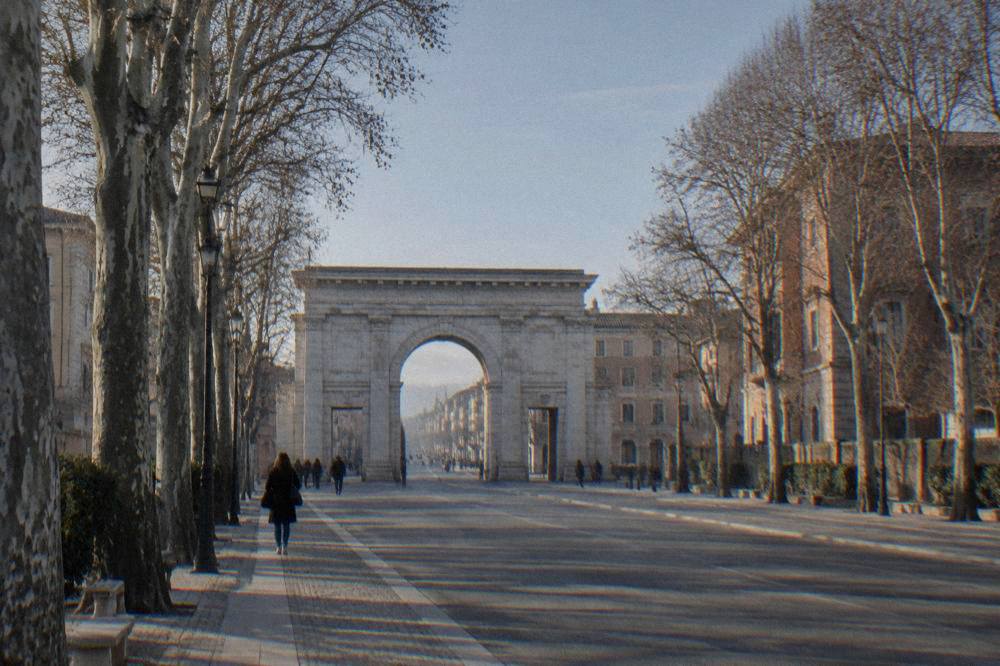
The district takes its name from the Porta Nuova gate itself, the historic gateway that opens onto the wide avenue running from the station side toward Piazza Bra and the Arena. This is the one approach into the old centre that is dead flat and straight, which is why the station district is often recommended to travellers with luggage. Beyond the Adige lie other quarters with their own character: Veronetta on the left bank, Borgo Trento to the north, and the San Zeno district to the west around its great basilica. No neighbourhood of Verona carries a sourced safety score or price level, so this page describes position only, not character rankings.
For orientation, the Verona map guide places every quarter, and the overview at things to do in Verona collects the sights in the old town that the station district gives access to.
How Does Verona Porta Nuova Station Connect The City To The Rest Of Italy?
Verona Porta Nuova is the city's main station and the arrival point for all long-distance trains: reported times are 58 to 75 minutes to Venice Mestre, 1 hour 15 to 1 hour 50 to Milano Centrale, and about 3 to 3 hours 30 to Rome, per rail-network listings, which should be confirmed before travel. These journey times are reported figures, and fares change by date, class and how early you book, so check the current fare when you buy. Trains from Venice to Porta Nuova are reported at 1 hour to 1 hour 15. Florence and Bologna journey times are not stated here.
| Route from Verona Porta Nuova | Reported journey time | Notes |
|---|---|---|
| Venice Mestre | 58 to 75 minutes | High-speed, per rail listings |
| Venice (central) | 1 hour to 1 hour 15 | Reported |
| Milano Centrale | 1 hour 15 to 1 hour 50 | Direct services reported |
| Rome | About 3 to 3 hours 30 | High-speed, reported |
| Peschiera / Desenzano (Lake Garda railheads) | 20 to 40 minutes | Regional, reported |
For a fuller treatment of the station itself, see the Verona train station guide. The station has no luggage-storage operator, fee or position listed, so check the current situation directly if you need storage.
From the airport side, Verona Villafranca (VRN) sits 26 minutes by road from the Arena, computed over standard routing. The Aerobus line 199 links the airport to the station and city, reported at about 15 minutes and 7 euro one way; confirm the fare and timetable before you fly. Inside the city, the ATV urban single is 1.50 euro for 90 minutes, per the operator's own fare page.
Which Tickets And Passes Should You Sort Out From The Station District?
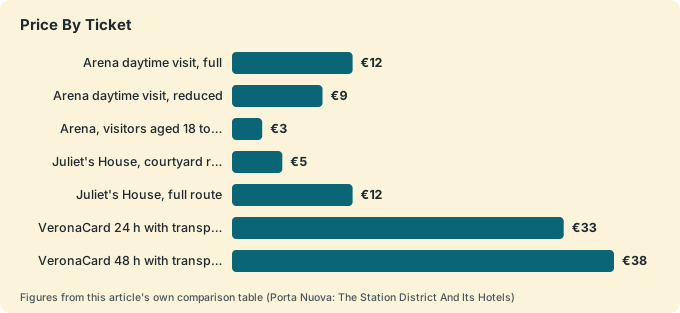
From the station you can sort three things that shape a Verona trip: the Arena daytime visit at 12 euro full or 9 euro reduced, Juliet's House at 5 euro for the courtyard route or 12 euro with the house and balcony, and the digital VeronaCard at 33 euro for 24 hours or 38 euro for 48 hours with ATV transport included, per the Comune di Verona's notices. Those three figures are the current 2026 baseline, and all three changed recently enough that older guides print them wrong.
| Ticket | Price | Notes |
|---|---|---|
| Arena daytime visit, full | 12 EUR | Per the Comune price list |
| Arena daytime visit, reduced | 9 EUR | Groups of 15+, over 65s, concessions |
| Arena, visitors aged 18 to 25 | 3 EUR | EU and reciprocity countries |
| Juliet's House, courtyard route | 5 EUR | Since 1 April 2026, online booking |
| Juliet's House, full route | 12 EUR | Courtyard plus house and balcony |
| VeronaCard 24 h with transport | 33 EUR | Digital since 1 September 2026 |
| VeronaCard 48 h with transport | 38 EUR | Base card without transport: 29 / 32 EUR |
Two cautions from the Comune's own notices. Juliet's House is now booked online and entered via the Teatro Nuovo, not the old courtyard door, and even VeronaCard holders must book a slot. The VeronaCard became digital on 1 September 2026 and is delivered through the "Your Verona" web app; it does not include the Aerobus. The full detail sits in the VeronaCard guide coverage and the Arena guide; for Juliet, see Casa di Giulietta.
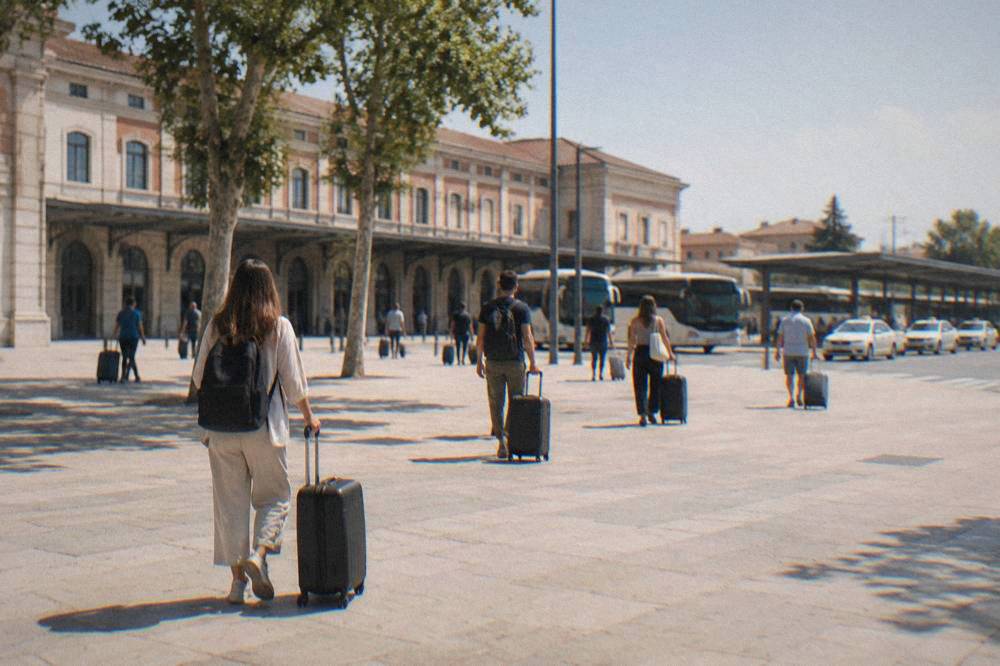
Is The Porta Nuova Area A Good Place To Stay In Verona?
The Porta Nuova area is the practical choice of Verona's districts for rail arrivals and early departures, because it is the one quarter that sits directly against the station and the flat, straight approach into the historic centre, while carrying no sourced safety score, price level or hotel ranking either way. No hotel prices, named hotels or amenity lists are carried on this page, so it names none and quotes no nightly rate; the where to stay in Verona guide compares the quarters by position, which is the only attribute the map supports.
What can be stated plainly is the relation to the old town. The station district lies outside the camera-policed ZTL of the historic centre, which matters if you are driving: non-residents get at most four entries a month into the restricted zone, in bookable windows, while a hotel inside the ZTL can register your plate for free access, per the Comune's ZTL notice. Staying on the station side, or in Citta Antica inside the bend, each has different consequences for parking and arrival.
One lodging cost is certain and worth budgeting: Verona charges a tourist tax, the imposta di soggiorno, per person per night, capped at four nights per person per month, and it is collected by the accommodation at check-in or check-out. The municipal rate table sits in a PDF that was not read here, so print no rate: confirm the amount for your property when booking.
| Verona quarter | Position relative to the station district | Access character |
|---|---|---|
| Porta Nuova area | The district itself | Flat, straight approach to Piazza Bra |
| Citta Antica (old town) | Beyond the Porta Nuova gate, across the avenue | Inside the ZTL; on foot from the station |
| Veronetta | Across the Adige, east side | Left-bank quarter reached through the old town |
| Borgo Trento | North of the centre | Residential, across the Adige loop |
| San Zeno district | West of the centre | Around the basilica, away from the station |
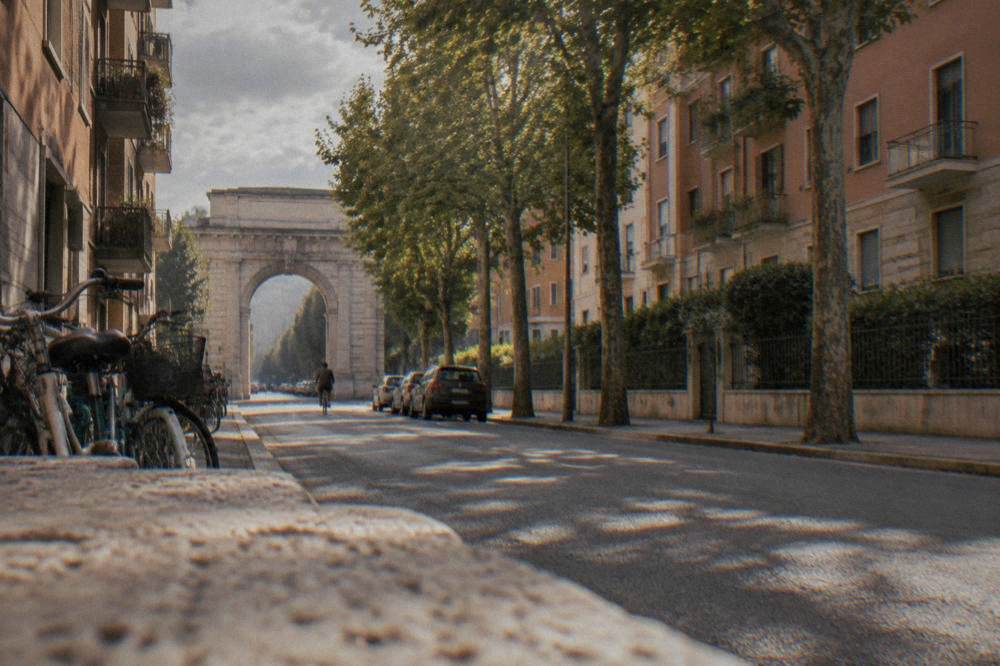
What Should You Know About Driving And Parking Around The Station District?
The station district sits outside Verona's historic-centre ZTL, a camera-enforced limited-traffic zone where non-residents are limited to at most four entries a month by booking, in windows the Comune defines as Monday to Friday 10:00 to 18:00 and 20:00 to 23:00 and, on Saturdays, Sundays and holidays, from 10:00 to 13:30, per the Comune's own ZTL notice. Hotel guests inside the zone drive in free if the hotel registers their plate; short-term rental guests do not get that exemption. Parking on the station side and walking in avoids the whole mechanism.
The ZTL windows matter because the fines are camera-issued. If your accommodation is inside the restricted zone, email the plate in advance and let the property handle registration. If it is outside, as station-district hotels generally are, the question does not arise. Car-park hourly rates for the area could not be confirmed, so check the current price at the car park itself before leaving the car.
For everything on renting a car and the zone rules, the Verona map guide shows the ZTL boundary against the quarters, and the map is the honest way to see how close the station district sits to the line.
How Far Is The Porta Nuova Area From Verona's Main Sights And Day Trips?
The station district is measured from the Arena at roughly the same origin as every other Verona journey: drive times computed over standard routing from Piazza Bra run about 25 minutes to Valpolicella, 33 to Soave, 37 to Bardolino, 40 to Sirmione and 84 to Malcesine, with the airport at 26 minutes. These are free-flow road estimates, computed over OpenStreetMap routing, and rail times were listed earlier in this guide. Inside the city, the sights of the old town from the station side all lie along the one flat axis toward Piazza Bra and then the lanes beyond.
| Destination from the Arena (drive, free-flow) | Approximate time |
|---|---|
| Verona Villafranca airport (VRN) | About 26 minutes |
| Valpolicella (Sant'Ambrogio) | About 25 minutes |
| Soave | About 33 minutes |
| Bardolino | About 37 minutes |
| Sirmione | About 40 minutes |
| Garda (the town) | About 42 minutes |
| Vicenza | About 48 minutes |
| Mantua | About 54 minutes |
| Padua | About 67 minutes |
| Venice | About 85 minutes |
| Malcesine | About 84 minutes |
Note the geography before booking anything: Verona is not on Lake Garda, and Sirmione, the closest famous lake town, is in Brescia province in Lombardy, reached by train via Peschiera or by bus from Verona. The town of Garda is not Riva del Garda, which is in Trentino, 51 km away. Getting the lake towns' positions right is the single most common error in Verona planning, and the Verona map guide settles it visually.
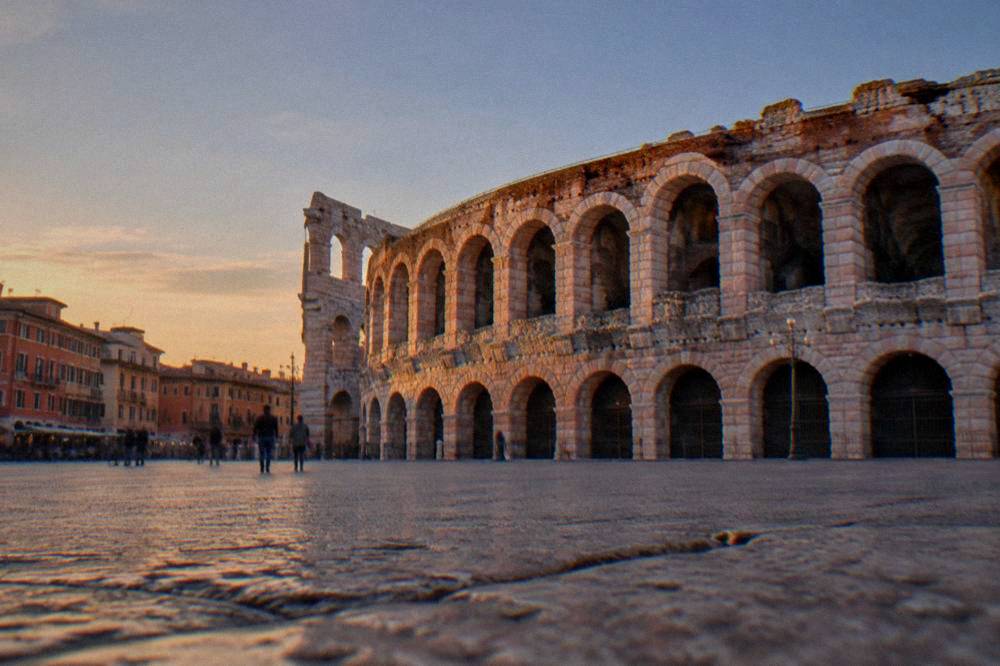
What Is There To See Within Walking Reach Of The Station District?
The station district's own sights are modest, but the flat axis from Porta Nuova into the centre reaches the Arena, Piazza Bra, Piazza delle Erbe, Juliet's House, the Torre dei Lamberti, Castelvecchio and the Roman gate of Porta Borsari without crossing the river, all inside the UNESCO-inscribed old town. The map position is what the record supports, and every one of these sits on the near side of the Adige bend relative to the station.
The practical way to spend a first afternoon from a station-district base is to walk the avenue to Piazza Bra, see the Arena's exterior and decide on the 12 euro daytime visit, then continue through the Piazza delle Erbe market square to Juliet's House, which now needs its online booking whatever ticket you hold. Cross the river for Ponte Pietra, the Teatro Romano and the view from Castel San Pietro, and save Giardino Giusti and the Basilica di San Zeno for a second day; the Torre dei Lamberti and Castelvecchio sit close to the station side of the centre.
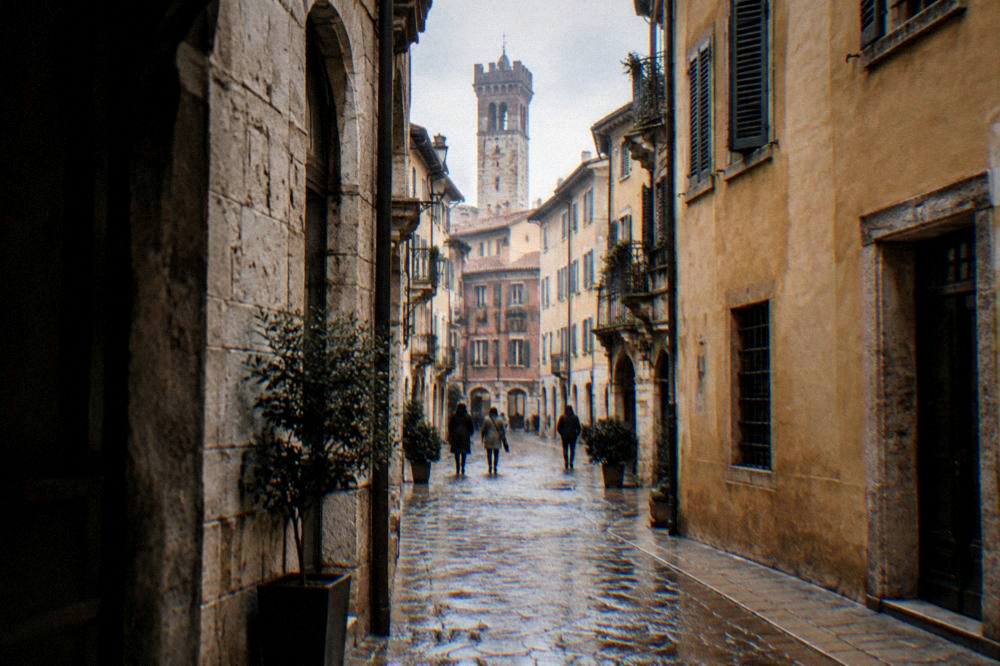
A themed walking tour is a sound way to cover this ground on day one. The Dark Historical Verona Walking Tour takes the city's grimmer stories through the same lanes between the station side and the river, and you can Check availability alongside the site's dark history walk page.
When Is The Best Time To Stay In The Porta Nuova Area?
The mild months for a station-district stay are April to June and September to October, when the ERA5 reanalysis 1991-2020 for Verona shows mean highs of 17.8 to 26.6 C in spring and 23.7 C falling to 18.1 C in autumn, against July and August mean highs of 29.3 and 29.1 C and a January mean low of minus 0.4 C. November carries the heaviest rain in the table at 118 mm, with May at 110 mm and October at 107 mm; January is the lightest at 52 mm. These are modelled climate normals, not a weather-station record, and they are the only climate figures this site prints.
The opera season is the big calendar anchor: the Arena's 2026 season ran 5 June to 12 September, and the 2027 season is announced for 11 June to 11 September. On show nights the Arena closes early to daytime visitors, with last entry 30 minutes before closing, per the Arena's own visitor information. Stone-step seats for opera start in the 30-euro range; check the current sector prices on the Arena's own ticket page before booking. Beyond the festival, Tocati, the street-games festival, ran 18 to 20 September 2026 as a free event, and Vinitaly, the wine fair, fills the city 11 to 14 April 2027, which tightens hotel availability citywide.
| Month | Mean high (C) | Mean low (C) | Rain (mm) |
|---|---|---|---|
| January | 7.3 | -0.4 | 52.3 |
| April | 17.8 | 7.6 | 93.5 |
| July | 29.3 | 19.1 | 79.4 |
| September | 23.7 | 15.1 | 99.7 |
| November | 12.3 | 5.3 | 118.2 |
ERA5 reanalysis, 1991-2020, a modelled grid cell near Verona at about 66 m elevation.
What Should You Book Ahead From The Station District, And What Can Wait?
Book ahead, in this order: Juliet's House (mandatory online booking since 1 April 2026, 5 or 12 euro), opera tickets for the 2027 season (11 June to 11 September, stone steps from the 30-euro range), a VeronaCard if the museum list fits your plan (digital, 33 or 38 euro with transport), and any guided tour with a fixed group size. The Arena daytime visit and the urban buses can wait until the day: the 1.50 euro single is bought on the spot or by app, and the 12 euro Arena ticket is sold at the entrance subject to early closes on show days.
Two products suit a station-district stay particularly well, because they start centrally and finish near the evening's options. A fast-track ticket with audio guide for Juliet's House removes the queue risk at the site whose booking rules changed in 2026, and an evening food tour with dinner, wine and gelato turns the first night into an orientation without needing a restaurant reservation; the site carries a dedicated walking tour overview for the full range.
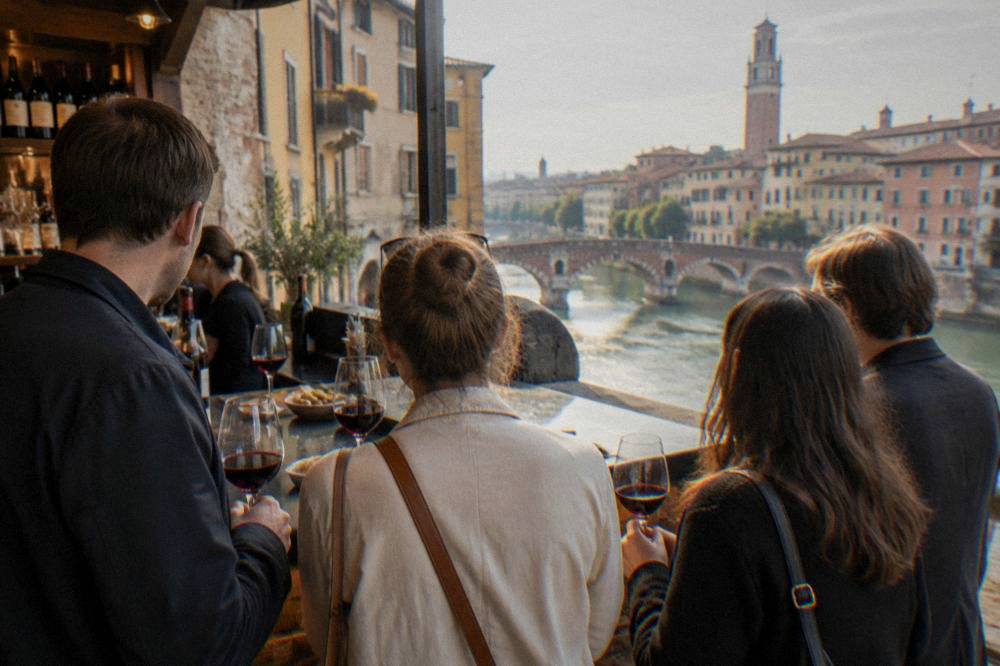
The one thing not to book blind is a hotel rate quoted second-hand. Nightly prices for Verona accommodation were not found in any source used here, and a number copied from another page is a guess. Book with free cancellation where offered, confirm the tourist-tax amount with the property, and let the price show on the operator's live listing at the moment you reserve.
Common Questions About The Porta Nuova Station District
Is Verona Porta Nuova station walkable to the historic centre?
Yes. The station district lies directly against the flat, straight approach to Piazza Bra and the Arena, and the axis from Porta Nuova into the old town involves no bridge or stairway. Exact walking minutes are not given here, so time yourself on the map, but the route is level the whole way.
Does the VeronaCard include the Aerobus from Verona airport?
No. The Comune di Verona's VeronaCard notice lists the card's inclusions, and the Aerobus is not among them. The card is digital since 1 September 2026, at 33 euro for 24 hours or 38 euro for 48 hours with ATV urban buses, or 29 and 32 euro without transport. The reported Aerobus fare is 7 euro; confirm before you travel.
Can I drive to a hotel in the Porta Nuova area?
The station district sits outside the historic-centre ZTL, so arriving by car there does not trigger the limited-traffic rules. Inside the ZTL, non-residents are capped at four entries a month by booking, in defined windows, and hotel guests drive in free only if the hotel registers their plate. Confirm with your property which side of the line it is on.
How much is the tourist tax in Verona?
Verona charges an imposta di soggiorno per person per night, collected by the accommodation, capped at four nights per person per month. The rate varies by accommodation category and is set in a municipal tariff PDF, so confirm the exact amount for your property at booking rather than relying on second-hand figures.
Is there luggage storage at Verona Porta Nuova station?
No operator, fee or position for luggage storage at Porta Nuova is listed here, so this site prints none. Check the station's own services page or ask at your accommodation before planning a storage-dependent arrival or departure day.
Which day trips are easiest from the Porta Nuova area?
Rail day trips run from the station itself, with reported times of 58 to 75 minutes to Venice Mestre and 20 to 40 minutes to the Lake Garda railheads of Peschiera and Desenzano. By road from the Arena, computed free-flow times include about 40 minutes to Sirmione, 25 to Valpolicella and 84 to Malcesine. Confirm timetables before you commit.
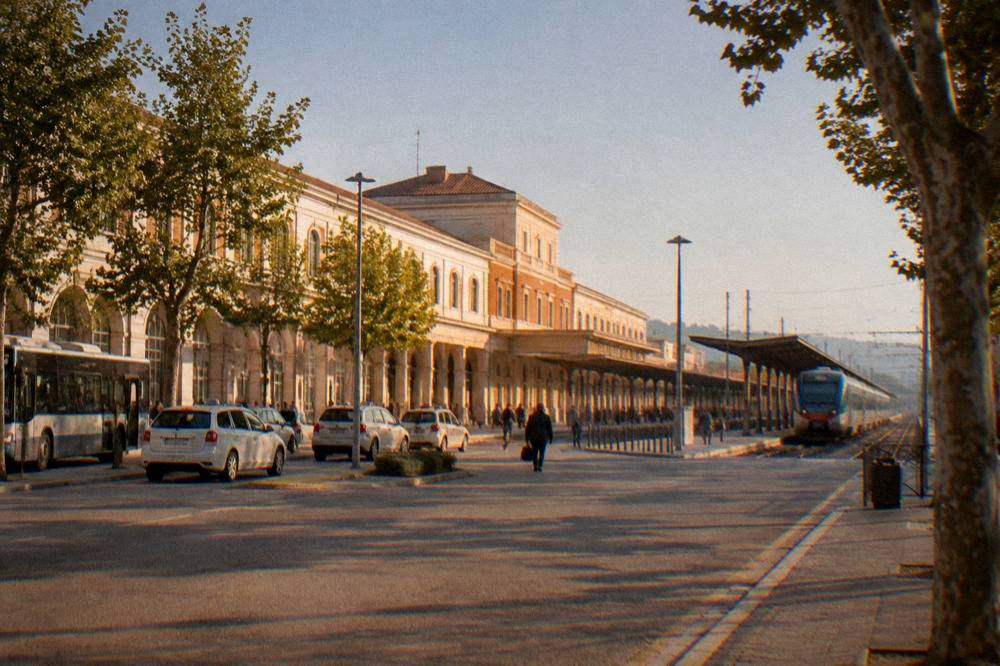
The Porta Nuova area will never be the postcard quarter of Verona; that role belongs to the old town inside the river bend. What it offers is the flat approach, the rail and bus connections, and a base outside the ZTL, all of it one straight avenue from the Arena. Plan around the three 2026 changes, the digital VeronaCard, the ticketed courtyard at Juliet's House and the 12 euro Arena visit, and the station district does its job quietly and well, as this Verona Italy Travel Guide lays out across its district and attraction pages.