Is Juliet's Balcony Real In Verona?
Is Juliet's Balcony real in Verona? The short answer is no: the balcony was added to the Casa di Giulietta in 1940, and Juliet herself never existed. Here is what the sources say.
Verona, in Veneto, northern Italy, sells one of travel's most answerable questions at a ticket office on Via Cappello. The balcony at the Casa di Giulietta is real in the sense that you can stand under it and photograph it, and it is not real in the sense that Juliet Capulet never existed and the balcony was bolted onto a medieval house in 1940. The city's own tourism pages are unusually frank about this, which is exactly why the question deserves a straight answer, sourced to what the Comune di Verona publishes rather than to legend. This page walks through the evidence, the ticketing changes since 1 April 2026, and what is genuinely worth seeing inside the courtyard. For the wider picture of the city, start with Verona Italy Travel Guide and the full Verona attractions overview.
Is Juliet's Balcony Real In Verona?
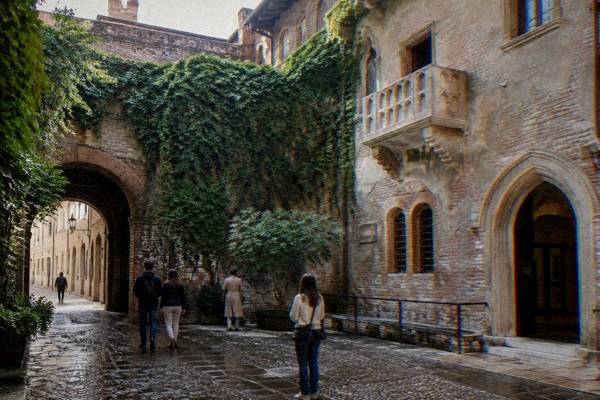
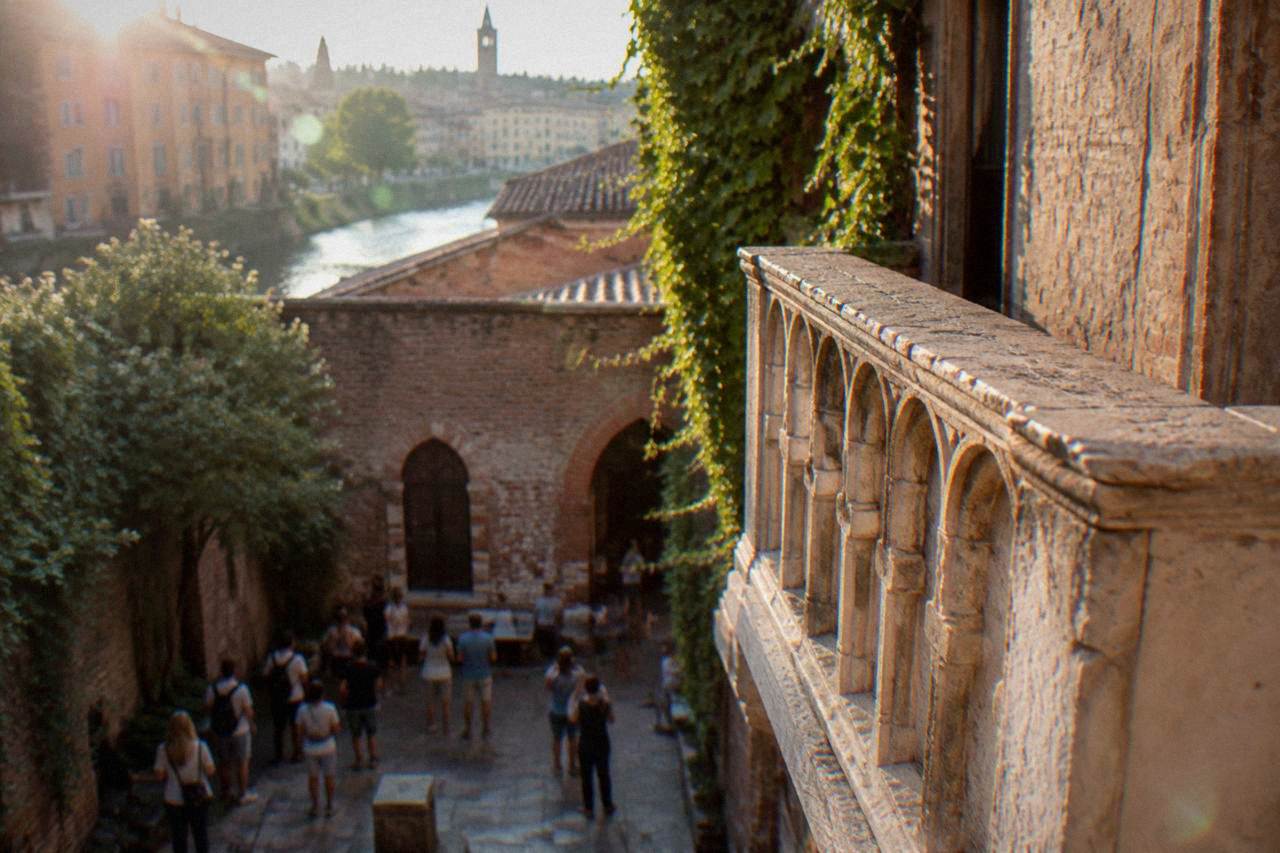
No, the balcony is not a medieval original and Juliet was never a real documented resident of Verona. The city's own tourism material reports that the balcony was added to the Casa di Giulietta in 1940, built from stone taken from an old sarcophagus, centuries after the events the play describes. The house on Via Cappello is genuinely medieval, the courtyard is genuinely old, but the balcony itself is a stage set placed on a real building.
That distinction matters more than it sounds. The house at Via Cappello 23 is a real medieval structure, once owned by the Dal Cappello family, whose name is close enough to Capulet that the association stuck long before anyone thought to add a balcony. What the building did not have, through all those centuries, was a balcony. The stone platform tourists photograph today was assembled and installed in 1940, and the turismo.comune.verona.it page on the courtyard says so plainly: the balcony was made from fragments of a sarcophagus and is not original.
So the honest framing is layered. Is the house real? Yes. Is the courtyard real? Yes. Is the balcony Juliet's? There was no Juliet to own it. Is it old? No, 1940 is more recent than many of Verona's actual Roman and medieval stones by an enormous margin. Visitors who know this going in tend to enjoy the visit more, not less, because the courtyard becomes a piece of theatre history and marketing history rather than a debunked relic.
When Was The Balcony Added To Juliet's House In Verona?
The balcony was installed in 1940, according to the Comune di Verona's own tourism pages, and it was constructed from stone salvaged from a sarcophagus rather than carved for the house. Nothing about it dates to the era of the story. The bronze statue of Juliet in the courtyard is newer still: it was made by the sculptor Nereo Costantini in 1969 and placed in the courtyard in 1972, and a copy has stood there since 2014 while the original is kept inside.
The timeline is worth setting out, because it shows how recently the whole tableau was assembled. The house is medieval. The Cappello name association is old. Everything a camera frames, the balcony and the statue, dates from within living memory of many travellers' grandparents.
| Element of the courtyard | What it is | Date the sources give |
|---|---|---|
| The house on Via Cappello | Medieval building, once owned by the Dal Cappello family | Medieval, name association old |
| The balcony | Stone assembled from an old sarcophagus, added to the facade | 1940, reported by the Comune's tourism pages |
| The bronze statue | Sculpted by Nereo Costantini, placed in the courtyard later | 1969 sculpted, 1972 placed |
| The statue standing today | A copy; the original is kept inside the museum | Copy installed 2014 |
The statue carries its own story. The right breast is polished smooth by the touching custom, which is why the original bronze was retired indoors and replaced. There is a separate page on this site answering why people touch Juliet's statue in Verona if you want the full detail on that particular ritual.
For visitors who want the courtyard explained in context rather than deciphered alone, a guided walk of the city's core covers the Casa di Giulietta alongside the Arena and Piazza delle Erbe: the small-group highlights walk is one option, and there are quicker ticketed ways in below. If the Shakespeare angle is what pulled you to Verona, the long guide to Romeo and Juliet in Verona traces the whole legend, and this trio covers the three most time-sensitive bookings in the historic centre:
How Do You Get Into Juliet's House In 2026?
Since 1 April 2026 the courtyard is no longer free: the courtyard route costs 5 euro, the full house and balcony route costs 12 euro, and both are booked online, with entry routed through the Teatro Nuovo at Piazzetta Navona. Reported opening hours are Monday 14:00 to 19:00 and Tuesday to Sunday 9:00 to 19:00, confirmed by the official VisitVerona notice, so treat old free-courtyard advice as out of date.
This is the single biggest practical change at the sight in years. For decades the courtyard was a free peek and only the house was ticketed, which is why so many older guides describe strolling in at no cost. That era ended on 1 April 2026. The VeronaCard still covers entry, but card holders must also book a timed slot online, the city's VeronaCard notice reports. Check the current arrangements on the official booking channel before you go, because the routing through the Teatro Nuovo is new enough that signage and crowd flow are still settling.
| Ticketed route | Price | What it covers | Source |
|---|---|---|---|
| Courtyard route | 5 euro | The courtyard, balcony view and statue | Official VisitVerona notice |
| Full house route | 12 euro | Courtyard plus the house and the balcony itself | Official VisitVerona notice |
| VeronaCard holders | Covered, booking still required | Same entry, timed online slot still needed | Reported by the Comune's card notice |
Under-5s enter free and disabled visitors with a companion are exempt, per the same city notice. If you are weighing whether the 12 euro full route is worth it over the 5 euro courtyard route, the difference is standing on the balcony itself and seeing the interior rooms and the original statue; the courtyard-only route gives you the classic photograph from below. There is a fuller treatment of the pricing change in is Juliet's courtyard free, and the sight has its own complete page at Casa di Giulietta.
Did Juliet Exist, And Did Shakespeare Ever Visit Verona?
No document places a real Juliet Capulet in Verona, and Shakespeare himself never visited the city, as the local historical guides point out. The story reached him entirely through books: Luigi da Porto wrote the first version and set it in Verona in 1531, Matteo Bandello retold it in 1554, and Arthur Brooke turned it into the 1562 poem that Shakespeare used as his source. Verona was chosen by an Italian writer, not by an eyewitness.
Da Porto's choice of setting was itself literary. He drew on Dante's passing reference to the Montecchi and Cappelletti, two real faction names from northern Italian politics, and built his doomed lovers around them. The families existed in some form; the fifteen-year-old girl who speaks to the night from a balcony did not, at least not in any record the city keeps. Shakespeare then layered Brooke's poem into the play without ever having set foot in Italy, and the resulting fame rolled back onto Verona as a place.
The house on Via Cappello became "Juliet's" through the surname echo, the balcony followed in 1940 to complete the picture, and the city has been honest about the construction while still selling the experience. There are deeper dives on this site into why Shakespeare chose Verona for Romeo and Juliet and whether Shakespeare ever visited Verona, both of which unpack the paper trail.
Where Is Juliet Buried In Verona?
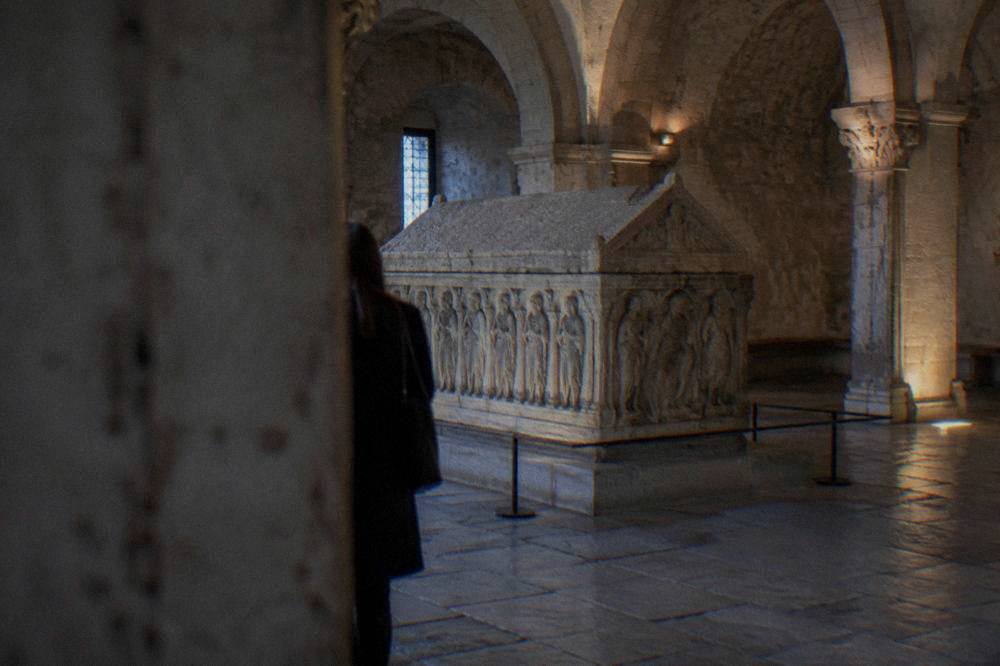
Juliet's Tomb, an empty stone sarcophagus displayed in the former Capuchin monastery of San Francesco al Corso, is the traditional second site of the legend, and the city's museum network lists it as part of the Juliet itinerary. Confirm current hours and the admission fee on the civic museums' own pages before making the walk. The tomb is genuine medieval stonework, though it is no more Juliet's than the balcony is.
The sarcophagus was for centuries an open-air curiosity that travellers could walk up to; it now sits inside the monastery complex, which also houses fresco collections. Because the hours and pricing may change, the practical advice is simply to check the civic museums' site the week you travel. The sight has its own page at Juliet's Tomb with the background, and it pairs naturally with Piazza dei Signori, a short stroll away, if you are building a walking loop of the legend's landmarks.
Is The Balcony Worth Seeing If It Is Not Real?
The courtyard remains one of Verona's most visited enclosed spaces precisely because the legend, not the stonework, is the attraction, and the 5 euro courtyard route is a fair price for a piece of literary stagecraft in a genuinely medieval setting. Travellers who arrive expecting a relic are disappointed; travellers who arrive expecting a set built around a centuries-old story generally are not. Decide which of those you are before buying the 12 euro full route.
If the answer is yes, book the timed slot early in the day. If the answer is a shrug, Verona has an embarrassment of alternatives that need no legend at all: the Arena di Verona is a real first-century Roman amphitheatre you can visit by day, and the question of whether the Verona Arena is older than the Colosseum has a yes attached to it. These three picks cover the courtyard, the table and the amphitheatre in one sweep:
Common Questions About Juliet's Balcony In Verona
Is Juliet's Balcony Real In Verona?
No. The city's tourism sources report the balcony was added to the medieval house in 1940, built from sarcophagus stone, and Juliet herself is a literary character with no documented historical existence in Verona.
Can you stand on Juliet's balcony?
Yes, on the 12 euro full house route, which includes access to the balcony itself. The 5 euro courtyard route lets you view and photograph the balcony from below.
Is Juliet's courtyard free since 2026?
No. Since 1 April 2026 the courtyard costs 5 euro, or 12 euro with the house and balcony, booked online, with entry via the Teatro Nuovo. Free courtyard access is a thing of the past.
Whose house was it really?
A medieval family called the Dal Cappello owned the house, and the closeness of their name to Capulet attached the legend to the building. The family was real; the play's characters were not.
Is the bronze Juliet statue original?
The statue standing in the courtyard today is a 2014 copy. Nereo Costantini's original bronze, sculpted in 1969 and placed in the courtyard in 1972, is kept inside the museum to protect it from weather and touching.
Do VeronaCard holders need to book Juliet's House?
Yes. The card covers entry but does not remove the online booking requirement, the Comune's VeronaCard notice reports, so reserve a timed slot even with the card.
The balcony is a prop, the house is real, the story is older than the stone it stands on, and the ticket queue in 2026 is realer than all of it combined. Book online, enter through the Teatro Nuovo, and enjoy one of the few places where a city openly tells you the legend is built and sells you the tour anyway.