Bologna Day Trip From Verona: Porticoes And Food
Bologna sits about 109 km south of Verona by straight line, and the pairing appeals for one reason above all: Verona gives you the Arena and the Adige, Bologna gives you a city whose reputation runs through its kitchens and its porticoed streets.
Short answer
Bologna is about 109 km south of Verona in a straight line, reachable as a day trip by train from Verona Porta Nuova; exact schedules and fares should be confirmed at booking.
Verona, in Veneto, northern Italy, makes an unusually generous base for day trips: an inland city on the Adige with the Arena, the Valpolicella hills and Lake Garda all around it, and a rail hub at Porta Nuova that puts other cities within reach. Bologna, about 109 km to the south by straight line from the centre of Verona, is one of those cities. Its reputation rests on two things the approved title of this page names plainly: porticoes and food. What this page can and cannot say is set by the sources: the distance figures are computed, the Verona-side logistics are documented, and anything about Bologna's own sights, opening hours or menus that a primary source has not supplied stays out, with a note to confirm locally instead.
Is A Bologna Day Trip From Verona Realistic?
Yes, as a long day trip: Bologna lies about 109 km south of Verona by straight line, and the route is served by trains from Verona Porta Nuova, so check current schedules and fares at booking. The straight-line distance is the one figure the routing data supplies; everything else about the connection should be confirmed on the operator's own channels before travel.
For comparison, Venice is reported at 1 hour to 1 hour 15 by train from Porta Nuova, and Bologna sits in the same southbound corridor.
That comparison matters because day-trip planning from Verona is really a question of corridors. West of the city lie the Lake Garda towns: Sirmione, Bardolino, Garda and Malcesine, at 22 to 39 km, all covered in the Sirmione and Lake Garda guide. North lie the Valpolicella hills, about 25 minutes by road. South and west lie the art cities on rail: Venice, Padua, Vicenza, Mantua and, further on, Bologna. Each corridor has its own rhythm, and a Bologna day means committing to a rail day rather than a lazy morning.
The honest framing is that Bologna is a food-and-street city, not a single-monument city. Where Verona organises a visit around the Arena, Juliet's House and a compact UNESCO-listed core, Bologna rewards walking under cover, eating in waves, and dipping into churches and towers as they appear. Visitors who want a tightly scripted monument day may prefer Venice or Padua; visitors who want to eat well and walk far will find the pairing works.
One Verona-side caution belongs here. If the Bologna day starts early, the logistics of getting to Porta Nuova matter: the urban bus single is 1.50 euro for 90 minutes, per ATV's own fare page, and the Aerobus from the airport is a separate product. And if the day trip is paired with a car, note that Verona's own historic centre is a camera-policed ZTL, so a rental car is best collected and returned outside the restricted zone, as the Verona driving and parking notes explain.
A day trip south also frees the Verona evenings for the things that need evening slots: an opera night at the Arena, or the moonlit walks the city is known for. Splitting the region that way, food city by day, opera city by night, is a pattern the sources support without strain.
How Far Is Bologna From Verona Compared With Other Day Trips?
Bologna lies about 109 km south of Verona by straight line, which puts it beyond the lake towns (22 to 39 km west), beyond the wine hills (Valpolicella about 25 minutes by road) and beyond the closer art cities of Vicenza (about 48 minutes by road) and Mantua (about 54 minutes), in the same outer ring as Padua (about 67 minutes) and Venice (about 85 minutes). All road times are computed free-flow routings, not timetables, and the Bologna figure is a straight-line distance only.
The table below gathers every distance and time the routing data supplies for Verona day trips. Note what it does and does not contain: drive times exist for the destinations the routing engine covered, a straight-line distance exists for Bologna and Brescia, and rail times are reported only for Venice. Nothing else should be treated as a fact.
| Day trip from Verona | By road (computed, free-flow) | Straight line | By train (reported) |
|---|---|---|---|
| Valpolicella (Sant'Ambrogio) | about 25 min | 21 km | not in the data |
| Soave | about 33 min | 33 km | not in the data |
| Vicenza | about 48 min | 65 km | not in the data |
| Mantua | about 54 min | 59 km | not in the data |
| Padua | about 67 min | 93 km | not in the data |
| Venice | about 85 min | 122 km | 1 h to 1 h 15 from Porta Nuova |
| Bologna | not in the data | 109 km | confirm at booking |
| Lake Garda towns | Sirmione 40, Bardolino 37, Garda 42, Malcesine 84 min | 22 to 39 km | not in the data |
Two readings of that table are useful. First, Bologna is at the far edge of comfortable day-trip range: the cities within an hour by road (Vicenza, Mantua) forgive a late start; the outer ring does not. Second, the lake towns are simply closer, which is why Lake Garda and its eastern shore, Bardolino and Peschiera del Garda, dominate the short-trip conversation, while Bologna belongs to the rail-first group with Venice and Padua.
The comparison with Venice is the one travellers actually weigh, and there is a sibling page devoted to it: which is nicer, Verona or Bologna? The short version this page can support: Venice is closer by train, Bologna is a food destination, and neither comparison needs a superlative to be decided. If the question is whether both can share one itinerary, that is a different calculation, and the one-day pairing question is examined for Venice in can you do Verona and Venice in one day.
For triage: first-time visitors to the region usually secure Verona's own core first, and the one-day Verona itinerary is the template. Bologna then enters the plan on the second or third day, once the Arena, Juliet's House and the piazzas are banked.
What Should A One-Day Bologna Plan Look Like?
A sensible Bologna day from a Verona base runs on three anchors: an early start south, a long midday built around eating rather than monuments, and an afternoon of portico walking between the central squares, with no pre-booked sight required except anything a visitor specifically wants locked in. Because no Bologna sight hours, prices or names appear in this site's sources, the plan below sticks to structure, not specifics, and every Bologna-side detail should be confirmed locally on the day.
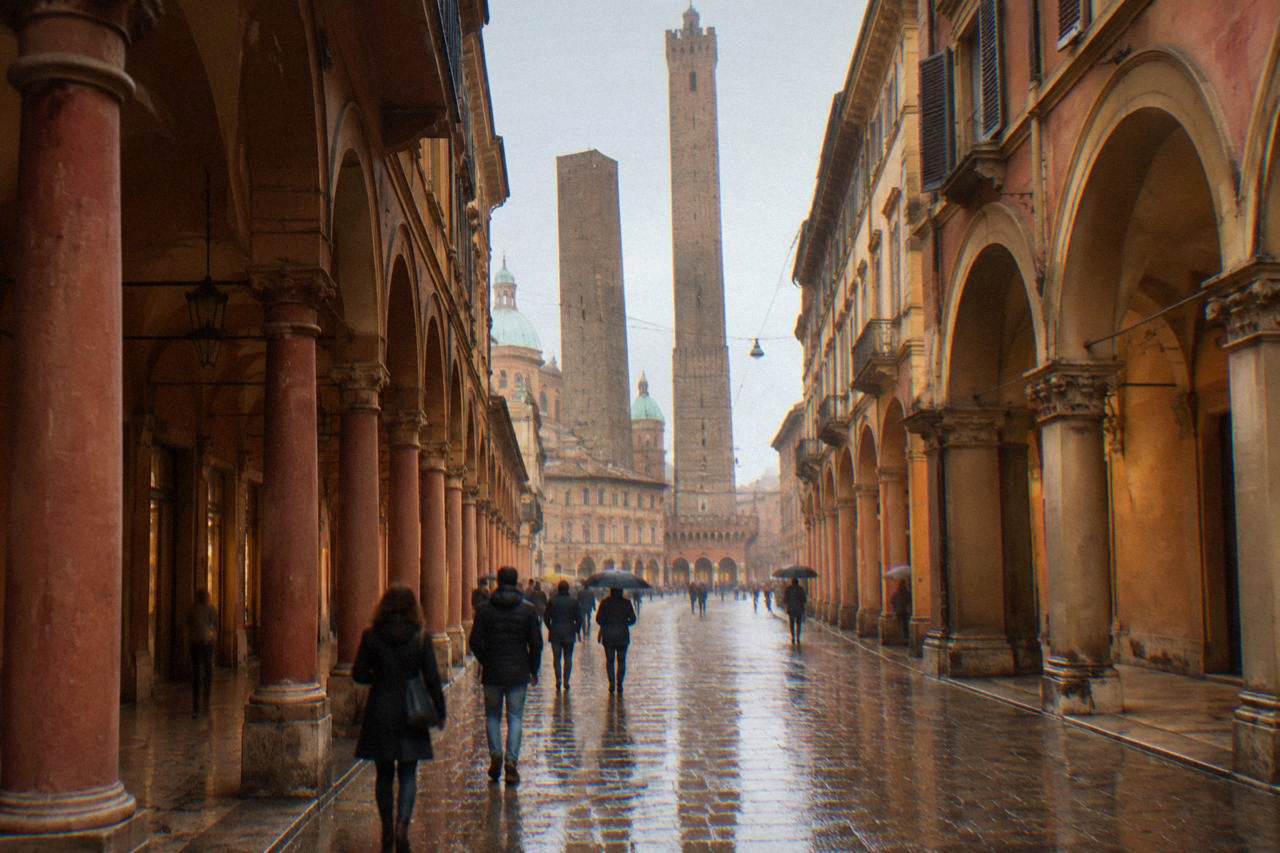
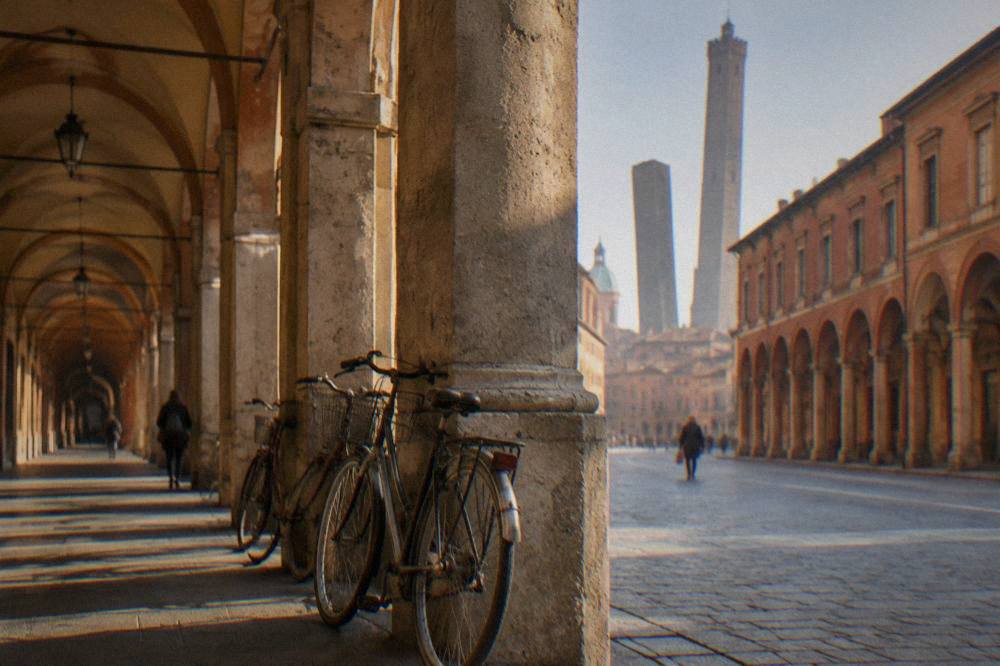
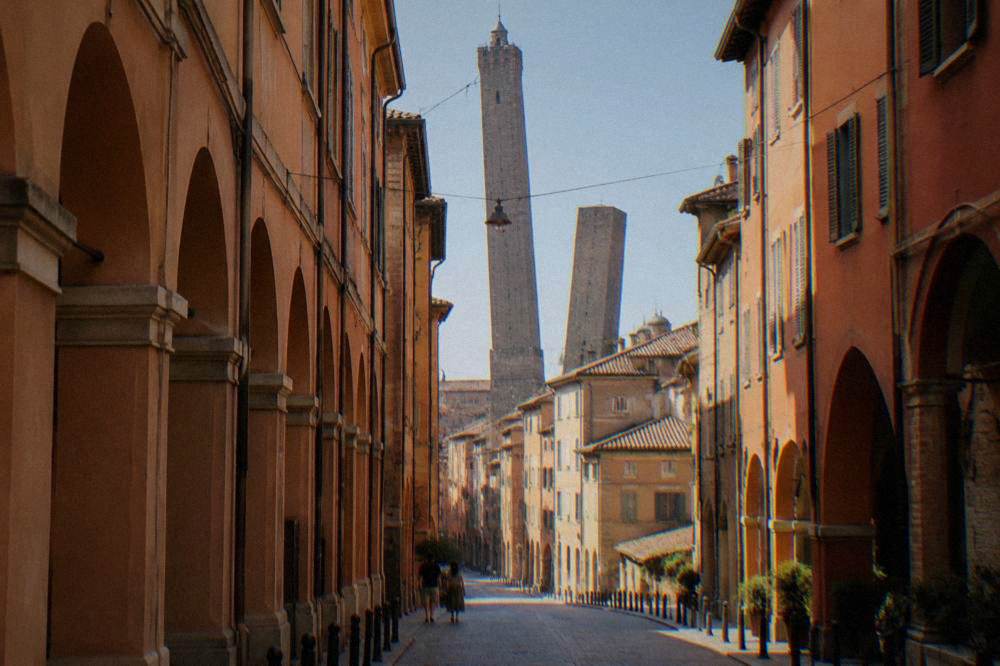
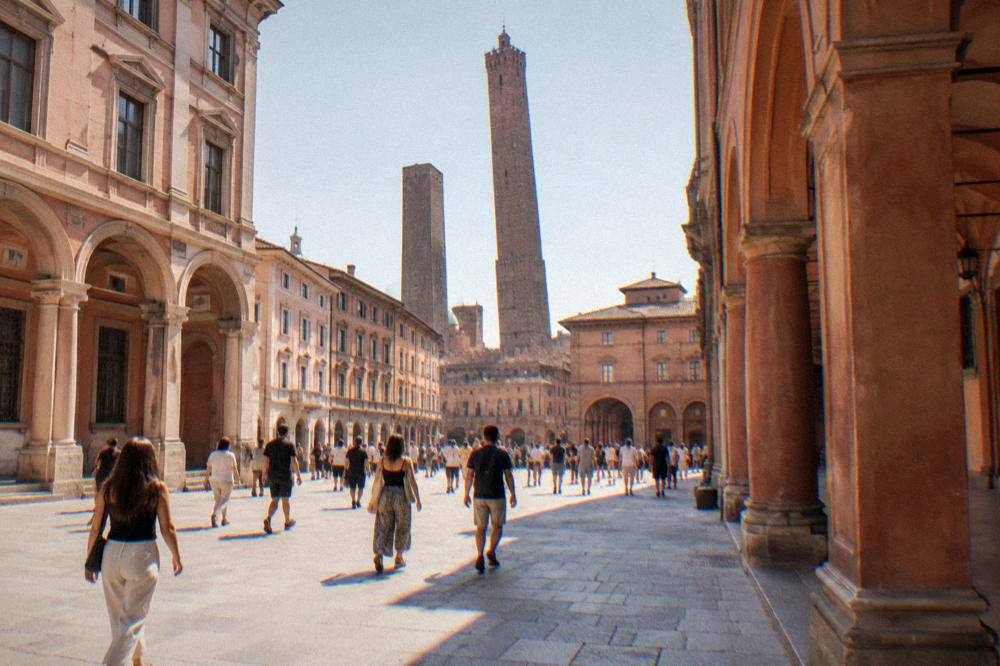
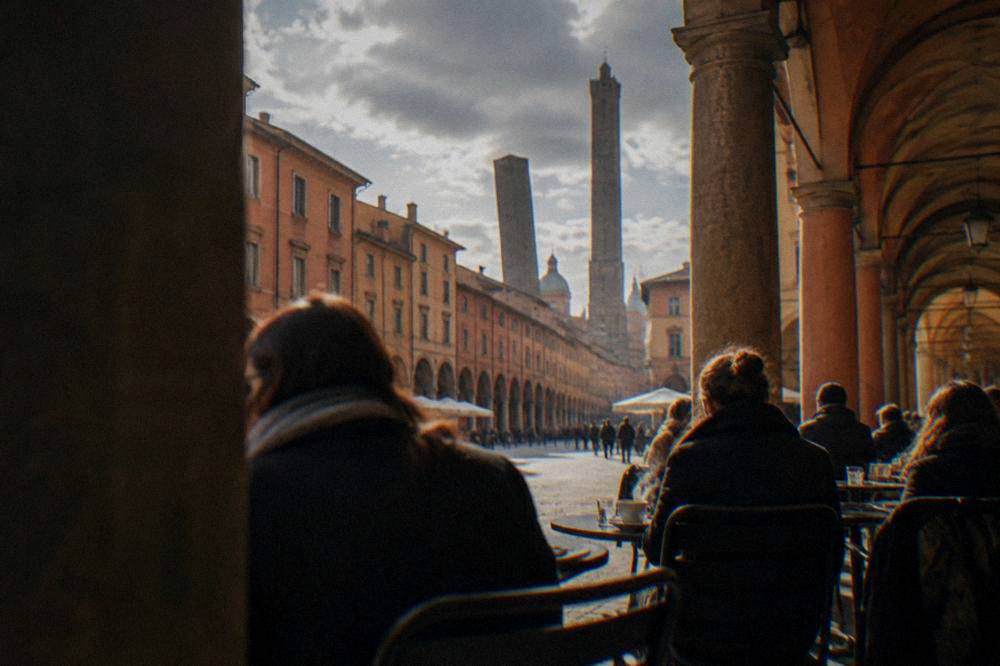
The porticoes deserve their place in the title. Bologna's streets are arcaded for kilometre after kilometre, which changes the mechanics of a day trip: rain matters less, shade is built in, and walking between quarters stops feeling like distance. A first visit can be organised around the main squares and the streets that link them, letting the arcades set the pace. What this page will not do is name towers, churches or leaning structures with heights, dates or ticket prices, because those figures are not in the sources.
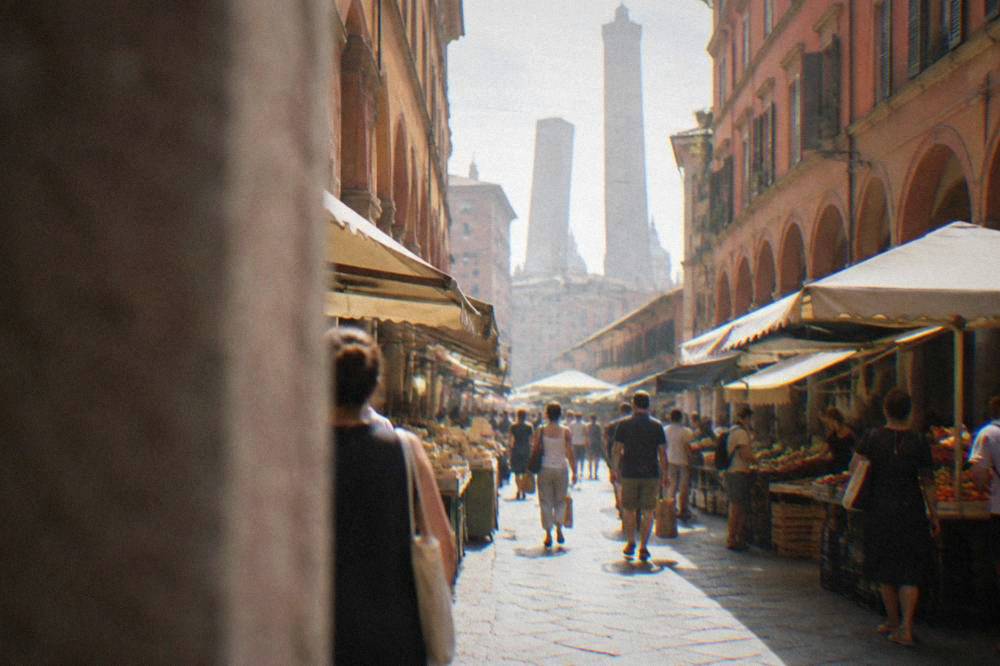
Food is the second anchor, and Bologna's food reputation is the reason the pairing with Verona works so well. Verona's own table is documented in the sources: pastissada de caval, risotto all'Amarone, bollito with pearà, gnocchi, and pandoro as the reported Verona sweet, all covered in what to eat in Verona. Bologna's table is the classic Emilian one, and the city's markets and counters are the natural way into it. Restaurant names, star counts and menu prices are outside what the sources permit this site to print, so the practical advice is blunt: eat where the queues are local, confirm opening days, and treat lunch as the day's fixed appointment.
| Verona table (sourced) | Bologna table (general reputation, confirm locally) | How to fit both in one trip |
|---|---|---|
| Pastissada de caval, horse meat stew | Fresh egg pasta, meat sauces | One dish family at the Verona base, one in Bologna |
| Risotto all'Amarone | Stuffed pastas | Rice in Verona, pasta in Bologna |
| Bollito with pearà | Cured pork products | Both are cold-weather dishes |
| Gnocchi, often with the stew | Mortadella and bread counters | Snack-scale eating travels well on a day trip |
| Pandoro, a reported Verona sweet | Sweet bakery items | Seasonal, around the winter holidays |
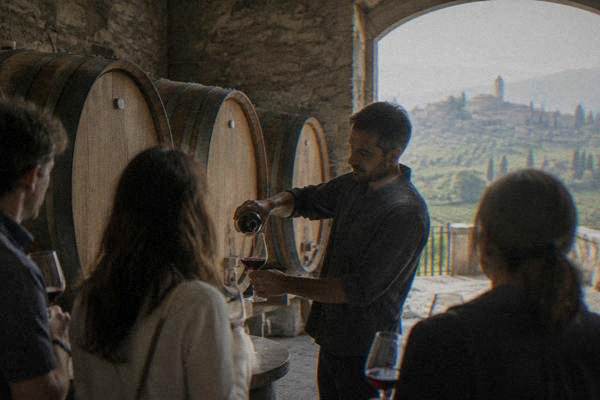
The third anchor is restraint. A day trip that tries to eat Bologna and see it fully ends up doing neither. The sources support a rhythm rather than a checklist: arrive, walk one long arcade route, eat the long lunch, walk a second route past the main squares, and take an afternoon train back in time for Verona's evening. Visitors who want a guided structure around Verona's own food culture can look at the Verona food tour options, and the truffle hunting and lunch experience listed below is the region's strongest food-day format; Bologna then covers the Emilian side of the ledger on a separate day.
Families should weigh the plan honestly. A food-led city day is harder with small children than a lake day; the Garda towns or the family itinerary in Verona with kids absorb energy better, and Bologna rewards visitors who can walk and sit at length. That is a planning judgement, not a verdict on the city.
What Does The Journey From Verona To Bologna Involve?
The journey runs from Verona Porta Nuova station by train, and the only figure the available sources attach to this specific route is the straight-line distance of about 109 km; no reliable timetable duration, fare or frequency exists for Verona to Bologna, so travellers should confirm current times and prices with the rail operators at booking.
What the sources do verify is the Verona end: Porta Nuova is the city's rail hub, the urban bus single to reach it is 1.50 euro for 90 minutes per ATV, and Venice, for comparison, is reported at 1 hour to 1 hour 15 by train.
Porta Nuova sits just south of the historic centre, outside the ZTL ring, which makes it the natural assembly point for any rail day trip. The station district has its own character, covered in this site's station-area guide, and the walk or short bus ride from the centre is simple. Ticketing, seat reservations and the split between high-speed and regional services on the Bologna route are all matters for the operators' own channels; this site prints no fare for the journey.
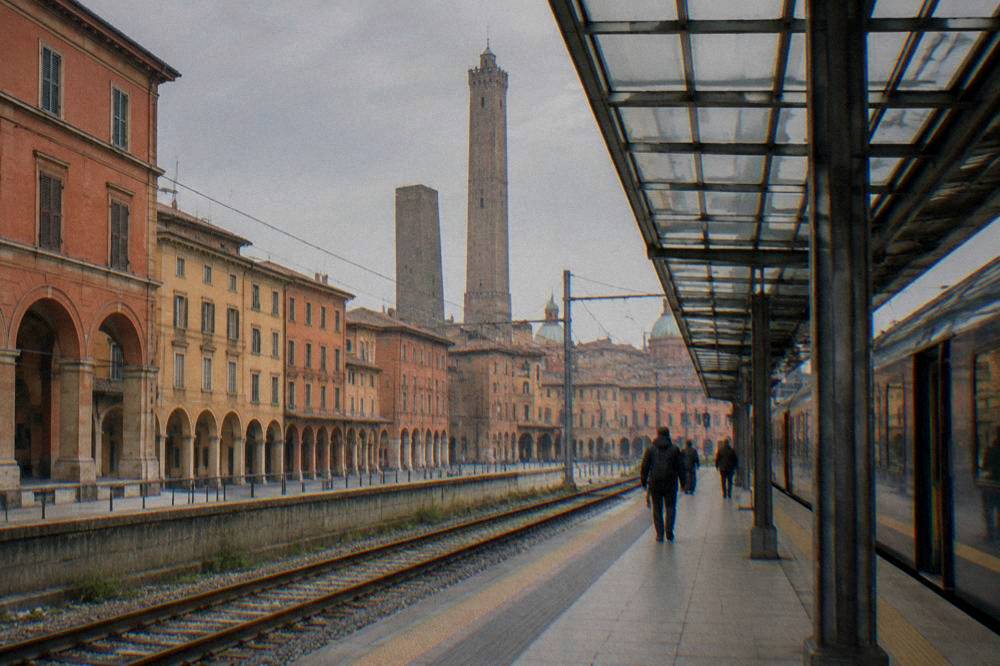
For anyone assembling the wider rail map from Verona, here is what the sources support, with the same caution that reported figures carry attribution:
| Rail route from Verona Porta Nuova | Reported time | Status in the sources |
|---|---|---|
| Venice (Mestre) | 58 to 75 min | reported, confirm at booking |
| Milano Centrale | 1 h 15 to 1 h 50 | reported, confirm at booking |
| Rome | about 3 h to 3 h 30 | reported, confirm at booking |
| Bologna | no verified figure | confirm schedules and fares with the operator |
The driving option is worth one paragraph only. A traveller set on driving should route it themselves and remember two Verona-side constraints: the historic-centre ZTL with its four-entries-a-month limit for non-residents, and the general advice to park outside the restricted zone. For the closer art cities the car is more competitive; for Bologna the train is the default answer.
Returning to Verona, the evening options are a quiet compensation for a long day: the ERA5 reanalysis, 1991-2020, puts July mean highs at 29.3 C and January mean lows at -0.4 C, so in summer a late train back lands in cooled evening air, and in winter the portico city and the opera city are both at their coziest indoors.
How Does A Bologna Day Fit A Wider Verona Itinerary?
A Bologna day fits best as the rail day of a three-or-four-day Verona itinerary: days one and two cover Verona's own core and a wine or lake half-day, day three takes the train south to Bologna, and any remaining day goes to Lake Garda or the Valpolicella hills. The itineraries this site publishes support that shape: one, two and three days in Verona exist as separate guides, and the day-trip roster from the city spans lakes, wine hills and art cities in every direction.
The reason to sequence Bologna mid-trip is energy, not distance. Verona's core rewards full days: the Arena by daylight, Juliet's House with its ticketed courtyard, Piazza delle Erbe, the Torre dei Lamberti. Those need unhurried mornings. Bologna, by contrast, is a single-purpose day, out early, back for dinner, and it slots between the Verona days without disturbing them. The three-day Verona itinerary is the natural frame, extended by a day for Bologna itself.
The budget picture is asymmetric in a useful way. Verona's own entry prices are documented and modest: the Arena daytime visit at 12 euro full, Juliet's courtyard at 5 euro or 12 euro with the house since 1 April 2026, and the digital VeronaCard at 33 euro for 24 hours or 38 euro for 48 hours with ATV transport since 1 September 2026. A Bologna day adds mostly transport and food, and its sight costs are unknown to this site's sources. That asymmetry argues for buying Verona's tickets in advance and leaving Bologna flexible.
| Verona sight or pass | Price in the sources | Booking note |
|---|---|---|
| Arena daytime visit | 12 euro full, 9 reduced, 3 for ages 18 to 25 from EU and reciprocity countries | closed Mondays per report; early close on show days |
| Juliet's courtyard route | 5 euro | ticketed since 1 April 2026, online booking |
| Juliet's house and balcony route | 12 euro | same online booking, entry via Teatro Nuovo |
| VeronaCard with transport | 33 euro (24 h), 38 euro (48 h) | digital since 1 September 2026 |
| VeronaCard without transport | 29 euro (24 h), 32 euro (48 h) | does not include the Aerobus |
| Urban bus single | 1.50 euro, 90 minutes | per ATV's fare page |
That table is Verona-heavy by design, and it is the honest version of a day-trip budget page: the Verona figures are documented, the Bologna ones are not, and pretending otherwise is how guidebooks go wrong. The same discipline applies to food budgets: this site prints no meal or coffee prices for either city, because the sources carry none.
When Is The Best Time Of Year For A Bologna Day Trip From Verona?
The shoulder months, April to June and September to October, are the sound answer: the ERA5 reanalysis for Verona, 1991-2020, shows mean highs of 17.8 C in April, 26.6 C in June, 23.7 C in September and 18.1 C in October, with November the wettest month at 118.2 mm of rain, and porticoed walking plus long lunches suit those temperatures better than the July and August mean highs of 29.3 C and 29.1 C.
Winter works too, with January mean highs of 7.3 C, provided lunch is indoors, which in Bologna it usually is.
The calendar of Verona-side events should shape the choice as much as the thermometer. The Arena opera season ran 5 June to 12 September in 2026, and the 104th edition is announced for 11 June to 11 September 2027; a Bologna day should not collide with an opera night already booked, since both are evening-commitment days in different directions. Vinitaly, the Verona wine fair, runs 11 to 14 April 2027 and fills the city's hotels, which is a reason to schedule a Bologna day then or avoid the week entirely.
| Month | ERA5 mean high (C) | ERA5 rain (mm) | Day-trip note |
|---|---|---|---|
| April | 17.8 | 93.5 | Vinitaly week fills Verona, 11 to 14 April 2027 |
| May | 22.3 | 109.7 | long days, lake alternatives in season |
| June | 26.6 | 92.3 | opera season under way from mid-June |
| July | 29.3 | 79.4 | hot; porticoes and long lunches help |
| August | 29.1 | 84.1 | peak heat, city quieter in weeks around mid-August |
| September | 23.7 | 99.7 | opera runs to mid-September, then calm |
| October | 18.1 | 107.2 | food season, cooler arcades |
| November | 12.3 | 118.2 | wettest month in the record; indoor eating |
Spring deserves a special mention for one pairing: a Bologna food day and a Valpolicella wine day make a two-day gastronomy block from a single Verona base, with Valpolicella covering the Amarone side. Autumn reverses the emphasis, with truffle season making the truffle-hunting experience below a strong companion to an Emilian lunch day. The seasons, in short, do not decide whether Bologna works, only which meal leads.
What Are The Alternatives If Bologna Does Not Fit?
If the distance or the rail schedule defeats a Bologna plan, the closer alternatives from Verona are Mantua (about 54 minutes by road), Vicenza (about 48 minutes), Padua (about 67 minutes) and Venice (1 hour to 1 hour 15 by train, reported), each an art city reachable with less commitment, while the food-and-countryside appetite Bologna would have satisfied can be met by the truffle hunting and lunch experience in the Verona hills or a Valpolicella winery half-day, both of which need no train at all.
The lake towns are the other fallback, and they are the cheapest in travel time: Sirmione at 40 minutes by road, Bardolino at 37, the town of Garda at 42, Malcesine at 84, all computed free-flow. A Garda day trades the food city for swimming water and ferry decks, and the Sirmione guide covers the strongest of them. Families and hot-weather days point that way.
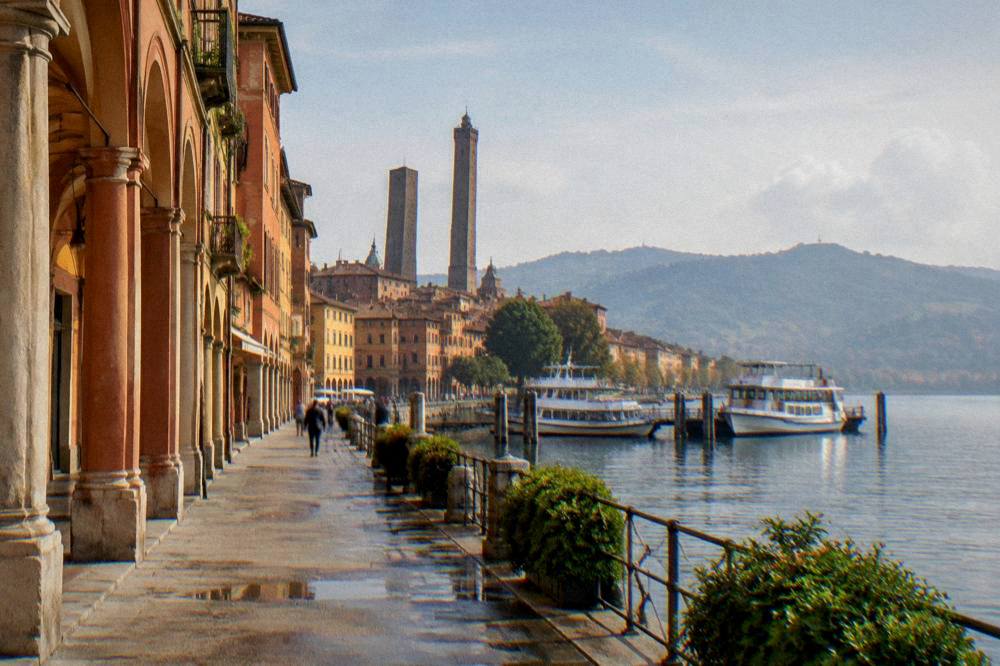
For the traveller whose real interest was Bologna's food rather than Bologna itself, the region around Verona answers well. The truffle hunting and lunch experience runs in the Verona countryside; the Madonna della Corona day trip takes a cliffside shrine and Monte Baldo into one outing; and the multi-stop Garda tour that this page features covers Sirmione, Desenzano and Borghetto in a single day, with a boat leg and tastings. If a southbound food city still calls, Padua, Vicenza and Mantua are the shorter-haul art cities, and the Verona-versus-Bologna question has its own page.
Common Questions About A Bologna Day Trip From Verona
How far is Bologna from Verona?
About 109 km south by straight line from the centre of Verona, per the computed routing data. No road time or rail time for this exact route appears in this site's sources, so confirm schedules and fares with the operators at booking.
Can you do Bologna as a day trip from Verona?
Yes, as a long rail day built around eating and portico walking rather than a monument checklist. The sources support the structure of the day, not specific Bologna sight hours or prices, so keep the plan flexible and confirm locally.
Is Bologna or Venice the easier day trip from Verona?
Venice is closer: reported at 1 hour to 1 hour 15 by train from Porta Nuova, against a straight-line 109 km for Bologna with no rail time on record. Bologna is the food-led choice; Venice is the closer one.
What should you eat on a Bologna day trip?
The Emilian classics: fresh egg pasta, meat sauces, cured pork and mortadella. This site prints no restaurant names or menu prices for Bologna, so follow local queues and confirm opening days.
When is the best time of year for a Bologna day trip from Verona?
April to June and September to October, per the ERA5 reanalysis, 1991-2020, for Verona: mean highs of 17.8 C in April and 18.1 C in October, against 29.3 C in July. Avoid clashing with a booked Arena opera night, since both are full-day commitments.
Do you need to book Bologna sights in advance?
No Bologna admission price or booking rule appears in this site's sources. Confirm arrangements locally or at booking; the tickets worth pre-booking for this itinerary are Verona's own, such as the Arena daytime visit and Juliet's House, which has required online booking since 1 April 2026.
Whether the Bologna day happens or not, the Verona base carries the trip: an inland city on the Adige with the Arena, a ticketed Juliet's courtyard, and Lake Garda and the Valpolicella hills within the hour, which is precisely why a food city 109 km south can be added or swapped at the last minute without unravelling anything. That flexibility, more than any single dish or arcade, is what the Verona Italy Travel Guide is built to help you plan.