Three Days In Verona: Adding Lake Garda Or Valpolicella
Three days is enough for Verona's historic centre plus one day trip into the Lake Garda shore or the Valpolicella wine hills.
Short answer
Spend day one on the Arena, Juliet's House and the Piazza delle Erbe quarter, day two on a Lake Garda or Valpolicella day trip, and day three on the left-bank Veronetta quarter, Castelvecchio and an opera or evening walk. Book Juliet's House online and check the Arena's own ticket page before you go.
Verona sits inland on the Adige river in Veneto, northern Italy, and three days is the comfortable span in which the Roman Arena, the Juliet quarter and one proper day trip into the Lake Garda shore or the Valpolicella wine hills all fit without rushing. The city's historic centre has been a UNESCO World Heritage Site since 2000, and it is compact enough that the first day covers the core on foot, while the second and third days open outward. This itinerary follows that shape, with the 2026 ticket changes at the Casa di Giulietta and the Arena marked where they change the plan.
How Should You Structure Three Days In Verona?
The cleanest split for three days in Verona is one full day inside the historic centre, a second day on a single day trip to Lake Garda or the Valpolicella hills, and a third day back in the city for the left-bank Veronetta quarter, Castelvecchio and an evening event. Verona is not on Lake Garda: the lake towns are 22 to 39 km away, so the lake is a deliberate outing, not a stroll after dinner.
That structure exists because of geography rather than preference. The Adige bends through the centre in a tight loop, and everything from the Arena to Piazza delle Erbe to Juliet's House sits inside that loop, walkable end to end. The lake shore and the wine hills start about 25 to 40 minutes out by road, and each rewards half a day on its own. Cramming the lake and the hills into one day leaves both as drive-bys.
Two or three days is also the span the city rewards with a slower rhythm. Two days works, and the two-day Verona itinerary covers the tighter version, while a wider overview lives on the things to do in Verona page. With a third day you can add either the lake or the Amarone country, which is exactly the choice this itinerary frames on day two.
What Should Day One In Verona Cover?
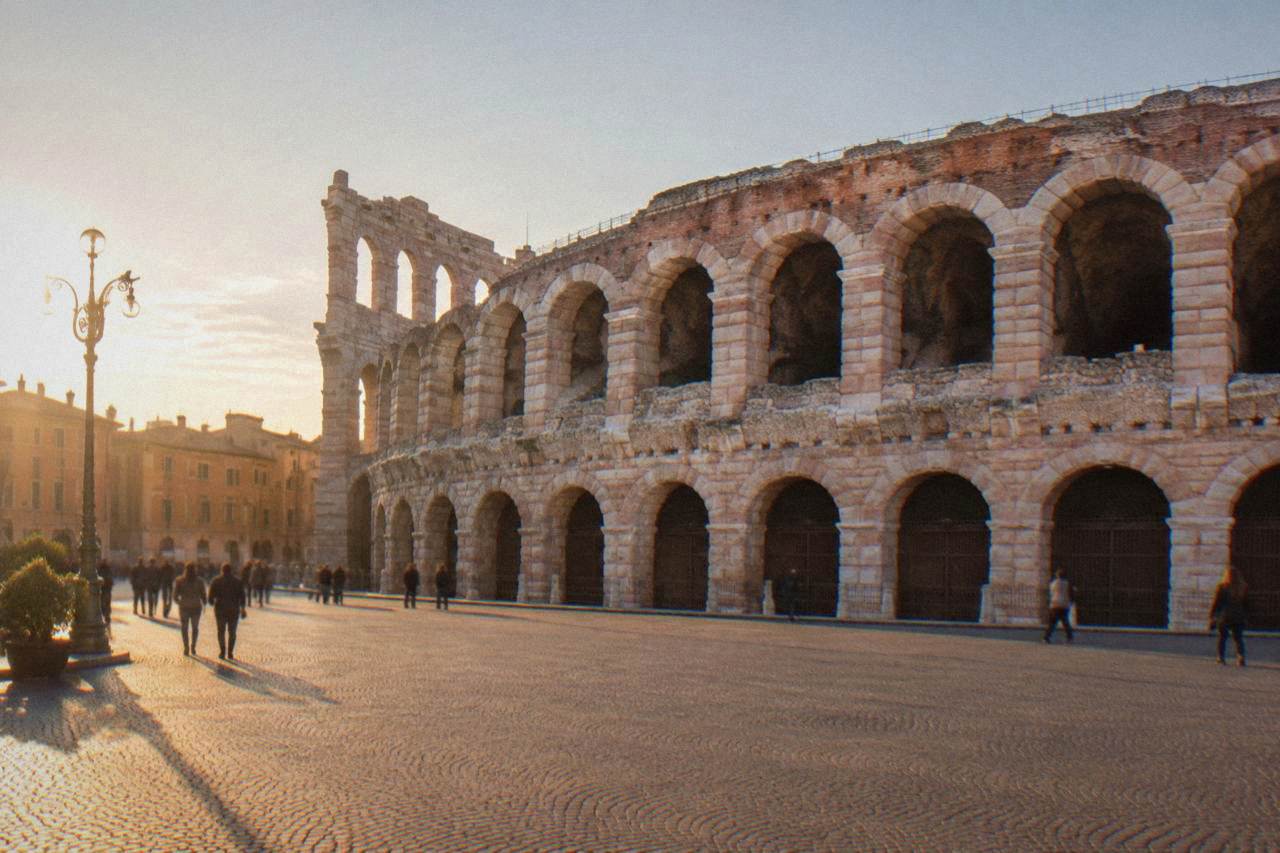
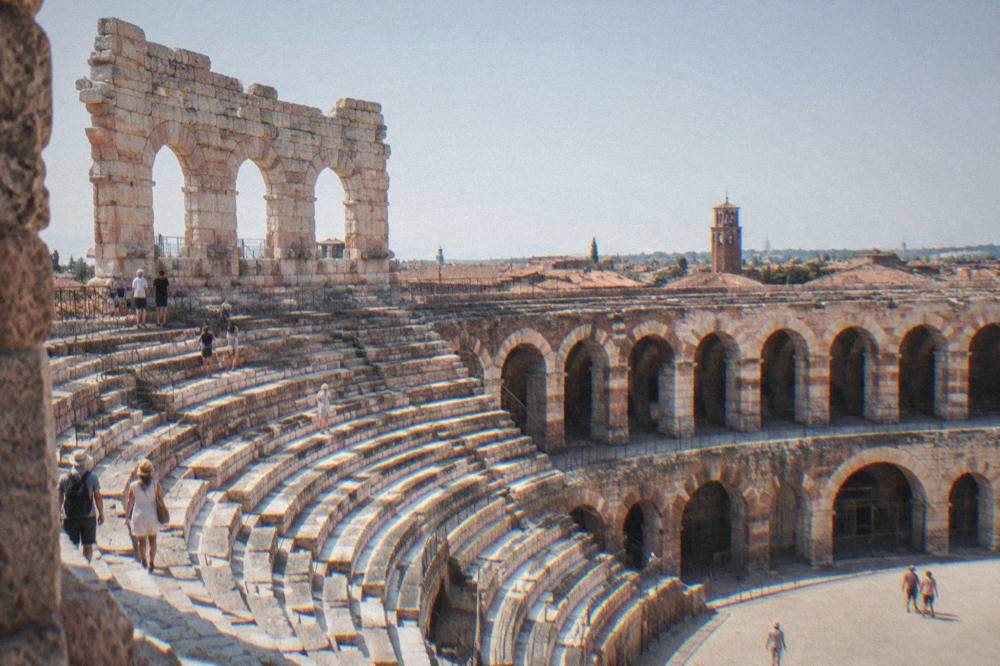
Day one should cover the Arena di Verona in the morning, Piazza Bra and Via Mazzini through the middle of the day, then Juliet's House, Piazza delle Erbe and the Torre dei Lamberti in the afternoon. The Arena's daytime visit costs 12 euro full and 9 euro reduced, and Juliet's House costs 5 euro for the courtyard route or 12 euro for the house and balcony, booked online since 1 April 2026.
Start at the Arena because the morning is when the amphitheatre is calmest and because the ticket gives you the anchor for the whole loop. The Arena's own pages date the building to about 30 AD and describe gladiatorial games as its original use. Daytime hours are reported as Tuesday to Sunday 9:00 to 19:00 with a Monday closure, and the site closes early on opera evenings, so check the Arena's own ticket calendar before you go. Visitors aged 18 to 25 pay 3 euro, and the first Sunday of the month from November to March costs 1 euro.
From Piazza Bra, Via Mazzini runs north to the Casa di Giulietta, and this is where 2026 planning differs from every older guide: the courtyard is no longer free. Since 1 April 2026 the courtyard route costs 5 euro and the full house and balcony route costs 12 euro, entry is via the Teatro Nuovo on Piazzetta Navona, and booking is online, per the Comune di Verona's own notice. The balcony itself was added in 1940 from a sarcophagus and is not original to any real Juliet, which the city's tourism pages state plainly. The bronze statue, by Nereo Costantini, dates from 1969.
Spend the late afternoon in Piazza delle Erbe and climb the Torre dei Lamberti if the legs allow. The tower's reported full ticket is 6 euro, with summer hours running to about 21:00, and VeronaCard holders enter free, per the tower's own site. Cross to Piazza dei Signori and the Arche Scaligere before dinner; both are open public space and cost nothing.
| Stop | Ticket | Note |
|---|---|---|
| Arena di Verona | 12 euro full, 9 euro reduced, 3 euro ages 18 to 25 | Reported hours Tue to Sun 9:00 to 19:00, closed Mon, early close on show days |
| Casa di Giulietta | 5 euro courtyard, 12 euro house and balcony | Online booking, entry via Teatro Nuovo since 1 April 2026 |
| Torre dei Lamberti | 6 euro full, reported | Free with VeronaCard |
| Piazza delle Erbe, Piazza dei Signori, Porta Borsari | Free | Open public space |
If a first day of self-guiding feels thin on context, guided options fill that gap, and the trio below pairs the city with the day-trip logic of days two and three.
Day Two In Verona: Lake Garda Or Valpolicella?
Day two should be a single day trip, either to Sirmione on Lake Garda or into the Valpolicella wine hills, because the lake is 30 to 43 minutes by road from the Arena and the Valpolicella zone is about 25 minutes, and neither pairs well with the other in one day. Sirmione suits castles, boat water and lake air; Valpolicella suits Amarone tastings and slow lunches in the hills north of the city.
The drive times are computed over OSM routing in free-flow conditions: Sirmione about 40 minutes and 43 km, Bardolino about 37 minutes and 30 km, Garda about 42 minutes and 40 km, and Malcesine about 84 minutes and 66 km. Valpolicella (Sant'Ambrogio) is about 25 minutes and 21 km. Without a car, Sirmione is reported as roughly 55 minutes on ATV bus line 164 from Porta Nuova, running about hourly, and the same line serves Peschiera, Lazise, Bardolino and Garda; confirm the fare and timetable on ATV's own site before you go.
On the Sirmione side, the reported figures are: the Grotte di Catullo at 10 euro full, 2 euro for ages 18 to 25 and free under 18, closed Monday, with a 20 euro joint ticket covering the Scaliger Castle and the Desenzano villa; the Scaliger Castle itself at 10 euro and 2 euro, Tuesday to Sunday 8:30 to 19:15. A full-lake Navigazione Laghi day pass is 39.50 euro for an adult at 2026 fares, and the north-south passenger service is suspended from 2 November 2026 to 12 March 2027, per the operator's timetable page. The Verona and Lake Garda itinerary and the Lake Garda day trip guide carry the fuller planning detail.
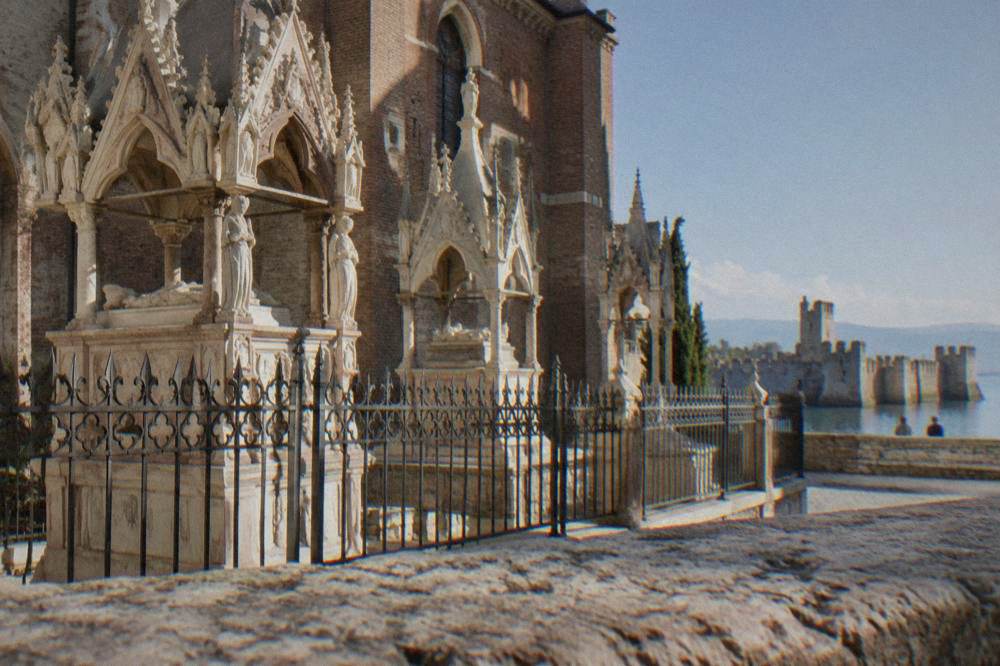
The fully organised version is a day tour that bundles Sirmione with a lake cruise and returns to Verona by early evening; the tour below is this site's featured pick for that day, and there is a dedicated tour page with the full description. A self-guided alternative on two wheels also exists, and an e-bike version with lunch included covers the lake shore under your own steam. Details and live pricing are on the operator's listing, alongside the same cruise-plus-Sirmione pairing as a guided full-day option: Check availability.
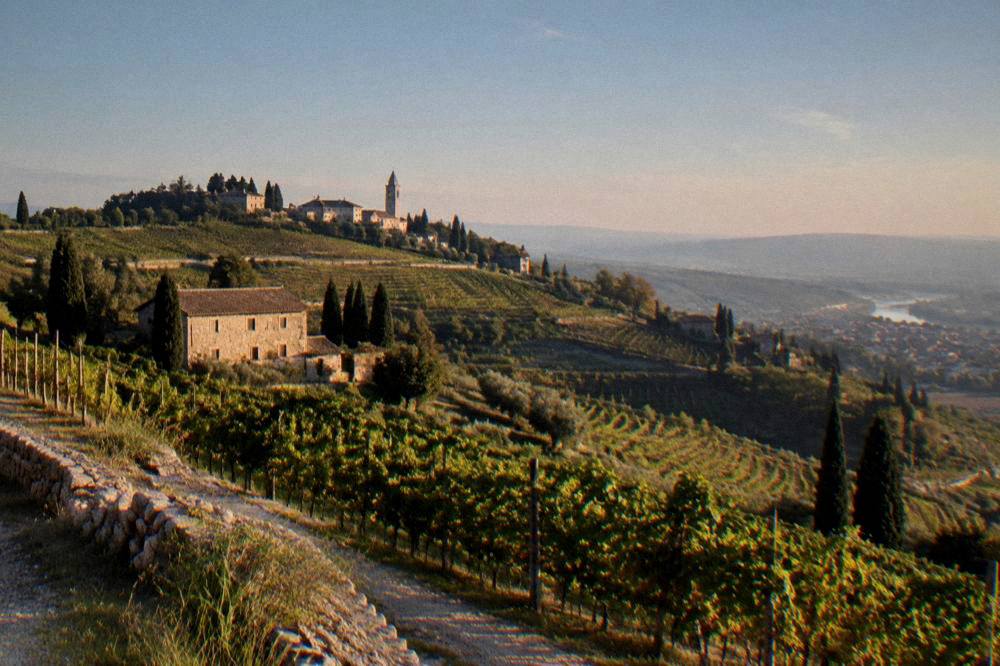
The Valpolicella alternative skips the water entirely. The zone lies in the hills north of Verona, and the consorzio's material reports that Amarone della Valpolicella DOCG is made mainly from Corvina, Corvinone and Rondinella grapes dried before pressing, the appassimento method. Winery names and tasting prices vary, so book a tasting directly with a producer or through a guided wine day: the Valpolicella guide and the Valpolicella wine tour page cover that branch of day two.
| Day-two option | Road time from the Arena | Best for |
|---|---|---|
| Sirmione | About 40 min, 43 km | Castle, Roman villa, boat water |
| Bardolino | About 37 min, 30 km | Lakefront walk, easy half day |
| Town of Garda | About 42 min, 40 km | Ferry connections, old town |
| Malcesine plus Monte Baldo | About 84 min, 66 km | Cable car to the ridge, 30 euro round trip |
| Valpolicella (Sant'Ambrogio) | About 25 min, 21 km | Amarone tastings, hill villages |
What Should Day Three In Verona Look Like?
Day three should cross to the left bank: Castelvecchio and the Ponte Scaligero in the morning, the Veronetta quarter with the Teatro Romano and Giardino Giusti at midday, and Ponte Pietra plus Castel San Pietro's viewpoint in the late afternoon, ending with an opera at the Arena in season or a moonlit walk out of season. Castelvecchio's reported ticket is 9 euro full and 6 euro reduced.
Castelvecchio's museum is reported at Tuesday to Sunday 10:00 to 18:00, closed Monday, with a 2 euro ticket for ages 18 to 25 and free entry for VeronaCard holders, and the same card covers the Torre dei Lamberti and Juliet's House with an online booking. The Ponte Scaligero beside it is open and free. Cross the river into Veronetta for the Teatro Romano and its archaeological museum, reported at about 9 euro full and closed Mondays; treat the figure as approximate and confirm on the civic museums' own pages. The wider set of guides lives on Verona Italy Travel Guide.
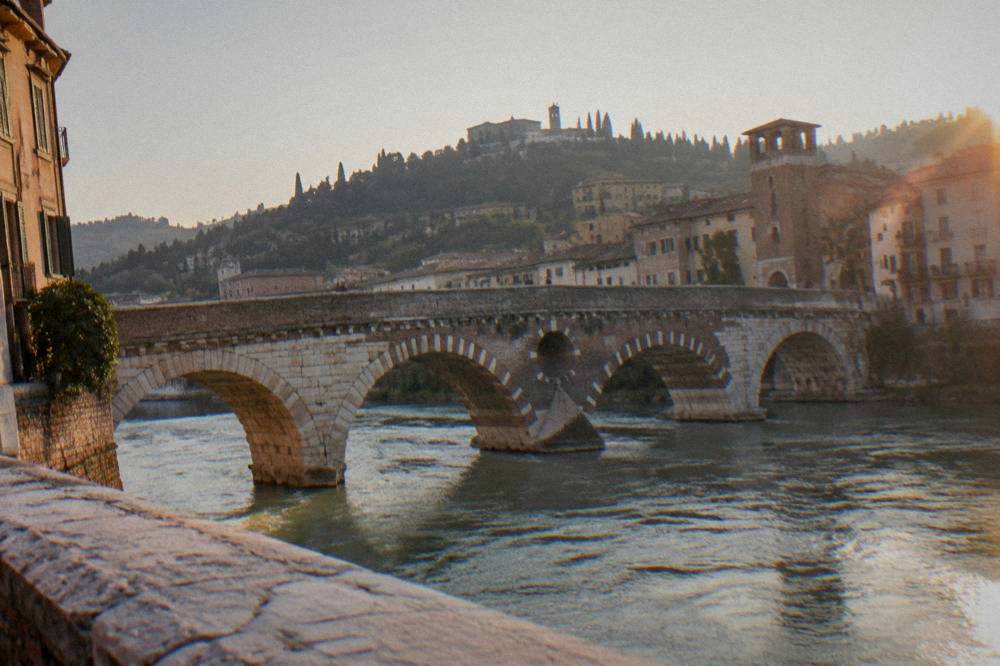
The Verona map guide helps if you would rather re-sequence the day geographically, and families have a tuned version on the Verona with kids itinerary. Ponte Pietra, the Roman footbridge, is the natural hinge of the afternoon: open access, no ticket, and the climb beyond it to the Castel San Pietro viewpoint is the best free panorama over the rooftops. A gelato class makes a memorable third-day afternoon anchor for families with children, and the pick below is the family-friendly version.
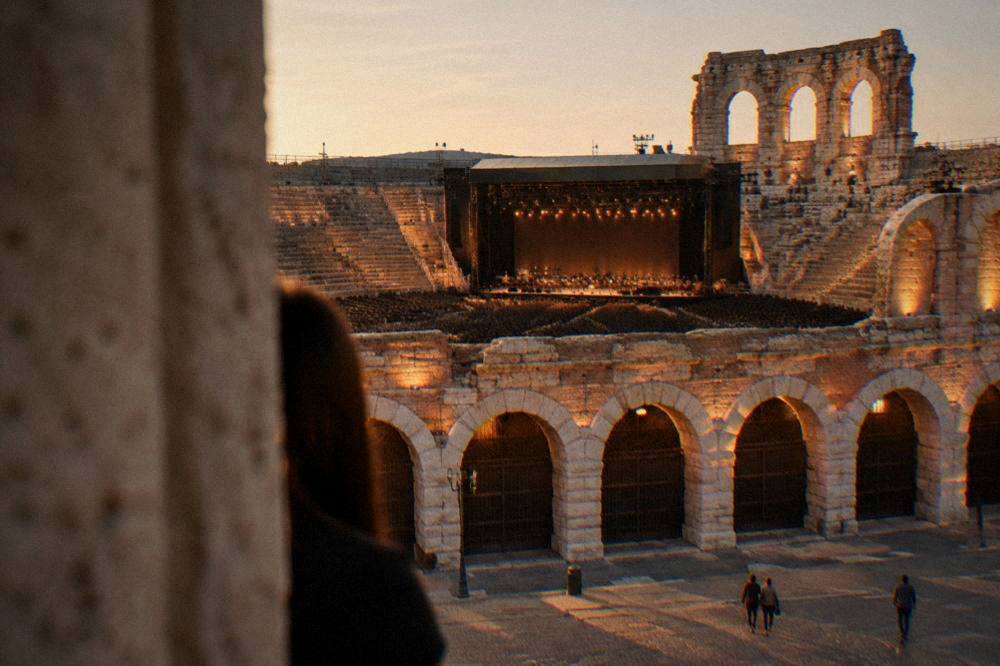
If your three days fall between June and September, the evening belongs to the Arena opera. The 2026 season, the 103rd edition, ran 5 June to 12 September, and the 2027 season, the 104th, is announced for 11 June to 11 September. Stone-step seats start in the 30s of euro, per the Arena's own rates page, and performances begin around 21:00 to 21:30 early in the season, earlier later on. Out of season, an evening food walk or a dark-history walk covers the same lanes with different stories.
Where Should You Stay For Three Days In Verona?
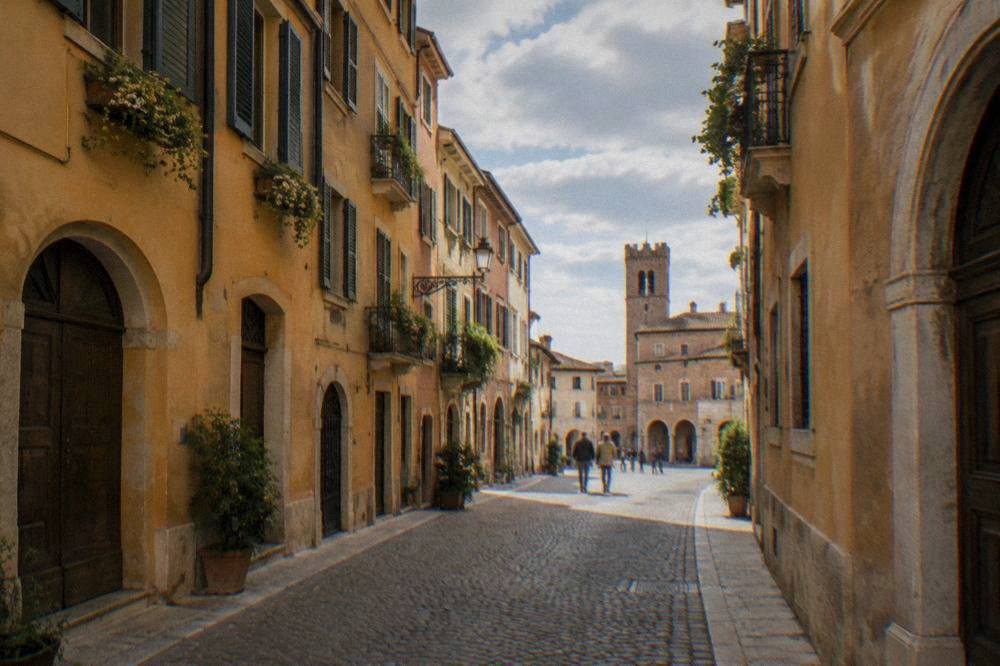
For three days, stay inside or just outside the historic-centre ZTL loop, near Piazza Bra, the Duomo quarter or Veronetta, because the centre is walkable and the train and bus connections for day two all leave from Porta Nuova, a short ride or walk away. The historic centre is a camera-policed ZTL with at most four entries a month for non-residents, so a hotel inside it, registering your plate, beats a rental car.
The ZTL rules come from the Comune di Verona: non-residents may book up to four entries a month in fixed windows, Monday to Friday 10:00 to 18:00 and 20:00 to 23:00 and weekends 10:00 to 13:30, and hotel guests enter free if the hotel registers the plate. Short-term rentals do not get that exemption. For a three-day stay built around a lake or wine day trip, the practical answer is no car at all: bus, train and guided tours remove the ZTL and the parking question entirely. The where to stay in Verona guide maps the quarters, and the staying in Verona or Lake Garda question is worth reading before you split the nights.
The tourist tax applies: it is charged by the accommodation per person per night and capped at four nights per person per month, so a three-night stay is inside the cap. Rates vary by category and are printed on the Comune's own tariff page; check with your hotel at booking.
What Will Three Days In Verona Cost At The Sights?
Counting only sight tickets, three days in Verona costs roughly 43 euro per adult at full price for the core set: 12 euro for the Arena, 12 euro for Juliet's House full route, 9 euro for Castelvecchio, 6 euro for the Torre dei Lamberti and about 9 euro for the Teatro Romano, plus food, transport and any day trip on top. The digital VeronaCard, 33 euro for 24 hours or 38 euro for 48 hours with ATV transport since 1 September 2026, can undercut that if timed.
The card became digital on 1 September 2026, delivered through the Your Verona web app, at 33 euro (24 hours) or 38 euro (48 hours) with ATV urban buses included, or 29 and 32 euro without transport, per the Comune di Verona's notice. It covers the Arena, Castelvecchio, the Torre dei Lamberti, Juliet's House (still requiring an online booking), the Teatro Romano and the civic churches under the Chiese Vive convention, among others. It does not include the Aerobus from the airport, and no saving should be computed without checking your own list against the ticket prices above.
| Sight or pass | Full price | Reduced / note |
|---|---|---|
| Arena di Verona | 12 euro | 9 euro groups 15+ and over 65; 3 euro ages 18 to 25 |
| Casa di Giulietta | 12 euro house route | 5 euro courtyard route only |
| Castelvecchio | 9 euro | 6 euro reduced, 2 euro ages 18 to 25 |
| Torre dei Lamberti | 6 euro, reported | Free with VeronaCard |
| Teatro Romano | About 9 euro, reported | Confirm on the civic museums' pages |
| VeronaCard digital | 33 euro 24h / 38 euro 48h with ATV | 29 / 32 euro without transport |
Food, hotel rates and private transfers vary too much for fixed figures, and no reliable source prices them; the how expensive is Verona discussion is covered better on the dedicated cost pages of this site. What the record does fix is the shape: sight tickets are modest, the day trip is the flexible line, and a VeronaCard timed over days two and three is the only arithmetic worth doing at home.
When Is The Best Month For Three Days In Verona?
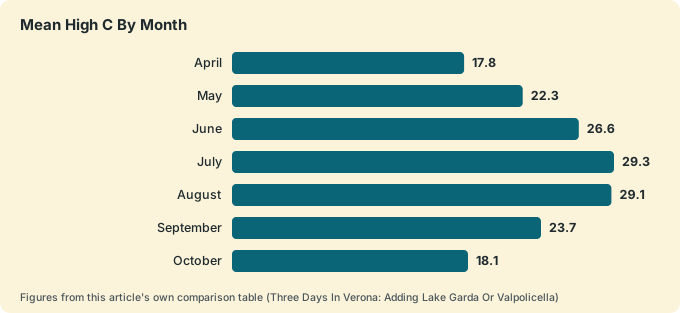
The best months for a three-day Verona trip are April, May, June, September and early October, when the ERA5 reanalysis, 1991-2020, puts mean highs between 17.8 and 26.6 C and the lake and Valpolicella day trips are in full service, while July and August average 29.3 and 29.1 C highs and November is the wettest month at 118.2 mm of rain.
The monthly normals below come from the ERA5 reanalysis, 1991-2020, a modelled grid cell near Verona, not a weather-station record. July's mean high of 29.3 C pairs with the opera season, which is exactly why summer stays busy: an Arena evening in July is the point of the trip for many, and the heat of the day is the price. May and October carry the highest rainfall of the warm months at 109.7 and 107.2 mm, and April at 93.5 mm, so a shoulder-season visit wants a rain plan, and the Verona in the rain itinerary supplies one.
| Month | Mean high C | Mean low C | Rain mm |
|---|---|---|---|
| April | 17.8 | 7.6 | 93.5 |
| May | 22.3 | 12.2 | 109.7 |
| June | 26.6 | 16.5 | 92.3 |
| July | 29.3 | 19.1 | 79.4 |
| August | 29.1 | 19.4 | 84.1 |
| September | 23.7 | 15.1 | 99.7 |
| October | 18.1 | 10.5 | 107.2 |
Seasonal services matter as much as the thermometer. The full Navigazione Laghi summer service ran 16 May to 4 October 2026, reduced to 1 November, with the north-south passenger service suspended from 2 November 2026 to 12 March 2027, and the Monte Baldo cable car's 2026 season was reported as about 4 April to 1 November. A March or November visit therefore loses some lake options, not city ones. The Verona in spring guide covers the shoulder season in more depth, and the question of how many days in Verona is enough has its own answer page.
Whichever day-two branch you choose, these three picks cover the organised versions of the lake, the shore by e-bike and a family afternoon in the city.
Common Questions About Three Days In Verona
Is 3 days in Verona enough?
Yes. Three days covers the historic centre, one full day trip to Lake Garda or the Valpolicella hills, and the quieter left-bank quarter with an evening at the Arena. Two days works for the centre alone; three is the first span that fits a lake or wine day without rushing.
What is the best day trip on day two of three days in Verona?
Sirmione on Lake Garda, about 40 minutes and 43 km by road from the Arena, or the Valpolicella hills at about 25 minutes. Pick one, not both: the lake and the wine zone sit in opposite directions and each deserves a full day.
Should I buy the VeronaCard for three days in Verona?
It can pay off, but time it. The digital card costs 33 euro for 24 hours or 38 euro for 48 hours with ATV transport since 1 September 2026, and covers the Arena, Castelvecchio, the Torre dei Lamberti and Juliet's House, though Juliet's House still needs an online booking and the card does not include the airport Aerobus.
Is Juliet's courtyard still free in Verona?
No. Since 1 April 2026 the courtyard route costs 5 euro and the house and balcony route 12 euro, with entry via the Teatro Nuovo and online booking, per the Comune di Verona's own notice.
Can you visit the Verona Arena without going to the opera?
Yes. The amphitheatre is open for daytime visits at 12 euro full and 9 euro reduced, reported Tuesday to Sunday 9:00 to 19:00 and closed Monday, with early closures on show days, so check the Arena's own ticket page before you go.
Do you need a car for 3 days in Verona?
No. The centre is walkable, the urban bus single is 1.50 euro for 90 minutes, ATV line 164 runs to the lake towns, and guided day tours cover Valpolicella and Sirmione. The historic-centre ZTL limits non-resident car entries to four a month, which argues against a car altogether.