Can You Wear Shorts To The Opera In Verona?
No strict dress code was found on the Arena di Verona's official pages, but the practicalities of stone steps, a summer evening and an open-air performance shape what to wear.
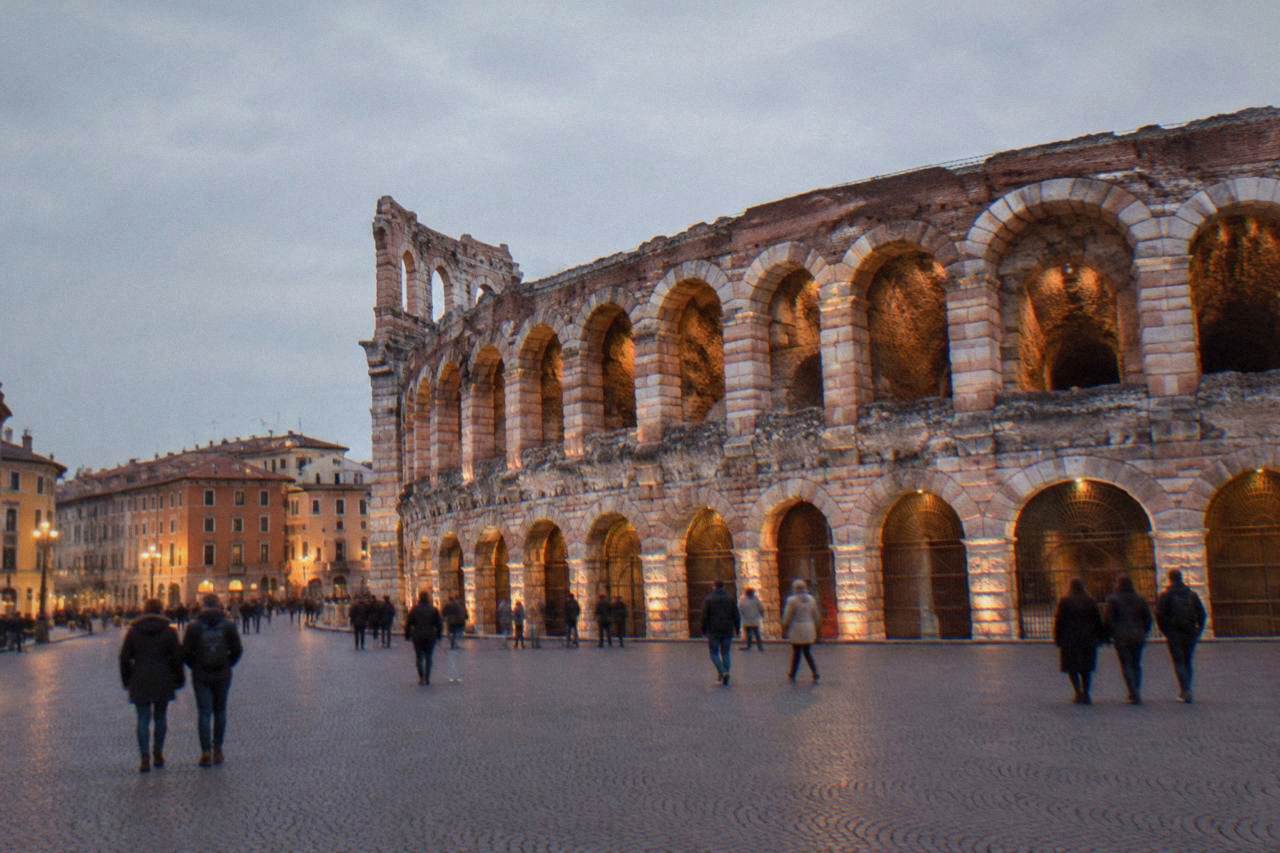
The Arena di Verona, the first-century Roman amphitheatre in Piazza Bra, has staged summer opera since before the Second World War, and the season now runs deep into September: the 103rd edition ran 5 June to 12 September 2026, and the 104th is announced for 11 June to 11 September 2027. That schedule puts opera nights squarely in Verona's warm months, when the July mean daily high, per the ERA5 reanalysis for 1991 to 2020, is 29.3 C. So the shorts question is not a frivolous one: thousands of people sit for roughly two to three hours on either numbered stone steps or cushioned stalls, outdoors, starting around 21:00 or later. Per the Arena's own terms and FAQ pages, no strict rule against shorts was found, and this page sets out what the official pages do say, what the venue and the weather ask of your clothing, and what to consider before packing.
Can You Wear Shorts To The Opera In Verona?
No rule against shorts was found anywhere on the Arena's official ticketing, terms or FAQ pages, so shorts are not banned at the Verona opera. The same pages do say that smart attire is preferred in the numbered stalls sectors, while the stone-step gradinata sectors carry no stated clothing requirement at all. Anyone unsure for a specific night should check the Arena's own terms page before the performance.
That is the honest, sourced version of the answer. Plenty of guides invent a firm dress code for the Arena, one way or the other, and both versions circulate: some claim shorts are forbidden outright, others insist anything goes everywhere. Neither claim survives contact with the Arena's own published material. The terms and conditions and the festival FAQ, as reported from arena.it, cover security checks, bag sizes, cushions, umbrellas, rain delays and start times in detail, and they contain no prohibition on shorts, sandals or any other garment. The only clothing-adjacent wording that appears is a preference for smart attire in the stalls.
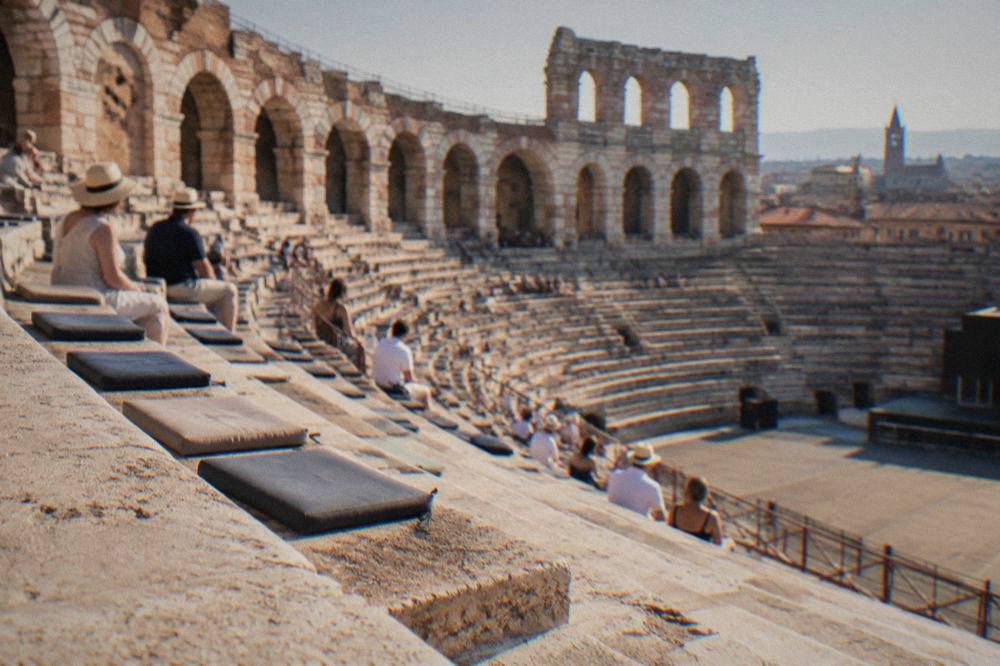
The distinction between sectors matters more than any rule. The gradinata, the numbered stone steps of the original Roman cavea, is general-admission-in-spirit seating on bare stone, where cushions are explicitly permitted. The poltronissima and poltrona sectors below are proper seats under dressier lighting, closer to the stage and priced accordingly, and that is where the "smart attire preferred" wording does its work. A visitor in shorts on the stone steps is unremarkable; the same visitor in the platinum stalls may feel out of place even though no one will turn them away. For a fuller sense of how those sectors differ, see the site's Arena seating guide.
What The Arena's Own Rules Actually Cover, If Not Clothing?
The Arena's published rules govern bags, cushions, umbrellas, food, timing and rain, not clothing: small backpacks are allowed subject to security checks, bulky bags over roughly 17 litres are refused, a cushion and an umbrella are explicitly permitted, food and drinks are not, and there is no cloakroom. Gates open about two hours before curtain and the Arena asks visitors to arrive at least an hour early.
Every one of those points, reported from the Arena's terms and FAQ pages, is more consequential for your evening than your hemline. The bag limit bites hard at an opera where the programme runs past midnight: anything larger than a small daypack stays outside, and there is nowhere inside to store it. Plan around that rather than around a dress code nobody published.
The rain policy is the other rule worth memorising. A performance is never cancelled before its scheduled start; it may be delayed by up to 150 minutes or suspended mid-show, and once it has started there is no refund, with partial protections only for an early suspension. That makes an umbrella or a light rain layer a genuinely useful item in a month like June, which averages 92.3 mm of rain in the ERA5 reanalysis for 1991 to 2020. Practicality, not formality, is the theme of the official rules.
Timing shapes the wardrobe too. Performances are reported to begin around 21:00 to 21:30 in June and somewhat earlier later in the season, which means arriving during the last of the daylight heat and walking back across Piazza Bra after midnight. Late-evening temperatures drop noticeably from the daytime high even in midsummer, so the visitors who regret their clothing choices at the Arena are rarely the ones in shorts; they are the ones with nothing warm for the walk home.
How Does An Opera Night At The Verona Arena Actually Unfold?
An opera evening at the Arena runs from a late-afternoon arrival in Piazza Bra, through security gates that open about two hours before curtain, to a start around 21:00 to 21:30 in June and an ending close to or after midnight, all outdoors and all on foot. Stone-step ticket prices start in the EUR 30s, per the Arena's own rates page, with sectors rising from there.
The shape of the night explains why the clothing question comes up so often. There is no arriving by car to the door: the historic centre inside the Adige bend is a camera-policed limited-traffic zone, so the evening begins and ends with a walk, often a substantial one, on cobbles. The Arena itself is a standing Roman structure with vaulted stone staircases, no air conditioning and no roof over the cavea. Whatever you wear has to carry you from a hot square at 20:00 to a stone bench at midnight.
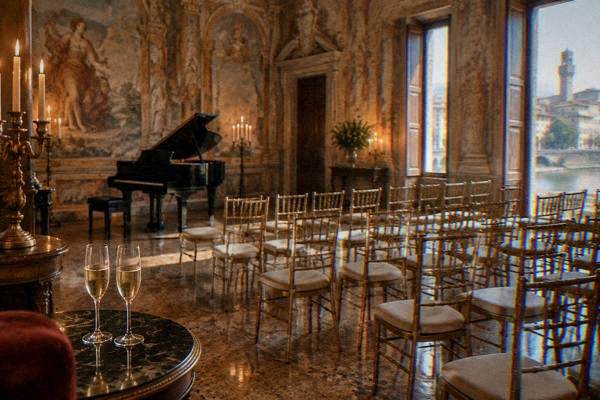
For visitors who want the opera experience without the full outdoor marathon, Verona also offers staged opera concerts in historic palazzi, and this site's featured pick for that is the Opera Concert in a Verona Palace with Prosecco: a seated, indoor performance with a glass of prosecco, a different register of evening from the Arena's open-air scale. Check availability
Prefer A Seated Opera Evening Indoors?
The palace concert is a roofed, seated alternative to the open-air Arena, with free cancellation available on the operator's live listing.
Check availability
The Arena night itself rewards a little logistics. Entry is through numbered gates matched to your sector, security checks are the same as at any large venue, and the gradinata sectors sit high in the amphitheatre, which means stairs. The reported rule of arriving an hour early is not padding: the gates, the checks and the climb are all part of the pre-show window the Arena itself recommends. For a fuller walkthrough of the evening, see the site's opera night itinerary, and for whether the night justifies the ticket, the site's own answer is in is the Verona opera worth it.
What Should You Actually Wear For Stone Steps And Stalls?
For the gradinata stone steps, wear whatever you can sit on bare stone in for three hours: shorts, a t-shirt and a light layer for after midnight are all reasonable, and a cushion is both permitted and advisable. For the numbered stalls, the Arena's stated preference for smart attire applies, so trousers, a dress or a collared shirt sit better with the setting even though nothing is enforced.
The split advice reflects the split venue. On the steps, the operative facts are physical: stone that holds the day's heat at 21:00 but cools by midnight, treads worn smooth by two millennia of feet, and a walk home through the ZTL-era streets at the end. Loose natural fabrics, closed shoes that grip, a foldable layer, and the permitted cushion cover nearly every contingency. Sandals are common and no rule names them; the case against them is the staircase, not the dress sense. The rest of the planning pages sit on Verona Italy Travel Guide.
In the stalls the calculus flips. Those are the sectors where the Arena's own wording prefers smart attire, where sightlines are formal and the audience dresses accordingly. Nobody reports being turned away in shorts, and no published rule would support turning anyone away, but the stalls are the part of the house where underdressing reads as underdressing. A simple rule of thumb that matches everything the official pages do say: dress for the sector you bought, not for the building.
One more Verona-specific note: the city's summer evenings are warm but not tropical after dark. The July mean daily low in the ERA5 reanalysis for 1991 to 2020 is 19.1 C, and September nights fall to a mean low of 15.1 C. An evening that begins in shorts-friendly heat can end wanting a jumper, especially in the second half of the season. The site's broader wardrobe guidance, for the whole city and not just the amphitheatre, is in what to wear in Verona.
Does The June To September Season Change The Answer?
Yes, because the Arena's season sits entirely in Verona's warm months: July and August mean daily highs of 29.3 C and 29.1 C respectively, June 26.6 C and September 23.7 C, per the ERA5 reanalysis for 1991 to 2020, which makes shorts a rational choice on the steps and a warm-evening choice even in the stalls, with rain the June variable to watch.
The season's calendar is the quiet fact behind the whole question. A festival that ran in October would settle the wardrobe debate by itself, but the Arena's edition runs from mid-June to mid-September, and the 2026 edition was the longest in the festival's history at 5 June to 12 September. Those are the months when Verona's continental climate delivers its warm evenings.
| Month Of The Season | Mean Daily High (C) | Mean Daily Low (C) | Rain (Mm) |
|---|---|---|---|
| June | 26.6 | 16.5 | 92.3 |
| July | 29.3 | 19.1 | 79.4 |
| August | 29.1 | 19.4 | 84.1 |
| September | 23.7 | 15.1 | 99.7 |
The figures are ERA5 reanalysis for 1991 to 2020, a modelled grid cell near Verona, not a weather-station record, and they say two useful things. First, every performance month has a comfortable-to-warm evening mean, so light clothing is never a gamble on the steps. Second, every month carries meaningful rainfall, and the Arena's rain policy means the show is delayed rather than cancelled, so the officially permitted umbrella deserves a place in the small backpack.
Season edges matter as much as the middle. A mid-June night and a mid-September night differ by several degrees after dark, and the later September performances also start earlier, per the Arena's reported scheduling, which pushes more of the evening into daylight warmth. For the wider picture of when to come, see the best time to visit Verona.
Is There A Packing List For An Arena Opera Night?
A practical Arena opera kit fits in one small backpack: the e-ticket, a cushion for the stone steps, a light layer for after midnight, the permitted umbrella, water bought before entering since food and drinks are not allowed in, and flat shoes for the stairs and the walk back through the ZTL streets to your accommodation.
| Item | Official Position Or Reason | Notes For The Evening |
|---|---|---|
| Small backpack | Permitted subject to security checks | Bulky bags over roughly 17 litres refused, no cloakroom |
| Cushion | Explicitly permitted | Near essential on the numbered stone steps |
| Umbrella | Explicitly permitted | Rain delays up to 150 minutes, no cancellation before start |
| Food and drinks | Not permitted | Eat before, the gates open two hours early |
| Flat shoes | No stated rule | Vaulted staircases and a cobbled walk home after midnight |
| Warm layer | No stated rule | September mean nightly low 15.1 C, ERA5 1991 to 2020 |
None of this is exotic. The Arena's rules are the rules of any large open-air venue, plus a Roman amphitheatre's particular furniture. What the list replaces is the myth of a dress code: everything above is traceable to the Arena's own terms and FAQ as reported, or to the climate record, and none of it to folklore about Italian opera houses. Verona's Arena is not La Scala, and it does not pretend to be; the festival's own FAQ spends its words on cushions and rain, not collars.
For visitors pairing the opera with more of the city, the site's things to do in Verona page maps the rest, and how many days in Verona is enough answers the planning question the opera night usually anchors. More on the season itself is in the Verona Opera Festival guide.
Common Questions About Opera Dress In Verona
Can you wear shorts to the opera in Verona?
No rule against shorts was found on the Arena's official terms or FAQ pages, so yes, you can. The only clothing wording the Arena publishes is a preference for smart attire in the numbered stalls sectors; the stone-step gradinata sectors carry no stated requirement. Check the Arena's own terms page before your specific performance.
Will you be turned away from the Arena for what you are wearing?
Nothing in the Arena's published rules provides for refusal based on clothing. The rules that do gate entry concern bags: small backpacks pass subject to security checks, bulky bags over roughly 17 litres do not, and there is no cloakroom inside.
Do you need a cushion for the stone steps?
The Arena's FAQ explicitly permits cushions, and the gradinata sectors are numbered seats on bare Roman stone. A cushion is the single most useful item in the bag for those sectors; in the stalls sectors it is unnecessary.
What happens if it rains during a performance?
Per the Arena's terms, a performance is never cancelled before its scheduled start, may be delayed by up to 150 minutes or suspended, and once it has started there is no refund, with partial protections for an early suspension. An umbrella is explicitly permitted.
Is there a dress code for the palace opera concerts in Verona?
No dress code has been published for the seated palace concerts either. They are indoor, seated evenings in historic buildings with prosecco served, so the setting invites smarter clothing than the stone steps, but the operator's listing is the place to confirm any specific requirement.
The honest summary, straight from the sources: the Arena di Verona polices your backpack, not your trousers. Dress for the sector, bring the cushion, pack the layer, and enjoy the only opera house of its scale where a first-century stone bowl, summer heat and a midnight walk home are all part of the same ticket.