Verona Opera Festival At The Arena: Tickets, Seats And Dress Code
The Verona Opera Festival stages open-air opera inside a first-century Roman amphitheatre in the middle of Piazza Bra. Here is what the Arena's own pages say about the 2027 dates, ticket prices, seating, dress expectations and show-night rules.
Short answer
The 2027 Verona Opera Festival, the 104th edition, runs 11 June to 11 September 2027 at the Arena di Verona. Stone-step seats start in the EUR 30s, gates open about two hours before curtain, and no strict dress code was found on the official pages, though smart attire is preferred in the stalls.
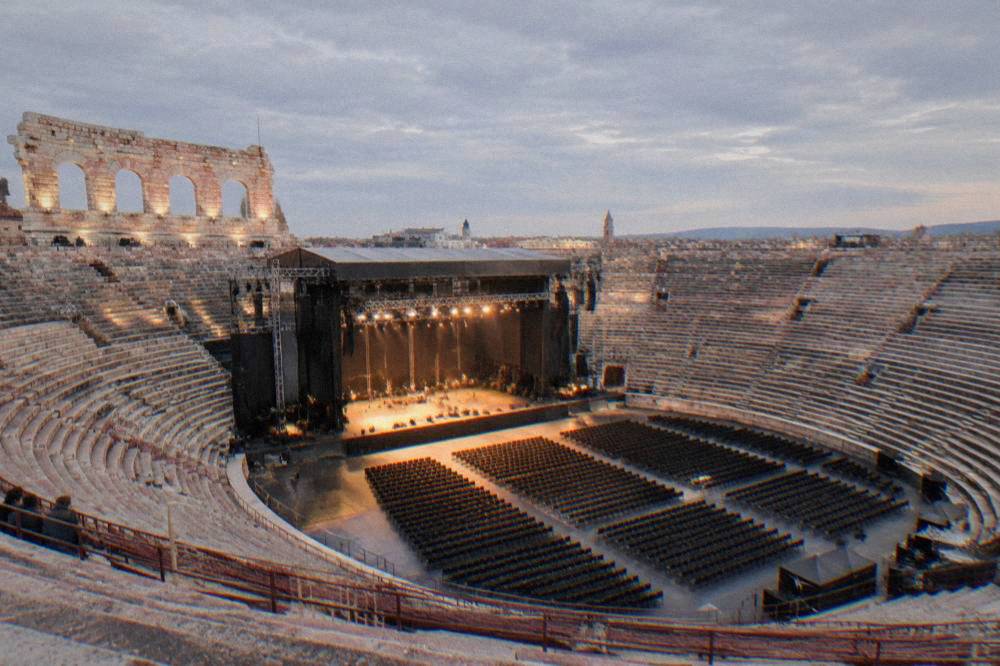
The Verona Opera Festival puts grand opera inside a Roman amphitheatre built about 30 AD, in the middle of Piazza Bra in Verona, an inland city on the Adige river in Veneto, northern Italy. The festival's own site, arena.it, gives the anchor facts: the 2026 season, the 103rd edition, ran 5 June to 12 September 2026 with a new production of La Traviata, two stagings of Aida, Nabucco, La Boheme and Turandot, and the 104th edition is announced for 11 June to 11 September 2027. The Arena's about page describes a capacity of 30,000 effective seats for opera, which is what makes a Verona opera night feel less like a theatre outing and more like a stadium event under the sky. This guide gathers what the primary sources actually say about dates, ticket prices, sectors, dress expectations, bags, rain and getting to the Arena on a show night, and stays silent on everything the sources do not confirm. For the wider city picture, start with things to do in Verona.
What Is The Verona Opera Festival At The Arena?
The Verona Opera Festival is a summer season of open-air opera, concerts and dance held inside the Arena di Verona, the first-century Roman amphitheatre on Piazza Bra in Verona, Veneto. Per the Arena's own site, the 2026 edition was the 103rd, and the festival announced its 104th edition for 11 June to 11 September 2027. The stated opera capacity is 30,000 effective seats, and stone-step tickets put a night within reach of modest budgets.
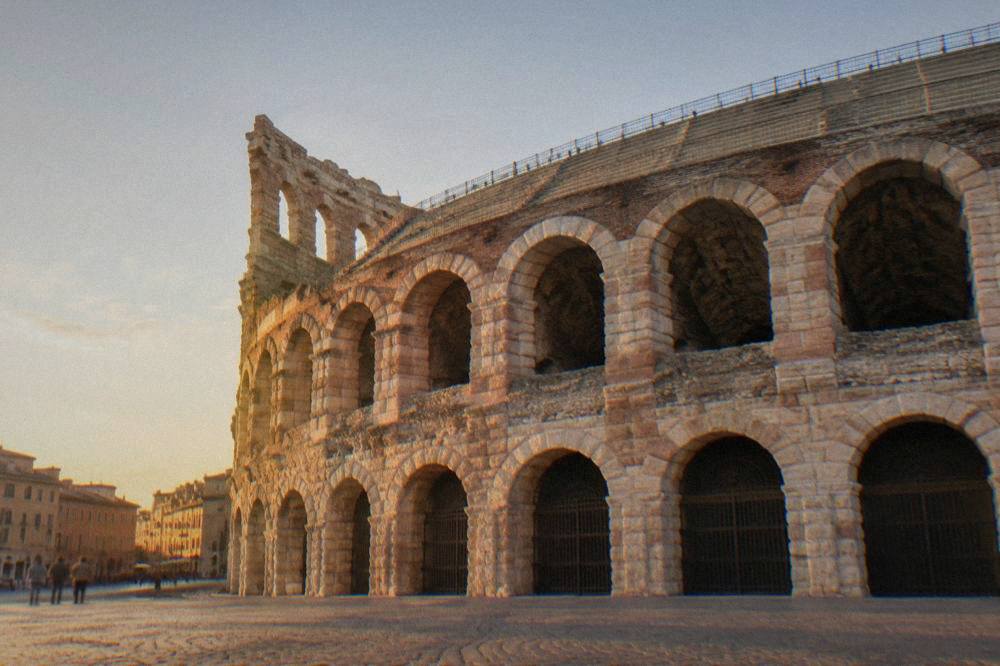
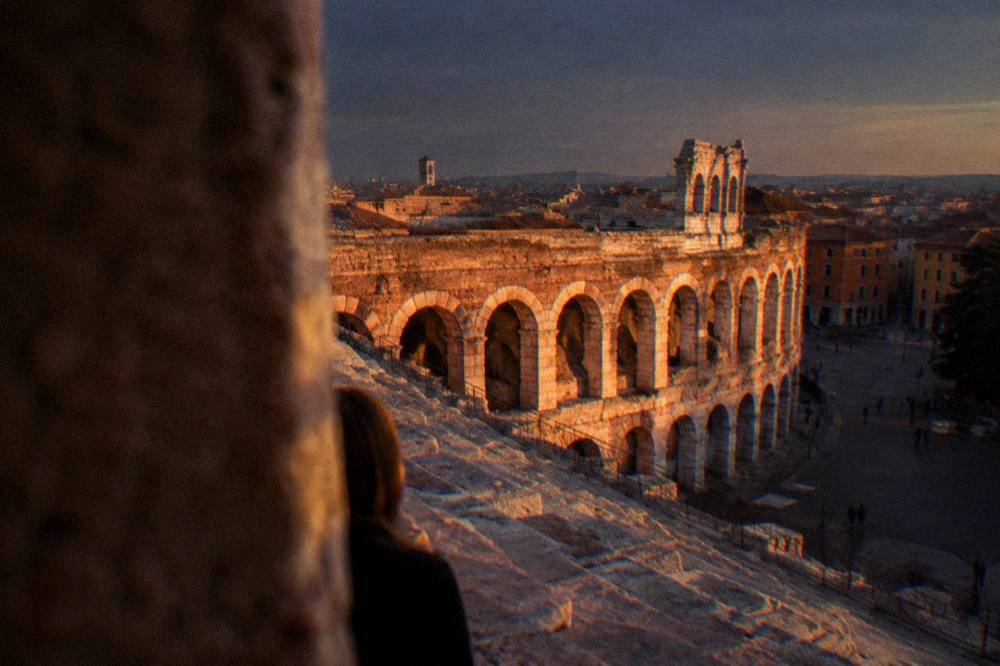
The setting does most of the work. The Arena's own history page reports the amphitheatre was built about 30 AD, in the first century, and describes it as the third-largest surviving Roman amphitheatre after the Colosseum and Capua. The outer ring collapsed in the earthquake of 1117 and only the Ala wing remains, which is why the Arena looks like a bitten ring rather than a closed ellipse. Britannica and the Arena's site both report it was used for gladiator games and animal hunts in antiquity, a lineage the gladiator history of the Verona Arena covers in detail.
An opera performance here is unamplified in the traditional sense of large-scale staging: singers work with the building's own acoustics, sets are built to be seen from the top stone rows, and the evening light changes around the performance as it moves from dusk to darkness. June performances begin around 21:30 and later months start earlier, per the Arena's terms and FAQ pages, precisely so the show can finish under a dark sky rather than daylight. Nothing about the building is small, and nothing about the experience pretends to be a velvet-box theatre.
Verona itself frames the trip. The city is a UNESCO World Heritage Site, inscribed in 2000, and the historic centre sits inside a loop of the Adige with every major landmark close to Piazza Bra. An opera night slots easily into a city break: the Arena di Verona guide covers the building by day, and the dedicated opera night in Verona itinerary plans the whole evening around a ticket.
When Does The Verona Opera Festival Run In 2027?
The 104th Verona Opera Festival is announced for 11 June to 11 September 2027, per the Arena's own site. The 2026 edition, the 103rd, ran 5 June to 12 September and staged La Traviata, Aida in two stagings, Nabucco, La Boheme and Turandot. Programme titles for 2027 had not been announced on the official pages, so plan around the dates and book tickets when the season calendar publishes.
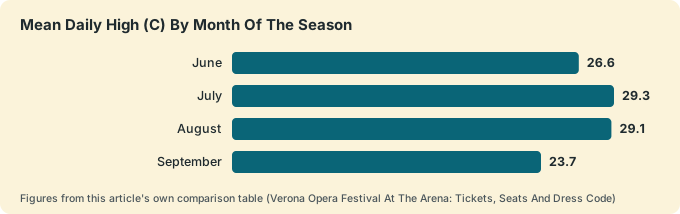
The season is long, and the 2026 edition was billed by the Arena as the longest in the festival's history. That matters for planning because the difference between a June ticket and a September ticket is not just the opera on stage but the temperature in the seats: the ERA5 reanalysis for Verona, 1991-2020, puts the July mean daily high at 29.3 C and June at 26.6 C, while September falls to a mean high of 23.7 C with nights near 15 C. A stone seat in July is an evening in the open air during the warmest part of the year; the same seat in early September is closer to a light-jacket evening.
| Festival edition | Dates | Source | Confirmed operas |
|---|---|---|---|
| 103rd (2026) | 5 June to 12 September 2026 | Arena's own site | La Traviata (new), Aida (two stagings), Nabucco, La Boheme, Turandot |
| 104th (2027) | 11 June to 11 September 2027 | Arena's own site | Programme not yet announced |
Ticket sales for the coming season open on the Arena's own ticketing pages first, and a summer built around the festival should be booked around them. The wider best time to visit Verona question and the festival calendar overlap heavily: anyone planning around opera should also look at summer in Verona for what the rest of the day feels like.
How Much Do Verona Opera Festival Tickets Cost?
Stone-step seats for the Verona Opera Festival start in the EUR 30s, per the Arena's own rates pages, and that is the only price wording the official pages support. Numbered seats fill the middle and premium sectors, with stalls at the top of the range. The exact sector-by-sector table lives on the Arena's ticket pages and shifts by date and staging, so check the current price on the Arena's own ticket page before booking.
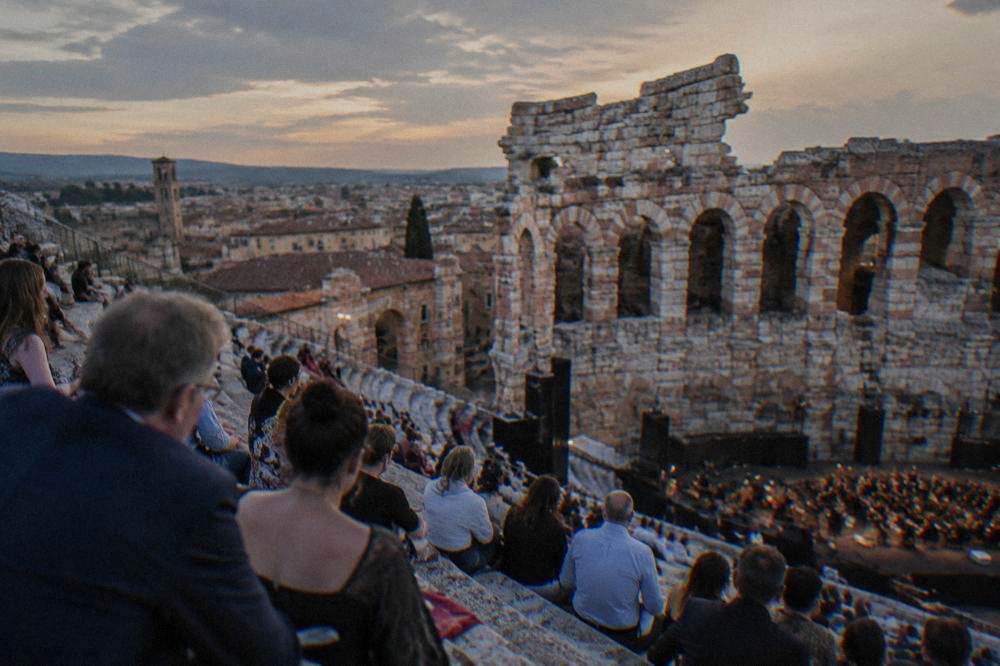
The seat map falls into two broad experiences. The gradinate are the original Roman stone steps: numbered rows, open to the sky, cushions permitted per the Arena's FAQ. Below them are the numbered chairs and the stalls on the arena floor, where the staging is close and the sightlines are flat. The Arena di Verona seating guide unpacks the sectors in detail; the short version is that the stone steps trade comfort for price and atmosphere, and the stalls trade price for proximity.
A few practicalities come straight from the Arena's terms and FAQ pages. Gates open about two hours before curtain. Arrive at least an hour early, the Arena itself asks. Performances begin around 21:00 to 21:30 in June and earlier later in the season, which means a September ticket is an earlier evening than a June one. Small backpacks, a cushion and an umbrella are permitted subject to security checks, and bulky luggage is not.
| Show-night rule | What the Arena's pages say |
|---|---|
| Gates | Open about two hours before the scheduled start |
| Arrival | Visitors are asked to arrive at least an hour early |
| Start times | Around 21:00 to 21:30 in June, earlier later in the season |
| Bags | Small backpacks permitted, subject to security checks |
| Cushions and umbrellas | Permitted |
| Rain | Never cancels before the scheduled start; delay up to 150 minutes possible, no refund once started |
The daytime visit is a different ticket entirely, and a common planning mistake is assuming a festival ticket and a sightseeing visit are interchangeable. They are not. The daytime amphitheatre visit costs 12 euro full and 9 euro reduced, per the price list on the polizia locale's Verona page, with a 3 euro rate for visitors aged 18 to 25 from EU and reciprocity countries, and 1 euro on the first Sunday of the month from November to March. The 1 euro Sundays fall outside the festival season, but the reduced daytime prices run all year. A day ticket does not include an opera performance, and an opera ticket does not include daytime entry.
If the plan is a festival evening plus city sightseeing around it, the ticketing layer can be bundled. The City Card with Arena priority entrance packages the daytime visit with priority entry, and the operator's live listing carries the current price:
The card does not cover opera tickets; those are bought from the Arena's own box office channels. What it covers is the daytime layer of an opera trip, and the internal link to the City Card tour page explains what is bundled. A related option for people who want the whole evening narrated is a guided walk that includes Arena entry; Check availability for the skip-the-line Arena tour if a guide-led visit appeals more than going alone.
Which Arena Seats Should You Choose For Opera In Verona?
Stone-step seats are the value choice and start in the EUR 30s, per the Arena's own rates pages, while numbered chairs and stalls cost more as you move toward the arena floor. The steps are uncovered stone, the chairs are closer to the stage, and cushions are permitted. There is no single best sector: the choice trades price against proximity, and the exact sector prices should be checked on the Arena's own ticket page before booking.
The gradinate deserve their reputation and their caveats in equal measure. They are the original Roman seating surface, which means bare stone in tiers; the Arena's FAQ permits cushions precisely because of this. From the upper steps the whole staging reads as one image, the chorus at full stretch, the set pieces moving, and the Arena ring against the sky. From the floor stalls the experience is more conventional opera: you hear voices with more body, you see faces, and the stone bowl rises around you as backdrop rather than seat.
| Seat experience | What it is | Trade-off |
|---|---|---|
| Gradinata stone steps | Numbered rows on the original Roman tiers, open to the sky | Lower prices, bring a cushion, distant view of the stage |
| Numbered chairs | Chair sectors in the middle ring | Higher price, closer view, still outdoors |
| Stalls on the arena floor | Numbered seats at stage level | Top of the range, closest view, smart attire preferred |
Two planning notes from the Arena's own published material. First, because rain never cancels a show before its scheduled start, an umbrella is listed among the permitted items; a stone step in a shower is a different evening than a covered stall, so the rain policy and the sector choice interact. Second, the earlier closing of daytime visits on show days means a same-day visit plus performance needs timing: reported hours have the daytime visit running Tuesday to Sunday, about 9:00 to 19:00, closing earlier on show days with last entry 30 minutes before closing, so confirm the day's hours before planning a visit-and-show doubleheader.
The is the opera in Verona worth it question gets asked constantly, and the honest answer is that the stone steps are the sector where the answer is most often yes: the price of entry is low relative to any indoor opera house, and the spectacle is the point from up there.
What Should You Wear To The Opera In Verona?
No strict dress code was found on the Arena's official pages, and no rule against shorts appears in the published terms. Smart attire is described as preferred in the stalls, and the practical dress question at the Arena is weather, not formality: July and August evenings stay warm, per the ERA5 reanalysis for Verona, and a cushion and layers matter more than a jacket and tie.
The short answer sits in a dedicated piece on wearing shorts to the opera in Verona, and the reporting there matches the terms pages: the Arena publishes no garment rules, and the practical guidance is about comfort. The climate data frames it. ERA5 reanalysis, 1991-2020, puts the mean daily high at 29.3 C in July and 29.1 C in August, with mean nightly lows of 19.1 C and 19.4 C. An August evening on the stone steps is a warm event; a mid-September one, with a mean low near 15 C, is not.
| Month of the season | Mean daily high (C) | Mean nightly low (C) | Rain (mm) |
|---|---|---|---|
| June | 26.6 | 16.5 | 92.3 |
| July | 29.3 | 19.1 | 79.4 |
| August | 29.1 | 19.4 | 84.1 |
| September | 23.7 | 15.1 | 99.7 |
Figures from the ERA5 reanalysis for Verona, 1991-2020, a modelled grid cell rather than a station record. The September rain column is the one to read twice: it is the wettest festival month of the four, and the Arena's rain policy means the show goes on.
What people actually wear spans the full range, from linen and dresses in the stalls to shorts and trainers on the top steps, and no published rule pushes either way. For the broader packing question, the what to wear in Verona page treats the whole city, and Verona weather carries the month-by-month normals.
What Are The Rules For Bags, Cushions And Rain At The Verona Arena?
Per the Arena's terms and FAQ pages, small backpacks, a cushion and an umbrella are permitted subject to security checks, bulky bags are not, and rain never cancels a performance before its scheduled start. A show may be delayed up to 150 minutes or suspended, and once a performance has started there is no refund. Gates open about two hours before curtain.
The rain rule is the one that surprises ticket holders. The Arena does not cancel ahead of the scheduled start; it delays, up to 150 minutes per the published terms, or suspends mid-performance if conditions force it. A performance that has started earns no refund, with partial protections in early-suspension cases described in the terms. What that means in practice is that an opera ticket in Verona is a commitment to an outdoor event in whatever weather the evening brings, and the permitted umbrella is part of the kit.
The bag rule is a size rule. Small backpacks pass security; bulky luggage does not, and there is no cloakroom to absorb the difference, per the published terms. Anyone arriving from a hotel checkout or a train connection needs a luggage plan before Piazza Bra, and the luggage question in Verona generally is covered by the city's luggage storage guide, where current operators and positions should be confirmed before relying on them.
Practical checklist from the Arena's own published rules:
| Item | Permitted at the Arena |
|---|---|
| Small backpack | Yes, subject to security checks |
| Cushion | Yes |
| Umbrella | Yes |
| Bulky bags and suitcases | No |
| Food and drink | Not permitted per the show rules |
| Cloakroom | None, per the published terms |
Arrival timing is its own rule. Gates open about two hours before curtain, and the Arena asks visitors to arrive at least an hour early. On big nights Piazza Bra fills well before then, and the security line moves at walking pace, not theatre pace.
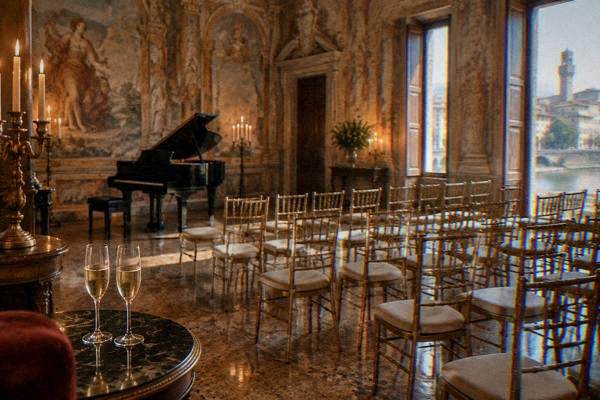
For travellers who want opera-adjacent music without an Arena ticket, a palace concert with prosecco is the indoor alternative, and the opera concert tour page describes the setting; Check availability for dates during a festival stay.
Can You Visit The Verona Arena By Day Without An Opera Ticket?
Yes: the Arena di Verona is open for daytime visits separate from the festival, at 12 euro full and 9 euro reduced, per the price list published by the city's own pages, with 3 euro for visitors aged 18 to 25 from EU and reciprocity countries. Reported hours are Tuesday to Sunday, about 9:00 to 19:00, closed Monday, with earlier closing on show days, so confirm the day's hours before visiting.
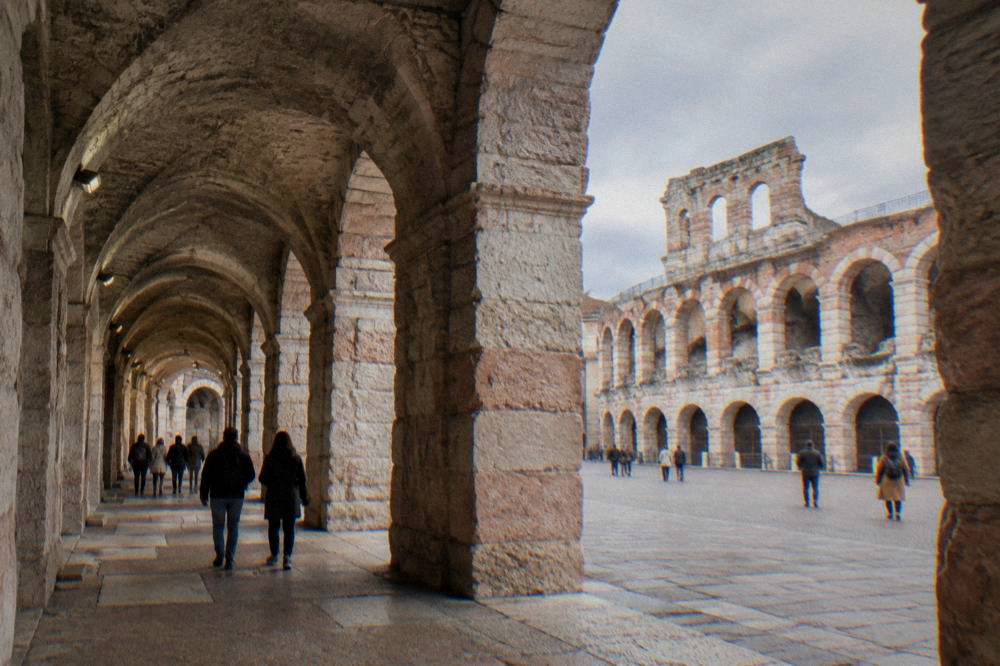
The daytime visit is the quieter half of the Arena and, for many people, the more intimate one. You walk the vaults, stand where the gladiator and animal-hunt spectacles were staged, per the Arena's own history pages, and see the Ala wing that survived the 1117 earthquake up close. The 1 euro first-Sunday pricing from November to March falls outside the festival, but the ordinary 12 euro ticket runs through the season, with the show-day caveat that closing moves earlier and last entry comes 30 minutes before closing.
The comparison questions people ask about the building all trace back to its age. Reported by the Arena's site and Britannica, the amphitheatre was built about 30 AD, making it older than the Colosseum at about 80 AD, and described as the third-largest surviving Roman amphitheatre after Rome and Capua. The is the Arena older than the Colosseum page and the Arena capacity answer both carry the attribution in full.
The VeronaCard interacts with the daytime visit, but only as its own product. Per the Comune di Verona's notice, the card went digital on 1 September 2026 through the Your Verona web app, at 33 euro for 24 hours and 38 euro for 48 hours with ATV transport included, or 29 and 32 euro without. The notice reports old paper cards valid until 31 March 2027 and that Juliet's House still needs an online booking even with the card. Which sights are free versus reduced on the card is not fully confirmed in the sources, so treat the coverage list as something to check on the Comune's page before deciding; the dedicated VeronaCard guide does exactly that.
How Do You Get To The Arena On An Opera Night In Verona?
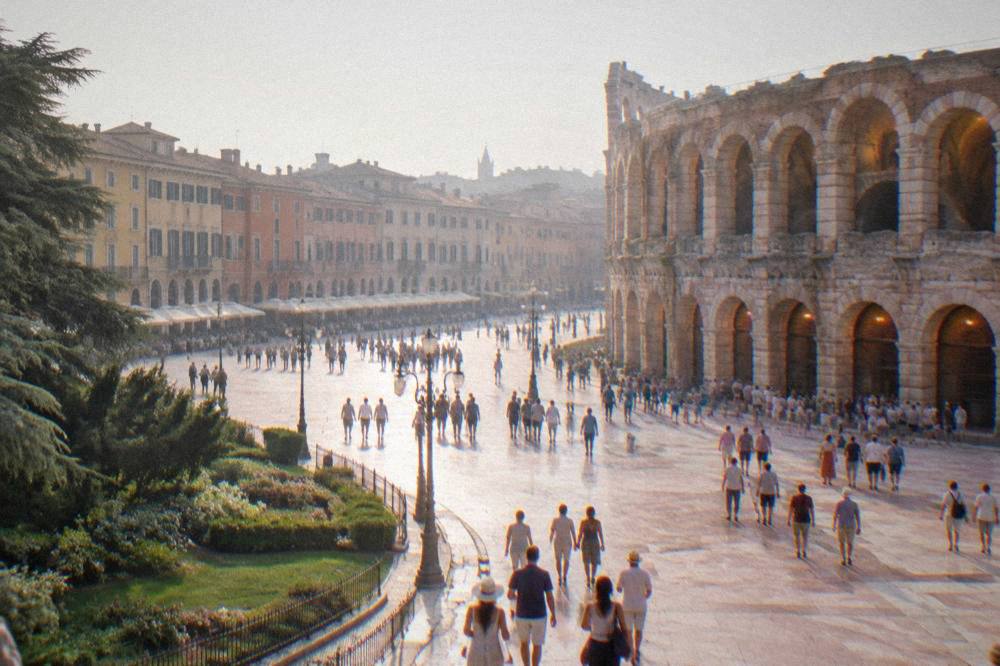
The Arena sits on Piazza Bra in central Verona, inside the loop of the Adige, and every main landmark of the historic centre is within a short walk of the square. The urban ATV bus single costs 1.50 euro and is valid 90 minutes, per ATV's own fare page, and the historic centre is a camera-policed ZTL where non-resident cars are limited to four entries a month, so on opera nights the practical answer is foot, bus or taxi.
The driving restriction matters more on show nights than any other. Per the Comune di Verona's ZTL page, non-residents may enter the limited zone at most four times a month on a booking, in windows reported as Monday to Friday 10:00 to 18:00 and 20:00 to 23:00 and weekends from 10:00 to 13:30, and hotel guests enter free if the hotel registers the plate. Cameras enforce it. The full rules live in the Verona ZTL and parking guide, and anyone with a rental car should read that page before deciding to drive to a performance.
Arriving from farther out is straightforward. The Verona train station guide covers Porta Nuova, and the airport transfer page reports the Aerobus line 199 at 7 euro and about 15 minutes from Verona Villafranca, though the VeronaCard does not include the Aerobus, per the Comune's own notice. Reported train times from Porta Nuova include Venice Mestre at 58 to 75 minutes and Milano Centrale at 1 hour 15 to 1 hour 50, times only; fares are not confirmed by the sources.
| Way to reach Piazza Bra | Figure the sources support |
|---|---|
| On foot from the historic centre | All main landmarks sit within a short walk of Piazza Bra |
| Urban ATV bus | 1.50 euro single, valid 90 minutes (ATV fare page) |
| Aerobus from Verona Villafranca airport | Reported 7 euro, about 15 minutes, line 199 |
| Car | ZTL limits non-residents to 4 entries a month; hotel guests enter free if the hotel registers the plate |
| Trains into Porta Nuova | Venice Mestre 58 to 75 min, Milan 1h15 to 1h50 (reported times only) |
On the night itself, leave for the gates earlier than feels necessary. The Arena asks for arrival an hour before curtain, and the square, the security perimeter and the stone staircases all take time at festival capacity.
What Else Can You Do In Verona Around Festival Season?
A Verona opera trip fills days as easily as evenings: the Arena by day costs 12 euro full, Juliet's House has been ticketed since 1 April 2026 at 5 euro for the courtyard route and 12 euro with the house and balcony, and Lake Garda sits 22 to 39 km west as a day trip, with Sirmione about 40 minutes by road from the Arena. The festival season, June to September, is also prime Valpolicella and lake weather.
The 2026 ticketing changes reshape a festival-day plan. Juliet's courtyard, free for years, now costs 5 euro for the courtyard route or 12 euro for the house and balcony, booked online with entry via the Teatro Nuovo, per the city's official announcement, so build the stop into the day's schedule rather than treating it as a walk-past. The Casa di Giulietta guide carries the full access detail.
Day trips multiply around a festival week, and the drive times from the Arena are computed from open routing data: Sirmione about 40 minutes, Bardolino 37, Garda 42, Malcesine 84, Valpolicella 25, Soave 33, Vicenza 48 and Mantua 54, all free-flow estimates. Sirmione pairs naturally with an opera stay, and the Sirmione guide plus the Verona and Lake Garda itinerary plan it as a full day.
| Day trip from the Arena | Drive time (computed, free-flow) |
|---|---|
| Valpolicella (Sant'Ambrogio) | About 25 minutes |
| Bardolino | About 37 minutes |
| Sirmione | About 40 minutes |
| Garda | About 42 minutes |
| Vicenza | About 48 minutes |
| Mantua | About 54 minutes |
| Malcesine | About 84 minutes |
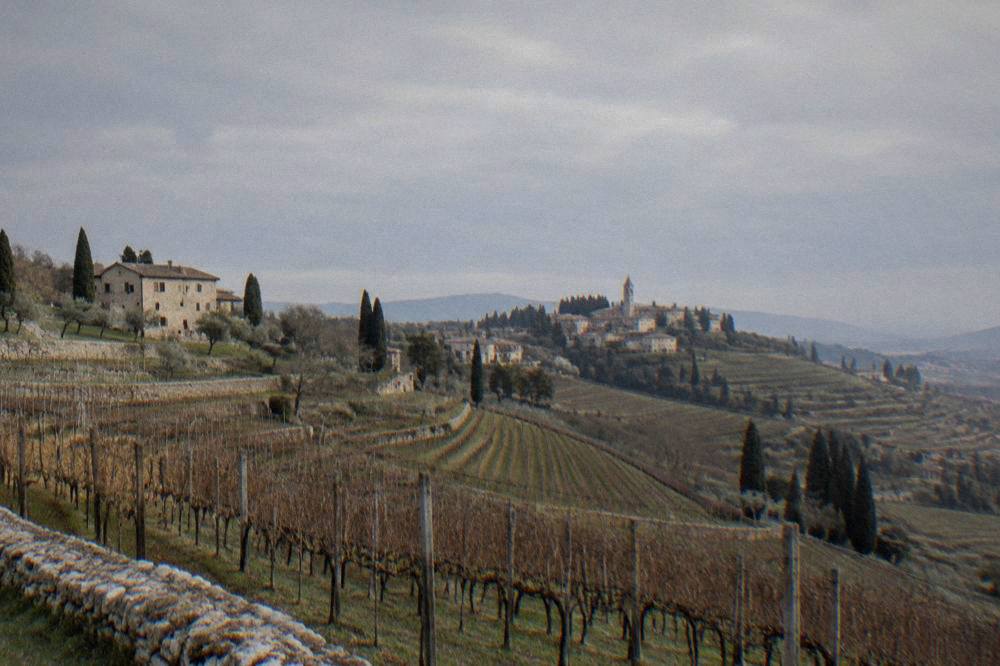
Wine fills the afternoons before an evening in the stone seats. The Valpolicella hills are the Amarone country north of the city, and the Valpolicella guide and the Valpolicella wine tour cover both independent and guided options, with winery prices to be confirmed directly since no tasting fees are confirmed in the sources. Food-wise, the Verona food tour guide and the restaurants guide point at the eating layer of the city; no individual restaurant is named on this page because the sources here confirm none. Where to sleep is its own question: the where to stay in Verona page maps the districts, and every stay carries the city's tourist tax, collected by the accommodation and capped at four nights per person per month.
A quieter way to round out a festival stay is the evening walk. After a performance, Piazza Bra stays lively, and the city's towers and bridges hold the late light; the Verona walking tour guide sketches the route that ties Piazza Bra, Piazza delle Erbe and the river crossings together. The free things to do in Verona page lists what costs nothing, from the squares to Ponte Pietra, useful for balancing a ticket-heavy week.
For the lake day itself, a guided Sirmione excursion with a boat cruise handles the logistics; Check availability for festival-season dates, which fill early.
Common Questions About The Verona Opera Festival
When is the Verona Opera Festival in 2027?
Per the Arena's own site, the 104th edition runs 11 June to 11 September 2027. The 2026 edition, the 103rd, ran 5 June to 12 September. Programme titles for 2027 had not been announced on the official pages.
How much do opera tickets at the Verona Arena cost?
Stone-step seats start in the EUR 30s, per the Arena's rates pages, and that is the only confirmed price wording. Higher sectors and stalls cost more; check the current sector prices on the Arena's own ticket page before booking.
Can you wear shorts to the opera in Verona?
No strict dress code was found on the Arena's official pages, and no rule against shorts appears in the published terms. Smart attire is preferred in the stalls. The practical constraint is weather, not formality.
Does the opera at the Verona Arena get cancelled for rain?
Per the Arena's terms, no performance is cancelled before its scheduled start. It may be delayed up to 150 minutes or suspended, and there is no refund once a performance has started. Umbrellas are permitted.
What time does the opera start at the Arena di Verona?
Reported start times are around 21:00 to 21:30 in June, earlier later in the season. Gates open about two hours before curtain, and the Arena asks visitors to arrive at least an hour early.
Does an opera ticket include a daytime visit to the Arena?
No. The daytime amphitheatre visit is a separate ticket at 12 euro full and 9 euro reduced, reported open Tuesday to Sunday, about 9:00 to 19:00, closed Monday, with earlier closing on show days.
A festival evening at the Arena is the single event that most rewards planning in Verona: the dates are fixed, the stone steps are the affordable seat, the rain policy rewards an umbrella, and everything else in the city, from Juliet's ticketed courtyard to the Valpolicella hills, arranges itself neatly around the curtain time. This editorial desk will keep reporting the Arena's own published figures as the 2027 programme takes shape. More city planning lives across the Verona Italy Travel Guide, starting with one day in Verona for anyone stitching an opera night into a short stay.