Arena Di Verona Seating: Stalls, Steps And Which Seat To Pick
The Arena in Verona seats you either in numbered stalls chairs down on the arena floor or on the original Roman stone steps that ring them, and which of the two you pick changes the price, the comfort and the view.
Short answer
Numbered stalls seats on the arena floor offer comfort and closeness; the gradinata stone steps offer the cheapest tickets and the classic amphitheatre view. Daytime visits cost 12 euro full, 9 euro reduced, 3 euro for ages 18 to 25 from EU and reciprocity countries.
The Arena di Verona, the first-century Roman amphitheatre standing in Piazza Bra in Verona, Veneto, seats its audience in two fundamentally different ways: on numbered chairs placed on the flat arena floor, and on the ancient stone tiers that rise around it in rings. Understanding that split is the whole game, whether you are buying a 12 euro daytime ticket to walk the empty cavea or booking an opera night when the building holds its stated capacity of 30,000 effective seats, per the Arena's own site. This guide from the Verona Italy Travel Guide desk walks through both experiences, sector by sector, with the prices the official sources print and the practical rules the Arena's own terms page reports.
How Is Seating Inside The Arena Di Verona Organised?
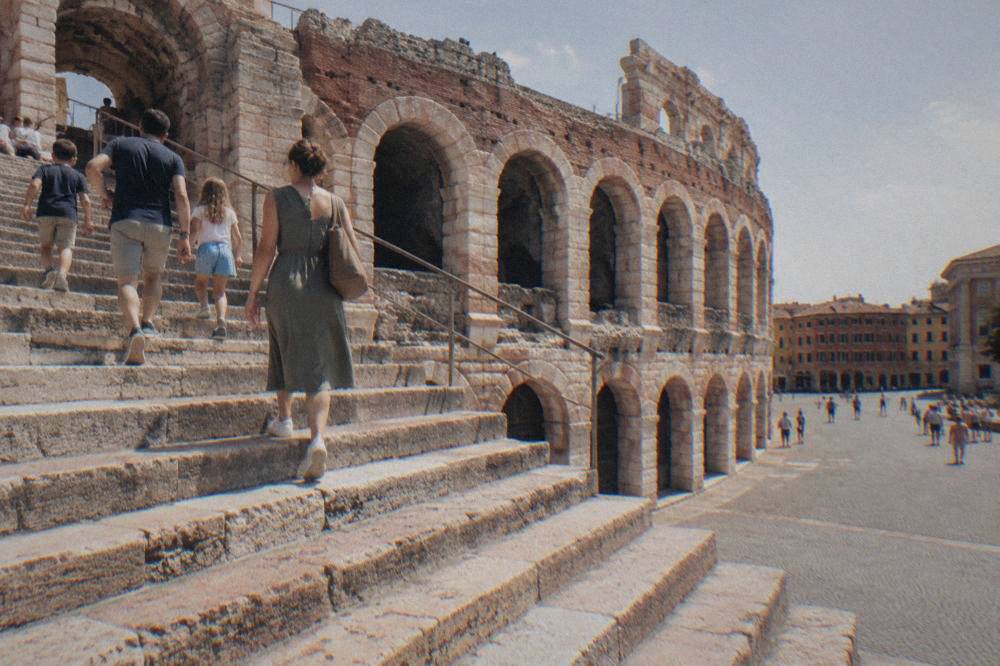
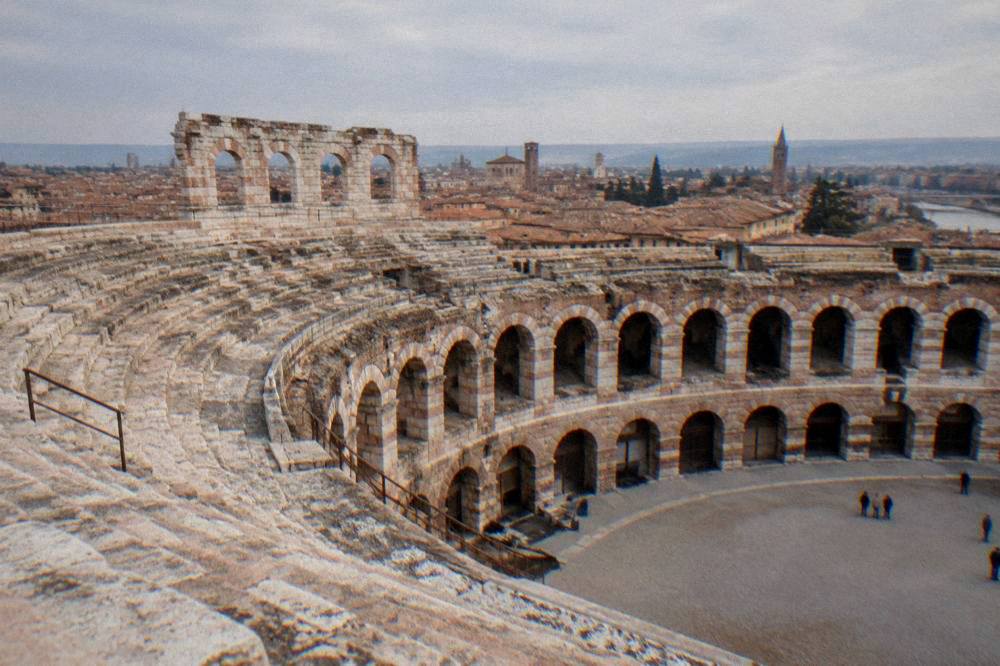
Seating inside the Arena di Verona splits into two families: numbered stalls seats (poltrone) placed on the arena floor for the opera season, and the gradinata, the curved stone tiers of the original Roman cavea that ring the floor and rise in successive rings toward the top of the building. The stone tiers are numbered in sectors, with the lower-cost areas including unreserved elements, and the stalls are fully numbered and closest to the stage. The split matters because the two halves of the house deliver almost different evenings: the floor puts you inside the production, the steps put you inside the architecture.
The Arena's own site describes the building as a first-century amphitheatre, built about 30 AD, older than the Colosseum, which dates to about 80 AD, and described as the third-largest surviving Roman amphitheatre after the Colosseum and Capua. That scale is what you inherit when you sit high on the stone: the outer ring fell in the earthquake of 1117 and only the Ala wing survives, so the cavea you climb is the part the Romans rebuilt and reused for gladiator games and animal hunts, per the Arena's history pages. The full history of the Arena is covered in its own guide.
For opera, the Fondazione Arena states a capacity of 30,000 effective seats, a figure that includes both the floor and the tiers; the question of how many people the Arena di Verona can seat has its own answer page. During the day, by contrast, the building is visited as an empty monument: you walk the floor, climb the tiers and sit where you like among the open sections, subject to closures on show days.
What Do The Stalls Seats On The Arena Floor Offer In Verona?
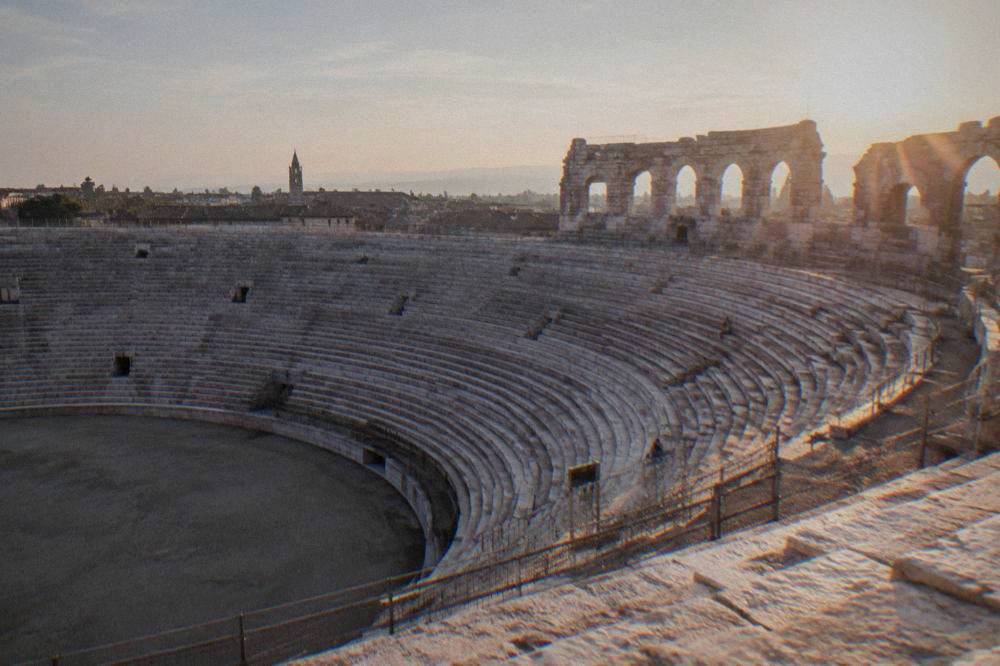
The stalls (poltrone) are numbered chairs set on the flat arena floor itself, arranged in sectors facing the stage, and they are the closest, most comfortable and most expensive seating in the house: the top category, Poltronissima Platinum, sits nearest the stage, with progressively cheaper numbered sectors behind it. The floor is flat, so sightlines to the raised stage are clear but the sense of the amphitheatre above you is reduced. Per the Arena's own rates pages, prices run from stone-step seats in the EUR 30s up to the Platinum stalls, and the exact sector table is published on the Arena's ticket pages each season.
What the floor gives you is intimacy. The stage sets in Verona are famously large, and from the front stalls the singers are close enough that the unamplified voice arrives directly, which is the point of the building. What it takes away is perspective: the classic postcard view of an Arena evening, the ring of lit stone tiers under the sky, belongs to the people on the steps looking across at each other, not to the people on the floor looking up.
Practical differences follow the price difference. Stalls seats are individual chairs on level ground, so they suit anyone who finds stone steps hard; the Arena's terms pages report no step-free access guarantee, and visitors with mobility needs should contact the venue directly before booking, since no lift or ramp arrangement is stated in the official sources. There is no cloakroom, and bulky bags above the small-backpack limit are refused, so plan to travel light regardless of sector.
A guided visit is one way to test the geometry before committing to a night ticket. The Verona Arena Skip-the-line Tour pairs a daytime entry with a local guide who walks the tiers and explains the sectors; Check availability if that framing suits you.
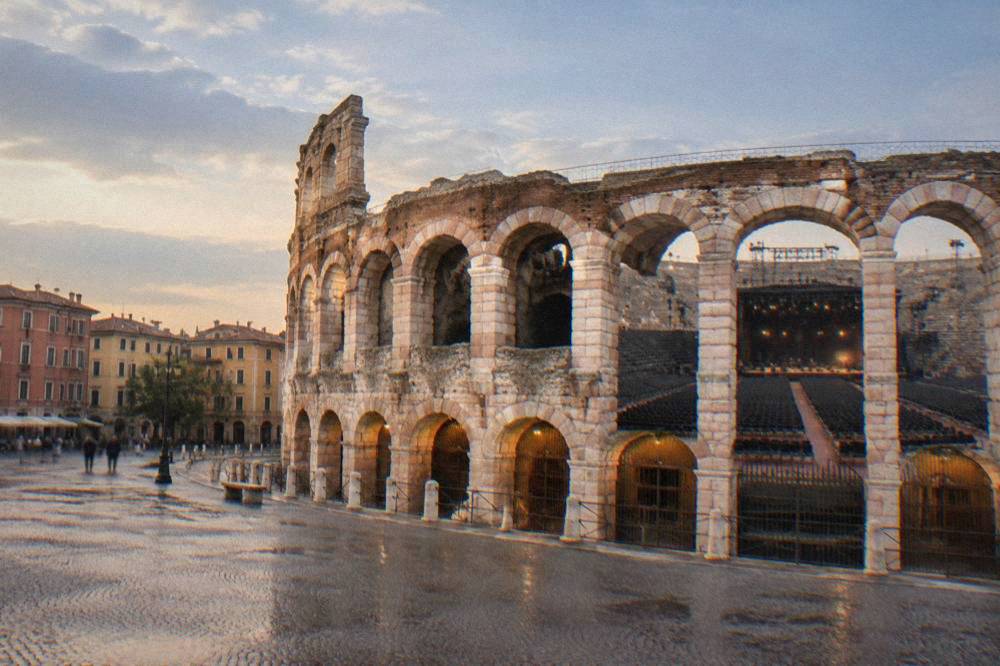
Which Stone-Step Seats (Gradinata) Should You Pick At The Arena Di Verona?
The gradinata is the numbered stone seating cut into the Roman tiers, and it is where the cheapest tickets live: per the Arena's own rates pages, stone-step seats start in the EUR 30s, with the numbered gradinata sectors cheaper than the stalls and the higher, farther rings cheaper still. Because the steps are literal stone, a small cushion is permitted under the Arena's reported rules, and sightlines improve as you climb, at the cost of distance from the stage.
The logic of the steps is the reverse of the floor. Down low, behind the stalls, you are close but partially boxed in; the stage towers and the top of the building is out of sight. Up high, in the upper rings, you see the whole bowl, the rooftops of Verona beyond the open top and often the moonrise, which is why the upper gradinata has its devoted regulars. The sides give a straighter view of the stage than the ends of each curved ring; the sectors directly opposite the stage are the traditional sweet spot for spectacle productions like Aida.
Comfort is the honest trade. The steps are worn Roman stone, banks of it, and an evening runs late: per the Arena's reported practicals, performances begin around 21:00 to 21:30 in June and earlier as the season moves toward September, with gates opening about two hours before and the venue asking visitors to arrive at least an hour early. A cushion, a small backpack and an umbrella are permitted, subject to security checks; food and drinks are not, and there is no cloakroom.
If a pure Arena visit is not the whole plan, the Verona: Tour with Arena, Cable Car & Optional Juliet Tickets combines an Arena walk with the city above the river, or Check availability.
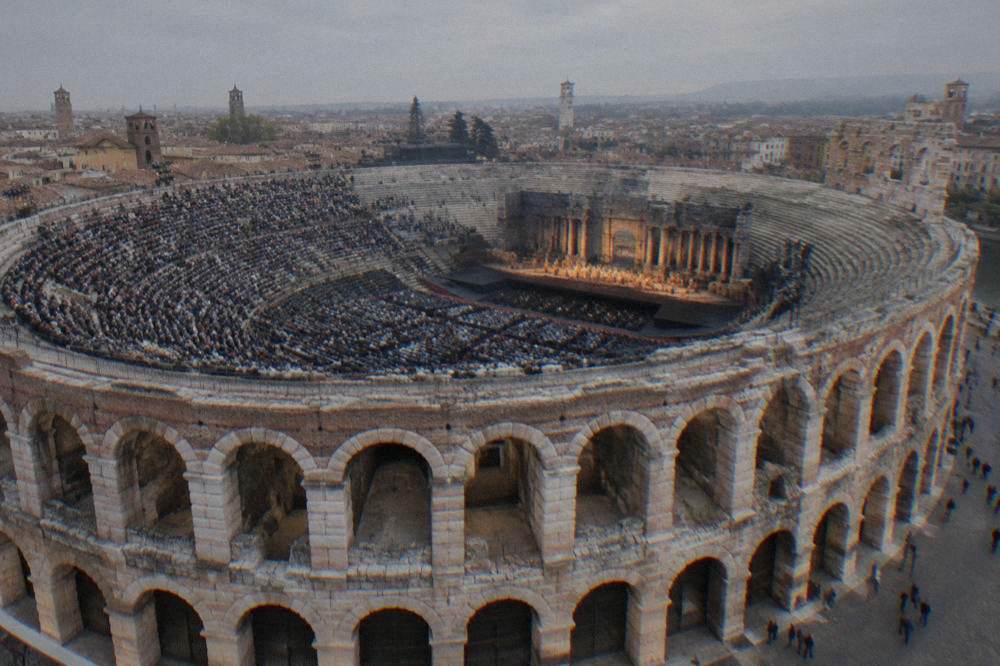
What Does A Daytime Visit To The Arena Cost In Verona?
A daytime visit to the Arena costs 12 euro for a full ticket and 9 euro reduced for groups of 15 or more, over-65s and other concessions, according to the Comune di Verona's own price list. Visitors aged 18 to 25 pay 3 euro, entry is free for under-18s and for VeronaCard holders, and the first Sunday of the month from November to March costs 1 euro. Daytime there is no seating at all: the floor is open, and you choose your own spot on the tiers from whatever sections are unlocked.
The Comune's page carrying the price list shows a last update of 10 September 2026, so these are the current civic figures. The hours are reported by the Arena's own channels as Tuesday to Sunday, about 9:00 to 19:00, closed Monday, with earlier closing on show days and last entry 30 minutes before closing; confirm the day's hours on the official page before you go, because during the opera season show days close whole sections early.
| Ticket type | Price (daytime visit) |
|---|---|
| Full | 12 euro |
| Reduced (groups 15+, over 65, concessions) | 9 euro |
| Ages 18 to 25 (EU and reciprocity) | 3 euro |
| Under 18 | Free |
| First Sunday of the month, November to March | 1 euro |
For a night at the opera, the only price wording the official pages support is that stone-step seats start in the EUR 30s; the full sector-by-sector table, from the numbered gradinata to the Platinum stalls, is published on the Arena's own ticket pages, and prices shift by date, premiere and gala. Check the current sectors and prices on the Arena's own ticket page before booking.
| Visit type | What you sit on | Booking |
|---|---|---|
| Daytime monument visit | Nothing fixed: open floor and unlocked tier sections | Civic ticket, VeronaCard holders enter free |
| Opera night, stalls | Numbered chairs on the arena floor | Arena ticket office or official site |
| Opera night, gradinata | Numbered stone steps, cushion permitted | Arena ticket office or official site |
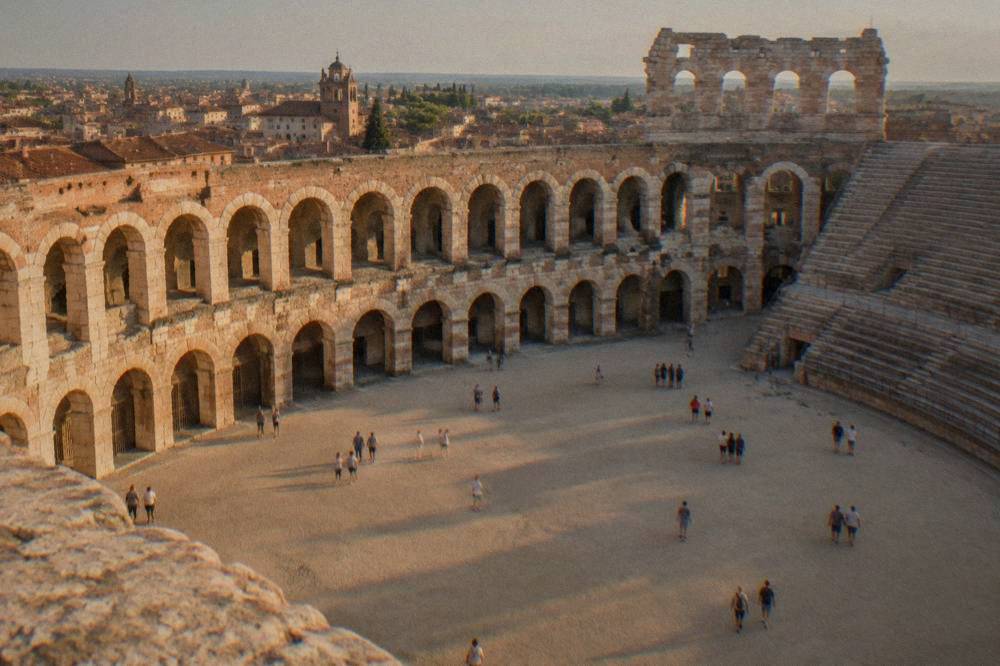
When Is The Arena Seating In Use: The Opera Season In Verona?
Arena seating is in use only during the opera festival: the 2026 edition, the 103rd, ran 5 June to 12 September 2026, and the 2027 edition, the 104th, is announced for 11 June to 11 September 2027, per the Arena's own site. Outside those weeks the seating comes out or stays empty and the monument runs as a daytime visit. So the seating question is really a season question: the same stone you walk alone in February holds tens of thousands of people on a July night.
The 2026 season staged a new La Traviata, two stagings of Aida, Nabucco, La Boheme and Turandot; the 2027 programme had not been announced, so check the Arena's pages for titles and dates. The Verona opera festival has its own full guide, including how a night runs from gate opening to the end.
Weather shapes the season. The ERA5 reanalysis for Verona, 1991 to 2020, puts the July mean daily high at 29.3 C and the June high at 26.6 C, cooling to a September high of 23.7 C, with June, July and August nights sitting in the 16 to 19 C range: a stone step at 21:30 in July is warm, in early September it can want a layer. Rain is the Arena's own special subject: per its reported terms, a performance is never cancelled before the scheduled start, may be delayed up to 150 minutes or suspended mid-show, and once it has started there is no refund, with partial protections applying if it is suspended early.
| Season marker | Dates | Source |
|---|---|---|
| 2026 festival (103rd edition) | 5 June to 12 September 2026 | Arena's own site |
| 2027 festival (104th edition) | 11 June to 11 September 2027, announced | Arena's own site |
| Daytime monument hours | Tuesday to Sunday, about 9:00 to 19:00, closed Monday | Reported; confirm before you go |
| July mean daily high | 29.3 C | ERA5 reanalysis, 1991-2020 |
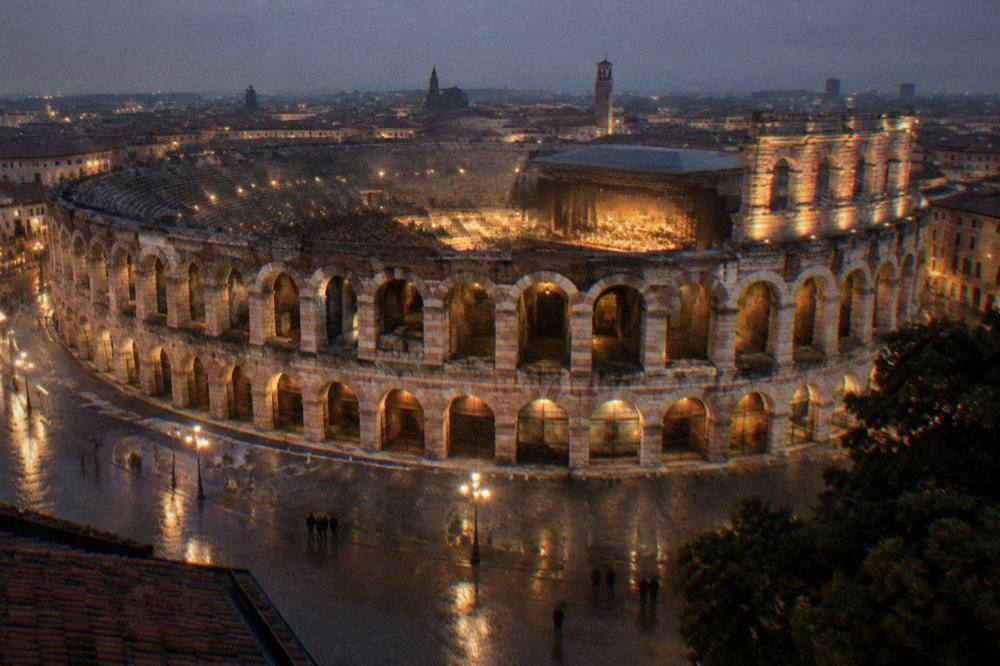
Where Should Families And First-Timers Sit At The Arena Di Verona?
Families and first-time visitors are usually best served by the numbered gradinata sectors on the side of the stage: they carry the entry-level prices that start in the EUR 30s, they give children the full view of the bowl and the stage machinery, and they allow an early exit up the tiers if an evening runs long. First-timers who want the singers close should spend on stalls; first-timers who want the Arena itself should sit on stone. There is no sourced child ticket price for the Arena, so check the current concessions on the official ticket pages before booking.
Two practical notes from the reported rules. Small backpacks are allowed, subject to security checks, but bulky bags are refused and there is no cloakroom, which matters with children. No strict dress code against shorts or anything else was found on the official pages; the terms and FAQ are the place to confirm current rules before you go. The question can you wear shorts to the opera in Verona is answered in full on its own page.
For visitors who find steps genuinely difficult, the honest position is that the official sources state no step-free route, lift or ramp for the Arena tiers, so contact the venue directly before buying; the marble-paved old town around Piazza Bra is itself polished and uneven underfoot. If the Arena proves impractical for someone in your party, Verona has a compact centre where the sights sit close together, and the Verona in one day itinerary keeps walking distances short.
How Do You Get To The Arena And Its Seating Entrances In Verona?
The Arena sits directly on Piazza Bra, at the western edge of Verona's historic centre, and its entrances are a short flat walk from the bus stops and about ten minutes on foot from Porta Nuova station along the main pedestrian axis; the urban bus single is 1.50 euro for 90 minutes, per ATV's own fare page. There is no need for a car: the historic centre is a camera-enforced ZTL, and the Arena has no public parking of its own.
From Verona Villafranca airport, the reported Aerobus line 199 runs to the station in about 15 minutes for a reported 7 euro; confirm the fare before you travel. On opera nights the whole city converges on Piazza Bra, and the Arena's reported advice is to arrive at least an hour early, with gates opening about two hours before curtain, so the seating scramble is real on the gradinata, where finding your numbered ring in the dark takes longer than you expect.
If you are pairing the Arena with the wider city, the Verona: Lake Garda E-Bike tour with lunch SELF GUIDED covers the lake country to the west, or Check availability.
| Journey to the Arena | Figure | Note |
|---|---|---|
| Porta Nuova station to Piazza Bra | Short flat walk on foot | Station district guide has the detail |
| Urban bus single | 1.50 euro, 90 minutes | ATV fare page |
| Airport Aerobus line 199 | Reported 7 euro, about 15 minutes | Confirm before you travel |
| Historic centre driving | Camera-enforced ZTL | Park outside and walk |
The Piazza Bra guide covers the square itself, and the Verona train station guide covers arriving by rail.
Is The Arena Seating Worth It Compared With Other Verona Sights?
Arena seating is worth it if you want the one experience no other Verona sight offers, an unamplified opera performance inside a first-century amphitheatre, and the gradinata's EUR 30s entry price is low against the scale of the event; but a daytime visit at 12 euro full, 3 euro for ages 18 to 25 from EU and reciprocity countries, delivers the building itself without a seat at all, and suits anyone whose interest is Roman Verona rather than opera. The choice is less "which seat" than "which Arena": monument by day or theatre by night.
For context, the VeronaCard became digital on 1 September 2026 at 33 euro for 24 hours and 38 euro for 48 hours with ATV transport, or 29 and 32 euro without, per the Comune's own notice, and it covers entry to the Arena's daytime visit; an opera ticket is a separate purchase from the Fondazione Arena. Whether the card pays off depends on how many civic sights you pack around the Arena, and the VeronaCard guide runs the arithmetic.
| Experience | Price basis | What you get |
|---|---|---|
| Daytime Arena visit | 12 euro full, 3 euro ages 18-25 | Empty monument, walk the tiers |
| Opera night, stone steps | Start in the EUR 30s | Numbered stone seat, full production |
| Opera night, stalls | Higher, per the Arena's sector table | Numbered chair on the floor |
| VeronaCard 24h with transport | 33 euro | Daytime civic sights including the Arena |
The Arena is older than the Colosseum by about half a century, as is the Verona Arena older than the Colosseum explains, and gladiators and animal hunts filled its tiers in antiquity, as the gladiators page sets out. Seating continuity is the quiet marvel here: you sit where a Roman crowd sat, on stone the campaigns of the 16th century onward rebuilt after the 1117 earthquake, per the Arena's own history pages.
Common Questions About Arena Di Verona Seating
Are the stone steps at the Arena di Verona uncomfortable?
They are literal stone, worn by two millennia of use. A small cushion is permitted under the Arena's reported rules, subject to security checks, and regular opera-goers treat one as standard equipment for a night that begins around 21:00 or later.
Can you choose your seat at a daytime Arena visit?
There is no assigned seating by day. The floor and the unlocked tier sections are open to walk and sit in at will, subject to closures on show days; the Arena's own channels report Tuesday-to-Sunday opening of about 9:00 to 19:00, closed Monday, so confirm the day's access before you go.
What is the cheapest way to see the Arena di Verona?
By day: the first Sunday of the month from November to March costs 1 euro, and under-18s and VeronaCard holders enter free at any time. By night: stone-step seats start in the EUR 30s, per the Arena's own rates pages, with the exact sector table published each season.
Is there a dress code for opera seats in Verona?
No strict rule, including on shorts, was found on the Arena's official pages. The terms and FAQ are the authority to check before you go; smart attire is preferred in the stalls by convention, but nothing enforced is stated in the sources.
Does the VeronaCard cover opera seating?
No. The card covers the daytime monument visit, per the Comune's notice, but opera tickets are sold separately by the Fondazione Arena through its own ticket channels.
Can visitors with limited mobility reach the Arena seating?
The official sources state no step-free route, lift or ramp for the Arena, so contact the venue directly before booking. The surrounding old town is marble-paved and polished, which is worth planning for in itself.
Whatever seat you pick, arrive early, carry little, and look up from the steps at least once: the ring of stone above you is the reason the evening exists.