The Dolomites From Verona: What Is Realistic In A Day
Verona sits in the Po Valley at the foot of the pre-Alps, and the white Dolomite peaks are visible on clear days from high points around the city. But a real day trip into the Dolomites is a different question, and the honest answer depends on distances the guidebooks rarely print.
Short answer
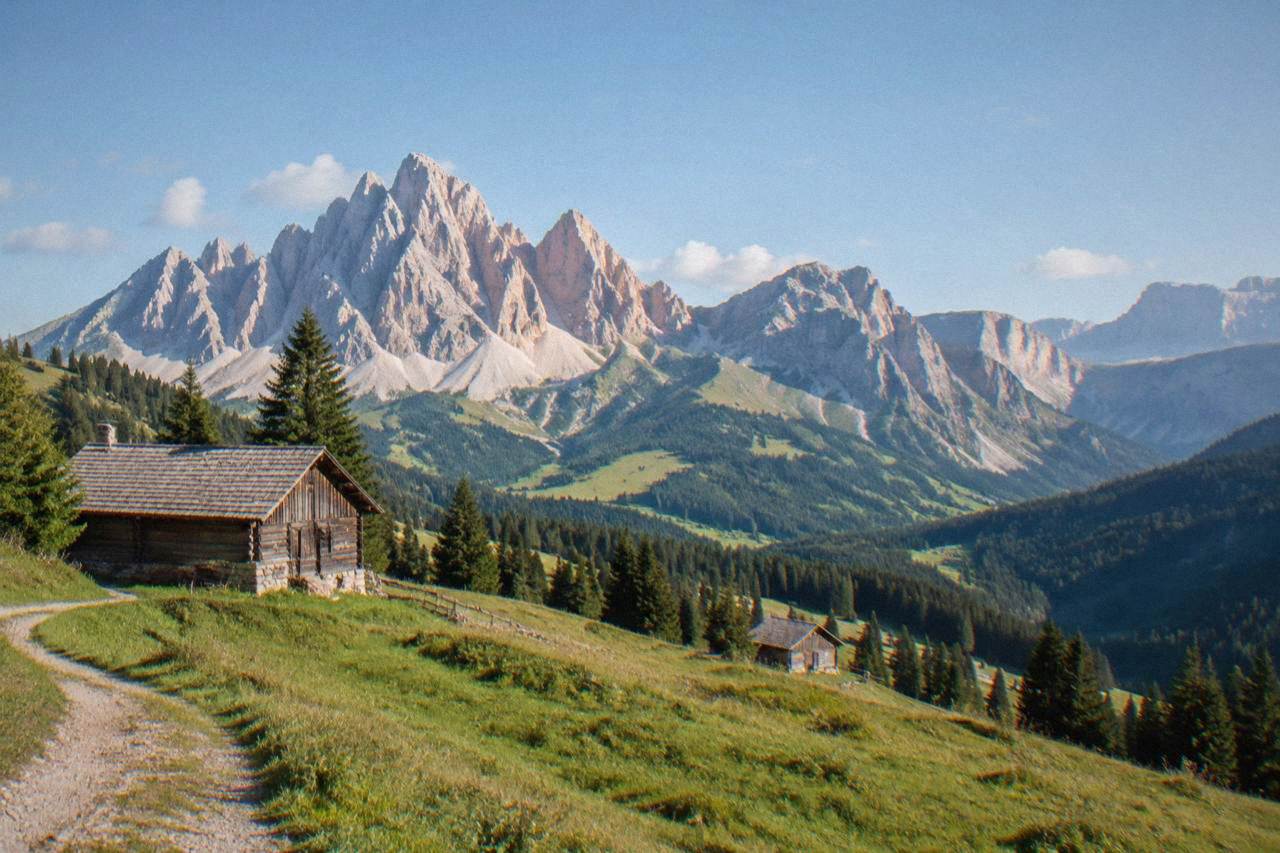
The Dolomites are a long day from Verona by any measure, and the drive times for other Verona day trips show why: even Lake Garda's far shore at Malcesine is about 84 minutes away, while the Dolomite valleys lie well beyond that. The realistic mountain days from Verona are Monte Baldo above Malcesine and the Madonna della Corona shrine.
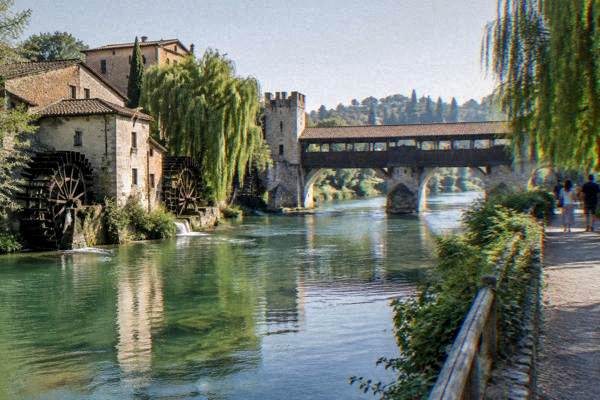
Verona, in Veneto, northern Italy, is an inland city on the Adige river, built around a first-century Roman Arena and ringed by vineyard hills rather than mountains. On clear days the pre-Alpine ridges north of the city hint at what lies beyond, and the Dolomites proper begin further north still, across the provincial border into Trentino and South Tyrol and then into the high valleys that give the range its name. This page sets out what is realistic for a visitor based in Verona who wants a mountain day, what the drive-time data actually supports, and which closer mountain experiences, Monte Baldo and the Madonna della Corona shrine, fill that ambition without an exhausting round trip. It is part of the wider coverage on Verona Italy Travel Guide, alongside the practical pages on things to do in Verona and the one-day Verona itinerary.
How Far Are The Dolomites From Verona, Really?
No Dolomites drive time from Verona appears in the site's data, and the honest position is that the range is beyond comfortable day-trip distance by road: the nearest long drive from the Arena is Malcesine on Lake Garda at about 84 minutes, and the Dolomite valleys lie well beyond Malcesine, deeper into the Alps on mountain roads that are slower than the plain. Anyone planning a Dolomites day from Verona should confirm current driving times and pass conditions before committing.
What the data does verify is the ladder of distances outward from Verona, and it is a useful reality check. Every figure below was computed over OpenStreetMap routing in free-flow conditions, with no traffic, from the Arena in the centre of Verona. The pattern is clear: the classic Verona day trips cluster within an hour, and anything mountainous begins at the far edge of that band.
| Destination from Verona's Arena | Drive time (free-flow) | Distance by road |
|---|---|---|
| Valpolicella (Sant'Ambrogio) | about 25 minutes | about 21 km |
| Soave | about 33 minutes | about 33 km |
| Vicenza | about 48 minutes | about 65 km |
| Mantua | about 54 minutes | about 59 km |
| Padua | about 67 minutes | about 93 km |
| Bardolino (Lake Garda) | about 37 minutes | not stated |
| Sirmione (Lake Garda) | about 40 minutes | not stated |
| Garda (Lake Garda) | about 42 minutes | not stated |
| Malcesine (Lake Garda) | about 84 minutes | not stated |
The Dolomites are not on this list because no reliable figure for them exists, and the site does not invent one. What can be said plainly is directional: Malcesine, the furthest destination at about 84 minutes, sits at the northern end of Lake Garda, and the Dolomites begin beyond and above that line. Mountain roads add time over free-flow estimates, passes close in winter, and a same-day return to Verona compresses time on the ground to very little. For a trip built around the Dolomites themselves, staying one or two nights in the valleys is the standard advice in every serious alpine guide; from Verona, the realistic substitute is a mountain day closer to home, which the sections below set out with figures.
Can You Do The Dolomites From Verona Without A Car?
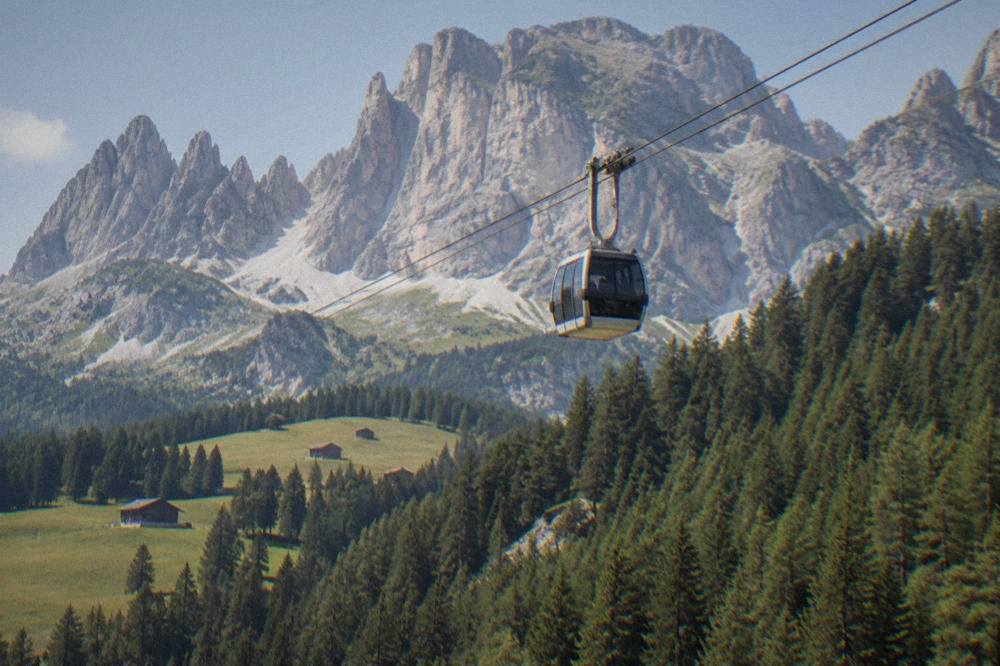
Getting to the Dolomites from Verona without a car means trains north from Porta Nuova and then regional connections into the valleys, and no timetable figure for that journey appears in the site's data: the rail times listed for Verona cover Venice, Milan and Rome, not the alpine lines. A car-free Dolomites day trip from Verona is therefore possible in principle and impractical in planning, and visitors should confirm the full journey on the operators' own sites before committing a day to it.
Porta Nuova is Verona's main station and a genuine rail hub for the north. The journey times that exist are these: Venice Mestre in 58 to 75 minutes, Milano Centrale in 1 hour 15 to 1 hour 50, and Rome in about 3 to 3 hours 30, all reported by rail sources rather than printed by the operators themselves. Nothing equivalent exists for the Dolomite valleys, which involve changes onto smaller mountain lines and, for many valleys, buses beyond the railhead. Every leg adds waiting time, and the arithmetic of a day trip collapses quickly when two legs each way are involved.
The comparison with the trips Verona does support easily is stark. A Sirmione day trip runs on a direct ATV bus line reported at about 55 minutes from Porta Nuova. The Venice day trip is a reported 1 hour to 1 hour 15 by train each way, fast enough that this site carries a dedicated page on doing Verona and Venice in one day. Against that, a Dolomites excursion without a car is a different category of journey altogether, and the prudent planning move is either to rent a car for the day, using the guidance on Verona's ZTL restricted zone before driving anywhere near the centre, or to choose one of the mountain days described next, several of which run as organised tours from the city.
What Does A Realistic Mountain Day From Verona Look Like?
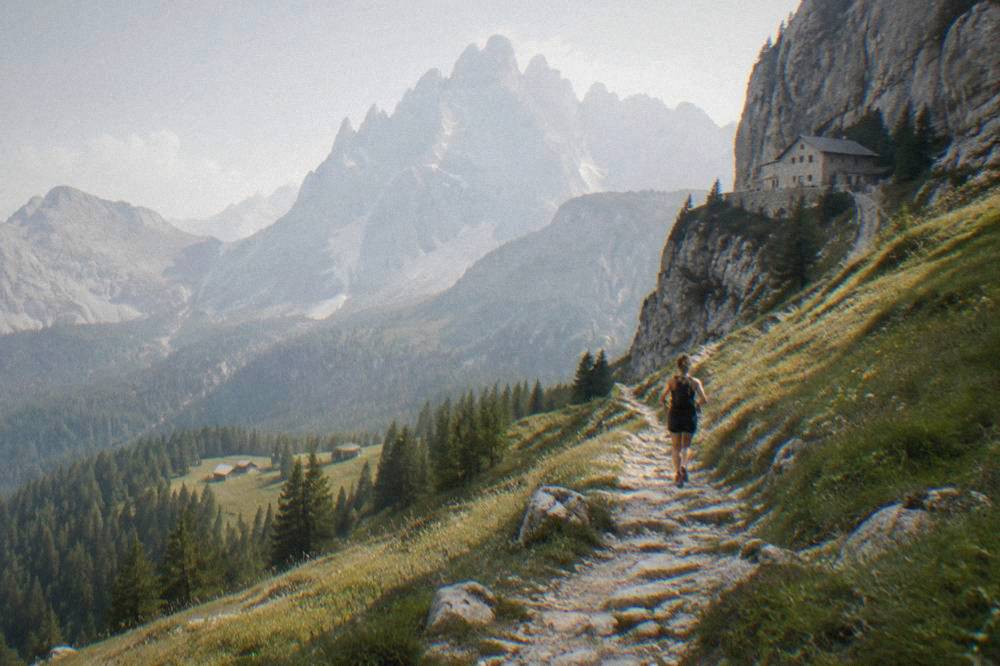
A realistic mountain day from Verona is either Monte Baldo, reached by driving about 84 minutes to Malcesine and taking the cable car to the high ridge, or the Madonna della Corona shrine, a cliffside sanctuary reached on an organised day trip from the city: both are genuine alpine experiences, and both return to Verona the same evening without the punishing schedule a true Dolomites circuit demands.
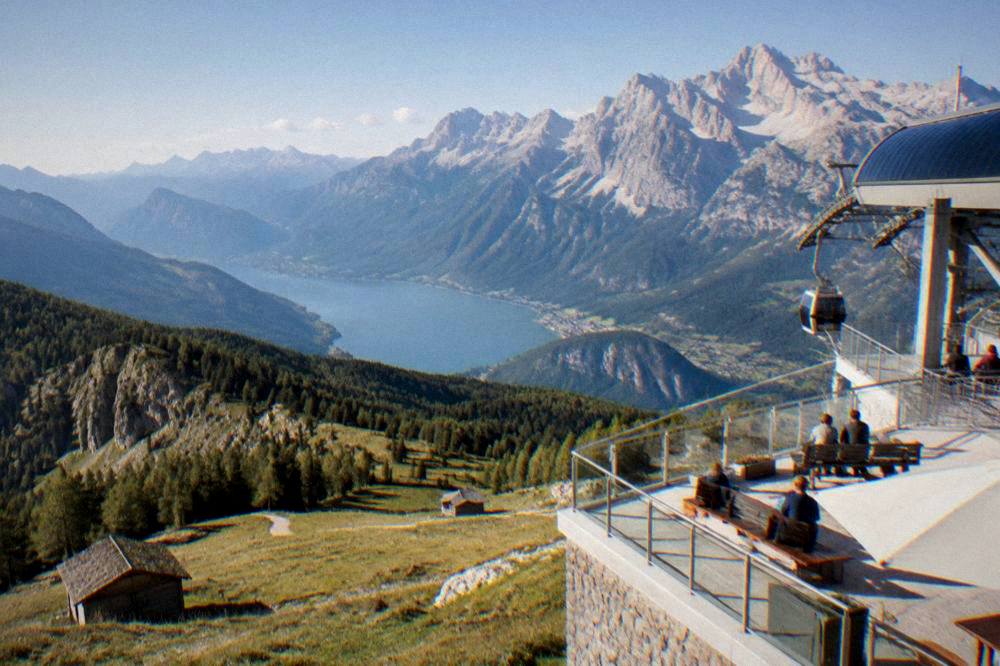
Monte Baldo deserves the description. The mountain sits directly above Lake Garda, and its cable car from Malcesine is one of the few alpine attractions near Verona with published prices: a round trip costs 30 euro for an adult, 28 online, with junior fares at 18 and 16 online, and the season runs about 4 April to 1 November 2026, closing for maintenance either side of that window. From the top station the ridge path runs along the balzone, the high meadow shelf the mountain is known for, with the lake on one side and the Dolomite pre-Alps on the other. On a clear day the white peaks are part of the view, which is the closest a day-tripper from Verona gets to them while actually standing in the mountains.
The Madonna della Corona is the other option. The shrine is built into a sheer rock face above the Adige valley south of Lake Garda, and it is reached on foot by a stone path down the cliffside, which is why it works so well as an organised excursion: the day tour from Verona handles the transport and the timing, and the walk itself is the experience. Between the two, most mountain ambitions are met.
For a trip with more time, pairing a mountain morning with a Verona afternoon works because the city's core is compact; the things to do in Verona page lays out the sequence that fits a half day, from the Arena to Piazza delle Erbe to Juliet's House, which since 1 April 2026 takes a 5 euro ticket for the courtyard route or 12 euro for the house and balcony, booked online.
Is a guided day trip the better choice here?
Yes, for anything involving mountain roads. A guided tour removes the ZTL question, the parking question and the cable-car queue in one move, and the operator's listing states the inclusions plainly. For visitors who would rather keep the day in the hills closer to Verona's own wine country, the operator's live listing for the Valpolicella option below is worth a look before deciding.
What Does Monte Baldo Cost And When Is It Open?
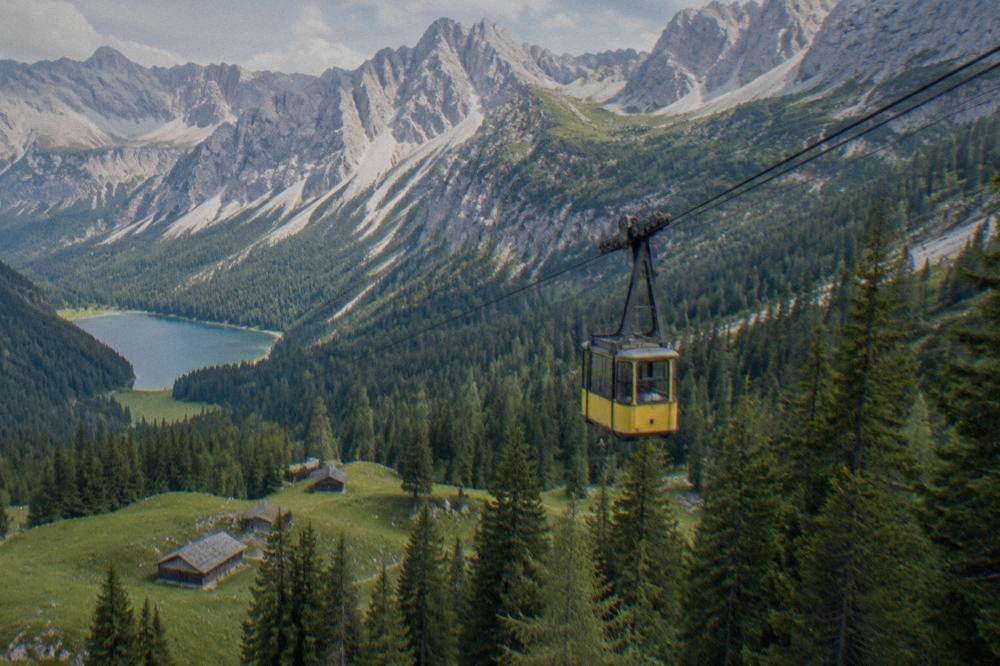
The Monte Baldo cable car from Malcesine costs 30 euro for an adult round trip, 28 when bought online, with junior tickets at 18 euro, 16 online, and the 2026 season ran about 4 April to 1 November, outside of which the system closes for maintenance: these are the operator's own published figures, and one-way tickets at 22 euro adult and 15 junior exist for walkers descending on foot. Children under 1.20 metres travel free.
The full fare table from the operator's site:
| Monte Baldo cable car ticket | Full price | Online price |
|---|---|---|
| Adult round trip | 30 euro | 28 euro |
| Junior round trip (born 2012 or later) | 18 euro | 16 euro |
| Adult one way | 22 euro | not stated |
| Junior one way | 15 euro | not stated |
| Under 1.20 m | free | free |
Getting to Malcesine from Verona is the longer half of the journey. The drive is about 84 minutes in free-flow conditions, computed over OSM routing from the Arena, and Malcesine sits at the northern end of the lake, 84 minutes being the longest of any Lake Garda destination. There is no public-transport figure for Verona to Malcesine in the site's data, so anyone relying on buses should confirm the current connections on the ATV site before planning. The alternative lake approach is the ferry network: Navigazione Laghi's full-lake day pass costs 39.50 euro for an adult in 2026, though the north-south passenger service is reported to be suspended from 2 November 2026 to 12 March 2027, so the boat is a seasonal option, not a year-round one. The wider Lake Garda guide and the Malcesine page cover both approaches in detail.
Timing matters as much as the ticket. The cable car's operating season, roughly early April to early November, is set by the maintenance calendar, and the last ascent is reported to be around 18:00 in summer, earlier from early October. Mountain weather changes fast on the ridge even in July, when the ERA5 reanalysis for Verona, far below, shows a mean daily high of 29.3 C: the top can be many degrees cooler and in cloud while the city swelters. Checking the operator's own site for the day's service status is the standard advice, and the online ticket discount is the practical reason to do it the night before.
When Is The Best Time Of Year For A Mountain Day From Verona?
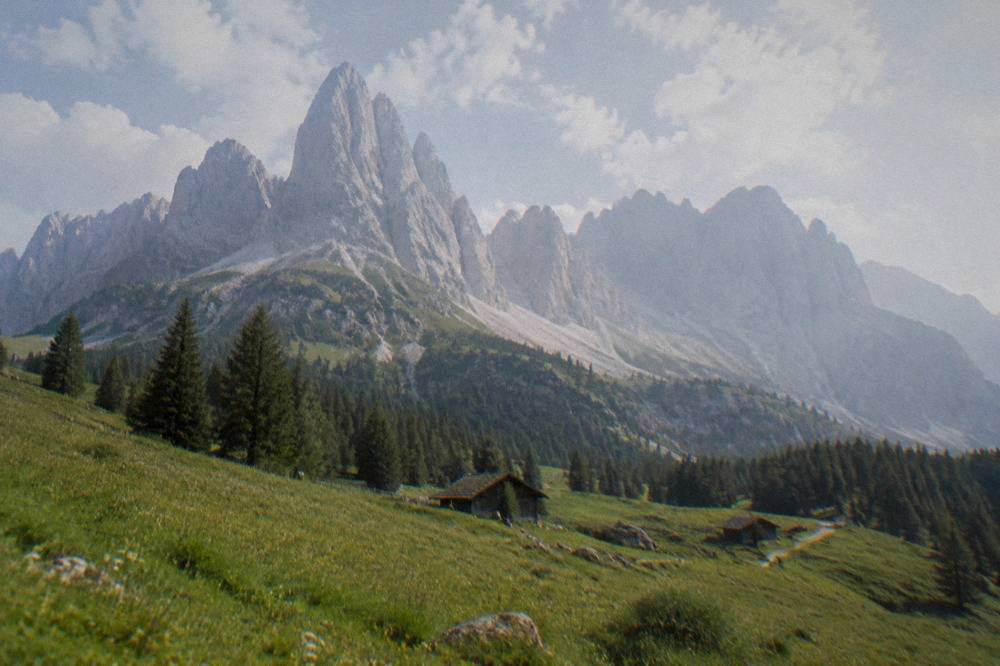
The climate data points to June through September as the mountain season from Verona: July and August bring mean daily highs of 29.3 and 29.1 C in the city, the strongest reason to escape upward, while April, May, September and October are milder at 17.8 to 23.7 C with higher rainfall in May, October and November, and winter closes both the cable car season and the high passes, leaving the Madonna della Corona and the city itself as the realistic options.
The ERA5 reanalysis for Verona, 1991-2020, gives the full picture for the valley floor:
| Month | Mean high C | Mean low C | Rain mm |
|---|---|---|---|
| Jan | 7.3 | -0.4 | 52.3 |
| Feb | 9.5 | 0.4 | 58.8 |
| Mar | 14.0 | 3.6 | 67.4 |
| Apr | 17.8 | 7.6 | 93.5 |
| May | 22.3 | 12.2 | 109.7 |
| Jun | 26.6 | 16.5 | 92.3 |
| Jul | 29.3 | 19.1 | 79.4 |
| Aug | 29.1 | 19.4 | 84.1 |
| Sep | 23.7 | 15.1 | 99.7 |
| Oct | 18.1 | 10.5 | 107.2 |
| Nov | 12.3 | 5.3 | 118.2 |
| Dec | 7.8 | 0.8 | 71.1 |
Two readings of this table matter for mountain planning. The first is heat: July and August are the months when a Verona city day is hardest and a high ridge most attractive, and they coincide with the cable car's high season and the Arena opera festival, which ran 5 June to 12 September in 2026 and returns 11 June to 11 September in 2027. The second is rain: May, October and November carry 109.7, 107.2 and 118.2 mm respectively, the wettest stretch of the Verona year, and mountain days in those months need a weather-window plan and a fallback. The Verona in autumn and Verona in winter pages cover what the city itself offers when the mountains are off the table.
A self-guided option for the in-between days: the city pairs well with a digital audio walk when the weather is uncertain, since the route can be paused and resumed.
What About The Madonna Della Corona As A Mountain Day Trip?
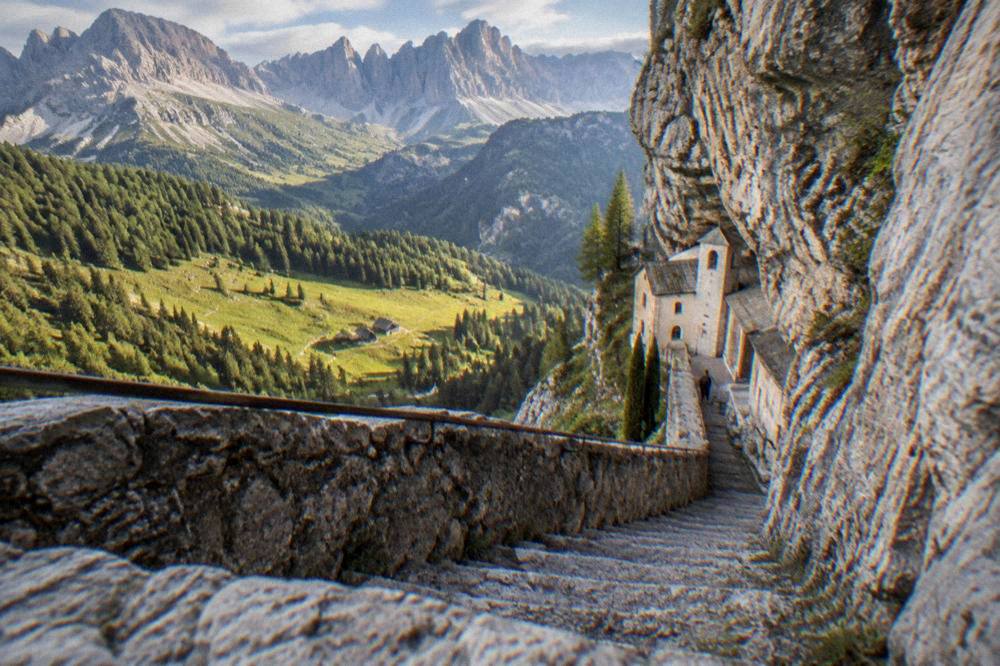
The Madonna della Corona shrine, a sanctuary built into a vertical rock face above the Adige valley, is the mountain day trip Verona can genuinely deliver: organised day tours run from the city to the shrine and back within an afternoon-to-evening frame, the descent to the sanctuary is a stone path cut into the cliff, and the experience is alpine in setting without any alpine driving on the visitor's part.
The shrine's setting is the point. It clings to a rock wall above the valley of the Adige, reached by a stepped path that drops from the road level to the sanctuary front, and returns the same way. No admission figure or opening-hour schedule for the shrine itself appears in the site's data, so the practical route is either an organised tour, where the listing states what is included, or a confirm-before-you-go check on the sanctuary's own information. Two organised options from Verona exist on the roster, and both describe themselves as day trips with the transport handled.
The Madonna della Corona also solves the Dolomites problem in a specific way: it delivers the cliff, the valley and the vertiginous path that people picture when they imagine an alpine excursion, at a fraction of the travel burden. Combined with a morning in Verona, an afternoon at the shrine makes a full and varied day.
What Are The Best Alternatives If The Dolomites Are Too Far?
If the Dolomites are out of reach for the trip, the alternatives within an hour of Verona are the Valpolicella wine hills at about 25 minutes by road, Soave at 33, Monte Baldo via Malcesine at 84, and Lake Garda's closer towns at 37 to 42 minutes, each a half- or full-day outing, and each pairing hills, water or mountain air with a return to Verona for dinner.
The comparison is easiest to see side by side:
| Mountain-adjacent day trip from Verona | Verified travel figure | What it delivers |
|---|---|---|
| Valpolicella hills | about 25 min drive | Vineyard slopes, Amarone tastings, hill villages |
| Soave | about 33 min drive | Walled medieval town and white-wine hills |
| Bardolino | about 37 min drive | Lakeside promenade, olive-oil country |
| Sirmione | about 40 min drive | Scaliger castle, thermal springs, Roman ruins |
| Monte Baldo via Malcesine | about 84 min drive plus cable car | High alpine ridge, meadows, lake views |
| Madonna della Corona | organised day tour | Cliffside sanctuary and valley walk |
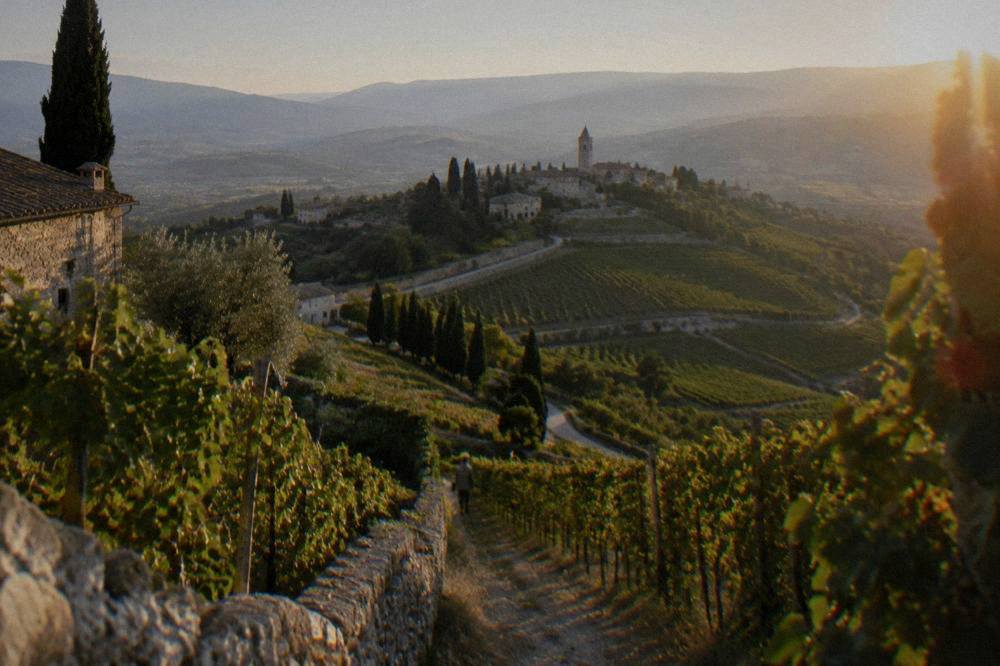
The Valpolicella option is the one this site features, and for good reason: the hills begin about 21 km and 25 minutes from the Arena, Amarone is the region's famous dried-grape red, and a half-day tour with tastings returns to the city with the evening free. The Valpolicella page covers the territory; the tour below is the featured way to do it.
Soave, east of the city, is the white-wine counterpart, and the Soave guide covers it. For visitors travelling with children, the Verona with kids itinerary folds several of these closer outings into a plan that keeps everyone sane. The pattern across all of them is the same: Verona's position at the foot of the hills makes short escapes easy, and the true high mountains, the Dolomites included, are the one thing the city's geography does not hand over for free.
What Else Should You Know Before Planning Mountains From Verona?
Four practical facts shape any mountain day from Verona: the historic centre is a camera-policed ZTL limited to at most four entries a month for non-residents unless a hotel registers the car's plate, the tourist tax is capped at four nights per person per month, the VeronaCard is digital since 1 September 2026 at 33 euro for 24 hours with transport, and the emergency number throughout Italy is 112.
The driving rules deserve the most attention, because a mountain day usually means a rental car. The ZTL rules, on the Comune di Verona's own notice, allow a non-resident at most four entries a month, in booked windows: Monday to Friday 10:00 to 18:00 and 20:00 to 23:00, and weekends and holidays from 10:00 to 13:30. A hotel inside the zone can register a guest's plate for free access; a short-term rental generally cannot. The practical answer is to park outside the centre and enter on foot, and the second tour pick band below is the car-free alternative for a day in and around the city itself.
| Verona practical fact | Figure | Note |
|---|---|---|
| Arena daytime visit | 12 euro full, 9 reduced | Closed Mondays, per the Comune's price list |
| Juliet's House courtyard | 5 euro, 12 euro with house | Online booking, since 1 April 2026 |
| VeronaCard digital, 24 h with transport | 33 euro | From 1 September 2026; 38 euro for 48 h |
| Tourist tax | capped at four nights per person per month | Collected by the accommodation |
| Emergency number | 112 | Valid throughout Italy |
The final decision framework is simple. If the trip's heart is the Dolomites, sleep in the Dolomites and visit Verona en route, using the one-day Verona from Venice plan as a template for what a single Verona day can hold. If the trip's heart is Verona, take one mountain-flavoured day from the options above, Monte Baldo for the ridge and the views, the Madonna della Corona for the cliff and the walk, and let the rest of the stay belong to the Arena, the squares and the wine hills that are actually on the city's doorstep.
Common Questions About Dolomites Day Trips From Verona
How far are the Dolomites from Verona?
No drive time for Verona to the Dolomites exists in the site's data, and none is invented here. The nearest long figure available is Malcesine at the north end of Lake Garda, about 84 minutes by road in free-flow conditions, and the Dolomite valleys lie well beyond that on slower mountain roads. Confirm current routes and pass conditions before planning the drive.
Can you visit the Dolomites as a day trip from Verona?
A same-day return is technically possible by car but leaves very little time in the mountains, so it is hard to call it easy. The realistic mountain days from Verona are Monte Baldo above Malcesine, with its cable car, and the Madonna della Corona shrine on an organised tour. For a genuine Dolomites visit, an overnight in the valleys is the standard advice.
What is the closest mountain experience to Verona?
The Valpolicella hills begin about 25 minutes by road from the Arena, and Monte Baldo's ridge, reached by cable car from Malcesine, is the closest high-alpine experience at about 84 minutes of driving plus the ascent. The Madonna della Corona shrine offers a cliffside mountain setting on an organised day tour from the city.
How much does the Monte Baldo cable car cost?
Per the operator's own fare list, an adult round trip costs 30 euro, 28 online, a junior round trip 18 euro, 16 online, and one-way tickets are 22 and 15 euro. Children under 1.20 metres travel free. The 2026 season ran about 4 April to 1 November, with maintenance closure either side.
Is the Madonna della Corona shrine worth the trip?
The sanctuary is built into a sheer rock face above the Adige valley and is reached by a stone stair path, which makes the approach itself the experience. Organised day tours from Verona handle the transport; no admission figure or opening schedule for the shrine appears in the site's data, so independent visitors should confirm locally before setting out.
Can you get to the mountains from Verona by public transport?
Partly. The public-transport figures for Verona cover city buses at 1.50 euro a single and the bus line to Sirmione at about 55 minutes; no timetable figure for the Dolomites exists. For car-free mountain days, an organised tour from Verona is the practical route, and the ATV and rail operators' own sites should be checked for current alpine connections.