Verona In One Day: Arena To Castel San Pietro
One day in Verona runs from the rose-pink Arena at Piazza Bra to the hilltop viewpoint at Castel San Pietro, with Juliet's ticketed courtyard, Piazza delle Erbe and the Ponte Pietra in between. Here is how the hours fit together, with the 2026 ticket facts.
Short answer
One day covers the Arena di Verona (12 euro full ticket), Piazza Bra, Juliet's House (5 euro courtyard, 12 euro with the house, booked online since 1 April 2026), Piazza delle Erbe, the Torre dei Lamberti, Ponte Pietra and the Castel San Pietro viewpoint, with time left for a Valpolicella tasting or an Arena opera night in season.
One day in Verona, the inland Veneto city on the Adige river, is enough to walk its whole UNESCO-listed historic centre from the first-century Arena in Piazza Bra to the hilltop viewpoint at Castel San Pietro, because the core is compact and almost everything sits within a fifteen-minute walk of something else. The Arena can be visited in daylight for a 12 euro full ticket, Juliet's courtyard has been a ticketed, online-booked entry since 1 April 2026, and the day's route strings together Piazza Bra, Piazza delle Erbe, the Ponte Pietra and the Adige crossings without a single bus ride. Lake Garda is not part of this day: the lake towns are 22 to 39 km west and belong to a second day, a point this Verona Italy Travel Guide makes on every itinerary page because the confusion is common.
Is One Day In Verona Really Enough?
One day is enough for the historic centre of Verona, which is a walkable loop of about two kilometres from Piazza Bra to Castel San Pietro and back, covering the Arena, Juliet's House, Piazza delle Erbe, the Torre dei Lamberti, the Ponte Pietra and the Castel San Pietro viewpoint. It is not enough for Lake Garda, the Valpolicella wine hills or a second museum day: the nearest lake town is about 37 minutes away by road and deserves its own trip.
The honest framing is that Verona rewards a slow second day but does not demand one. The city's World Heritage listing, inscribed in 2000, covers the historic centre inside the Adige bend, and that bend is walkable end to end. The drive-time figures in this guide are computed over OpenStreetMap routing in free-flow conditions, so they describe the road, not the traffic on an August afternoon.
What one day cannot absorb is the surrounding region. Sirmione is about 40 minutes by road from the Arena, Bardolino about 37, Malcesine about 84, and the Valpolicella hills about 25. Attempting a lake morning and a city afternoon leaves both short. Readers weighing that trade-off should see the detailed Verona and Lake Garda itinerary and the question of whether Verona or Lake Garda is the better base, both of which break the timing down further.
| leg | walk | what it is |
|---|---|---|
| Piazza Bra to Juliet's House | about 8 minutes | Via Mazzini shopping street, pedestrian |
| Juliet's House to Piazza delle Erbe | about 4 minutes | Via della Costa lanes |
| Piazza delle Erbe to Torre dei Lamberti | adjacent | tower sits on the piazza's edge |
| Piazza delle Erbe to Ponte Pietra | about 9 minutes | through Via Santa Maria Antica |
| Ponte Pietra to Castel San Pietro path | about 10 minutes uphill | steps on the far bank |
| Castel San Pietro back to Piazza Bra | about 20 minutes | down through Veronetta |
Morning: Piazza Bra And The Arena Di Verona By Day
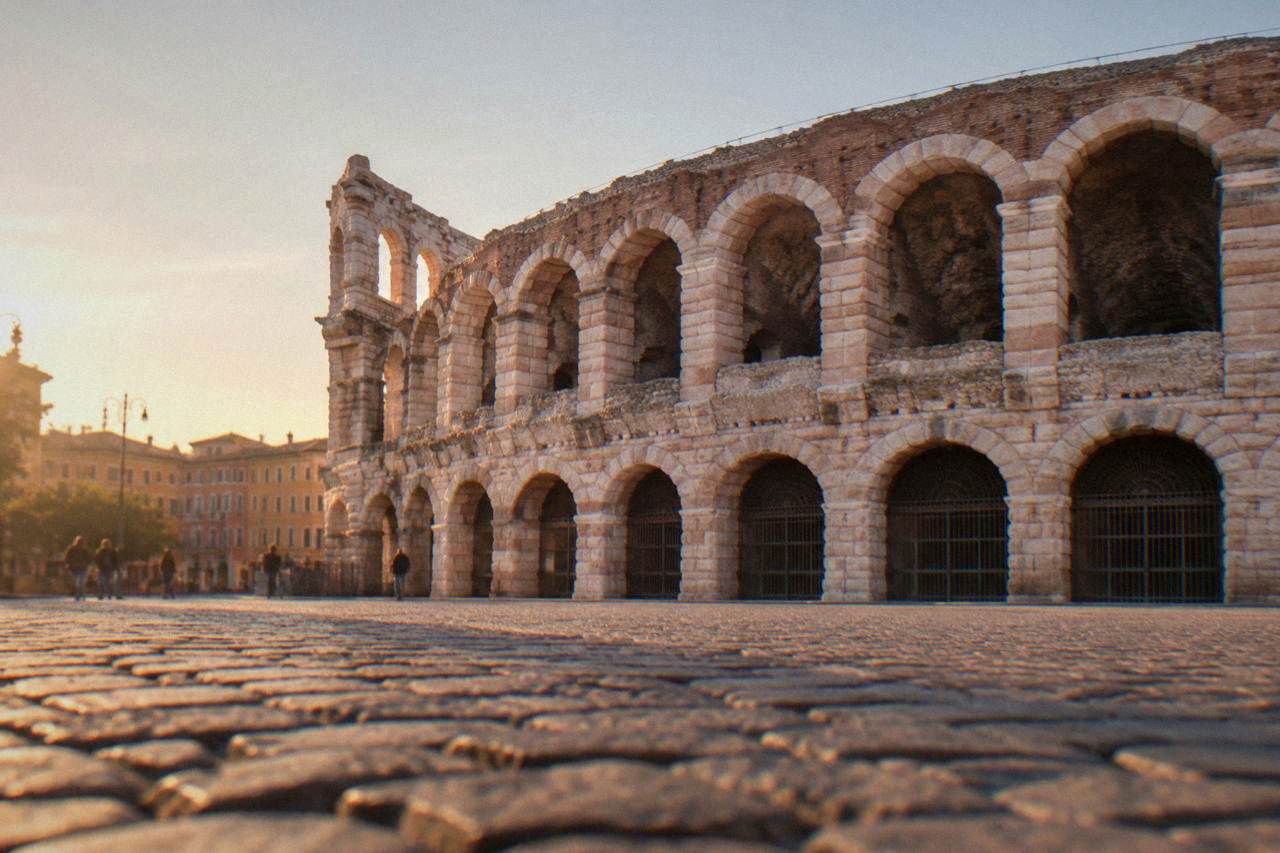
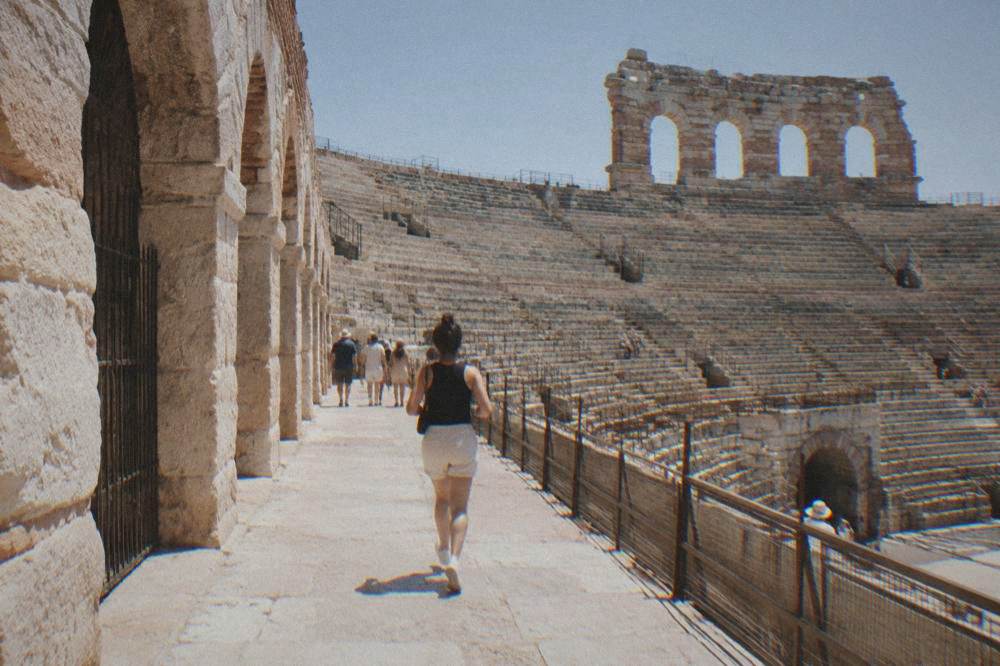
The Arena di Verona opens to daytime visitors from Tuesday to Sunday, with reported hours of about 9:00 to 19:00, closed Monday, and earlier closing on show days, so arriving at opening time is the reliable move: the full amphitheatre ticket is 12 euro, reduced is 9 euro for groups of 15 or more, over-65s and other concessions, and ages 18 to 25 pay 3 euro, per the Comune di Verona's own price list. From November to March the first Sunday of the month costs 1 euro.
The Comune di Verona's public-safety page carries the price list directly, so the figures above are not estimates. The hours are reported by the Arena's own channels rather than independently re-checked, so confirm the day's opening on the official page before setting out, especially between June and September when opera performances force earlier last entries. Last entry is reported at 30 minutes before closing.
The visit itself is short and structural. The Arena is reported by the Fondazione Arena's own site to have been built about 30 AD, in the first century, which makes it older than the Colosseum (about 80 AD), and it is described as the third-largest surviving Roman amphitheatre after the Colosseum and Capua. Its outer ring collapsed in the earthquake of 1117, leaving the intact wing that defines the building today. Gladiator games and animal hunts were its original use. The stated capacity for opera evenings is 30,000 effective seats. Nothing about its architect or exact dimensions is sourced, so none is repeated here.
Piazza Bra itself is free and open, and the walk from the station side arrives through it naturally. The full sight guide, including how the amphitheatre's surviving ring reads from each side, is on the Arena di Verona page; the seating question, which matters if the evening will be an opera night, has its own Arena seating guide.
| Arena ticket | price | who it covers |
|---|---|---|
| full | 12 euro | standard adult |
| reduced | 9 euro | groups of 15+, over 65, concessions |
| 18 to 25 | 3 euro | EU and reciprocity countries |
| first Sunday Nov to Mar | 1 euro | everyone, per the price list |
A guided Arena visit is one place where a small spend changes the hour. The Arena skip-the-line tour with a local guide covers the amphitheatre with entry handled, and readers who want the whole-centre version can compare the Verona city card with Arena priority entrance, which pairs the Arena with other civic sights: Check availability.
Late Morning: Juliet's House, Piazza Delle Erbe And The Torre Dei Lamberti
Juliet's House is no longer a free courtyard peek: since 1 April 2026 the courtyard route costs 5 euro, the full house and balcony route costs 12 euro, booking is online, and entry is via the Teatro Nuovo on Piazzetta Navona, according to the Comune di Verona's own notice. From there it is a four-minute walk to Piazza delle Erbe, and the Torre dei Lamberti above it is reported at 6 euro full, with hours to about 21:00 in summer and reported free entry with the VeronaCard.
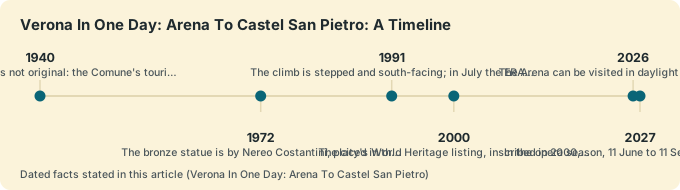
The Juliet change is the single most important 2026 fact for a one-day plan, because the old advice, wander into the courtyard for free, now fails. VeronaCard holders also enter but still need the online booking. The balcony itself is not original: the Comune's tourism material reports it was added in 1940 using material from a sarcophagus. The bronze statue is by Nereo Costantini, placed in the courtyard in 1972, with the custom of touching its right breast for luck reported by the same source. What any of this has to do with the real Cappelletti and Montecchi factions of medieval Verona is covered in the Romeo and Juliet in Verona guide.
Piazza delle Erbe needs no ticket and no explanation beyond standing in it: the former Roman forum, ringed by painted facades and market stalls, is open access. The adjoining Piazza dei Signori and the Arche Scaligere, the Scaliger tombs, sit a lane away; the tombs are reported as tied to the same-day civic ticket and free with the VeronaCard, but hours and prices were not captured, so confirm on site. The Piazza delle Erbe page maps both squares.
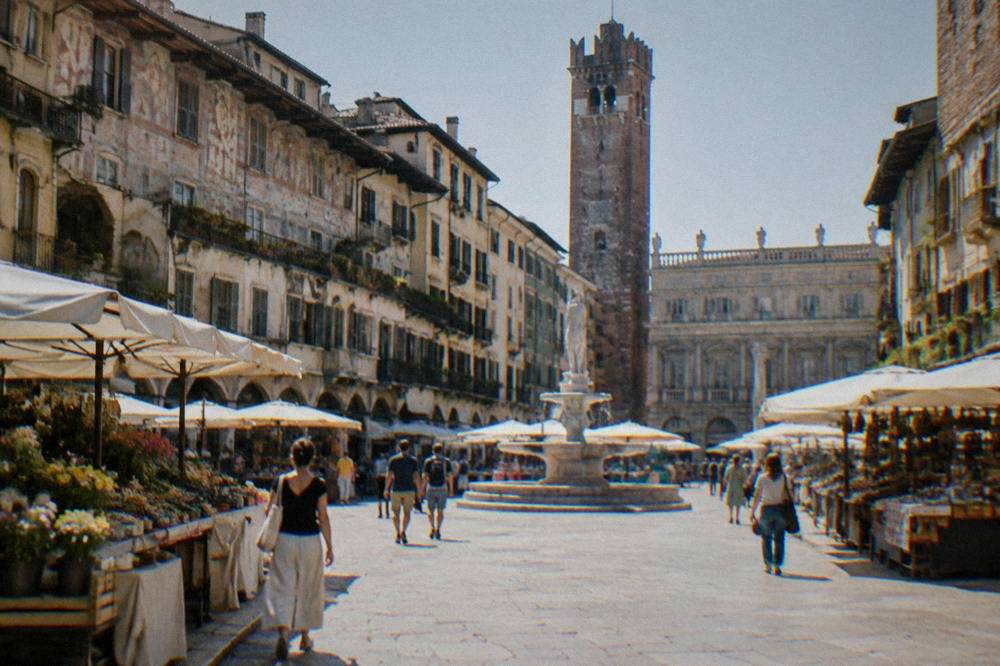
The Torre dei Lamberti is the one climb worth budgeting in a single day, for the simple reason that it is the only tower in the centre with a sourced ticket. Its reported 6 euro full price and summer hours to about 21:00 come from the tower's own channels; whether it has a lift is not confirmed either way, so plan on stairs. Visitors weighing a longer look at the city's Roman and medieval layers can read the full Torre dei Lamberti guide.
Midday And Early Afternoon: Veronetta, Ponte Pietra And The View From Castel San Pietro
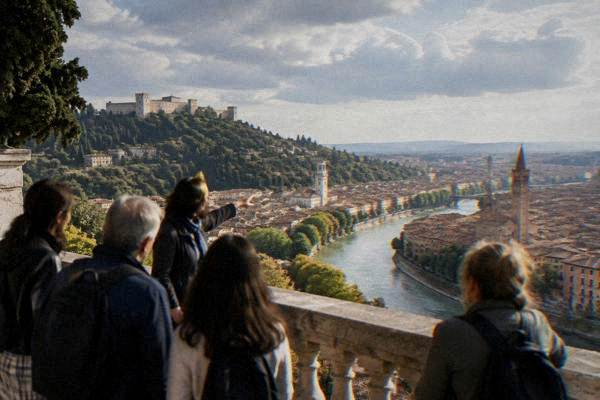
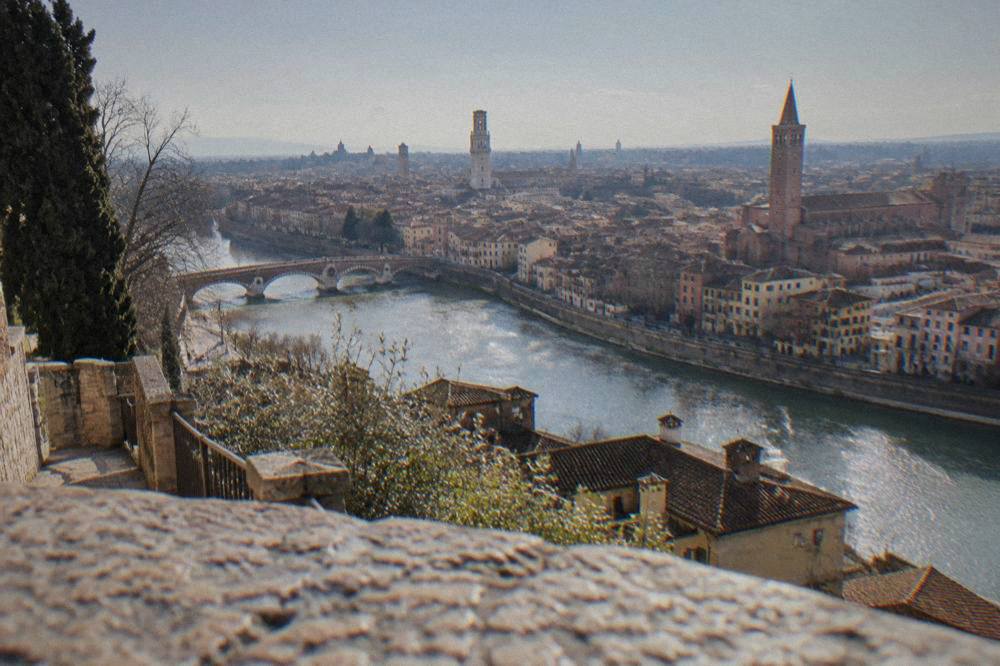
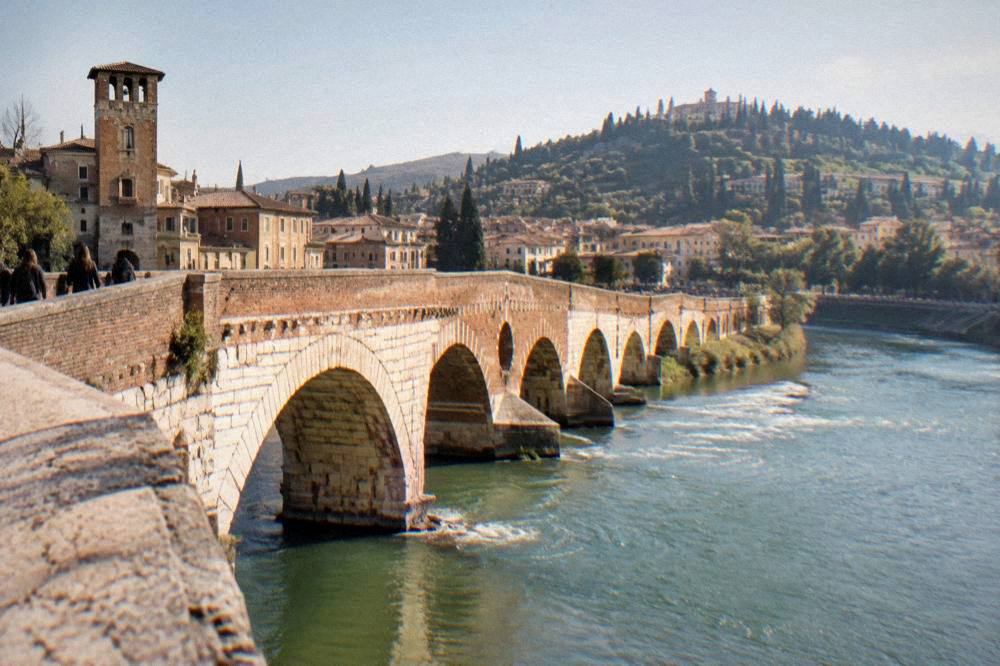
Cross the Ponte Pietra, the free open-access Roman-footprint pedestrian bridge, into Veronetta and climb to Castel San Pietro, the hilltop terrace across the Adige that gives the one-day visitor the single definitive panorama over Verona's rooftops, the Arena's ring and the river bend; no ticket, hours or funicular claim is sourced for the terrace itself, so treat it as an open public viewpoint and confirm the stairs' condition locally.
The Teatro Romano and its Museo Archeologico sit at the foot of the hill and are a ticketed visit, Tuesday to Sunday, with hours to be confirmed; their admission figure exists only as a reported "about". The Roman theatre is the reason this bank of the river feels different from the west: narrower lanes, a university district, fewer shopfronts. The Veronetta area guide covers it street by street, and the Castel San Pietro page describes the viewpoint.
Timing matters more than order here. The climb is stepped and south-facing; in July the ERA5 reanalysis for Verona, 1991-2020, puts the mean daily high at 29.3 C, and in January the mean daily low at minus 0.4 C, so the terrace belongs to late morning in summer and mid-afternoon in winter. The same reanalysis shows November as the wettest month at 118.2 mm of rain, with January the driest at 52.3 mm, which is worth knowing before promising yourself a golden-hour photograph.
For lunch, the sourced advice is dish-based rather than name-based: the Veronese classics are pastissada de caval, a long-simmered horse-meat stew, risotto all'Amarone, bollito with pearà sauce, and the city's gnocchi tradition, with pandoro as the local sweet. No individual restaurant is recommended on this site; the what to eat in Verona guide explains each dish and the Verona food tour page covers tasting walks for visitors who would rather be led.
| stop | ticket | booked how |
|---|---|---|
| Arena daytime visit | 12 euro full, 9 reduced, 3 for 18 to 25 | on site or civic channels |
| Juliet's courtyard route | 5 euro | online, since 1 April 2026 |
| Juliet's house and balcony | 12 euro | online, entry via Teatro Nuovo |
| Torre dei Lamberti | reported 6 euro | on site; reported free with VeronaCard |
| Castel San Pietro terrace | open viewpoint | no ticket sourced |
Afternoon: Wine Tastings, Museums Or A Slower Loop
A one-day visitor with a free afternoon has two strong options inside or just outside the city: a Valpolicella wine experience in the hills about 25 minutes and 21 km by road from the centre, or a slower second loop taking in Castelvecchio, reported at 9 euro full, 6 reduced and 2 euro for ages 18 to 25, Tuesday to Sunday 10:00 to 18:00 with last entry at 17:15, closed Monday. Both fit; doing both does not.
The Castelvecchio figures are reported by the museum's own channels and carry the usual caveat: confirm before you go, since civic hours shift on holidays. The Castelvecchio bridge beside it is open access and, with the Adige's curve, gives the second-best free photograph in the city after the Ponte Pietra. The Castelvecchio guide covers the museum and bridge together.
The Valpolicella option is the one this itinerary page pushes hardest, because a half-day Amarone tasting is the flavour of the region in a single afternoon and the drive is short. The Valpolicella hills begin about 25 minutes out, and tastings typically centre on Amarone della Valpolicella DOCG, made from Corvina, Corvinone and Rondinella grapes dried in the appassimento process. The Valpolicella guide and the Amarone wine page explain the wine; the tours below cover the going.
Visitors who skip both and stay in the centre have the churches: the Basilica di San Zeno, west of the centre, and the Duomo complex, Sant'Anastasia and San Fermo are reported as covered by the VeronaCard under the Chiese Vive convention, but no individual church price or hours were captured, so confirm at the door. The basilica di San Zeno page and the Verona churches guide describe what each holds.
Evening: An Opera Night At The Arena Or A Moonlit Walk
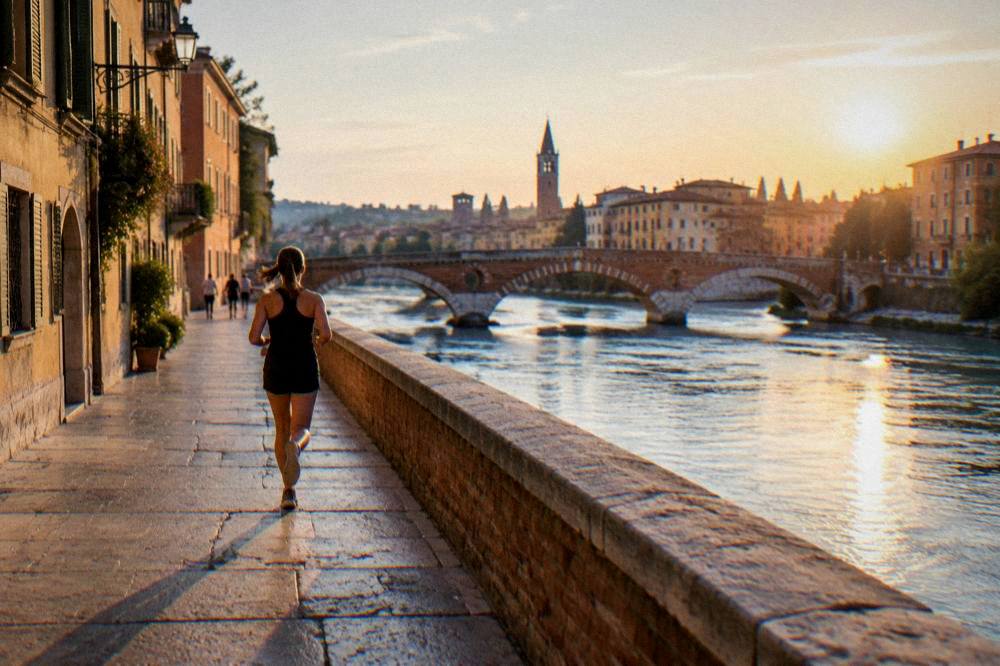
If the date falls between mid-June and mid-September, the evening belongs to the Arena Opera Festival: the 2026 season ran 5 June to 12 September and the 104th edition is announced for 11 June to 11 September 2027, with stone-step seats reported from the low tens of euro and gates opening about two hours before a performance that starts around 21:00 to 21:30. Outside the season, the same evening is a walk across the illuminated Ponte Pietra and the Adige bridges, all free.
The stone-step wording matters: this site prints no sector table and no top-stall figure, because the Arena's rates page was not machine-read. What is known is the season span for both years and the fact that the festival is not a July-and-August affair. Reported opera practicals: small backpacks only, bulky bags prohibited, cushions permitted on the stone steps, no strict dress code found on the official terms (so the shorts question is answered there), and performances are never cancelled before the scheduled start, though rain can delay or suspend them. The full rundown is in the Verona Opera Festival guide.
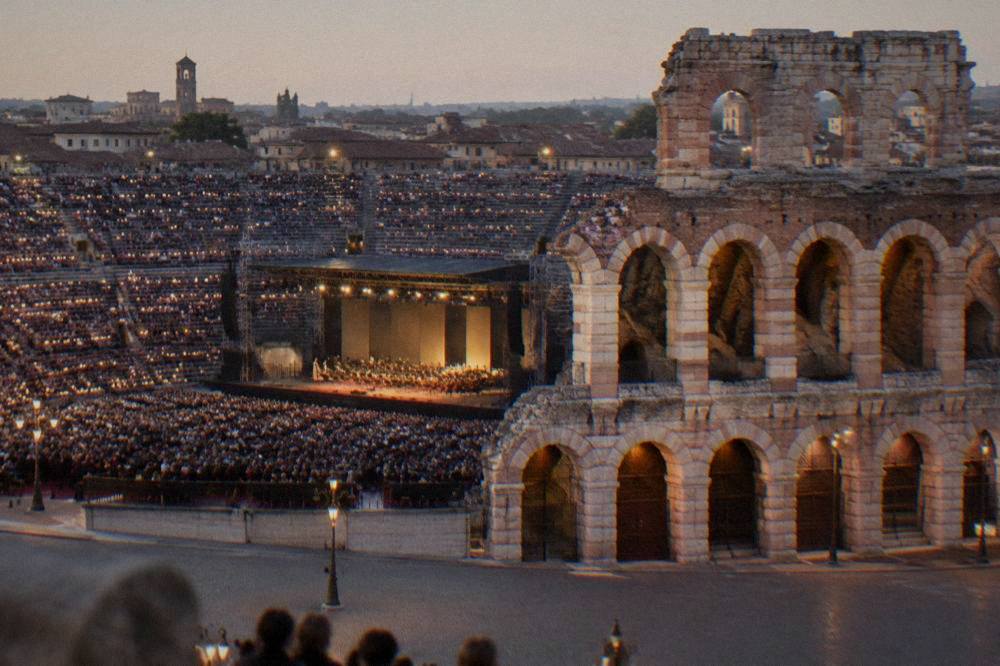
A guided evening exists for visitors who want the atmosphere with context, and a moonlight walking tour is among the site's offerings; the Moonlight evening walk covers the illuminated centre on foot. For an indoor opera evening outside the Arena season, the Opera concert in a Verona palace with prosecco is the listing to check: Check availability.
What One Day In Verona Costs And How To Time It
A full one-day Verona plan, Arena at 12 euro, Juliet's courtyard at 5 euro or the house at 12, the Torre dei Lamberti at a reported 6 euro, urban buses at 1.50 euro a single if any are needed, and food, lands somewhere between a lean sightseeing day and a museum-and-opera day, while the digital VeronaCard, 33 euro for 24 hours or 38 for 48 with ATV transport since 1 September 2026, bundles the civic sights but never includes the Aerobus from the airport.
The card facts come from the Comune's own notice: digital delivery, 29 and 32 euro without transport, old paper cards valid to 31 March 2027, Juliet's House still requiring its own online booking even for card holders. The card does not compute a guaranteed saving on any single itinerary, so the VeronaCard guide does the arithmetic honestly. Note also the ZTL: the historic centre is camera-policed, non-resident cars are limited to four entries a month by booking, and hotel guests drive in free only if the hotel registers the plate. Anyone arriving by car should read the Verona ZTL and parking guide before plotting a driving day.
| day-trip destination | drive from the Arena | realistic same day as the city? |
|---|---|---|
| Valpolicella hills | about 25 minutes | yes, as the afternoon |
| Soave | about 33 minutes | yes, as a half-day swap |
| Vicenza | about 48 minutes | tight but possible by train |
| Mantua | about 54 minutes | a full second day is fairer |
| Padua | about 67 minutes | tight, train is 1 hour to 1 hour 15 to Venice leg |
| Venice | about 85 minutes | its own day; Venice by train is reported 1 hour to 1 hour 15 |
Timing the day against the climate is the last planning lever. The ERA5 reanalysis for Verona, 1991-2020, gives mean daily highs of 29.3 C in July and 7.3 C in January, with May, October and November all above 90 mm of rain, so the shoulder months trade milder temperatures for the year's dampest weeks. The best time to visit Verona guide and the Verona weather page carry the full monthly table, and the seasonal pages, Verona in spring, Verona in summer, Verona in autumn and Verona in winter, adapt this same route to each season.
| hour | plan |
|---|---|
| 9:00 | Arena at opening, Piazza Bra first for the facade |
| 10:30 | Juliet's House slot (booked online), Via Mazzini en route |
| 11:30 | Piazza delle Erbe, Piazza dei Signori, Arche Scaligere |
| 12:30 | lunch, dish-based: risotto all'Amarone or pastissada |
| 14:00 | Ponte Pietra, Teatro Romano foot, climb to Castel San Pietro |
| 16:00 | choice: Castelvecchio loop or Valpolicella tasting |
| 19:30 | aperitivo, then opera at the Arena in season or the bridges lit |
Common Questions About One Day In Verona
Is one day in Verona enough?
One day covers the whole walkable historic centre, Arena, Juliet's House, Piazza delle Erbe, Ponte Pietra and Castel San Pietro, because everything sits inside the Adige bend. It does not cover Lake Garda or a relaxed Valpolicella afternoon plus everything else; pick one.
Can you see the Verona Arena without going to the opera?
Yes. The Arena is a daytime sight on its own: 12 euro full, 9 euro reduced, 3 euro for ages 18 to 25 from EU and reciprocity countries, Tuesday to Sunday with reported hours of about 9:00 to 19:00, closed Monday and closing early on show days.
Is Juliet's courtyard free?
No. Since 1 April 2026 the courtyard route costs 5 euro and the house and balcony route 12 euro, both booked online, with entry via the Teatro Nuovo. VeronaCard holders enter free but still book online.
Can you do Verona and Lake Garda in one day?
It is possible to add Sirmione, about 40 minutes by road or roughly 55 minutes on the ATV line 164 bus, to a Verona morning, but it compresses both. A cleaner split is a full Verona day plus a separate lake day.
Do you need a bus for one day in Verona?
No. The itinerary above is entirely on foot inside the historic centre. The urban single costs 1.50 euro for 90 minutes if a leg is needed, and the digital VeronaCard with transport adds ATV buses.
What is the best ending to a one-day visit?
In the opera season, 11 June to 11 September in 2027, an Arena evening with stone-step seating. Outside it, the Ponte Pietra and the Adige bridges after dark, all free and open access.
The day ends where it began, in Piazza Bra or on the Castel San Pietro terrace, and either closing frame is the argument for the itinerary above: one well-walked loop, three ticketed sights, one viewpoint, and a city that fits inside a single sunrise-to-lamplight day without ever needing a car.