Car Rental In Verona: Do You Need One?
Verona's historic centre is camera-policed and largely closed to non-resident cars, so whether a rental helps depends almost entirely on what lies outside the city: the wine hills, Soave and the Lake Garda shore.
Short answer
No for the city itself: the ZTL, dense centre and 1.50 EUR urban bus single make a car a liability inside Verona. Yes for the Valpolicella hills, Soave and the smaller Lake Garda towns, where buses thin out and a car saves real time.
Verona, in Veneto in northern Italy, is an inland city on the Adige river, and the question of renting a car there splits cleanly in two. Inside the city, a car is close to useless: the UNESCO-listed historic centre is a limited traffic zone, the ZTL, policed by cameras, with non-resident entry capped at four bookings a month. Outside the city, the maths changes. The Valpolicella wine hills begin about 25 minutes from the Arena by road, Soave is about 33, and the Lake Garda towns run from about 37 minutes to about 84. This guide sets out what the official rules say, what the drive times actually are, and where a rental earns its keep, so you can decide before you book anything. For the broader transport picture, the Verona airport to centre guide and the getting around Verona guide cover the car-free options.
Do You Actually Need A Car In Verona?
For Verona itself, no: the centro storico is compact, walkable and largely closed to non-resident traffic, and the urban bus single costs 1.50 EUR for 90 minutes according to ATV's own fare page. A car becomes worth considering only when the itinerary reaches the wine hills, Soave or the smaller Lake Garda towns, where public transport thins out and drive times from the Arena run from about 25 minutes to about 84.
That is the short version. The longer version is that Verona rewards walkers and punishes drivers in roughly equal measure. Piazza Bra, Piazza delle Erbe, the Casa di Giulietta and the Arena all sit within a few minutes of each other on foot, and the ZTL described below means a hire car cannot follow you there anyway. The Verona in one day itinerary is built entirely around walking, and it works.
Where the car earns its keep is the ring outside the city. The Valpolicella hills, where the Amarone wineries sit, are poorly served by direct buses. Soave, east of the city, is a 33-minute drive. The Lake Garda shore is the case that cuts both ways: Sirmione, Bardolino and Garda town all have bus or train-plus-bus links from Verona, but Malcesine, at the far north of the lake, is about 84 minutes by road and slower by public transport. If the lake is the point of the trip, read how far Verona is from Lake Garda alongside this page.
Where Do You Pick Up A Rental Car In Verona?
The two practical pickup points are Verona Villafranca airport (VRN), about 26 minutes by road from the Arena, and Porta Nuova station, the main rail hub on the southern edge of the centre. The airport connects to the city by the Aerobus line 199, reported at 7 EUR one way and about 15 minutes, running roughly every 20 minutes at peak times, so a station pickup saves backtracking if you arrive by train.
Villafranca handles the brand-name rental desks you would expect at a regional Italian airport, and the drive into town is short and simple by the tangenziale. Confirm your rental desk's opening hours before booking an early flight or a late arrival, particularly for Sunday pickups, because desk hours at regional airports are set by the operator and are not in this site's fact base.
Porta Nuova is the alternative, and often the smarter one. The station is a stop on the Milan, Venice, Rome and Brenner lines, so a train-first trip with a car attached only for the hill days is easy to arrange. The station district itself sits outside the worst of the ZTL, which matters for the first ten minutes of any drive. The Verona train station guide covers the arrivals side, and how to get to Verona covers the wider routes from Milan, Venice and beyond.
One planning note worth fixing early: check whether your accommodation lies inside the ZTL ring before you choose a pickup point, because a hotel inside the zone changes the whole calculus of where the car can sit overnight.
What Is The ZTL And Why Does It Rule Your Rental?
The ZTL is Verona's limited traffic zone, a camera-enforced area covering the historic centre around the Adige bend, where non-residents may enter at most four times a month on an advance booking, per the Comune di Verona's own rules. Entry windows run Monday to Friday 10:00 to 18:00 and 20:00 to 23:00, with exits due by 18:00 and midnight respectively, and 10:00 to 13:30 on Saturdays, Sundays and holidays. Hotel guests enter free if the hotel registers the plate.
That last clause is the one that saves trips. A hotel inside the zone can register a guest's number plate with the ZTL manager, and the entry then costs nothing and does not count against the monthly cap. Short-term rental apartments generally cannot do this, which is a real difference when choosing where to stay with a car; the where to stay in Verona guide separates the districts that sit inside and outside the ring. Ask your accommodation directly, in writing, before you arrive, and keep the confirmation.
The windows, condensed:
| Day | Entry Window | Must Exit By |
|---|---|---|
| Monday to Friday | 10:00 to 18:00 | 18:00 |
| Monday to Friday | 20:00 to 23:00 | Midnight |
| Saturday, Sunday, holidays | 10:00 to 13:30 | 13:30 |
| Non-resident cap | 4 booked entries per month | Per Comune rules |
Violations are camera-enforced and the fine lands with the rental company, which then passes it on with an administration fee. No fine amount is confirmed in the sources used; treat any figure you see elsewhere with caution and confirm the current rules on the Comune's ZTL page before driving in.
The practical translation: if your hotel is inside the zone and registers your plate, drive in once and leave the car until you leave. If not, park outside the ring for the whole stay and walk in, because the centre is small enough that a car inside it saves nothing.
Where Do You Park Outside The ZTL?
The workable pattern is a multi-storey car park on or just outside the ring road, of which Verona has several within a short walk of Piazza Bra and the Arena, plus open lots on the edges of the centre. Specific hourly rates for individual garages are not confirmed in this site's sources, so check the current price at the garage entrance or on the operator's page before committing; a full day of parking in a city-centre Italian garage is a real cost that belongs in your budget.
The garages cluster where you would expect: near the Arena and Piazza Bra on the western side of the centre, near Porta Nuova station to the south, and at the Isolo and Verona Tribunal areas across the river. All sit at or outside the ZTL boundary, which is the point. From any of them, the centro storico is a walk of minutes, not a drive.
Two habits make this painless. First, park once and leave the car: every shuffle between garages costs money and tempts the ZTL cameras. Second, if the plan is day trips, choose a garage near the exit route you will use, the tangenziale south for the lake or the A4, so you are not threading the one-way streets of the centre twice a day.
For evening plans, the same logic holds. The Arena's opera nights draw the area around Piazza Bra to a standstill of pedestrians, and a guided entry such as the Arena priority access tour is one of several ways to see the amphitheatre without any of the logistics falling on you; the daytime visit costs 12 EUR full and 9 EUR reduced on the civic price list, if you would rather go alone.
What Are The Real Drive Times From Verona?
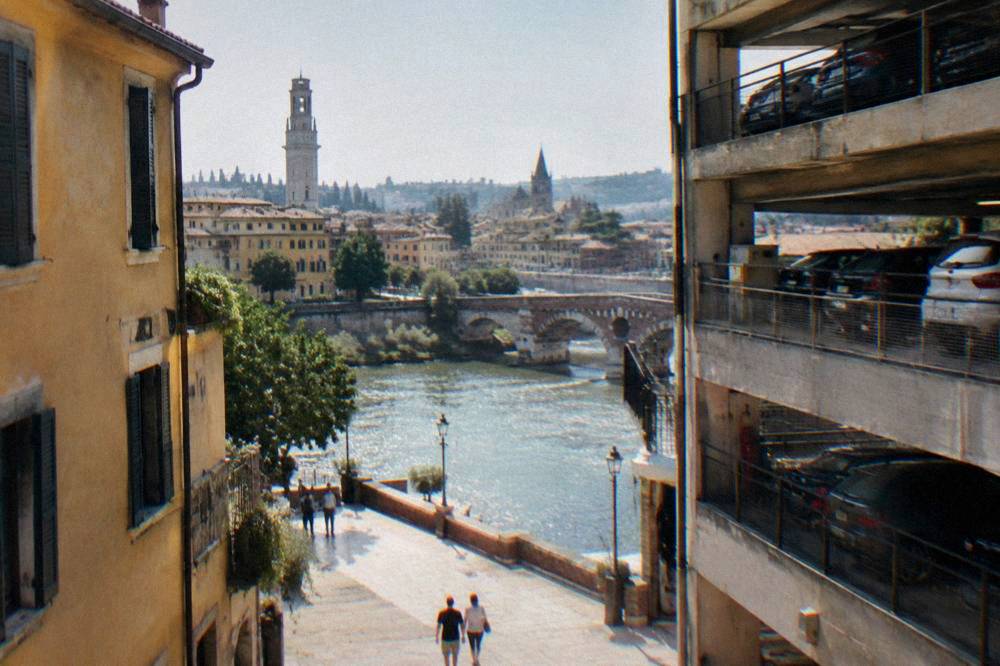
Drive times from the Arena, computed over OpenStreetMap routing in free-flow conditions, run about 25 minutes to the Valpolicella hills at Sant'Ambrogio, about 33 to Soave, about 37 to Bardolino, about 40 to Sirmione, about 42 to Garda town, about 48 to Vicenza, about 54 to Mantua, about 67 to Padua, about 84 to Malcesine and about 85 to Venice. Treat these as free-flow figures and add margin in summer and on weekend evenings.
The full table:
| Destination | Drive Time From The Arena | Direction |
|---|---|---|
| Valpolicella (Sant'Ambrogio) | About 25 min | North |
| Soave | About 33 min | East |
| Bardolino | About 37 min | West |
| Sirmione | About 40 min | West |
| Garda town | About 42 min | West |
| Vicenza | About 48 min | East |
| Mantua | About 54 min | South |
| Padua | About 67 min | East |
| Malcesine | About 84 min | Northwest |
| Venice | About 85 min | East |
| Verona Villafranca airport | About 26 min | South |
Read the table with two filters. Free-flow matters: the lake shore road in July and August, and the A4 corridor around Verona at commuter hours, will not match these numbers. And distance is not destiny: Mantua at 54 minutes is a relaxed drive, while Venice at 85 minutes ends in a city where the car must be parked in Piazzale Roma or Tronchetto and plays no further part, which is why the Venice day trip guide recommends the train for that one.
Is A Car The Best Way To See Valpolicella And Soave?
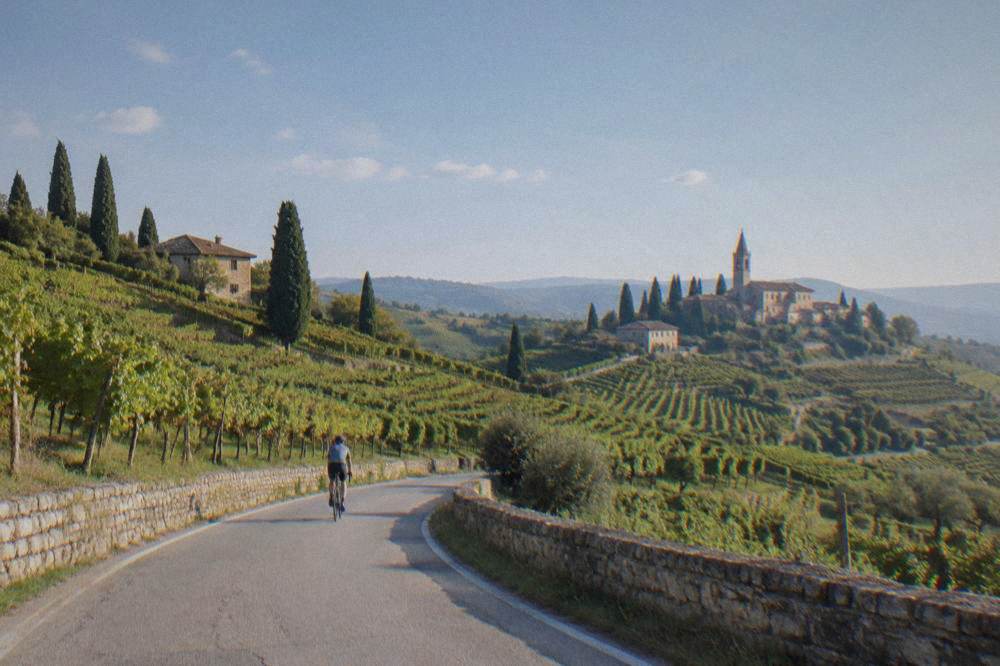
Yes, a car is the strongest tool for the Valpolicella hills and Soave, because the wineries sit on small roads between villages such as Negrar, Fumane and Sant'Ambrogio, where direct public transport is thin and a day of tastings does not pair well with bus timetables. The drive is about 25 minutes to the heart of Valpolicella and about 33 to Soave, and the wine itself, Amarone above all, is made for slow detours between stops.
Amarone della Valpolicella is a DOCG red made from corvina, corvinone and rondinella grapes dried in the appassimento process before fermentation, and the cellars that make it are scattered through the hills, not gathered in one place. That scatter is exactly the shape of trip a car serves well and a bus serves badly.
If nobody wants to be the designated driver, guided options cover the same ground with transport included, and the picks below are a reasonable starting point. Confirm each winery's visiting arrangements directly before setting out: individual producers set their own tasting terms, and those details are not held in this site's fact base.
Car Or Train: Which Wins For The Lake Garda Day Trip?
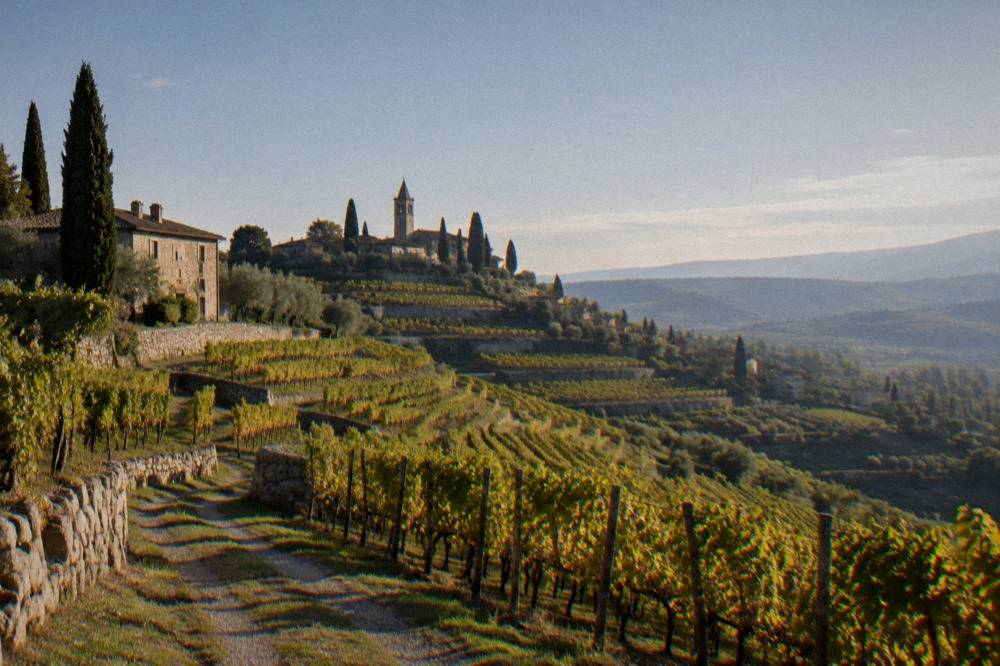
For Sirmione, Bardolino, Garda town and Peschiera, the car wins on door-to-door time, roughly 37 to 42 minutes against about 55 minutes on the direct ATV line 164 bus to Sirmione, but the train-plus-walk option to Peschiera and Desenzano is competitive and stress-free. For Malcesine and the far north of the lake, the car clearly wins at about 84 minutes. For Venice, the train wins outright at 58 to 75 minutes from Porta Nuova.
The bus detail is worth having: ATV line 164 runs from Verona Porta Nuova to the Sirmione area in about 55 minutes, hourly, and also serves Peschiera, Lazise, Bardolino and Garda along the way. Ferry connections then knit the shore together, operated by Navigazione Laghi, whose full-lake day pass costs 39.50 EUR for an adult on the 2026 fare table. One dated caveat from the operator's own timetable: the north-south passenger service is suspended from 2 November 2026 to 12 March 2027, with the Maderno to Torri car ferry running year-round, so a winter lake day by boat needs checking against the current schedule.
If you drive to Malcesine, the Monte Baldo cable car is at the top of the town: the round trip is 30 EUR for an adult, 28 online, and 18 for juniors born in 2012 or later, 16 online, on the operator's fare page. The Malcesine guide has the detail.
| Route | Car (Free-Flow) | Public Transport | Notes |
|---|---|---|---|
| Verona to Sirmione | About 40 min | About 55 min by line 164 bus | Hourly, reported |
| Verona to Bardolino | About 37 min | Line 164 bus | Same corridor |
| Verona to Malcesine | About 84 min | Bus plus connections | Car clearly wins |
| Verona to Venice | About 85 min | 58 to 75 min by train | Train wins |
| Verona to Milan | Not computed here | 1 h 15 to 1 h 50 by train | Times reported |
| Verona to Rome | Not computed here | About 3 h to 3 h 30 by train | Times reported |
Train times are reported figures from the operators' schedules; confirm current timetables when booking. The Venice to Verona guide covers that corridor in detail, and can you do Verona and Venice in one day answers the compressed version.
What Should You Know About Italian Roads And Rules?
Italy drives on the right, uses the euro, is a Schengen member, and its motorways are largely tolled autoroutes reached from Verona via the A4 Milan-Venice and the A22 Brenner corridor, where tolls are paid by distance at gates or via a telepass device. The single emergency number is 112. Rental cars come with the equipment Italian law requires, but confirm the specifics of any cross-border plan, such as driving into Austria, with the rental company at pickup.
Beyond that, keep expectations local. The roads around Verona range from modern autostrada to narrow village lanes in the Valpolicella hills, where a small car is genuinely easier to park and to pass in. Speed limits and enforcement details are set nationally and are not reproduced here from memory; the rental agreement and the signage on the road are the sources that count.
One Verona-specific habit: the tangenziale, the ring road on the city's western and southern edges, is the artery that connects the A4, the airport and the lake roads, and it keeps you out of the centre entirely. Learning its exits, north for the lake, south for the airport and the A4 east-west, is the single most useful piece of driving knowledge for the city.
When Is The Best Season To Drive Around Verona?
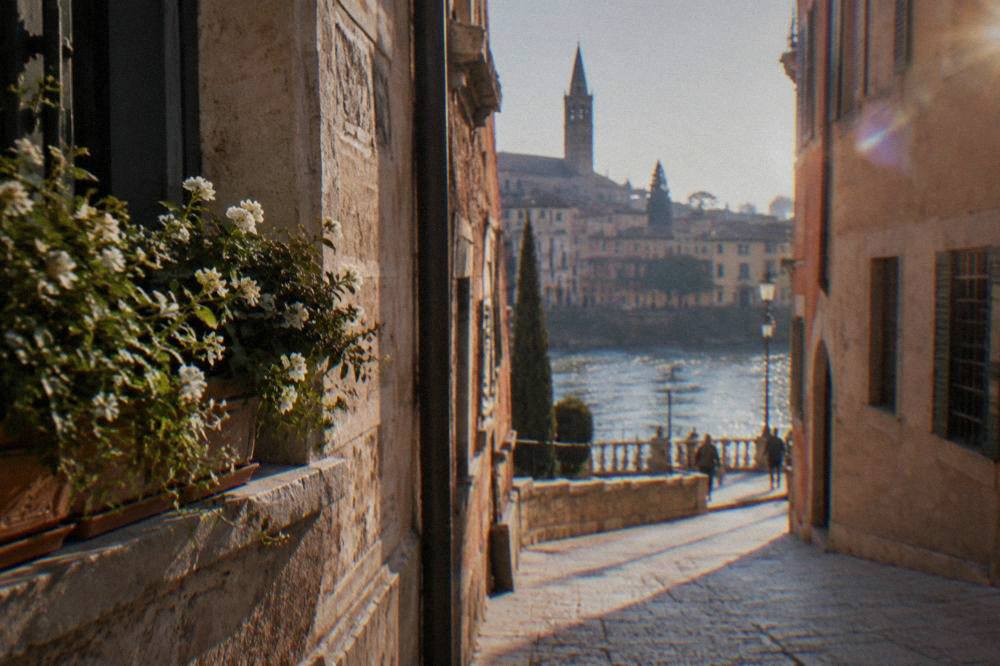
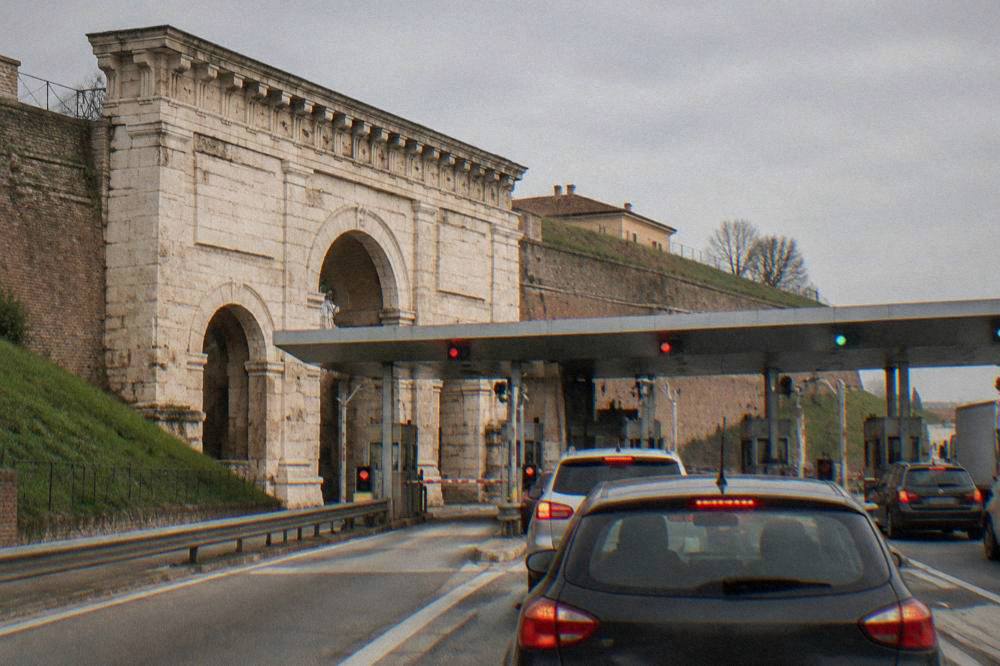
By the ERA5 reanalysis for Verona, 1991-2020, the shoulder months are the easiest for driving: April averages a mean high of 17.8 C with 93.5 mm of rain, May 22.3 C, and September 23.7 C with 99.7 mm. July and August bring mean highs of 29.3 C and 29.1 C plus the lake-shore traffic of the holidays, while November is the wettest month at 118.2 mm and January the driest but coolest, with mean lows of minus 0.4 C.
The monthly figures:
| Month | Mean High (C) | Mean Low (C) | Rain (mm) |
|---|---|---|---|
| January | 7.3 | -0.4 | 52.3 |
| February | 9.5 | 0.4 | 58.8 |
| March | 14.0 | 3.6 | 67.4 |
| April | 17.8 | 7.6 | 93.5 |
| May | 22.3 | 12.2 | 109.7 |
| June | 26.6 | 16.5 | 92.3 |
| July | 29.3 | 19.1 | 79.4 |
| August | 29.1 | 19.4 | 84.1 |
| September | 23.7 | 15.1 | 99.7 |
| October | 18.1 | 10.5 | 107.2 |
| November | 12.3 | 5.3 | 118.2 |
| December | 7.8 | 0.8 | 71.1 |
These are modelled normals from a reanalysis grid cell, not a weather-station record, and they describe climate, not a forecast. For planning purposes they say the same thing the best time to visit Verona guide says in words: spring and early autumn balance warmth against crowds, midsummer is hot and busy on the lake roads, and winter driving is cold but rarely dramatic on the plains, with the caveat that hill roads in the Valpolicella can frost overnight when lows sit below zero.
One timing fact that belongs in any driving calendar: the Arena's opera season ran 5 June to 12 September in 2026 and the 2027 edition is announced for 11 June to 11 September, and on performance evenings the streets around Piazza Bra fill early, another argument for parking outside the ring and walking in. The Verona opera festival guide covers tickets and timing.
Common Questions About Driving In Verona
Can I drive into Verona's historic centre?
Only within the ZTL rules: non-residents may enter at most four times a month on an advance booking, in windows the Comune defines, and hotel guests enter free if the hotel registers the plate. Outside those windows the cameras issue fines. Confirm current rules on the Comune's ZTL page before driving in.
Is parking in Verona expensive?
City-centre Italian garages are a real daily cost, but specific hourly rates for Verona's garages are not confirmed in this site's sources, so check the price at the entrance or on the operator's page before you commit. Budget for a full day per car day, not a token amount.
Do I need a car for Lake Garda from Verona?
Not for Sirmione, Bardolino, Garda town or Peschiera, which the ATV line 164 bus and the Peschiera train line reach in under an hour. For Malcesine and the north shore, about 84 minutes by road, a car is the faster and more flexible option.
Is it worth renting a car for the Valpolicella wineries?
Yes, if someone in the party is happy to stay off the wine, or if you book a driver. The hills are about 25 minutes from the Arena and the wineries are scattered on small roads that buses serve thinly. Otherwise a guided wine tour with transport included covers the same ground.
Should I drive from Verona to Venice?
No. The train from Porta Nuova takes 58 to 75 minutes and drops you in the heart of Venice, while the car takes about 85 minutes in free flow and then has to be parked at the edge of the city for the whole visit.
Does my hotel register my car for the ZTL?
Hotels inside the zone can, and it is free when they do, but short-term rentals generally cannot. Ask your accommodation in writing before arrival and keep the confirmation.
The Verdict On A Verona Car Rental
Rent a car in Verona only for the days that need one, not for the stay. The centro storico, the Arena, Juliet's House and the food quarter are a walking city, with the 1.50 EUR bus single and the digital VeronaCard covering the rest, while the Valpolicella hills, Soave and the northern Lake Garda shore are the journeys where four wheels repay the effort.
The cleanest pattern, seen this way, is hybrid: arrive by train at Porta Nuova or fly into Villafranca, spend the Verona days on foot, and attach a car for a wine day or a lake day, parking it outside the ZTL ring whenever it is not moving. That keeps the fines impossible, the parking bill to the days that earn it, and the holiday shaped around what Verona actually is: a compact Roman-and-medieval city on the Adige, with the vines and the lake an easy drive beyond it.
If the decision lands on staying car-free, the getting around Verona guide and the Verona airport to centre guide carry the detail, and the Verona Italy Travel Guide home page collects the sight, food and itinerary pages in one place.