Verona ZTL And Parking: Where Drivers Get Fined
Verona's historic centre is a camera-policed limited traffic zone, and the ZTL catches drivers who assume an Italian city centre works like any other. Here is what the Comune di Verona's own rules say about entry windows, bookings, hotel plates and parking outside the line.
Short answer
The Verona ZTL is a camera-enforced limited traffic zone around the historic centre on the Adige. Non-residents may enter at most four times a month on a booking, in reported windows of Monday to Friday 10:00 to 18:00 and 20:00 to 23:00 and weekend mornings, and hotel guests enter free when the hotel registers the plate.
Verona, in Veneto, northern Italy, is an inland city on the Adige river whose historic centre is wrapped in a limited traffic zone, a ZTL, that photographs every number plate crossing its gates. The Comune di Verona publishes the rules on its own site, and they are stricter than many drivers expect: non-residents are limited to a handful of paid entries a month, in defined time windows, and a rental car that strays through a gate unregistered generates a fine that chases the plate, then the hire company, then the driver. This guide sets out what the municipal rules actually say, where the zone sits, where to park outside it, and why so many travellers simply leave the car and use feet and buses instead. For the wider picture of moving around the city, see the getting around Verona guide.
What Is The Verona ZTL And Where Does It Run?
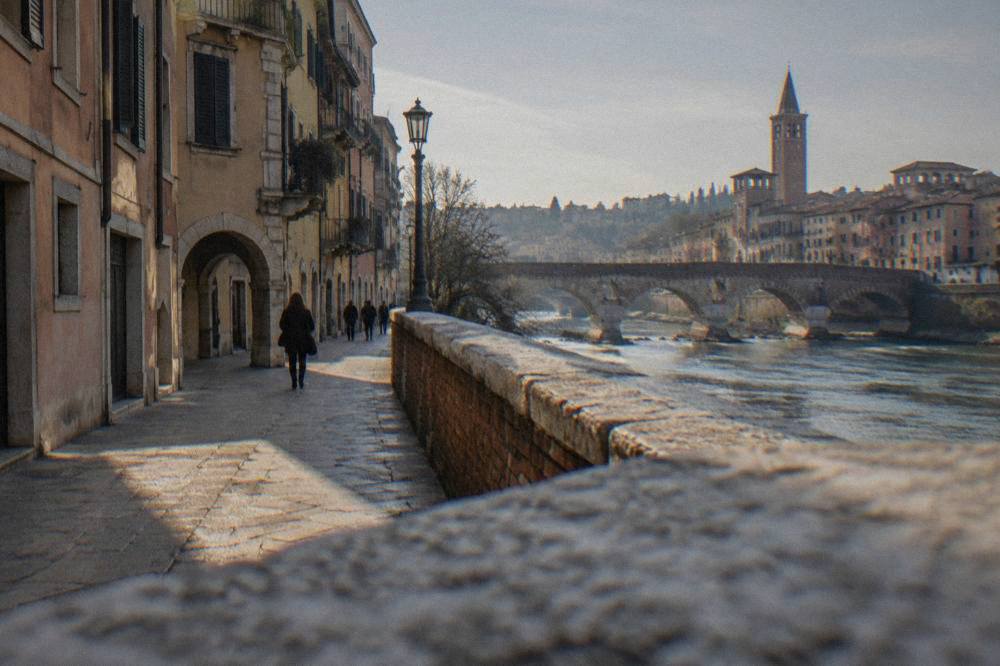
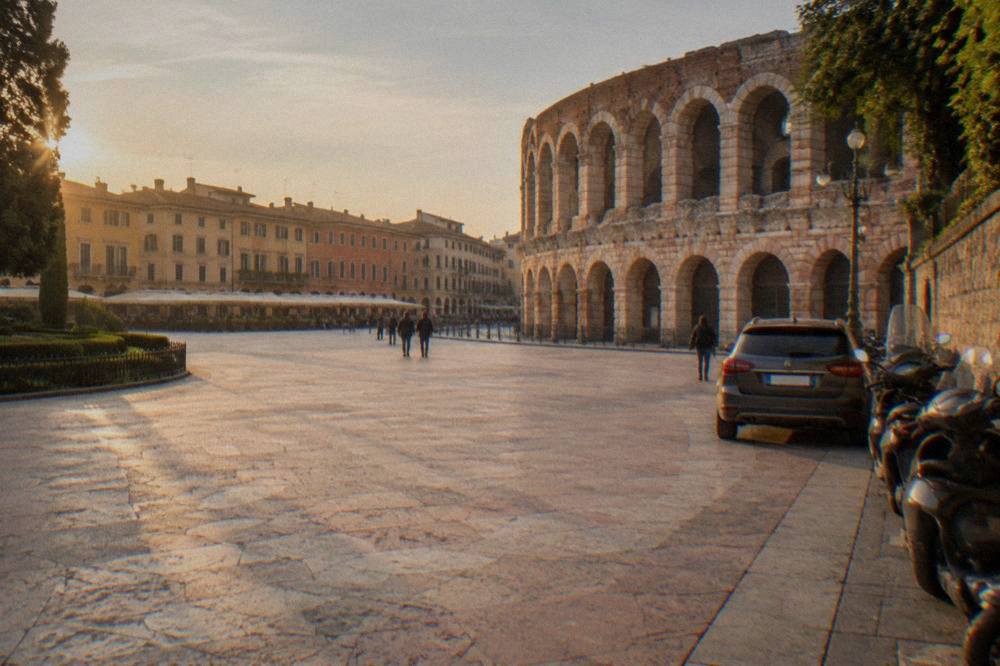
The Verona ZTL is a camera-policed limited traffic zone covering the historic centre inside the bend of the Adige, the UNESCO-inscribed core that holds the Arena, Piazza delle Erbe, the Casa di Giulietta and the Scaliger bridges. Per the Comune di Verona's ZTL notice, access is restricted to authorised vehicles, monitored by cameras at electronic gates, and violations are sanctioned automatically from the plate images. The city was inscribed on the UNESCO World Heritage List in 2000, and the protected core is exactly the part the zone shields: narrow medieval streets, arcaded squares and bridges that were never designed for through traffic.
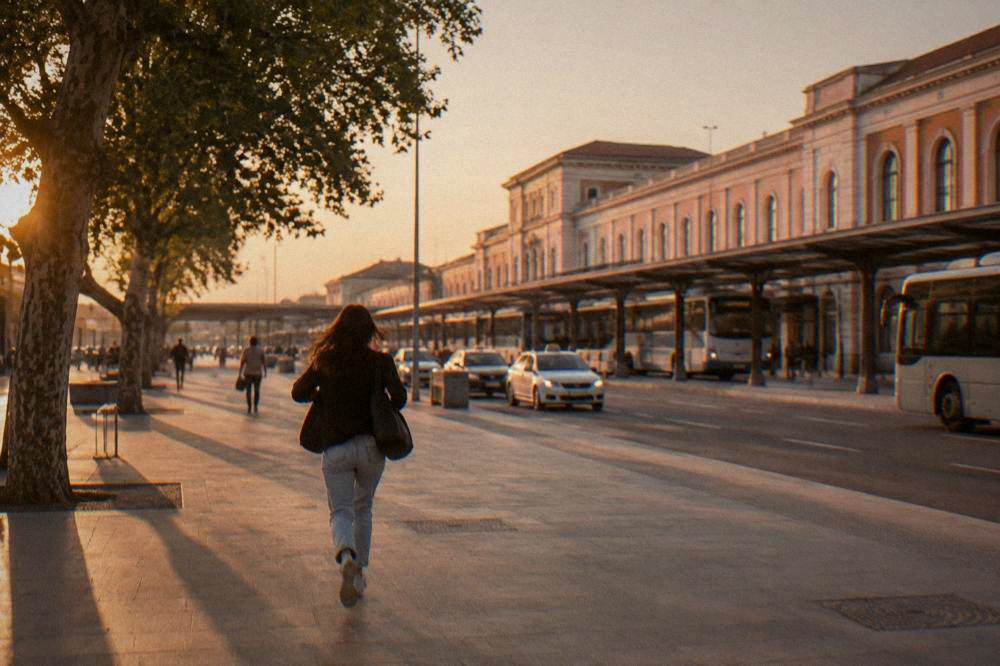
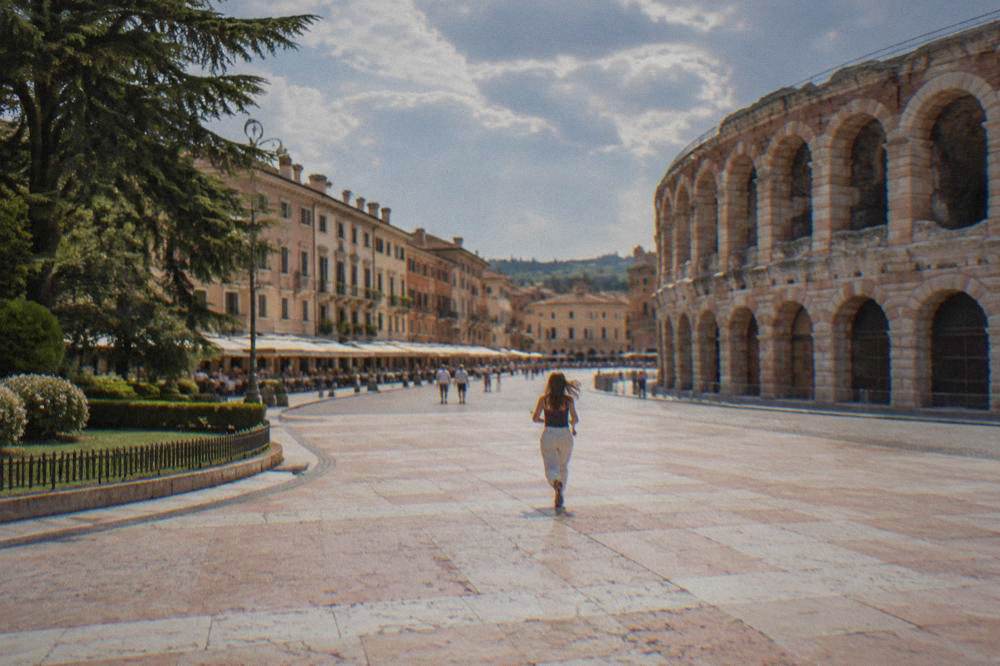
The zone matters because Verona's centre is compact and hemmed in by the river. What a map shows as wide boulevards, Piazza Bra on the western edge or the roads flanking Porta Nuova station to the south, sit outside or on the boundary, while the streets inside, Via Mazzini, the lanes of Veronetta, the approaches to the Duomo, are pedestrian in all but name. The boundary is marked physically with signs showing the ZTL symbol and gate names, and electronically with cameras that read every plate in both directions, so entering and leaving are both recorded.
Drivers arriving from outside Italy sometimes compare the ZTL to congestion charges in London or Milan. It is not a charge. It is a permit system: either the plate is authorised at the moment it crosses the gate, through residency, a booking, a hotel registration or another recognised category, or the crossing is a violation. There is no pay-later option at the gate and no ticket machine that legalises a crossing after the fact. That distinction is the single most common source of fines, and the Comune's own ZTL page is the reference to check before driving anywhere near the centre.
When Can Non-Residents Drive Into The Verona ZTL?
Non-residents may enter the Verona ZTL at most four times a month, by booking in advance, in windows the Comune di Verona reports as Monday to Friday 10:00 to 18:00, with exit required by 18:00, and 20:00 to 23:00, with exit required by midnight, plus Saturday, Sunday and public holidays from 10:00 to 13:30. Hotel guests are separate: their entry is free of the quota when the hotel registers the plate. The four-entry monthly cap and the weekday windows come from the municipal ZTL notice; the evening exit deadline and the weekend closing time are reported from the same source and should be confirmed on the Comune's page before relying on them.
The logic of the windows is that they push non-resident traffic into hours when delivery and school traffic are thin. The 10:00 morning start excludes the commuting peak, the 18:00 exit requirement clears the zone before the evening peak, and the weekend window is short and morning-only because that is when the centre is at its most crowded with people on foot. Each booked entry counts against the monthly four, so a traveller who drives in for lunch, out again, and back for dinner has spent two of them in a single day.
| Day type | Window (reported) | Exit required by |
|---|---|---|
| Monday to Friday | 10:00 to 18:00 | 18:00 |
| Monday to Friday (evening) | 20:00 to 23:00 | Midnight |
| Saturday, Sunday, holidays | 10:00 to 13:30 | End of window |
The booking is made through the municipal channel described on the Comune's ZTL page, and the plate must be registered before the crossing, not after. A rental car adds a layer: the fine first reaches the hire company, which passes the driver's details on, usually with an administration fee of its own. None of this makes driving into the centre impossible; it makes it a planned act. For travellers whose real goal is the Arena, the Duomo and a walk along the Adige, a guided entry such as the Verona Arena skip-the-line tour covers the sight itself while the car stays outside the line.
Where Should You Park Outside The Verona ZTL?
The practical answer is a garage on the ring outside the ZTL boundary, reached without crossing a gate, with the car then left there for the stay: Verona's centre is walkable, its urban buses cost 1.50 euro for a 90-minute single ticket per ATV's own fare page, and the ZTL makes parking inside the historic core a non-option for non-residents anyway. The city centre's position inside the Adige bend means the useful garages sit on the outside of the loop, near Piazza Bra, near the station district and on the eastern bank approaches, and any of them that requires a gate crossing is the wrong choice. Specific hourly rates for individual car parks are not published with confidence here, so check the operator's own page or the garage signage on arrival before committing.
The rule of thumb is geometric. The Adige curves around the centre in a loop, and the ZTL sits inside the loop; roads that stay outside the loop, such as those serving Porta Nuova station and the southern ring, never trigger a camera. A driver coming from the A4 motorway or the airport should aim for a garage reached from the south or west without crossing the river into the core. When in doubt, ask the garage directly whether their entrance is outside the ZTL, a question their staff answer many times a day.
| Approach | Safe plan | Why it works |
|---|---|---|
| From the A4 or airport (VRN) | Garage in the station district, south of the river loop | No gate between the ring road and the garage |
| From Lake Garda (west) | Garage on the western ring near Piazza Bra side | Entry from the west avoids the core gates |
| From Valpolicella (north) | Garage north of the river, outside the core boundary | The northern bank roads sit outside the inner zone |
| Staying at a hotel inside the ZTL | Give the hotel the plate before arrival | Registered plates enter free, outside the quota |
Once parked, the alternatives are cheap and quick. The ATV urban single costs 1.50 euro for 90 minutes, and the digital VeronaCard, since 1 September 2026, is sold in a version that includes ATV urban transport, 33 euro for 24 hours or 38 euro for 48 hours, against 29 and 32 euro without transport, per the Comune di Verona's card notice. The card does not include the airport Aerobus. Full details are in the VeronaCard guide, and the broader no-car picture is in getting around Verona.
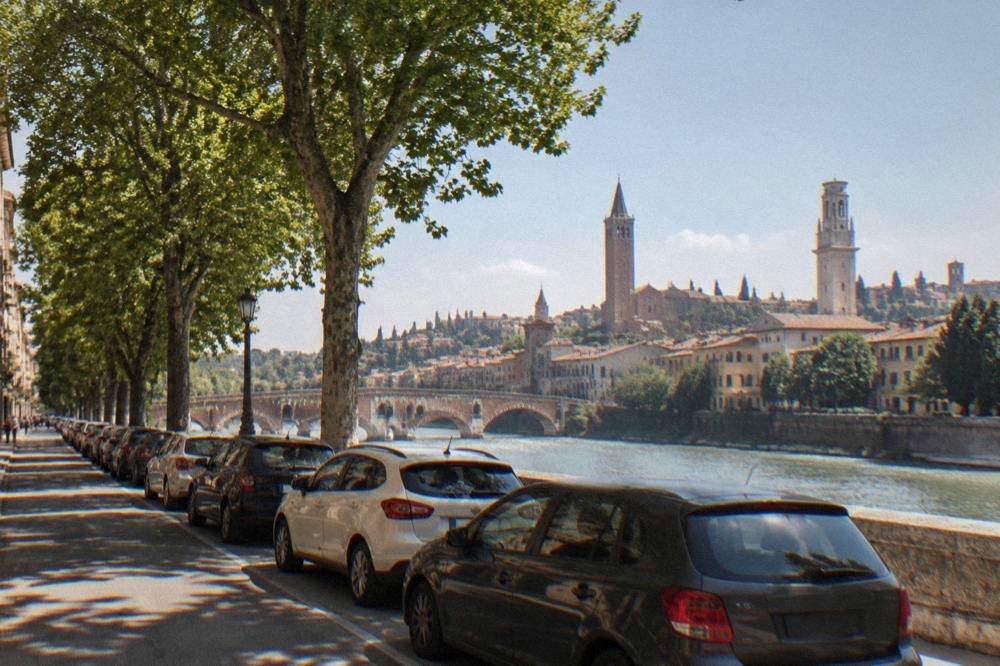
Is A Guided Walk Better Than A Driving Day?
For anyone parked outside the ZTL, the centre opens up on foot in a couple of hours, and a guided walk replaces the car entirely for the sightseeing part of the day.
Do Hotel Guests Get Free ZTL Entry In Verona?
Yes, per the Comune di Verona's ZTL rules: guests of hotels inside the zone enter free of the four-entry quota when the hotel communicates the guest's number plate to the zone manager, and this applies to hotels, not to short-term tourist rentals. That single sentence is the reason the question matters so much: two travellers sleeping inside the ZTL on the same street can face entirely different outcomes depending on whether their accommodation is a registered hotel willing to register the plate or a private rental that cannot. Ask the accommodation directly, before arrival, in writing, and keep the reply.
The mechanics are simple on the hotel side. The property sends the plate, usually the day before arrival and for the length of the stay, into the municipal authorisation list, and the cameras then match the plate to a valid guest registration. If the hotel does this, the guest drives to the door, unloads, and moves the car to a garage afterwards, and nothing is owed to the ZTL system. If it does not, or does it late, the crossing is a violation even though a booking existed. The lesson the municipal rules push toward is never to assume: the registration is a step someone has to take, and it is not automatic.
Rental drivers should add one practical caution. A plate registered by a hotel covers ZTL crossings, not parking, and the centre's on-street parking is separately restricted. The standard pattern hotel guests report is a stop at the door for luggage, then the car to an outside garage for the stay, then a final drive out through a gate that the registration has already legalised. For choosing where that hotel should be in the first place, the where to stay in Verona guide maps the districts against the ZTL line, and the Verona Italy Travel Guide homepage collects the city's main sightseeing pages in one place.
Can You Drive To Verona From Lake Garda, Valpolicella Or The Airports?
Yes, all of Verona's day-trip catchments are driving country: computed free-flow drive times from the Arena put Sirmione at about 40 minutes, Bardolino about 37, the town of Garda about 42, Malcesine about 84, the Valpolicella hills about 25, Soave about 33 and Verona Villafranca airport about 26, and none of those routes requires touching the ZTL until the final approach into the centre. The figures are computed over OpenSM routing in free-flow conditions, so add margin for summer weekends on the lake roads, when the Garda shore can slow badly. The point for this page is that the drive itself is easy; the only trap is the last kilometre.
Verona is not on Lake Garda, a fact worth repeating for anyone planning a two-base trip. The lake towns sit 22 to 39 km west of the city, and the roads in, the SS11 and the A4, deliver drivers to the ring around the centre, not into it. The same applies to the wine hills: Valpolicella's vineyards are a short drive north, and Soave's castle hill a short drive east, and both are toured comfortably by car precisely because the destinations are rural. The mistake to avoid is treating the historic centre as the parking destination for any of these trips. Park on the ring, walk in.
| Destination from the Arena | Drive time, free flow | Direction |
|---|---|---|
| Valpolicella (Sant'Ambrogio) | About 25 min | North |
| Soave | About 33 min | East |
| Bardolino | About 37 min | West |
| Sirmione | About 40 min | West |
| Town of Garda | About 42 min | West |
| Vicenza | About 48 min | West |
| Mantua | About 54 min | East |
| Padua | About 67 min | East |
| Malcesine | About 84 min | Northwest |
| Venice (city) | About 85 min | East |
| Verona Villafranca (VRN) | About 26 min | South |
For the airport leg specifically, the reported Aerobus line 199 connects Verona Villafranca with the city in about 15 minutes at a reported 7 euro flat, a fare to confirm with the operator before travel, and the details sit in the Verona airport to city centre guide. Train arrivals are covered in the Verona train station guide, and the full range of rail links, Venice to Verona in about an hour, Milan in about 1 hour 15 to 1 hour 50, Rome in about 3 to 3 and a half hours, reported journey times only, in how to get to Verona.
What Happens If A Camera Catches Your Plate In The Verona ZTL?
A crossing without an authorised plate is a sanction under the municipal traffic rules, enforced automatically from the camera images: the notice of violation goes to the vehicle's registered owner first, and with a rental car the hire company receives it, charges its own administration fee, and passes the driver's details to the authorities. No fine amount is quoted here; the Comune di Verona's ZTL page and the Italian highway code set the figures, and travellers facing a notice should read the document they receive, which states the amount, the reason and the payment or appeal route.
The sequence with a hire car is where travellers lose money twice. The authority mails the owner of record, the rental company, within the statutory window. The company pays or contests, then reclaims from the driver under the rental agreement, adding an administrative charge that is often comparable to the sanction itself. Because the cameras record both entry and exit, a wrong turn in and a quick U-turn out can produce two recorded crossings, and travellers who realise the mistake immediately sometimes still face the process weeks later at home. There is no mechanism described in the municipal rules for paying at the gate to make a crossing legal.
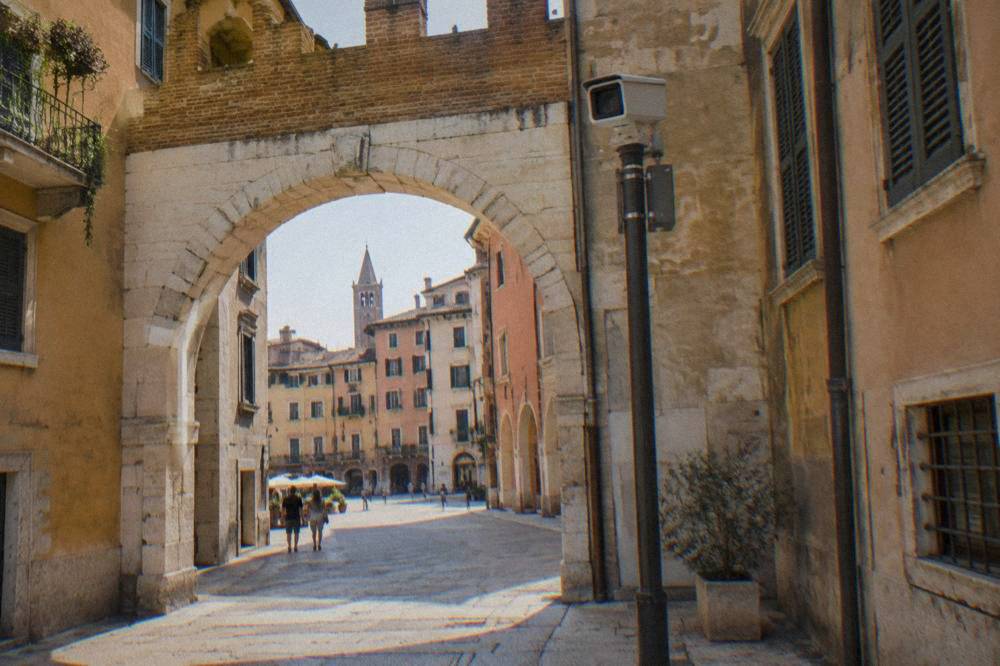
Prevention is mundane but effective. Set the navigation to a garage outside the zone rather than a hotel or address inside it. Treat any street that suddenly narrows into medieval fabric as a signal to stop and re-route, because the gates sit exactly at that transition. And if the stay is at a hotel inside the ZTL, complete the plate registration before the drive, not on arrival evening. The Verona map guide helps with orienting the ring against the core before setting out.
Is A Car Even Worth Having In Verona?
For Verona itself, usually not: the core is compact and pedestrian, the urban bus single is 1.50 euro for 90 minutes, and the ZTL removes the one thing a car would be useful for, door-to-door access to the centre.
A car earns its keep for the surroundings, the Valpolicella hills, Soave, the Garda shore and the lesser-served towns, and even there the train and bus network covers the headline routes, with regional trains reaching Peschiera and Desenzano in roughly 20 to 40 minutes, reported times only. The honest framing is a car for the hills, feet for the city.
| Car-free option | Verified or reported figure | What it covers |
|---|---|---|
| ATV urban bus single | 1.50 euro, 90 minutes (verified, ATV fare page) | All urban Verona buses |
| VeronaCard 24h with transport | 33 euro (verified, Comune notice, from 1 Sept 2026) | Sights plus ATV urban buses |
| VeronaCard 48h with transport | 38 euro (verified, same notice) | Two days of sights and buses |
| Aerobus line 199, airport | Reported 7 euro, about 15 minutes | VRN airport to the city |
| Regional train to the lake | Reported 20 to 40 minutes to Peschiera or Desenzano | The Garda rail corridor |
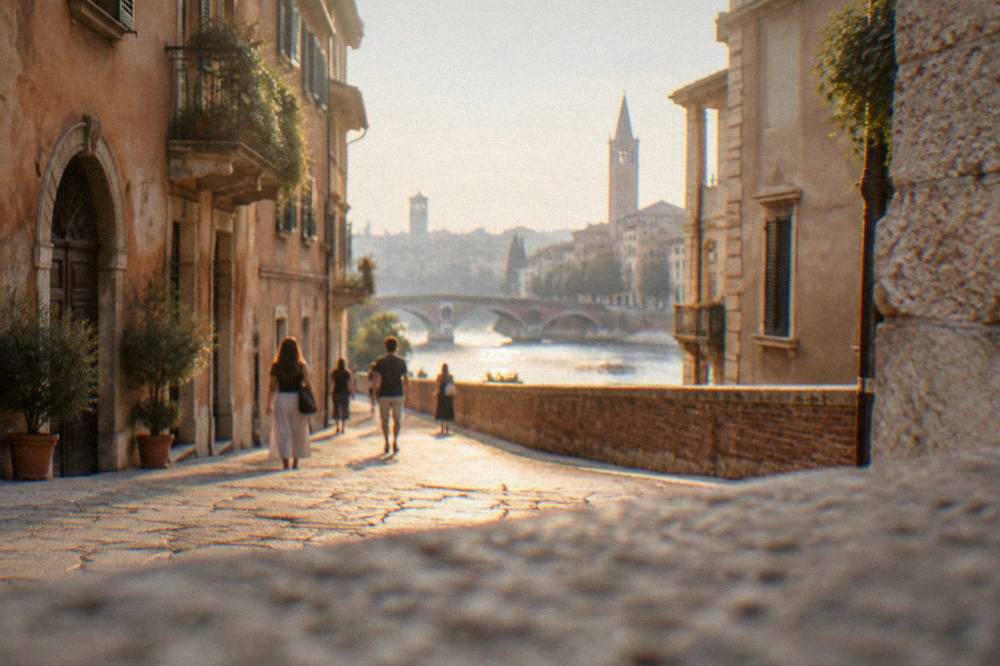
The city's layout rewards walking in a way that surprises drivers. The distance from Piazza Bra to Piazza delle Erbe is a few minutes on foot, the Casa di Giulietta sits in the lane network between them, and the bridges over the Adige, Ponte Pietra above all, are the sights people come for, not obstacles. On an opera evening, when the Arena fills after dark, the last thing a traveller inside the ZTL wants is a car at all: the reported gates-open time is about two hours before the performance, the streets around Piazza Bra fill early, and the whole evening works on foot from a hotel or a garage outside the line. The Verona opera festival guide covers tickets and timings, and the sightseeing shortlist, including the Arena visit, is collected under things to do in Verona.
For travellers who park the car and fill the evening without it, a food walk through the centre is one of the ways the car-free hours pay off.
What About The Tourist Tax, Winter Driving And Rental Returns?
The tourist tax, the imposta di soggiorno, is separate from everything the ZTL involves: it is charged by the accommodation per person per night, capped at four nights per person per month, and collected at the property, per the Comune di Verona's own tax office page; the municipal tariff PDF is the reference for per-star rates. Winter adds a practical note for drivers: the ERA5 reanalysis, 1991-2020, puts January's mean daily low at minus 0.4 C with a mean daily high of 7.3 C, and November is the wettest month at 118.2 mm of rain, so the ring roads and the lake roads are damp and, on winter mornings, occasionally icy. Nothing exotic, but worth knowing when the trip is a November or January one.
Rental returns have their own trap. The big hire desks cluster at the airport and near the station district, both outside the ZTL, and both are safe drop points. The mistake is returning a car to a city-centre location that requires a gate crossing on the final drive, at the exact moment the plate may have just been deregistered by a departing hotel. travellers handing a car back inside their ZTL window should confirm with the desk where the physical drop point sits relative to the gates. For the seasonal picture, the best time to visit Verona guide and the Verona weather guide break the year down month by month.
| Month (ERA5 1991-2020) | Mean daily high | Mean daily low | Rain |
|---|---|---|---|
| January | 7.3 C | -0.4 C | 52.3 mm |
| April | 17.8 C | 7.6 C | 93.5 mm |
| July | 29.3 C | 19.1 C | 79.4 mm |
| October | 18.1 C | 10.5 C | 107.2 mm |
| November | 12.3 C | 5.3 C | 118.2 mm |
Which Verona Parking Plan Fits Which Trip?
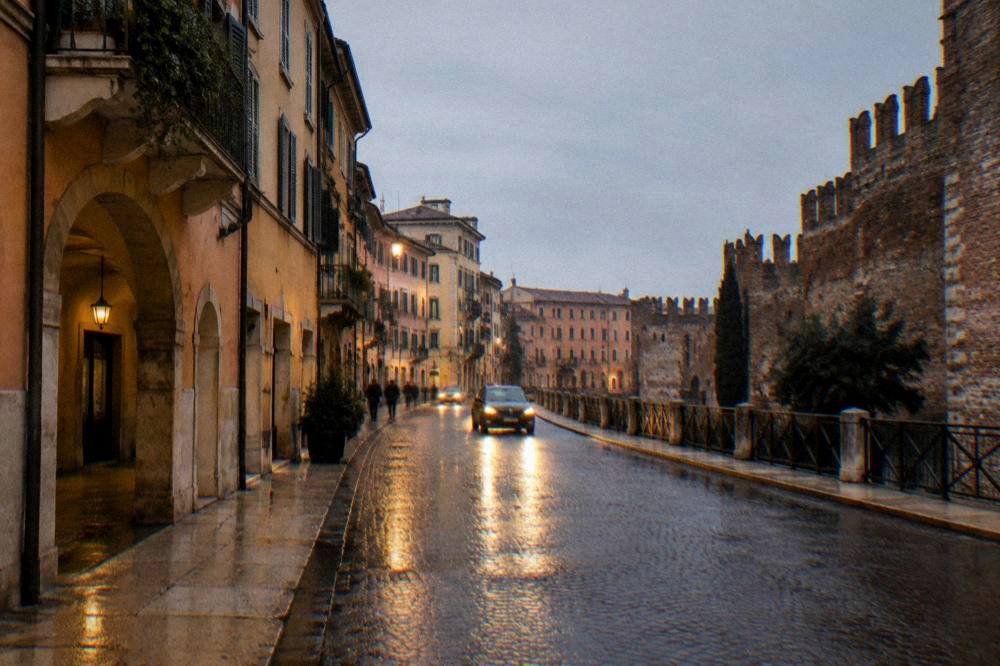
The workable plans reduce to four: the hotel-plate plan for stays inside the ZTL, the ring-garage plan for day visitors, the no-car plan for rail arrivals, and the hills-only plan where the car is hired specifically for Valpolicella, Soave or the Garda shore and never enters the centre at all. Each one keeps every crossing of the zone boundary either registered or unnecessary, which is the whole game.
| Trip type | Plan | The one rule that matters |
|---|---|---|
| Hotel stay inside the ZTL | Hotel registers the plate before arrival | Registration applies to hotels, not tourist rentals |
| Day visit by car | Ring garage, walk or bus in | No gate crossing, ever, without authorisation |
| Rail arrival | No car at all | Buses at 1.50 euro a single cover the city |
| Wine or lake touring | Car for the surroundings only | The centre is a walking district, not a parking one |
The pattern underneath all four is that Verona rewards travellers who treat the ZTL boundary as the edge of the trip's driving chapter. Inside the line the city is a pedestrian object: the Arena at 12 euro full price for a daytime visit, the Casa di Giulietta ticketed at 5 euro for the courtyard route and 12 euro for the house and balcony since 1 April 2026, both per the city's own listings. Outside the line, the car is genuinely useful, for the vineyards, the lake and the small towns the trains skip. Getting that division right is the difference between a trip with no paperwork and one with a notice arriving in the post a month later.
Common Questions About The Verona ZTL
Can I drive into the Verona ZTL at all as a visitor?
Yes, within limits. Per the Comune di Verona's rules, non-residents may enter at most four times a month on a booking, in reported windows of Monday to Friday 10:00 to 18:00 and 20:00 to 23:00 and weekend mornings from 10:00 to 13:30, and hotel guests enter free when the hotel registers the plate. Confirm current windows on the Comune's page before you go.
Is parking free inside the Verona ZTL for hotel guests?
ZTL entry and parking are two different things. A registered plate legalises the crossing; it does not create a parking space. On-street parking inside the centre remains restricted, and the usual pattern is a stop at the hotel door for luggage, then the car to a garage. Ask your hotel where it sends guests' cars.
Where do I park if my hotel is outside the ZTL?
Use your hotel's own arrangement or a garage on the ring outside the boundary, reached without crossing a gate. Hourly rates for individual garages are not published with confidence here, so check the operator's page or the signage on arrival before committing.
Do rental cars have an exemption from the Verona ZTL?
No. The cameras read the plate, not the rental agreement. A crossing without authorisation goes to the hire company as owner of record, which passes it on with its own administration fee. Book the entry or register the plate through the hotel before driving in.
Does the VeronaCard cover parking or ZTL entry?
No. The digital VeronaCard, since 1 September 2026 priced at 33 euro for 24 hours and 38 euro for 48 hours with ATV urban transport, covers sights and city buses, not car access or parking, and it does not include the airport Aerobus.
Can I drive from Lake Garda to Verona easily?
Yes. Computed free-flow drive times from the Arena are about 37 minutes to Bardolino, about 40 to Sirmione and about 84 to Malcesine. Verona itself is inland on the Adige, not on the lake, and the drive ends best at a ring garage, not inside the historic centre.
The short version of everything above: register the plate with the hotel, or park outside the line and walk in. The ZTL is not hostile to visitors, it is simply a system that expects the plate to be authorised before the camera sees it, and travellers who treat it that way never hear about it again.