Venice To Verona: Train, Bus And Driving Compared
Venice to Verona is one of the shortest inter-city hops in northern Italy: a reported one-hour train ride lands you in an inland city of Roman arenas and Valpolicella wine hills.
Short answer
The train from Venice to Verona takes a reported 58 to 75 minutes to Venice Mestre's high-speed connection, arriving at Verona Porta Nuova. No fare is printed because none was confirmed; driving is about 122 km and 85 minutes, but Verona's historic centre is a camera-policed ZTL.
Verona sits inland on the Adige river in Veneto, northern Italy, and the hop from Venice is a short one: about 122 km by road, or a train ride reported at one hour to one hour and fifteen minutes from Verona Porta Nuova. The two cities make a natural pairing, Venice for the lagoon and Verona for a first-century Roman Arena, the Romeo and Juliet legend and the Valpolicella wine hills a short drive to the north. This page compares the ways of making the journey and then covers what waits at the other end.
How Long Does The Train From Venice To Verona Take?
The train from Venice to Verona is reported to take between 58 and 75 minutes on the high-speed connection to Venice Mestre, arriving at Verona Porta Nuova station, with the return direction reported at one hour to one hour and fifteen minutes. These are reported times from live-search results, not a timetable guarantee, so confirm exact departures and durations on the operator's own site before booking. No fare was confirmed.
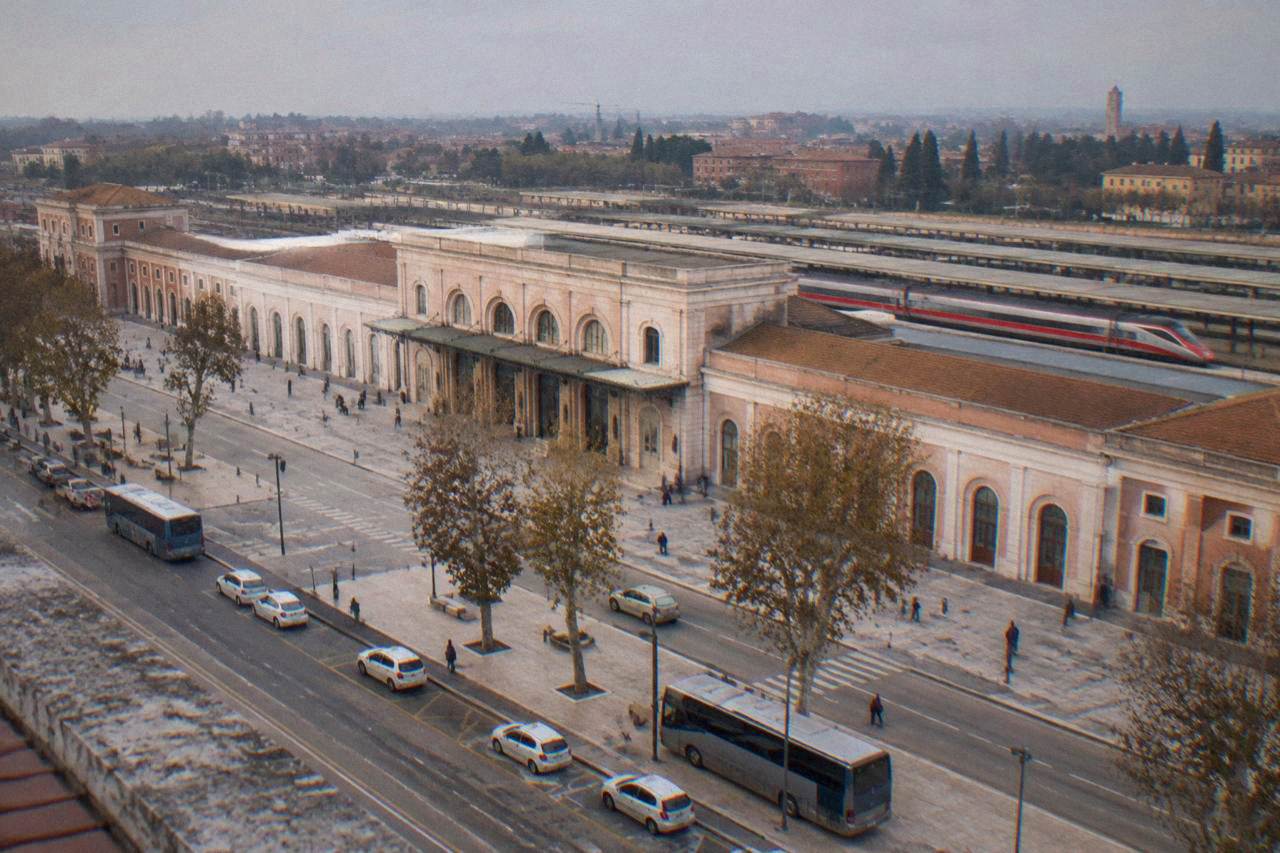
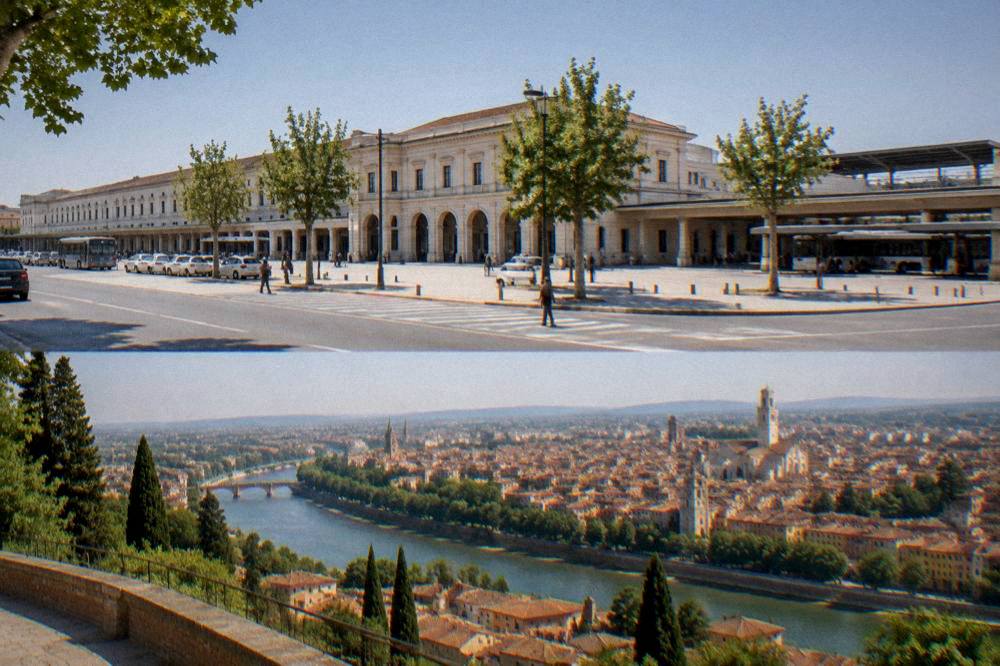
Trains arrive at Verona Porta Nuova, the city's main station, which sits just south of the historic centre. From the station, the old town inside its loop of the Adige is a short hop away: the urban ATV bus single ticket costs 1.50 euro and is valid 90 minutes, per the ATV's own fares page. Every major city sight, from the Arena at Piazza Bra to the Torre dei Lamberti, lies within a compact radius, and the Verona train station guide covers the arrival end in detail.
A few practical points reported by the live search matter for planning. High-speed services on the Venice to Verona corridor are described as frequent, but this page prints no operator-specific frequency and no fare, because neither was confirmed from an official source. Times vary by service type: the 58 to 75 minute range reflects the fastest connections, and slower regional routings take longer. Check the current schedule and price directly when you book.
For context, Verona Porta Nuova is also the arrival point for other long-distance rail hops covered elsewhere on this site: Milan to Verona is reported at 1 hour 15 to 1 hour 50, and Rome to Verona at about 3 to 3 hours 30. Florence and Bologna durations are not stated.
Which Way Of Travelling From Venice To Verona Suits Which Traveller?
For a city-to-city transfer, the train is the option with confirmed, reported times: 58 to 75 minutes on the high-speed connection, arriving at Porta Nuova. Driving covers about 122 km in about 85 minutes of free-flow road time, but Verona's historic centre is a camera-policed ZTL where non-residents are limited to four entries a month, so the car suits only travellers continuing to the wine hills or Lake Garda. Long-distance bus times remain unconfirmed.
The choice really turns on what you do after arrival. A traveller spending a night or two in Verona itself has no use for a car: the old town is compact, walkable, and closed to casual driving in its core. A traveller heading onward to the Valpolicella hills (about 25 minutes and 21 km by road), Soave (about 33 minutes and 33 km) or the Lake Garda towns has a stronger case for wheels, though Garda is also reachable by reported public transport, covered below.
| Option | Reported or computed figure | Notes |
|---|---|---|
| Train, Venice Mestre to Verona Porta Nuova | 58 to 75 minutes (reported) | Times only; no fare printed, confirm when booking |
| Drive, Venice to Verona centre | About 122 km, about 85 minutes (computed over OSM routing, free-flow) | Not a timetable; traffic will vary |
| Bus, Venice to Verona | Times not found | Confirm locally with operators before planning |
| Train, Verona return direction | 1 hour to 1 hour 15 (reported) | Same corridor, reverse direction |
One warning that belongs early in any Verona driving plan: the historic centre is a limited traffic zone, a ZTL, enforced by cameras. Non-residents may enter at most four times a month on a booking, in reported windows of Monday to Friday 10:00 to 18:00 (out by 18:00) and 20:00 to 23:00 (out by midnight), and Saturday, Sunday and holidays from 10:00 to 13:30, per the Comune di Verona's own ZTL notice. Hotel guests enter free if the hotel registers the plate, so ask your accommodation about plate registration before you drive in.
If you are weighing the two cities against each other rather than pairing them, the Venice or Verona comparison frames the choice on your own interests, opera, Roman ruins, wine or lagoon, rather than ranking one city over the other.
Can You Do Venice And Verona In One Day?
Yes, on paper, and the reported times support it: a 58 to 75 minute train ride each way means Verona can be visited as a day trip from Venice, or the reverse. The honest framing is that the sources confirm only the travel times and Verona's own sight facts; they do not confirm that one day is enough for any particular itinerary. What is confirmed is that the journey is short enough that neither city requires an overnight in the other.
The question of whether it is worth it is a different matter from whether it is possible, and that rests on what you want from Verona. The one-day itinerary from Venice is the site's dedicated answer, and the can you do Verona and Venice in one day page examines the same question directly. As a rule of planning rather than an operational detail, an opera evening at the Arena pushes the day trip into an overnight, because performances start at a reported 21:00 to 21:30 in June, earlier later in the season.
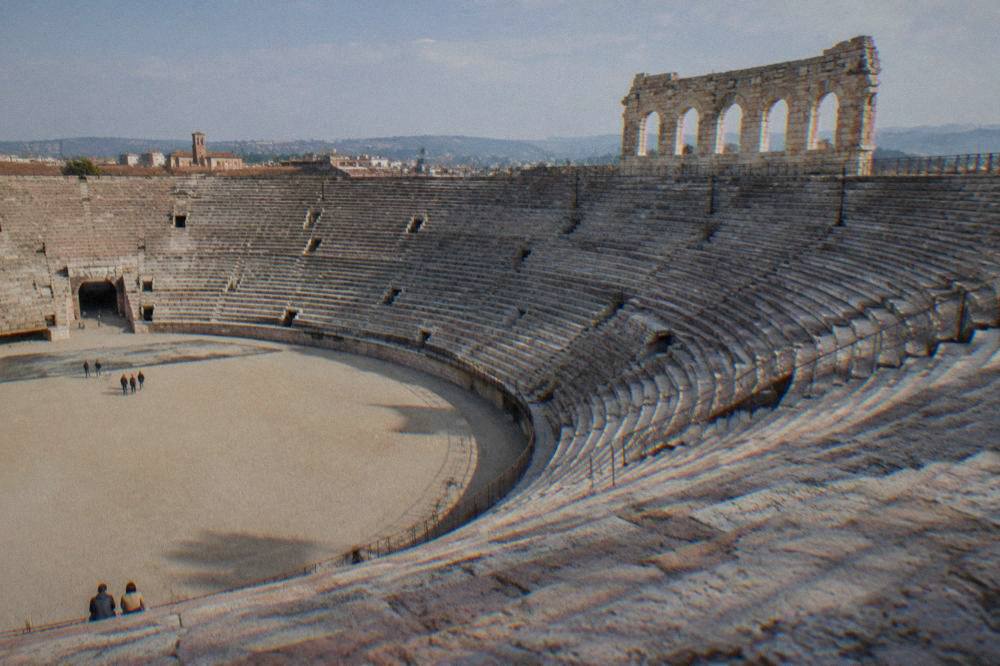
Three arrival facts shape any day trip. First, the Arena can be visited by day for 12 euro full and 9 euro reduced, per the Comune di Verona's price list, with 18 to 25s paying 3 euro. Second, Juliet's courtyard is no longer free: since 1 April 2026 the courtyard route costs 5 euro and the house and balcony route 12 euro, booked online, with entry via Teatro Nuovo. Third, the VeronaCard became digital on 1 September 2026, at 33 euro for 24 hours with ATV transport included or 29 euro without, per the Comune's announcement.
| Verona sight | 2026 admission | Source note |
|---|---|---|
| Arena di Verona, daytime visit | 12 euro full, 9 reduced, 3 for 18 to 25 | Comune di Verona price list |
| Casa di Giulietta, courtyard route | 5 euro | Ticketed since 1 April 2026 |
| Casa di Giulietta, house and balcony route | 12 euro | Online booking, entry via Teatro Nuovo |
| VeronaCard, 24h with ATV transport | 33 euro | Digital from 1 September 2026 |
| VeronaCard, 24h without transport | 29 euro | Same Comune announcement |
For a visitor with only a day, the free-standing sights cost nothing: Ponte Pietra, Piazza delle Erbe, Piazza dei Signori and Porta Borsari are open-access. The free things angle and the full sight list are covered on the site's main guide.
Is It Better To Drive From Venice To Verona Or Take The Train?
Driving from Venice to Verona covers about 122 km in about 85 minutes of computed free-flow road time, versus a reported 58 to 75 minute train ride, so the train wins on the journey itself. But the car is not really about the transfer: it is about what comes after, the Valpolicella hills at about 25 minutes, Soave at about 33 minutes and the Lake Garda towns at 37 to 84 minutes by road, none of which need a car if you take an organised tour instead.
The ZTL deserves a second mention because it is the single most expensive surprise for drivers in Verona. The zone covers the historic centre inside the Adige loop, cameras log every entry, and a non-resident without a booking or a registered hotel plate risks a fine. If you stay in the centre with a car, arrange plate registration with the hotel before arrival. If you stay outside the centre, park and walk or use the ATV buses at 1.50 euro a single.
Car-park hourly rates in the centre garages are low-confidence in the sources and are not printed. What is solid: the Verona car rental and driving page covers the practicalities, and the ZTL and parking guide covers the zone rules in full.
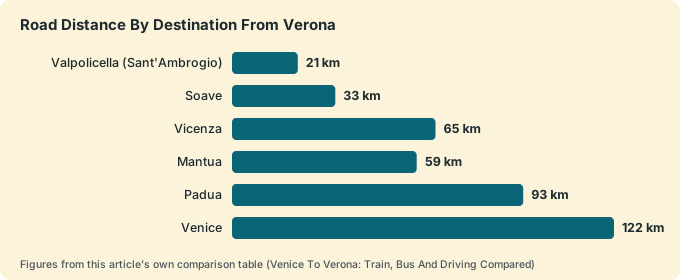
| Destination from Verona | Road distance | Drive time (computed, free-flow) |
|---|---|---|
| Valpolicella (Sant'Ambrogio) | 21 km | About 25 minutes |
| Soave | 33 km | About 33 minutes |
| Vicenza | 65 km | About 48 minutes |
| Mantua | 59 km | About 54 minutes |
| Padua | 93 km | About 67 minutes |
| Venice | 122 km | About 85 minutes |
The drive times above are computed over OSM routing in free-flow conditions, not timetables, so treat them as planning floors rather than promises.
How Do You Get From Verona To Lake Garda And The Wine Hills?
Lake Garda is a day trip from Verona, not a feature of the city: Verona is inland, and the lake towns lie west, with Sirmione about 40 minutes, Bardolino 37, Garda 42 and Malcesine 84 minutes by road. The reported ATV bus line 164 runs Verona to Sirmione in about 55 minutes direct, hourly, also serving Peschiera, Lazise, Bardolino and Garda; its fare was not confirmed and is not printed.
For the wine hills, the choice is between self-driving, a short hop of about 25 minutes to the Valpolicella zone, or an organised tour. The featured tour on this page is the Pagus Amarone half-day tour, a guided Valpolicella visit with tastings, and you can Check availability alongside the fuller Valpolicella wine tour options.
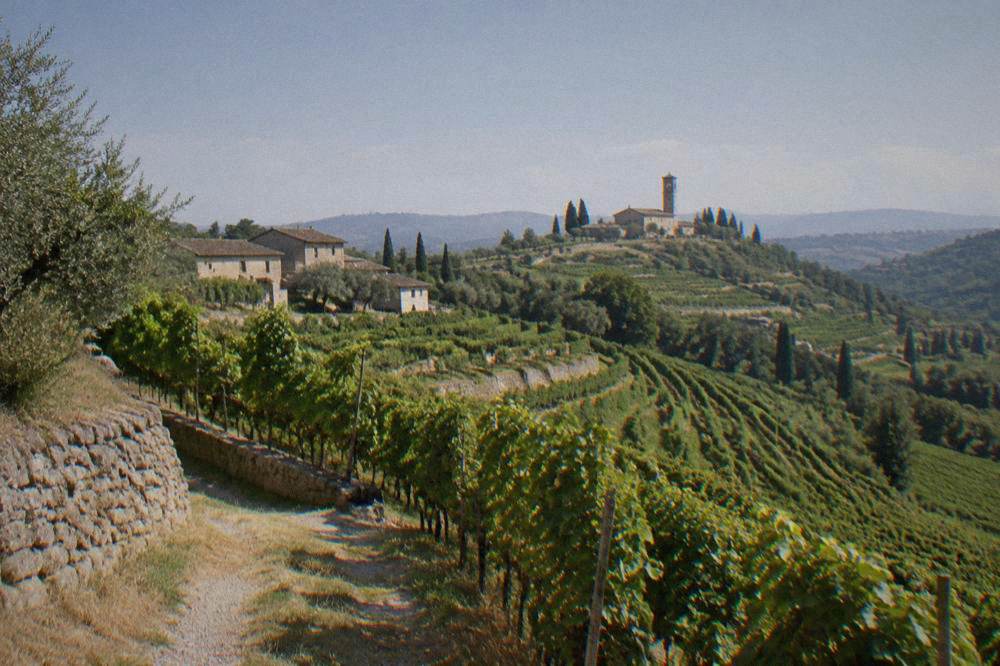
Two lake facts from the sources are worth carrying. The Monte Baldo cable car at Malcesine costs 30 euro round trip for an adult, 28 online, with junior fares at 18 and 16, per the operator's own fares page. And the Navigazione Laghi full-lake day pass costs 39.50 euro for an adult in 2026, per the official rates page, though the north-south passenger service is reported to be suspended from 2 November 2026 to 12 March 2027, so confirm sailings before you plan a winter crossing. The wider set of guides lives on Verona Italy Travel Guide.
What Should You Actually See Once You Arrive In Verona?
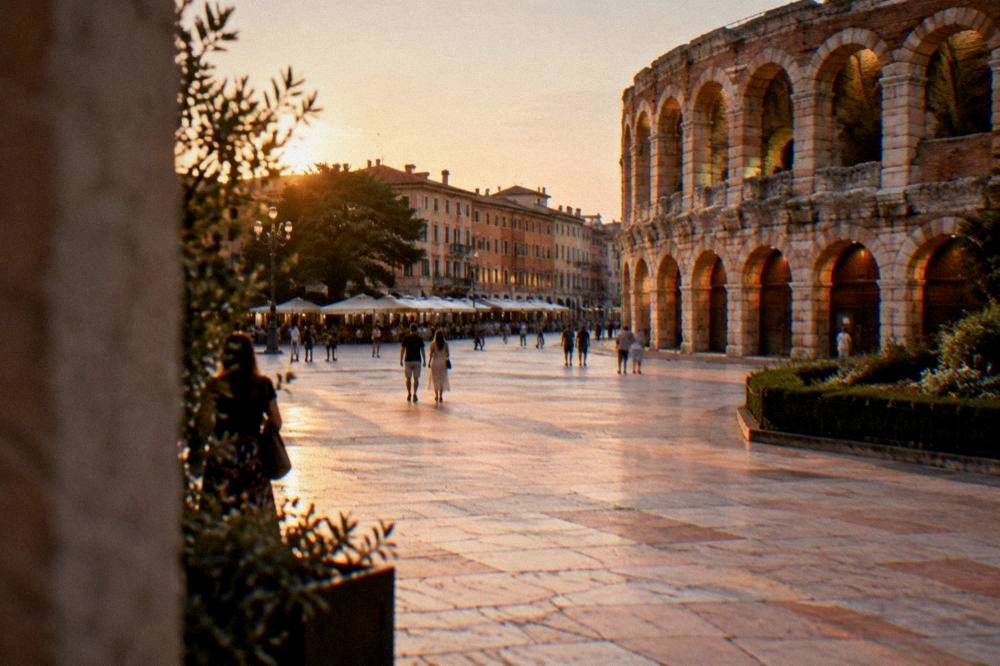
The confirmed anchors are the Arena di Verona, a Roman amphitheatre whose own foundation dates its origin to about 30 AD, the Casa di Giulietta with its ticketed courtyard, and the open-access squares and bridges: Piazza Bra, Piazza delle Erbe, Piazza dei Signori, Ponte Pietra and Porta Borsari. The Arena's 30,000-seat opera capacity and its age relative to the Colosseum come from the Arena's own site and carry that attribution.
Beyond the centre, Valpolicella and the lake towns are the two standard half-day and full-day directions.
Two ticketed entries reward planning. Juliet's House needs online booking even for VeronaCard holders, and the fast-track audio option on this page's picks lets you lock a slot before you leave home: Check availability for the Juliet's House fast-track ticket. The Casa di Giulietta guide covers what the ticket covers and what the balcony actually is, a 1940 addition, reported by the city's tourism pages, not an original Shakespeare-era structure.
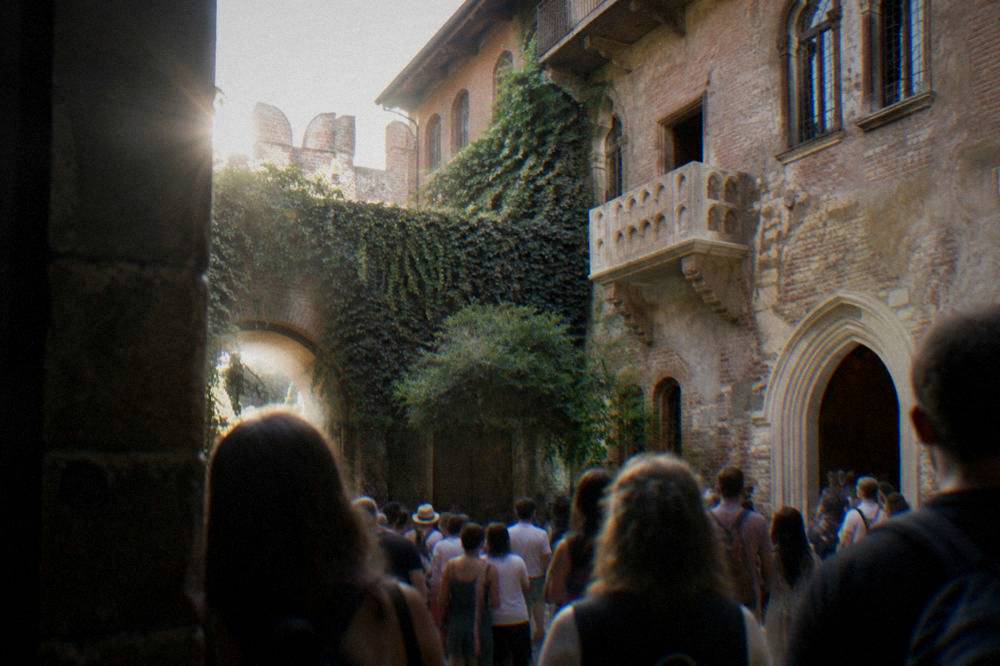
For the evening, the moonlight walk is the pick that fits an arrival day: it covers the centre after dark, and the pairing of an Arena viewpoint with quiet lanes is what the listing describes. Check availability for the Moonlight evening walk.
When Is The Best Time To Make The Venice To Verona Trip?
The ERA5 reanalysis for Verona, 1991-2020, shows the year split between cold winters and warm summers: July has the highest mean daily high at 29.3 C and January the lowest mean daily low at -0.4 C, while November is the wettest month at 118.2 mm of rain and January the driest at 52.3 mm. Shoulder months trade moderate temperatures against higher rainfall: April averages a 17.8 C high with 93.5 mm of rain, October 18.1 C with 107.2 mm.
The opera calendar matters more than the rain chart for many travellers. The Arena's 2027 season is announced for 11 June to 11 September, so summer is the window for a performance, at the price of the year's warmest weather and the crowds an Arena season brings. The full breakdown sits in the best time to visit Verona and Verona weather guides.
| Month | Mean high C | Mean low C | Rain mm |
|---|---|---|---|
| January | 7.3 | -0.4 | 52.3 |
| April | 17.8 | 7.6 | 93.5 |
| July | 29.3 | 19.1 | 79.4 |
| September | 23.7 | 15.1 | 99.7 |
| November | 12.3 | 5.3 | 118.2 |
These are modelled normals from the ERA5 reanalysis for the 1991-2020 period, not a station record, and sunshine figures are not given.
Where Should You Stay In Verona After Arriving From Venice?
The confirmed practical constraint is the ZTL: a hotel inside the historic centre can register your plate for free ZTL access, while a short-term rental generally cannot, so drivers should weigh that difference when choosing between the centre and the surrounding districts. The tourist tax, a few euro per person per night depending on the accommodation, is collected by the accommodation itself and capped at four nights per person per month; no per-star rate is printed because none was confirmed.
The where to stay in Verona guide covers the districts, and the getting around Verona guide covers the buses, at 1.50 euro for a 90-minute urban single, the walkable centre and the practicalities once you are on the ground. Train-only travellers can ignore the ZTL entirely; Porta Nuova sits outside the restricted core, and the centre is a bus ride or a walk away.
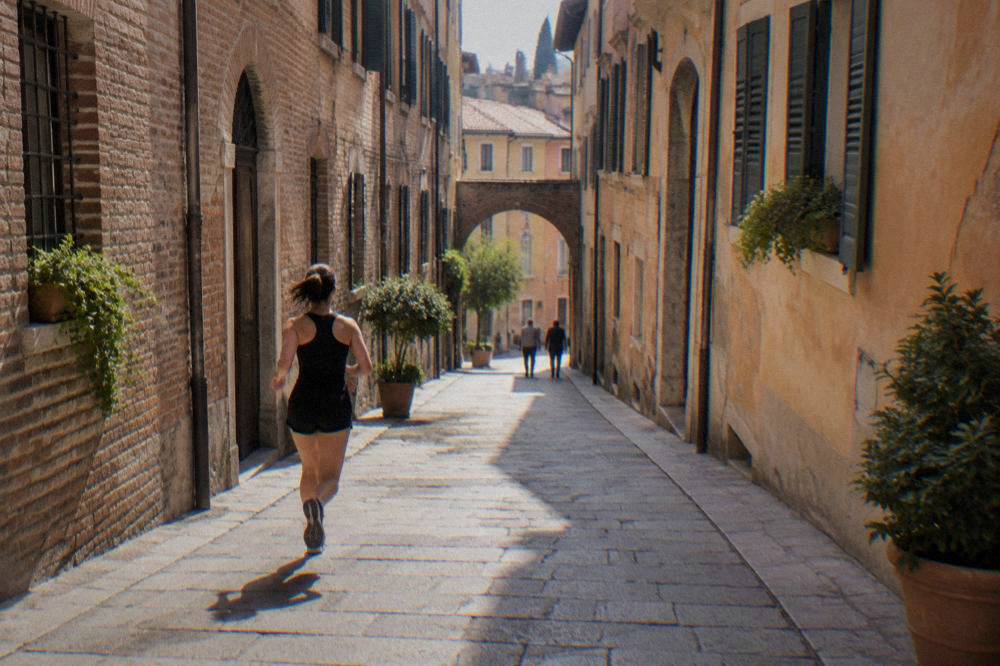
For eating, the traditional Veronese dishes named in the sources are pastissada de caval, risotto all'Amarone, bollito with pearà sauce and gnocchi, and the restaurants guide takes the food planning from there.
How Does The Venice To Verona Hop Fit A Longer Northern Italy Trip?
Verona sits at a rail crossroads that makes it a natural base or stopover: reported train times from Porta Nuova are 58 to 75 minutes to Venice Mestre, 1 hour 15 to 1 hour 50 to Milano Centrale and about 3 to 3 hours 30 to Rome, while computed drive times put Padua at about 67 minutes, Vicenza at 48 and Mantua at 54. A Venice to Verona move therefore pairs easily with a wider Veneto and northern Italy circuit.
The northern Italy itinerary and the day trips from Verona to Venice pages build those routes out. The standard shape is Venice first, Verona second, then either the lake or the wine hills, with Brescia about 58 km away by straight line and Milan reachable as a day trip on the reported rail times. Florence and Bologna travel durations are not stated here; the Florence to Verona and Bologna to Verona pages cover what those sources do support.
The overall how to get to Verona guide adds the airport angle for travellers arriving at Verona Villafranca, about 26 minutes by road from the centre, with the airport transfer page covering the reported Aerobus at 7 euro for the 15-minute ride. Whatever the direction of travel, the essentials for this site's purposes are the two every visitor repeats: take the reported 58 to 75 minute train from Venice, and remember that Juliet's courtyard now needs a 5 euro online ticket, because the free-courtyard advice still circulating in older guides has been wrong since 1 April 2026.
Common Questions About Venice To Verona Travel
How long is the train from Venice to Verona?
The high-speed connection is reported to take 58 to 75 minutes to Venice Mestre from Verona Porta Nuova, and the Venice direction is reported at 1 hour to 1 hour 15. Confirm exact times on the operator's site when booking; fares were not confirmed.
Is Verona close to Venice?
Yes, by northern Italian standards: about 122 km by road, a computed free-flow drive of about 85 minutes, or a reported train ride of roughly an hour between Venice Mestre and Verona Porta Nuova.
Can you do a day trip from Venice to Verona?
Yes. The reported train times each way are short enough for a day trip, and the site's one-day itinerary from Venice lays out a workable plan. An opera evening at the Arena changes the arithmetic, since performances are reported to start at 21:00 to 21:30 in June and earlier later in the season.
Is it worth driving from Venice to Verona?
Only if Verona is a waypoint to the Valpolicella hills, about 25 minutes away, or Lake Garda, 37 to 84 minutes to the main towns. For the city itself the train is faster, and the historic centre is a camera-policed ZTL where non-residents are limited to four entries a month unless a hotel registers their plate.
What is there to do in Verona once you arrive?
The confirmed anchors are the Arena, visitable by day for 12 euro full, the ticketed Casa di Giulietta at 5 euro for the courtyard route or 12 euro with the house, and the free open-access squares and bridges. Valpolicella wine tours and Lake Garda day trips fill the days beyond the centre.
Does the VeronaCard cover the train from Venice?
No. The VeronaCard, digital since 1 September 2026 at 33 euro for 24 hours with ATV urban transport or 29 euro without, covers city sights and urban buses. It does not include inter-city trains, and the Comune's notice states it does not include the airport Aerobus either.