Museo Lapidario Maffeiano: Roman Inscriptions On The Piazza Bra
The Museo Lapidario Maffeiano stands on the edge of Piazza Bra in Verona, in Veneto, northern Italy, holding centuries of Roman stone inscriptions a few steps from the Arena. This guide covers what the museum is, how admission and the VeronaCard work, and how to fit it into a day in the city.
Short answer
The Museo Lapidario Maffeiano is a civic lapidary museum on Piazza Bra in Verona, displaying Roman inscriptions and carved stone. Reported hours are Tuesday to Sunday about 10:00 to 18:00, closed Monday, and entry is free with the VeronaCard, per the city's civic museums listing. Confirm hours on the civic museums' own site before you go.
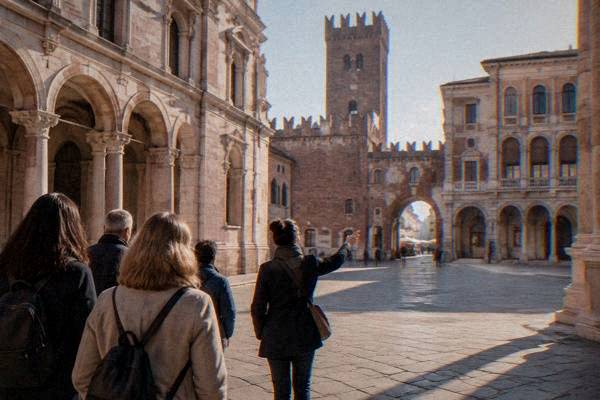
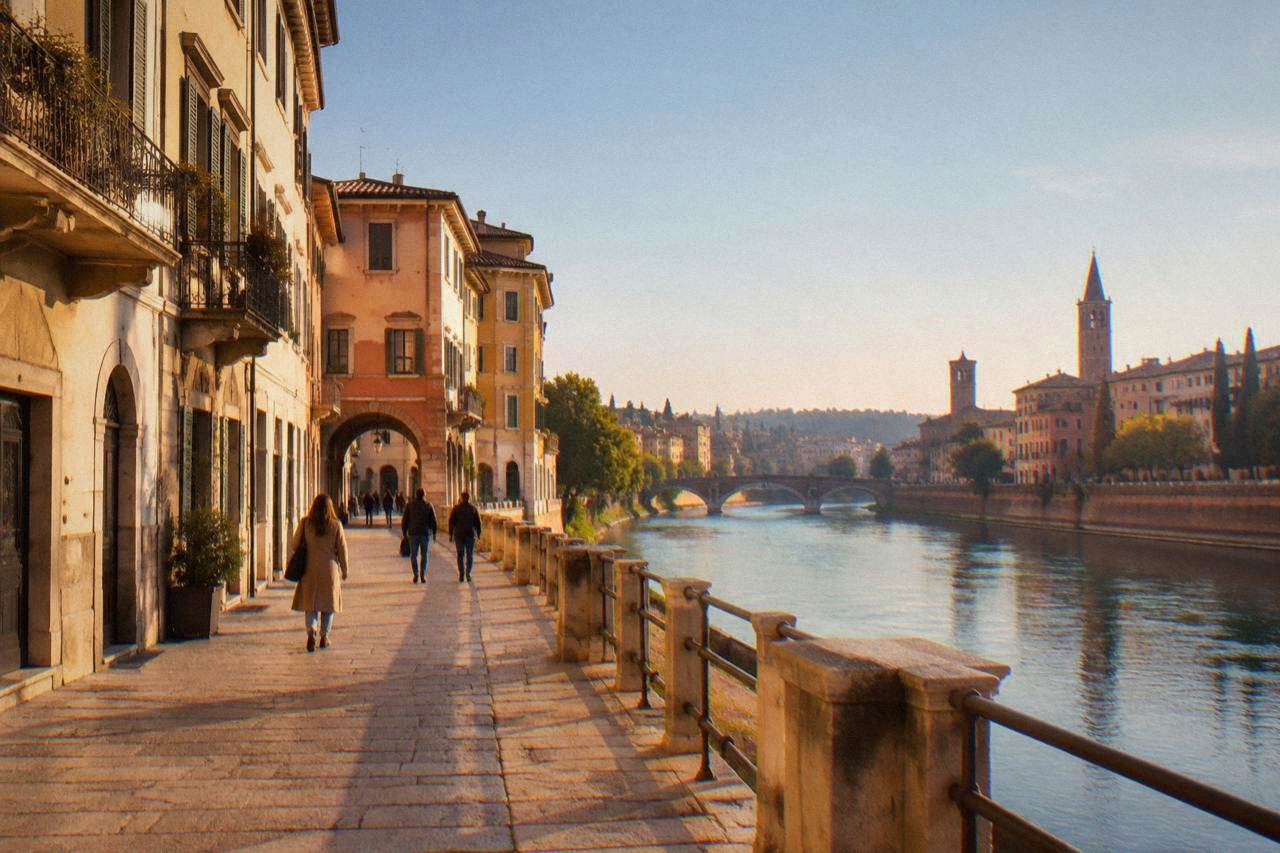
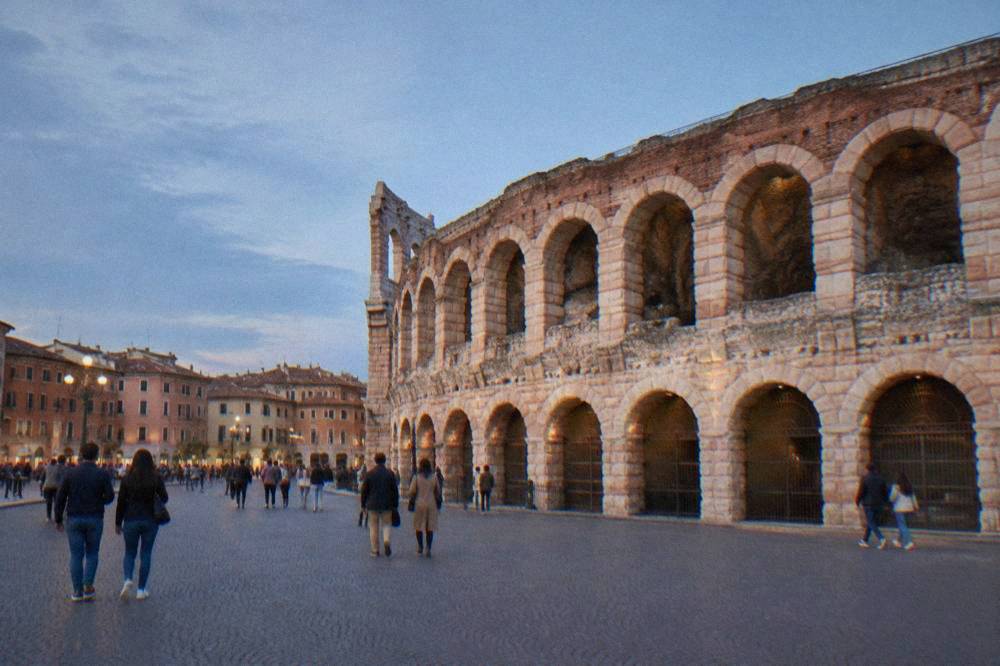
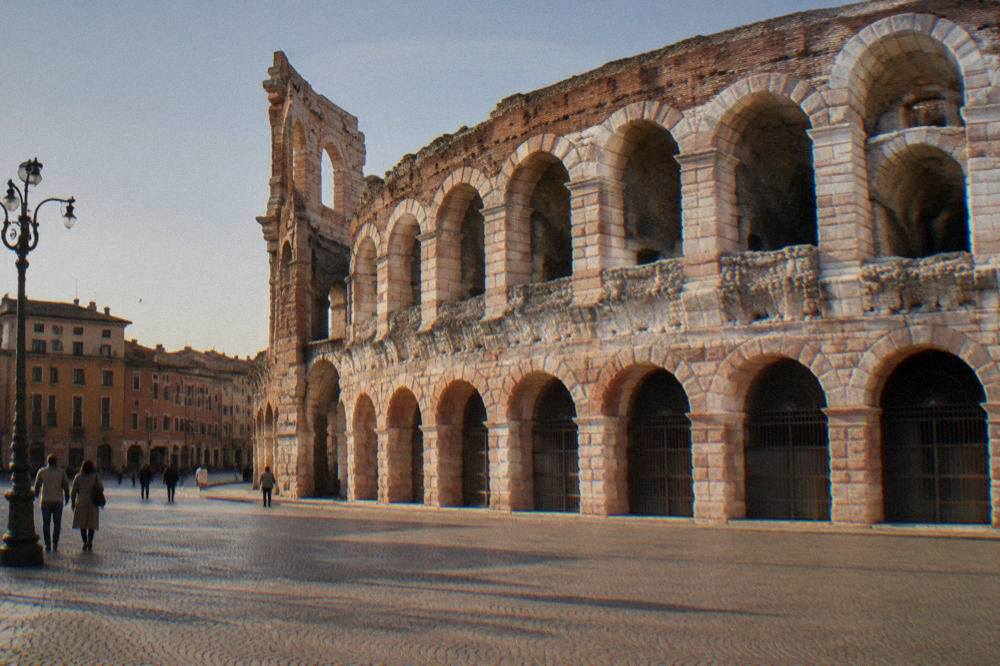
The Museo Lapidario Maffeiano sits on the south side of Piazza Bra in Verona, an inland city on the Adige river in Veneto, northern Italy, whose historic centre has been on the UNESCO World Heritage List since 2000. It is a lapidary museum: a collection set into a portico where the exhibits are stones, inscribed Roman tablets, funerary markers and carved fragments gathered from Verona and its territory over the centuries. The building sits in the shadow of the Arena di Verona, the first-century Roman amphitheatre that anchors the piazza, and it belongs to the same civic museums network that runs the Arena's daytime visits, Castelvecchio and the Museo Archeologico at the Teatro Romano. This guide lays out what the sources say about the museum, how the digital VeronaCard applies to it, and how to fold a visit into a walk through Verona's Roman and medieval layers.
What Is The Museo Lapidario Maffeiano In Verona?
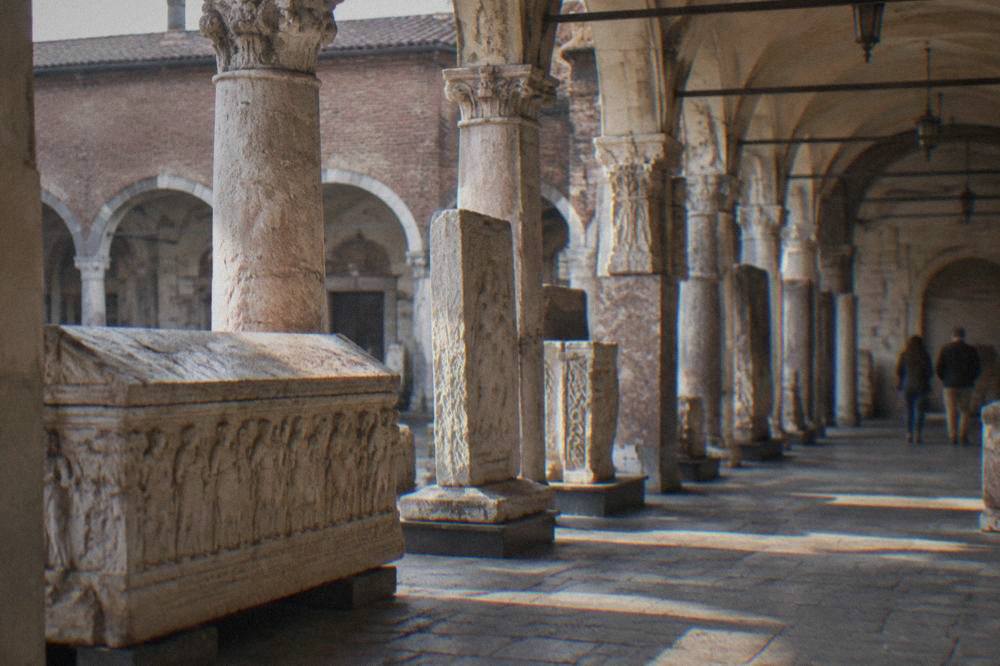
The Museo Lapidario Maffeiano is Verona's civic lapidary museum, a gallery of inscribed Roman and pre-Roman stone displayed in an open portico on the edge of Piazza Bra. The city's civic museums listing places it in the same network as the Arena, Castelvecchio and the Teatro Romano, and reports free entry with the VeronaCard. Its reported hours run Tuesday to Sunday, about 10:00 to 18:00, closed Monday, and the listing advises confirming before a visit because civic hours shift with the season.
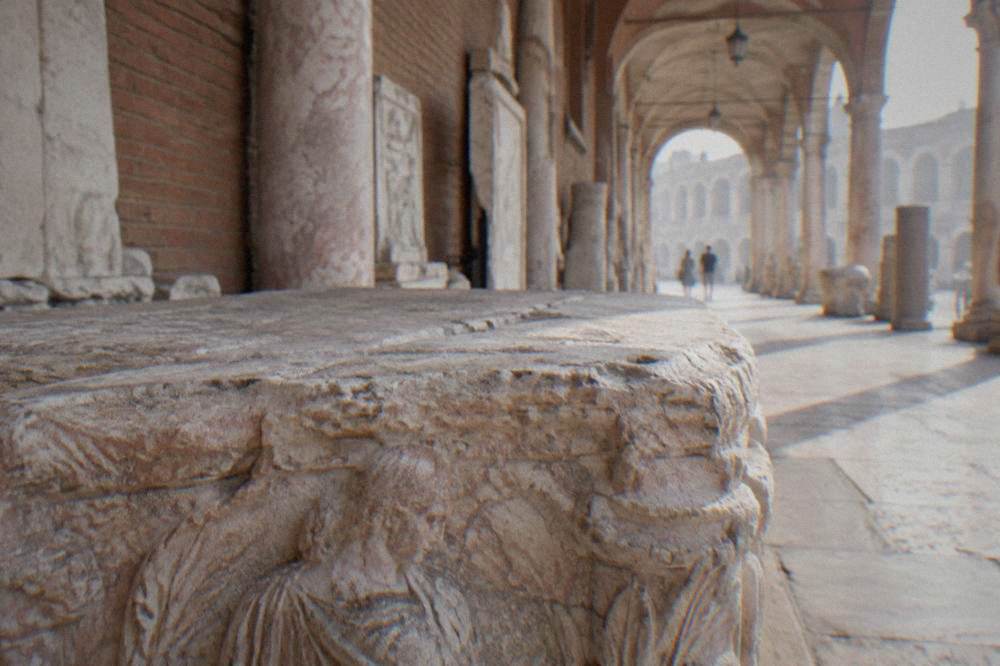
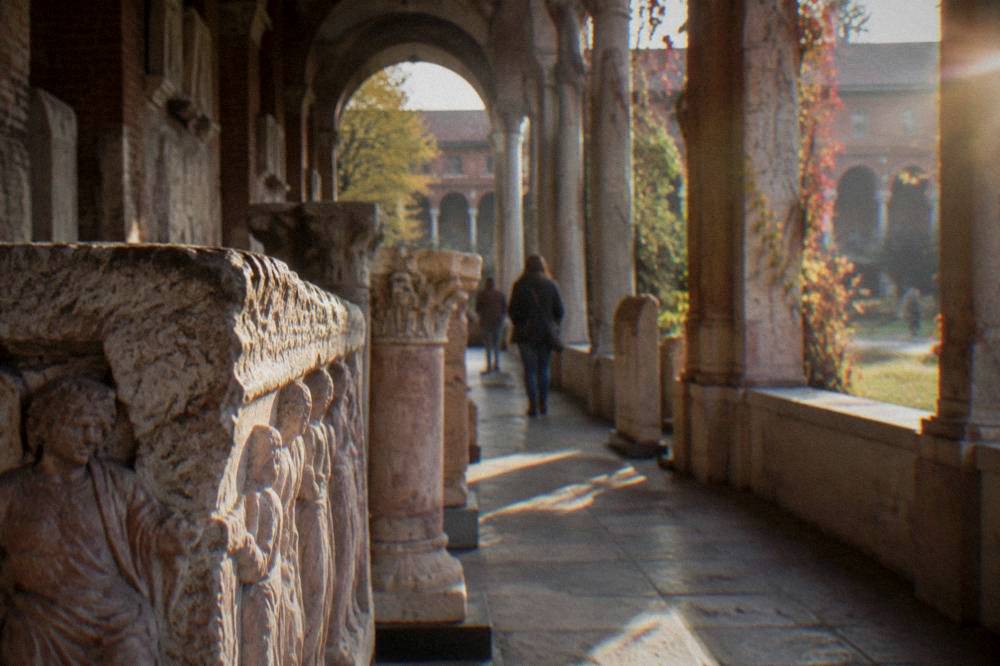
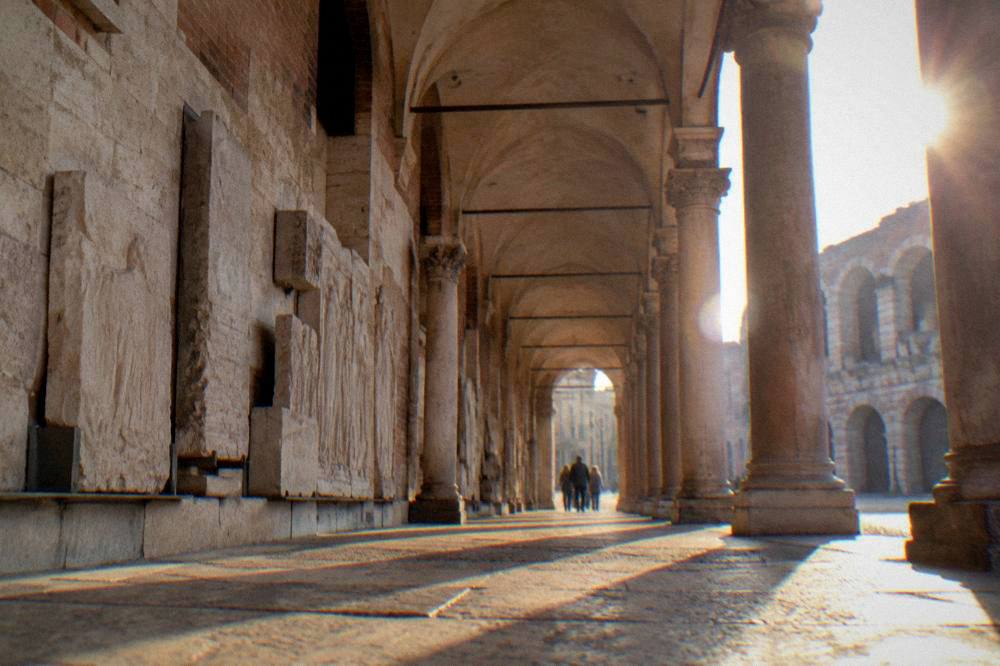
A lapidary museum is, plainly, a museum of stone. Instead of paintings or sculpture arranged as art, the displays are documents: Latin texts chiselled into slabs that once marked graves, honoured officials, recorded building works or set out laws. Reading them is reading Verona's Roman past directly, in the words the Romans themselves cut. For travellers who find the label "archaeology" dry, the appeal here is intimacy: the tablets are close, legible in their lettering even without Latin, and the setting, a columned walkway beside the piazza, keeps the visit light rather than museum-heavy.
The museum's connection to the wider civic network matters practically. The VeronaCard notice from the Comune di Verona lists the Lapidario Maffeiano among the covered sites, alongside the Arena, Castelvecchio, the Torre dei Lamberti, the Teatro Romano with its Museo Archeologico, Juliet's House and the churches under the Chiese Vive convention. One card, in other words, sweeps in this small museum together with the headline sights, which is why it suits a second or third stop on a Piazza Bra circuit rather than a destination in itself.
For context on how it stacks against the city's other museums, the table below gathers what the sources say about the main civic sites.
| Civic site in Verona | What it holds | Reported admission | VeronaCard |
|---|---|---|---|
| Arena di Verona | Roman amphitheatre, daytime visit | EUR 12 full, EUR 9 reduced, EUR 3 ages 18 to 25 | Included |
| Castelvecchio | Medieval castle art museum | EUR 9 full, EUR 6 reduced, EUR 2 ages 18 to 25 (reported) | Included |
| Teatro Romano and Museo Archeologico | Roman theatre and finds | Reported at about EUR 9 / 6 / 2, figures to confirm | Included |
| Museo Lapidario Maffeiano | Inscribed stones and tablets | Tickets via the civic system, free with the card | Included |
| Casa di Giulietta | Juliet's courtyard and house | EUR 5 courtyard, EUR 12 house route | Included, online booking still needed |
Where Is The Museo Lapidario Maffeiano And How Do You Reach It?
The museum stands at the Piazza Bra end of Verona's historic centre, beside the listone, the wide paved promenade, steps from the Arena's façade. The urban bus network's single ticket costs EUR 1.50 and is valid 90 minutes, per ATV's own fare page, and stops on Piazza Bra serve the piazza directly. From Verona Porta Nuova station the walk into the centre is level and short by Italian city standards, and the historic centre is a camera-policed ZTL, so drivers should park outside and walk in.
Piazza Bra is Verona's largest square and the natural first stop for anyone arriving in the city. The museum's portico faces the piazza's southern edge, which means a visit pairs naturally with the Arena, with the landmark cafés under the arcades and with the walk up Via Mazzini toward Piazza delle Erbe. Nothing in the centre is far: the whole protected area bends around the Adige in a loop that a steady walker crosses in well under an hour end to end.
Drivers need the ZTL rules more than a bus timetable. The Comune di Verona's ZTL notice states that non-residents may enter the limited-traffic zone at most four times a month, on a booking, in set windows (Monday to Friday 10:00 to 18:00 and 20:00 to 23:00, with exit deadlines, and weekends and holidays from 10:00 to 13:30), and that hotel guests enter free when the hotel registers the plate. Short-term rental guests do not get that exemption, so the practical move is a car park outside the zone and a walk across one of the bridges.
For orientation, the neighbouring sights inside the walls and the reported distances beyond them look like this.
| Sight | Relation to the museum | Admission status per the sources |
|---|---|---|
| Arena di Verona | Same piazza, one to two minutes on foot | EUR 12 full daytime visit |
| Piazza Bra | The piazza itself | Free, open public space |
| Porta Borsari | Short walk north through the centre | Free, open access |
| Piazza delle Erbe and Piazza dei Signori | Continue past Via Mazzini | Free, open public space |
| Ponte Pietra | East across the centre by the river | Free, open access |
| Sirmione, Lake Garda | Day trip, about 40 minutes' drive from the Arena | Separate admissions, confirm locally |
What Can You See Inside The Museo Lapidario Maffeiano?
The displays are inscribed stones: Roman funerary tablets, honorary inscriptions and carved architectural fragments, set into the portico's walls in sequence, together with pre-Roman and early Christian material that the civic network attributes to Verona and its territory. The listing describes it as Verona's lapidary gallery and reports Tuesday-to-Sunday hours and free entry with the VeronaCard. No room-by-room inventory is available, so treat the collection as inscriptions and carved stone rather than expecting a mapped floor plan.
What makes an inscription worth a stop is what it does that a ruin cannot. A tablet that names a person, an office, a family or a date turns the anonymous Roman crowd into individuals. Verona was a Roman city of standing, the Arena proves that on its own, and the stones gathered on Piazza Bra carry the names and formulas of the people who lived in it, in Latin lettering that ranges from crisp capitals to worn, weathered lines. Photographs of the lettering travel well, and the portico's even light makes it an easy place to linger with a camera.
The museum also rewards a slower second pass through Roman Verona. The Arena shows the scale of Roman spectacle, the Teatro Romano on the far bank shows the theatre, Porta Borsari shows the gate, and the lapidary gallery supplies the written record that binds them. Travellers who enjoy the Teatro Romano and its archaeological museum often find the Lapidario Maffeiano a compact complement, because the two collections cover the same civilisation from different angles, one in architecture and objects, the other in text.
A guided walk puts the stones in context, and the Small-Group Highlights Walk covers the Arena and the Roman core with a local guide; Check availability on the operator's live listing. The tour's own page on this site describes what it covers.
Is The Museo Lapidario Maffeiano Included With The VeronaCard?
Yes: the Comune di Verona's VeronaCard notice lists the Museo Lapidario Maffeiano among the included sites, alongside the Arena, Castelvecchio, the Torre dei Lamberti, the Teatro Romano, the Scaligeri tombs and the Chiese Vive churches. The card went digital on 1 September 2026 and costs EUR 33 for 24 hours or EUR 38 for 48 hours with ATV urban transport, or EUR 29 and EUR 32 without. Juliet's House still requires an online booking even for card holders, and the Aerobus from the airport is not included.
The digital switch is the practical change of the year. The card now lives in the "Your Verona" web app, activates at first use, and old paper cards stay valid only to 31 March 2027, per the same Comune notice. For the museum itself the card simply removes the ticket question: walk to the portico, show the pass, read stones. Whether the card pays off overall depends on the day's plan, and the site's dedicated VeronaCard guide works through the arithmetic site by site.
One caution the notice states plainly: the card does not include the Aerobus line 199 from Verona Villafranca airport, which is reported at EUR 7 one way and about 15 minutes into the city. The card does cover ATV urban buses when bought in the with-transport version, which is useful for reaching outlying districts, though everything around Piazza Bra is walkable.
What Are The Opening Hours And Ticket Prices For The Museo Lapidario Maffeiano?
Reported hours for the Museo Lapidario Maffeiano are Tuesday to Sunday, about 10:00 to 18:00, closed Monday, with tickets issued through the civic museums' system, per the city's listings, so check the current price on the civic museums' own site before you go. Entry is reported as free with the VeronaCard. Treat all hours as seasonal and confirm locally, since civic museums in Verona adjust around exhibitions and holidays.
The Monday closure pattern repeats across the civic network, and it shapes planning more than any single price. On a Monday in Verona the Arena's daytime visit is also reported closed, so that day belongs to the open sights: Piazza Bra, Piazza delle Erbe, Piazza dei Signori, Ponte Pietra and Porta Borsari all cost nothing and keep no hours at all. The free list is short and real, and the table below pairs each with its status. The wider set of guides lives on Verona Italy Travel Guide.
| Verona sight | Admission | Notes from the sources |
|---|---|---|
| Piazza Bra | Free | Open public square, the museum's doorstep |
| Piazza delle Erbe | Free | Open public square, former Roman forum site |
| Piazza dei Signori | Free | Open public square off Piazza delle Erbe |
| Ponte Pietra | Free | Open pedestrian Roman bridge |
| Porta Borsari | Free | Open-access Roman gate |
| Tocati street-games festival | Free | 18 to 20 September 2026, latest edition |
For anyone building a card-and-ticket budget across a whole stay, the admission picture for the paid civic sights looks like this.
| Sight | Full ticket | Reduced | Ages 18 to 25 | Card covered |
|---|---|---|---|---|
| Arena (daytime) | EUR 12 | EUR 9 | EUR 3 | Yes |
| Casa di Giulietta (house route) | EUR 12 | Not published here | Not published here | Yes, booking needed |
| Casa di Giulietta (courtyard route) | EUR 5 | Not published here | Not published here | Yes, booking needed |
| Torre dei Lamberti | EUR 6 (reported) | Not published here | Not published here | Yes |
| Castelvecchio | EUR 9 (reported) | EUR 6 (reported) | EUR 2 (reported) | Yes |
| Museo Lapidario Maffeiano | Via civic system, confirm | Not published here | Not published here | Yes |
How Does The Museo Lapidario Maffeiano Fit Into A Day In Verona?
The museum works best as a 30-to-45-minute layer inside a Piazza Bra circuit rather than as a stand-alone outing: arrive on the piazza, visit the Arena by day, read the inscriptions in the portico, then walk Via Mazzini to Piazza delle Erbe and on to the river. The whole route is free of traffic inside the ZTL, costs nothing to walk, and the paid stops along it, the Arena, the Torre dei Lamberti, Juliet's House, are all on the VeronaCard.
Allow a full day if Juliet's House and Castelvecchio join the list.
A sample sequence, using only the sourced figures. Morning: Piazza Bra and the Arena, EUR 12 full or EUR 3 for ages 18 to 25 from EU and reciprocity countries, Tuesday to Sunday. Late morning: the Lapidario Maffeiano portico, card or civic ticket. Lunch on or near the piazza, then Via Mazzini to Piazza delle Erbe and Piazza dei Signori, both free and open. Afternoon: the Torre dei Lamberti at EUR 6 reported, or Juliet's House at EUR 5 for the courtyard and EUR 12 for the house, booked online since 1 April 2026. Finish across Ponte Pietra toward the Teatro Romano district, or climb to Castel San Pietro for the rooftop view of the Adige loop.
Families and short-stay visitors can compress this. The site's Verona in one day and Verona in two days itineraries do exactly that, and the things to do in Verona page carries the full sight list. Day-trippers arriving by train from Venice or Milan should note the reported rail times, Venice Mestre 58 to 75 minutes and Milano Centrale 1 hour 15 to 1 hour 50, which make a museum-plus-Arena half-day entirely realistic.
When Is The Best Time To Visit Verona For A Museum Walk?
The ERA5 reanalysis for Verona, 1991 to 2020, gives mean daily highs of 29.3 C in July and 29.1 C in August against 7.3 C in January, with November the wettest month at 118.2 mm of rain, so spring and early autumn combine milder temperatures with lower rainfall than midsummer for walking days.
May carries 109.7 mm and October 107.2 mm, so shoulder-season days still need a rain plan, and the portico of a lapidary museum is exactly that: a covered, quiet stop between open-air sights.
A lapidary museum is a fair-weather insurance policy in a city whose centre is mostly outdoors. Rain in Verona falls heaviest in late autumn, and the site's Verona in the rain guide lists the indoor alternatives in order, with the Arena, Castelvecchio and the civic museums all indoors or semi-covered. Summer visitors face a different problem: the opera season, which ran 5 June to 12 September in 2026 and is announced for 11 June to 11 September in 2027, fills Piazza Bra on performance evenings and shortens the Arena's daytime hours on show days, per the Arena's own site. Check the show calendar before planning an Arena-plus-museum morning in season.
| Month | Mean high (C) | Mean low (C) | Rain (mm), ERA5 1991-2020 |
|---|---|---|---|
| January | 7.3 | -0.4 | 52.3 |
| April | 17.8 | 7.6 | 93.5 |
| July | 29.3 | 19.1 | 79.4 |
| October | 18.1 | 10.5 | 107.2 |
| November | 12.3 | 5.3 | 118.2 |
What Else Should You See Near The Museo Lapidario Maffeiano?
Within five minutes' walk of the museum portico stand the Arena di Verona, the open expanse of Piazza Bra, the start of Via Mazzini toward Piazza delle Erbe, and, across the centre, the Duomo complex and the churches of the Chiese Vive circuit, all covered by the VeronaCard per the Comune's notice. The reported admission for the Arena is EUR 12 full, and every other named sight on that list is either free open space or card-covered. Nothing on this circuit requires transport once you are inside the walls.
The Arena deserves the longer share of any Piazza Bra hour. Its daytime visit, EUR 12 full and EUR 3 for visitors aged 18 to 25, opens the amphitheatre itself, and a guided option pairs the ticket with a local guide who explains the building's story, from its reported origin around 30 AD to the outer ring's collapse in the 1117 earthquake; Check availability for the guided version on its own listing.
From there the walking options fan out. North through Via Mazzini to Piazza delle Erbe and Piazza dei Signori; east to the river and Ponte Pietra; west along the city walls toward Castelvecchio, whose museum is reported at EUR 9 full with VeronaCard coverage; south into the Citta Antica lanes that hold the quietest corners of the centre. A food-and-walk combination suits the late afternoon, since the Food Tour with Amarone Tasting route covers tastings in the centre between the sights; Check availability for its listing.
Can You Combine The Museum With A Lake Garda Day Trip From Verona?
Verona is an inland city on the Adige, not a lakeside town, and the Lake Garda resorts sit 22 to 39 km west as day trips: computed drive times from the Arena are about 37 minutes to Bardolino, 40 to Sirmione, 42 to the town of Garda and 84 to Malcesine.
The museum itself belongs to the city day, so the sensible pattern is museums and the Arena on one day and the lake on another, using the bus, train or a tour rather than doubling up on a single afternoon.
The lake logistics the sources support: the ATV line 164 bus runs about 55 minutes direct from Verona Porta Nuova toward Sirmione and also serves Peschiera, Lazise, Bardolino and Garda, and Sirmione's own Grotte di Catullo and Scaliger Castle are reported at EUR 10 full each, closed Monday, with a combined EUR 20 ticket. The Navigazione Laghi full-lake day pass cost EUR 39.50 for an adult at the 2026 fares, and the lake's north-south passenger service is reported suspended from 2 November 2026 to 12 March 2027, so confirm sailings for the season. The Monte Baldo cable car at Malcesine, where the sources give a round trip of EUR 30 for adults and EUR 28 online, makes a full lake day in the warmer months.
| Day trip from the Arena | Computed drive time | Reported access notes |
|---|---|---|
| Valpolicella (Sant'Ambrogio) | About 25 minutes | Wine hills, wineries confirm tastings locally |
| Bardolino | About 37 minutes | ATV line 164 serves it |
| Sirmione | About 40 minutes | Line 164 bus about 55 minutes from Porta Nuova |
| Town of Garda | About 42 minutes | Distinct from Riva del Garda, 51 km away |
| Malcesine | About 84 minutes | Monte Baldo cable car, seasonal |
| Vicenza | About 48 minutes | Palladian city, admissions confirm locally |
Wine travellers can also stay on the city side of that line. The Valpolicella hills begin about 25 minutes' drive from the Arena, and guided tastings run from Verona itself, which keeps the lake and the wine country as two separate decisions; Check availability for a half-day Amarone option.
Common Questions About The Museo Lapidario Maffeiano
Is the Museo Lapidario Maffeiano free?
Entry is reported as free with the VeronaCard, per the Comune di Verona's card notice. A standalone ticket is issued through the civic museums' system, and the sources used here do not publish its price, so check the current price on the civic museums' own site before you go.
What are the Museo Lapidario Maffeiano opening hours?
Reported hours are Tuesday to Sunday, about 10:00 to 18:00, closed Monday. Hours can shift seasonally and around exhibitions, so confirm before a visit.
Where is the Museo Lapidario Maffeiano located?
On the Piazza Bra side of Verona's historic centre, beside the listone promenade and steps from the Arena di Verona, in an inland city on the Adige river in Veneto, northern Italy.
Does the VeronaCard include the Museo Lapidario Maffeiano?
Yes. The card, digital since 1 September 2026 at EUR 33 for 24 hours or EUR 38 for 48 hours with ATV transport, lists the museum among its covered civic sites. Juliet's House, also covered, still requires a separate online booking.
How long does a visit take?
The sources used here publish no timed itinerary. As a lapidary portico rather than a building of galleries, it reads as a short, focused stop on a Piazza Bra circuit, with the Arena and the open squares filling the rest of the visit.
Is the museum open on Mondays?
Reported as closed Monday, in line with the civic network. Mondays in Verona suit the free open sights: Piazza Bra, Piazza delle Erbe, Piazza dei Signori, Ponte Pietra and Porta Borsari.
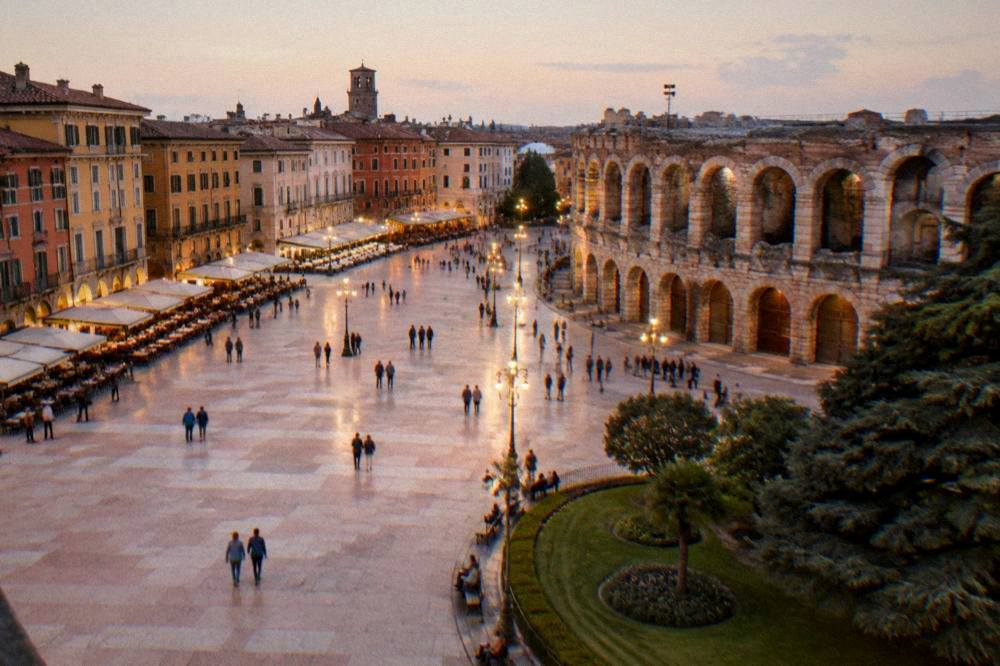
The Museo Lapidario Maffeiano will never headline a Verona poster the way the Arena does, and that is its value: a quiet, covered portico of carved words on the city's loudest piazza, covered by the same card as everything around it, and best read as a footnote to a Roman city that still stands up on Piazza Bra. Plan it as a stop, not a day, bring the VeronaCard or the civic ticket question, and give the stones a slow half hour before the crowds of the amphitheatre call again.