Teatro Romano: The Roman Theatre Above The River
The Teatro Romano is Verona's Roman theatre, cut into the hillside on the left bank of the Adige below Castel San Pietro, a short walk from Ponte Pietra. It is a ticketed civic visit, open Tuesday to Sunday, and it pairs the ancient cavea with an archaeological museum in the restored monastery above it.
Short answer
The Teatro Romano is a Roman theatre built into the San Pietro hill on Verona's left bank, reached on foot from Ponte Pietra in a few minutes. It is a ticketed civic sight open Tuesday to Sunday, with hours and the current admission to be confirmed on the civic museums' own pages before a visit, and it includes the Museo Archeologico in the former monastery terraced above the seating.
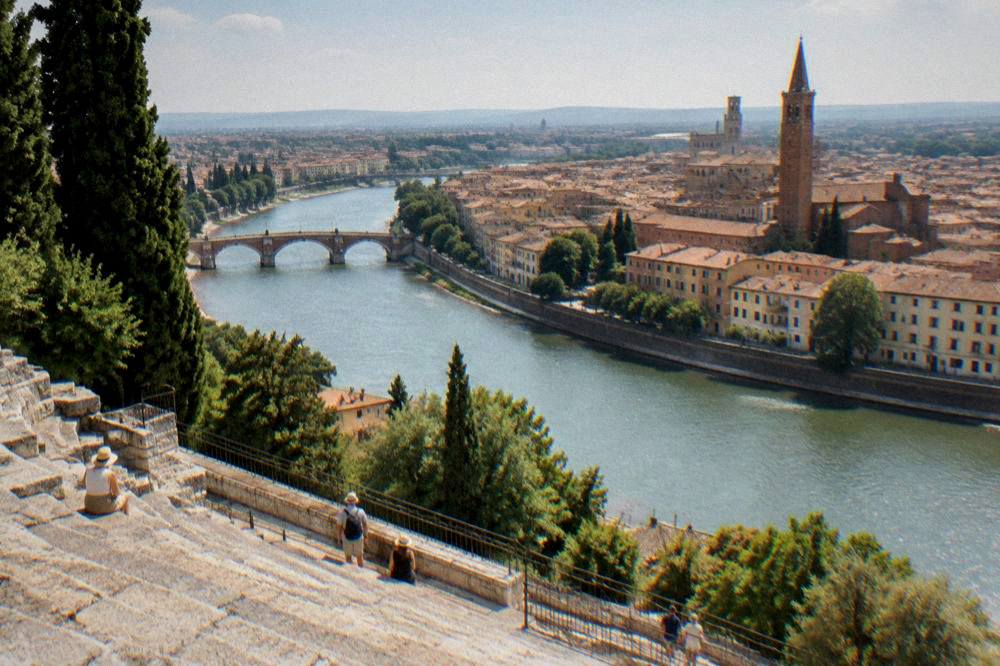
Verona keeps its Roman past in two great open-air shapes. On the south side of the old city, in Piazza Bra, stands the Arena, the amphitheatre of gladiator shows and, today, of opera. On the opposite bank of the Adige, tucked into the slope below Castel San Pietro, sits the other one: the Teatro Romano, the city's Roman theatre, a semicircle of stone tiers facing the river with the rooftops of the historic centre beyond it. This guide lays out what the theatre is, how the visit works, what the attached Museo Archeologico holds, and how to fold both into a day in Verona, in Veneto, in northern Italy, an inland city on the Adige with Lake Garda a day trip to the west.
What Is The Teatro Romano In Verona?
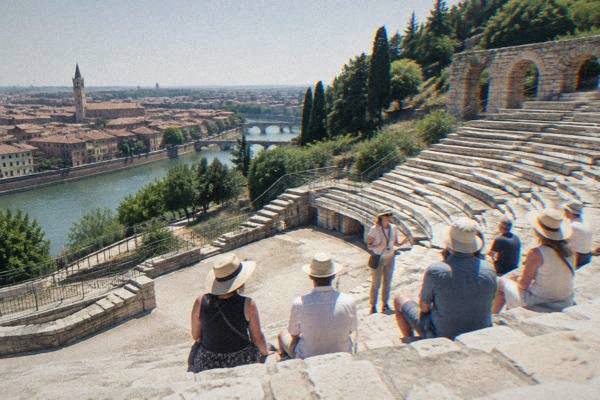
The Teatro Romano is Verona's Roman theatre, a semicircular auditorium of stone seating cut into the San Pietro hill on the left bank of the Adige, facing back across the river toward the historic centre. It is a ticketed civic sight, open Tuesday to Sunday with hours to be confirmed on the civic museums' own pages, and the visit takes in the Museo Archeologico, housed in the former monastery buildings terraced above the cavea.
A Roman theatre and an amphitheatre did different jobs, and the two shapes give that away. An amphitheatre such as the Arena di Verona is an oval ring built for spectacles in the round, combat and hunts. A theatre is a semicircle, built for performance on a stage, with the seating rows rising against a hillside so the whole city spreads out behind the actors. Standing in the cavea of the Teatro Romano, the stage of the modern visitor's view is the river itself: the Adige, the arches of Ponte Pietra just downstream, and the towers of the centre on the far bank.
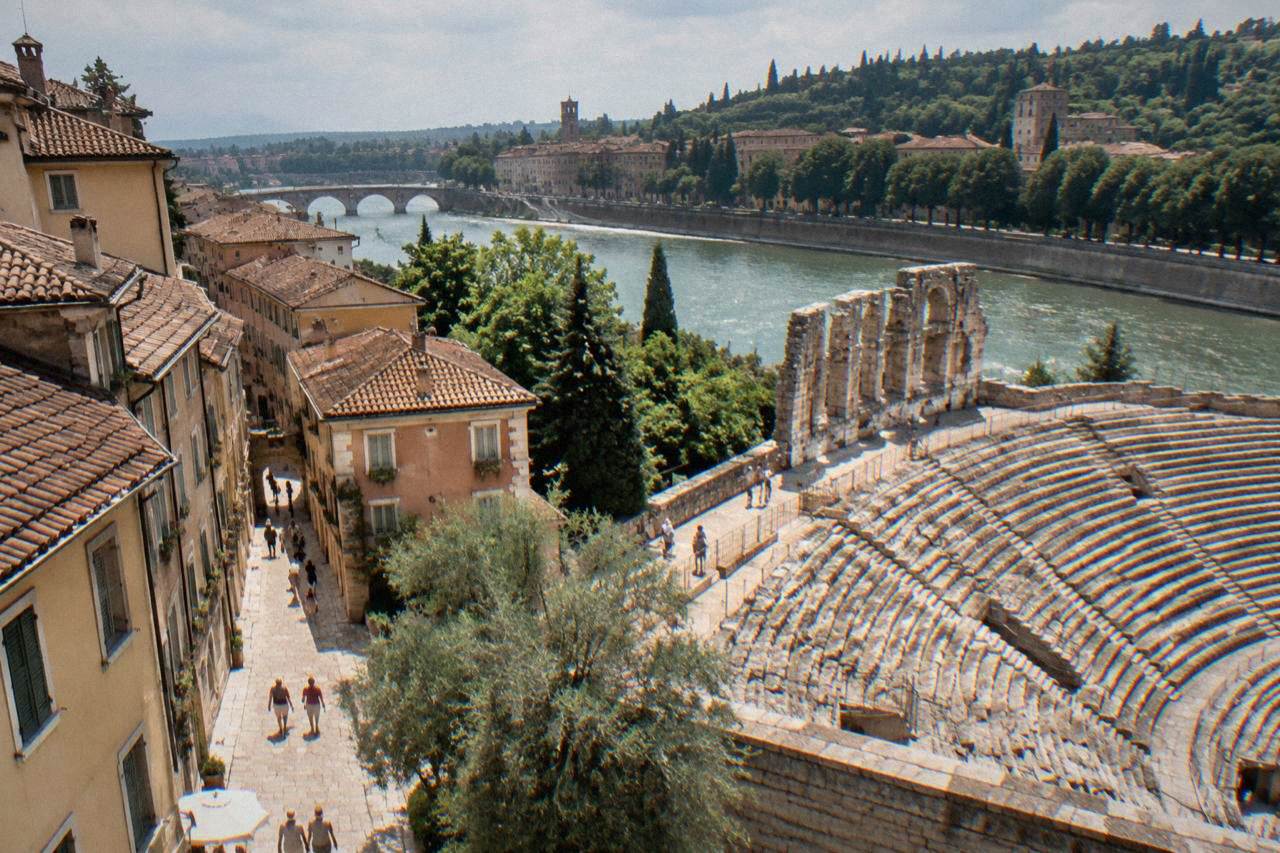
The theatre sits in Veronetta, the quarter that spreads over the left bank, historically the side of monasteries, churches and quieter streets. The visit today runs across several levels: the seating and stage area at the bottom, then a climb, by stair, through the terraced gardens and monastery buildings that hold the Museo Archeologico, ending near the foot of the Castel San Pietro hill. The museum's collection and the sight itself are managed by Verona's civic museums, the same system that runs Castelvecchio and the Torre dei Lamberti.
What a visitor sees is a hybrid, and an honest guide should say so plainly. The theatre's ancient fabric survived the centuries partly because later buildings were built into and over it, and the layout visible today is the result of excavations and restorations rather than a untouched ruin. That layered quality is the point: Roman rows, medieval monastery walls, museum display rooms, and one of the best elevated views of the city, all on one ticketed site.
How Do You Reach The Teatro Romano In Verona?
The Teatro Romano is reached on foot from central Verona by crossing the Adige, most directly at Ponte Pietra, and then climbing the signed street into the Veronetta slope; the walk from Piazza Bra or Piazza delle Erbe is roughly ten to fifteen minutes each way, steepening at the end. There is no lakeside or rail connection involved, the theatre is inside the walking city, and the nearest bridge, Ponte Pietra, is itself a free open-access sight.
The classic approach is the one worth taking. Cross the centre via Piazza delle Erbe and the Piazza dei Signori, continue to the river, and cross at Ponte Pietra, the Roman-founded footbridge that leads straight into the theatre's street. The entrance sits a short climb up from the bridge, on the left, marked by the civic-museum signage. Coming from the Arena side, allow a little longer, and expect the last stretch uphill.
Public transport matters less here than for almost any sight in the city, because the theatre's whole setting is pedestrian. Verona's historic centre is compact, walkable and largely closed to through traffic by the ZTL, the camera-policed limited-traffic zone under which non-resident drivers are limited to four entries a month in set windows and hotel guests are exempt if the hotel registers the plate. Anyone arriving by car should park outside the centre and walk or bus in, exactly as for the rest of the old city.
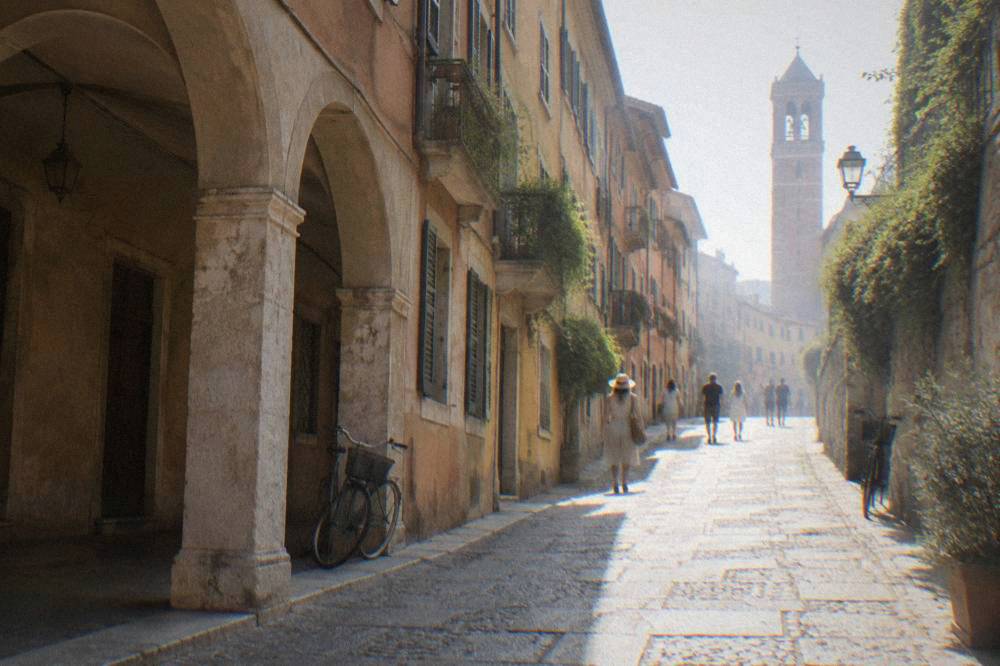
For visitors who prefer a structured first pass at the city, a guided walk that already crosses the river saves the route-finding. The featured option on this site is a city tour that pairs the left-bank crossing and the theatre hillside with the Arena and the cable car up to Castel San Pietro, the terrace that looks down on the theatre from above. Full details of what the tour covers, its price and its rating are on its listing page.
A self-guided alternative is described in the site's Verona walking tour route pages, which thread the same left-bank streets. Either way, wear shoes with grip: the theatre's internal stairways and the surrounding streets are stone, worn and, after rain, slick.
What Does A Visit To The Roman Theatre In Verona Involve?
A visit to the Teatro Romano is a ticketed civic-museum experience, open Tuesday to Sunday and closed Monday, combining the open-air theatre itself with the Museo Archeologico above it; the current admission price and the day's hours should be confirmed on the civic museums' own pages before setting out, because the site's figures are reported rather than fixed in stone, and show days and seasonal changes move closing times across Verona's civic sights.
The pattern to plan around is the Monday closure, shared with Castelvecchio and the other civic museums, and the general rule that last entry falls well before closing time. Verona's civic sites also close early on event days, a rule the Arena makes explicit on its own pages for opera evenings, and it is prudent to assume the theatre could follow similar adjustments in high season. The safe habit: check the day's hours the morning of the visit.
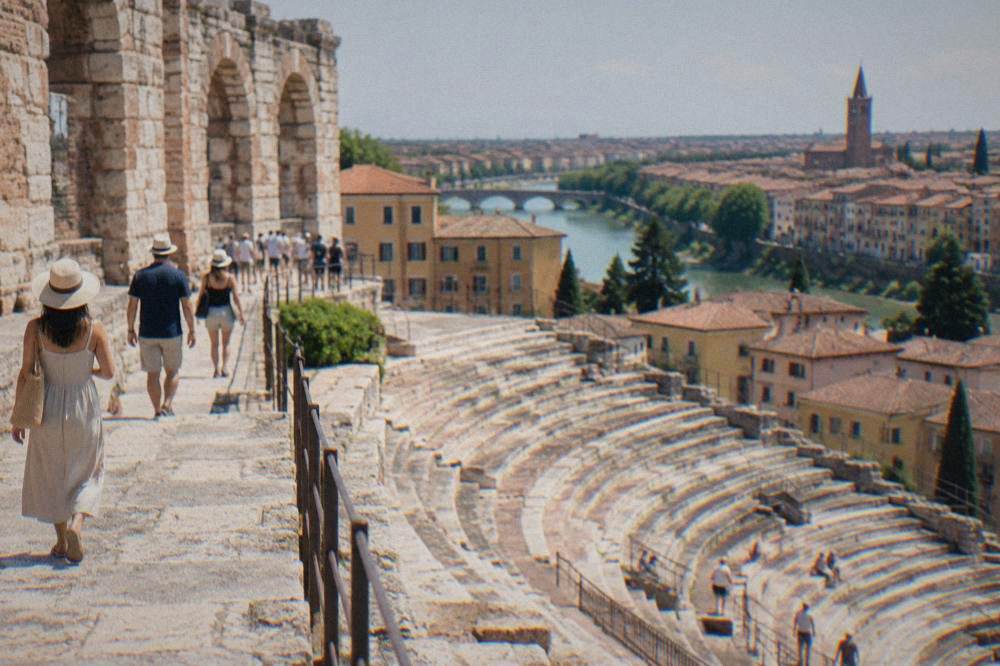
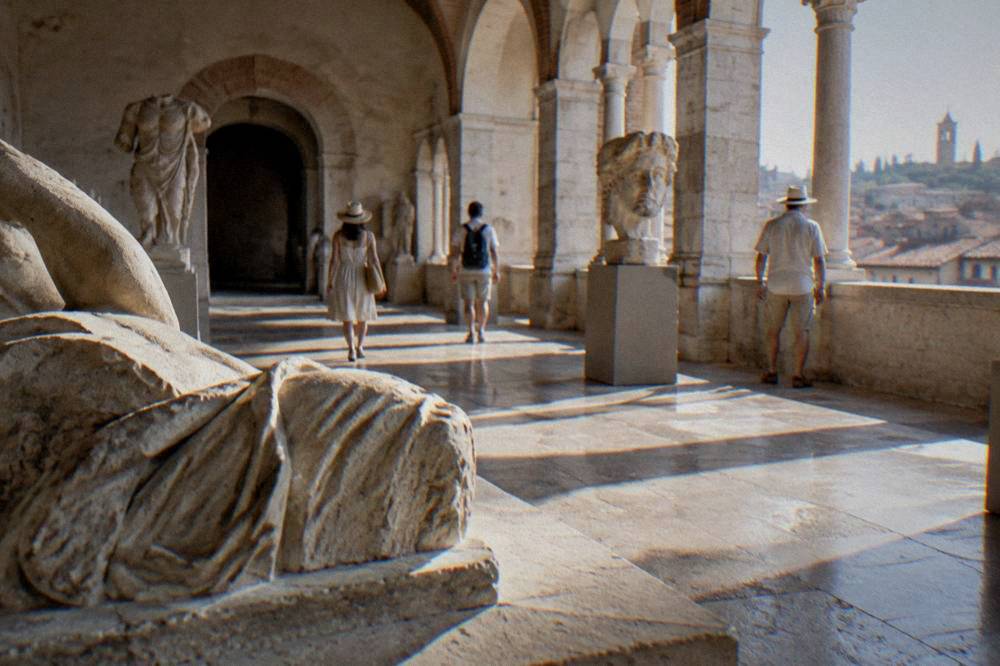
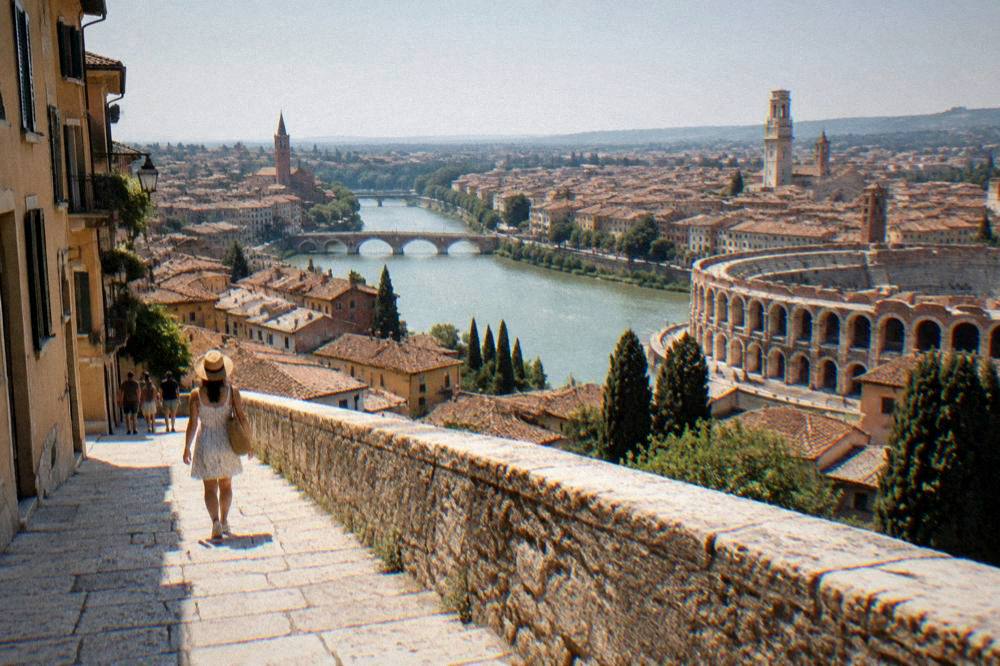
The visit itself divides into three movements. First the theatre: the seating rows, the stage area and the lower terraces, best taken slowly and in flat shoes. Second the museum: the Museo Archeologico occupies the former monastery, its rooms and loggias arranged up the slope, displaying Verona's Roman sculpture, inscriptions and finds, much of it stone recovered from the city's ancient layers over the centuries of building and rebuilding. Third the viewpoints: from the museum's upper terraces, and from the paths that continue toward Castel San Pietro, the whole bend of the Adige and the centre's rooftops open up, one of the widest panoramas available without paying for a tower.
Time budgeting is a matter of appetite. The theatre alone can be walked in well under an hour; the museum rooms and the terraces reward another hour or more; and visitors who continue up to Castel San Pietro, reachable on foot by a long staircase or by the funicular from the riverside near Ponte Pietra, typically add a further stretch. None of these legs is long in distance; all of them are uphill.
What Can You See At The Teatro Romano And The Museo Archeologico?
The visit delivers three distinct layers: the Roman theatre's semicircular seating and stage area at river level, the Museo Archeologico's collection of Roman sculpture, mosaics and inscriptions inside the former monastery, and a sequence of terraces and loggias whose views over the Adige and the historic centre rival any paid viewpoint in the city. The theatre and museum sit on one continuous site, so the ticket covers both.
The collection is stone-led, as Roman collections in old cities tend to be. Sculpture, architectural fragments, carved inscriptions and mosaic work recovered from Verona and its surroundings fill the monastery rooms; the display tradition here goes back to the collecting habits of Verona's antiquarians, whose lapidary tastes also shaped the separate Museo Lapidario Maffeiano across the river. For a visitor with limited time, the highlights are the objects with a story attached, funerary monuments and portrait sculpture, and any temporary display the civic museums are running.
Outdoors, the theatre's fabric is the exhibit. The eye reads it in rings: the curve of the cavea, the massive substructures that hold the hillside, the later walls stitched into the Roman work, and the way the whole ensemble climbs. Photographers should note that the light works differently through the day, discussed in a later section, and that the highest terraces of the museum give the clean sightline down over the seating toward the river, a composition few guidebooks photograph well because the best angle is from inside the paid area.
A reasonable comparison set, for visitors deciding how many of Verona's civic museums to take on, sits below. Prices marked reported come from the civic system's published pages and should be rechecked before a visit; entries with no figure are topics on which no confirmed number exists, and the honest advice is to confirm on the spot or at booking.
| Sight | Admission | Opening pattern | Notes for planning |
|---|---|---|---|
| Teatro Romano and Museo Archeologico | Ticketed visit, current price to be confirmed on the civic museums' pages | Reported Tuesday to Sunday, closed Monday | Combined theatre and museum on one site |
| Arena di Verona | 12 euro full, 9 reduced, 3 euro ages 18 to 25 | Tuesday to Sunday, closed Monday, early close on show days | 1 euro first Sundays November to March |
| Casa di Giulietta | 5 euro courtyard, 12 euro house and balcony | Monday afternoon, Tuesday to Sunday, online booking | Ticketed since 1 April 2026 |
| Castelvecchio | Reported 9 euro full, 6 reduced, 2 for 18 to 25 | Reported Tuesday to Sunday, closed Monday | Civic museum in the castle by the bridge |
| Torre dei Lamberti | Reported 6 euro, reported free with VeronaCard | Reported summer hours to about 21:00 | City tower on Piazza delle Erbe |
| Ponte Pietra | Free, open access | Always | Roman-founded footbridge at the theatre's foot |
How Does The Roman Theatre Compare With Verona's Other Roman Sights?
Verona's Roman remains fall into three visitor experiences: the Arena, a vast paid amphitheatre visit in the centre; the Teatro Romano, a hillside theatre-and-museum visit on the left bank; and the free open-air fragments, Ponte Pietra, Porta Borsari and the excavated stretches visible in squares, which cost nothing and need no booking. The theatre is the quieter, more museum-like of the two paid Roman visits, with the better view.
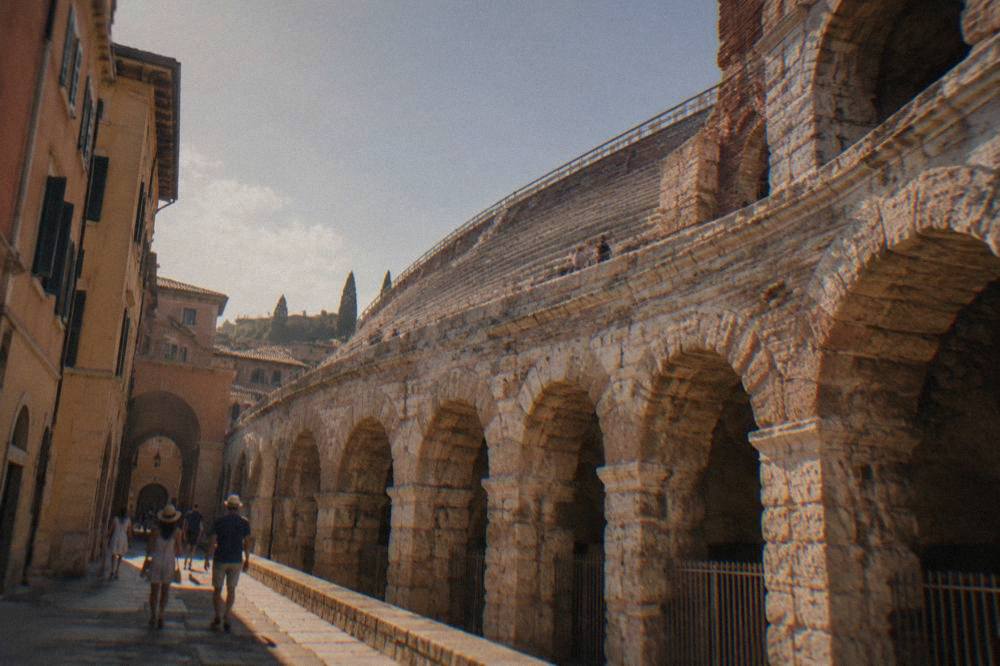
The Arena is the headliner, and rightly: it is the monument Verona is known for, reported as built about 30 AD, older than the Colosseum, with 30,000 effective seats laid out for the opera festival. Its daytime visit is a big, exposed, crowd-bearing experience in Piazza Bra. The theatre is its counterweight: smaller in footprint, layered with the monastery, requiring a climb, and capped by the museum. Visitors with an interest in Roman Verona rather than in spectacle alone often find the theatre the more atmospheric of the two, and the two sights together tell the story of what Roman Verona actually built for public life. The wider set of guides lives on Verona Italy Travel Guide.
The free layer should not be skipped. Porta Borsari, the Roman gate on the old decumanus, stands open to the street a few minutes from Piazza Bra, and Ponte Pietra at the theatre's foot is itself the loveliest approach in the city. The civic museum system also publishes Roman inscriptions and sculpture at the Museo Lapidario Maffeiano, reported free with the VeronaCard, for visitors who want a third lap of Roman stone.
What Is The Best Time Of Day To Visit The Roman Theatre In Verona?
Late afternoon is the strongest slot for the Teatro Romano: the sun drops behind the centre, the terracotta roofs across the river warm in low light, and the theatre's west-facing view over the Adige is at its photographic best, while the morning tends to leave the seating in shadow and the summer midday heat makes the unshaded tiers uncomfortable. In July and August, when the ERA5 reanalysis for Verona puts the mean daily high at 29.3 C, the theatre's stone holds that heat well into the evening.
The geometry drives this. The theatre faces the city across the river, so the view looks west and south-west over the water. In the morning the hillside and the seating sit in the hill's own shade; by late afternoon the whole panorama across the Adige is lit. Photographers after the rooftop-and-river composition should aim for the final two hours of opening, and should confirm the day's closing time on the civic museums' pages, because the reported summer hours and any early closures on event days move that window.
Season matters as much as hour. Spring and autumn give mild stone underfoot and long golden evenings; winter strips the slope bare and gives the sharpest light, at ERA5 January means of 3.1 C; summer rewards the very end of the day. The theatre is open-air for its lower half, so rain matters: the site's answer on a wet day is the museum half, and the site's own things to do in Verona planning pages list indoor alternatives, including the Duomo di Verona complex and Sant'Anastasia within an easy walk on the same left-bank circuit.
| Season | ERA5 mean daily high | ERA5 monthly rain | What it means for the theatre visit |
|---|---|---|---|
| March to May | 14.0 to 22.3 C | 67.4 to 109.7 mm | Mild stone, green hillside, rain possible, May the wettest spring month |
| June to August | 26.6 to 29.3 C | 79.4 to 92.3 mm | Visit late in the day, carry water, stone holds heat after sunset |
| September to October | 23.7 to 18.1 C | 99.7 to 107.2 mm | Warm light, thinning queues, October rainfall high at 107.2 mm |
| November to February | 7.3 to 12.3 C | 52.3 to 118.2 mm | Sharpest views, cold seating, November the wettest month at 118.2 mm |
Figures above are ERA5 reanalysis climate normals for Verona, 1991-2020, a modelled grid cell rather than a station record.
What Else Sits Within Walking Distance Of The Teatro Romano?
The left bank cluster around the theatre is one of the densest short walks in Verona: Ponte Pietra at its foot, the staircase or funicular up to Castel San Pietro directly above, the Giardino Giusti a few minutes east, and, back across the bridge, the Duomo, Sant'Anastasia and San Fermo Maggiore strung along the ridge toward the centre, all reachable on foot in under twenty minutes from the theatre entrance.
The natural circuit is a loop. Start at Ponte Pietra, visit the theatre and museum, continue up to Castel San Pietro for the panorama, then either descend the long staircase or take the funicular back to the riverside, cross the bridge, and follow the cathedral ridge through the Duomo complex and Sant'Anastasia toward the centre. Done at reading pace, the loop fills a half day with two of the city's great views and several of its churches.
| Nearby sight | Direction from the theatre entrance | Access |
|---|---|---|
| Ponte Pietra | Downhill, one minute | Free, open at all hours |
| Castel San Pietro | Uphill, ten to fifteen minutes on the staircase, or the funicular from the riverside | Terrace free, funicular ticketed |
| Giardino Giusti | East along the left bank, about ten minutes | Historic garden, ticketed, price to confirm on site |
| Duomo di Verona | Across Ponte Pietra, about ten minutes uphill | Ticketed, VeronaCard coverage under the Chiese Vive convention |
| Sant'Anastasia | Beyond the Duomo, about fifteen minutes | VeronaCard free or reduced, hours to confirm |
| San Fermo Maggiore | Toward the centre, about fifteen minutes | VeronaCard coverage, hours to confirm |
| Casa di Giulietta | Across the centre, about twenty minutes | 5 euro courtyard, 12 euro with the house, online booking |
Veronetta itself rewards the walk between the sights. The quarter's streets carry the left bank's older, quieter character, and the climb to the theatre passes through it rather than around it. Food stops on this side are fewer and smaller than in the centre, which is one reason a food-led walk through the city pairs well with a left-bank afternoon: the tasting route covers the centre, and the theatre makes a pre-dinner finale on the way back over the river.
Does The VeronaCard Cover The Roman Theatre In Verona?
The VeronaCard includes the Teatro Romano and Museo Archeologico among its covered civic sights, per the Comune di Verona's own notice on the card, which since 1 September 2026 has been digital, priced at 33 euro for 24 hours and 38 euro for 48 hours with ATV urban buses included, or 29 and 32 euro without transport; card holders still need to book Juliet's House online separately, and the card does not include the Aerobus from the airport.
Whether the card pays off depends on the shape of the itinerary rather than on any single sight. A visitor stacking the Arena (12 euro), the theatre, Castelvecchio (reported 9 euro) and the Torre dei Lamberti (reported free with the card) inside 24 or 48 hours is the card's natural customer; a visitor in the city for one slow afternoon is probably not. The card's own pages list current coverage, and the honest advice is to total the intended sights against the card price on the day of purchase. The site's VeronaCard guide carries the full breakdown.
How Much Time Should You Give The Roman Theatre On A Verona Itinerary?
For the theatre and museum alone, plan a minimum of ninety minutes, and nearer two and a half hours if the walk continues up to Castel San Pietro; on a one-day itinerary the theatre belongs in the afternoon, after the centre's mornings-only sights, while on a two or three day plan it anchors a whole left-bank half day paired with the cathedral ridge and the Giardino Giusti.
The one-day version is tight but workable: centre sights in the morning, the Arena after lunch, the walk over Ponte Pietra in the late afternoon, the theatre and museum until closing, then the terrace at Castel San Pietro for sunset. The two and three day plans are kinder, giving the left bank its own block and letting the theatre be seen at the best hour rather than at the only free hour. The site's itinerary pages, one day, two days and three days, lay out the sequences in full.
| Itinerary | Where the theatre fits | Suggested slot |
|---|---|---|
| One day in Verona | After the Arena and the centre, cross Ponte Pietra late | Final two hours of daylight |
| Two days in Verona | Day two morning or afternoon, with the cathedral ridge | Mid-morning or after 16:00 |
| Three days in Verona | Own left-bank block with Giardino Giusti and Castel San Pietro | Afternoon, ending at the terrace |
| Verona in the rain | Museum half of the site, then covered sights across the river | Any opening hour |
Common Questions About The Roman Theatre In Verona
Is the Teatro Romano the same as the Arena in Verona?
No. The Arena di Verona in Piazza Bra is an amphitheatre, an oval ring for spectacles in the round and today the opera stage. The Teatro Romano is the city's Roman theatre, a semicircular performance space cut into the hillside on the left bank of the Adige. They are separate sights on opposite sides of the river, built for different kinds of Roman entertainment, and both can be visited, the Arena by day ticket and the theatre as a combined visit with its archaeological museum.
How much does the Teatro Romano in Verona cost?
The site is a ticketed civic visit, and the current admission figure should be confirmed on the civic museums' own pages or at the entrance before planning a budget. The VeronaCard includes the sight among its covered museums per the Comune di Verona's notice on the card. Reported opening runs Tuesday to Sunday with a Monday closure; confirm the day's hours before setting out.
How do you get to the Roman Theatre in Verona?
On foot. The standard approach crosses the Adige at Ponte Pietra, the Roman-founded footbridge, and climbs the signed street into the Veronetta slope to the theatre entrance, roughly ten to fifteen minutes from Piazza Bra or Piazza delle Erbe. The historic centre is a camera-policed limited-traffic zone, so drivers park outside the centre and walk or bus in, as everywhere in the old city.
Is the Museo Archeologico included with the theatre?
Yes. The Museo Archeologico is housed in the former monastery terraced above the theatre seating, and the visit runs across both on one continuous site: the open-air theatre below, the museum rooms, sculpture and inscriptions above, and the terraces and viewpoints between them. Allow ninety minutes for the two together, longer with the climb toward Castel San Pietro.
When is the best time of day to visit the Roman Theatre in Verona?
Late afternoon. The theatre faces west and south-west across the river toward the centre, so the morning leaves the seating in the hill's shade while the final hours of daylight light the whole panorama over the Adige. In July and August, when the ERA5 reanalysis for Verona puts the mean daily high at 29.3 C, the late slot also avoids the worst of the heat radiating off the stone.
Is the Teatro Romano accessible for visitors with limited mobility?
Visitors who need access details should contact the civic museums directly before visiting. The terrain is honest about itself: the visit climbs a hillside by stone stairways and stepped terraces, and the museum levels are arranged up the slope. The lower theatre area is the flattest part of the site, and the views from near the entrance are already considerable.
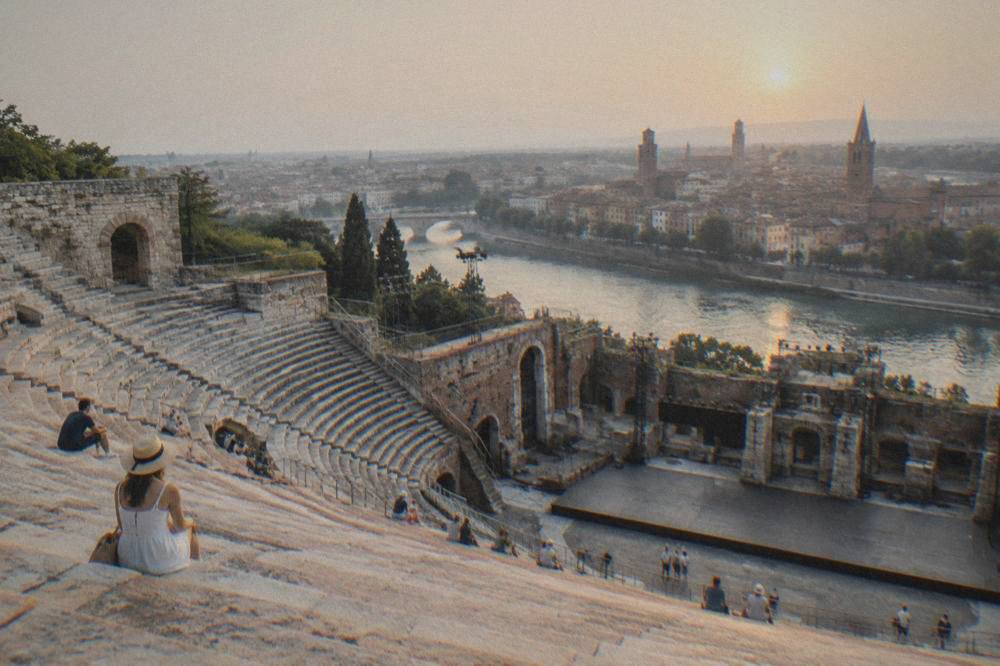
The Roman theatre is Verona's quietest major Roman sight, and that is its whole appeal. The Arena gets the crowds and the opera; the theatre gets the hillside, the museum and the view. Plan it for the late afternoon of any itinerary, confirm the day's hours and admission on the civic museums' pages, cross at Ponte Pietra, and give the climb the time it asks for, because the panorama from the upper terraces, over the river and the terracotta roofs of the World Heritage city, is the reward this side of the Adige was built for.