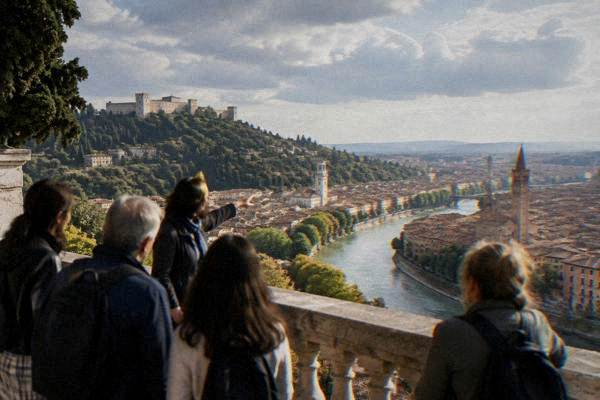
Castel San Pietro: The Best View And The Funicular
Castel San Pietro is the panoramic terrace on Colle San Pietro, the hill above the Adige on Verona's left bank, opposite the Teatro Romano and the Ponte Pietra.
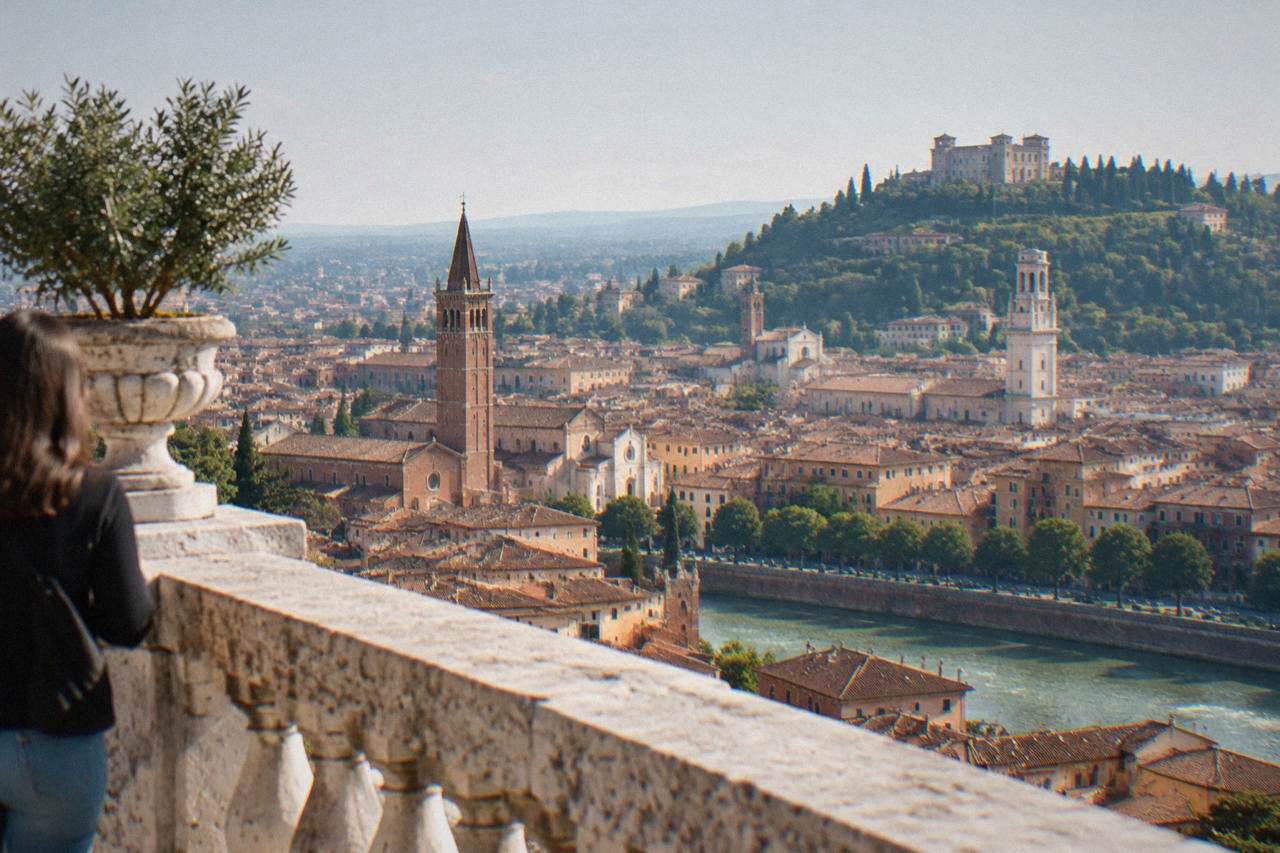
Short answer
No opening hours or ticket price have been published, so confirm on site before you go.
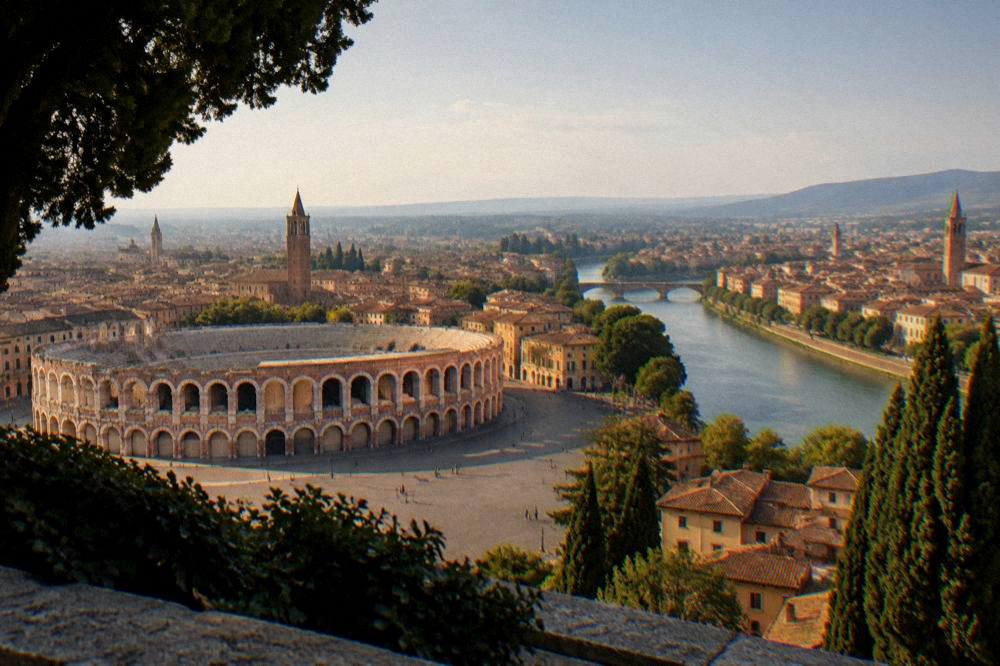
Castel San Pietro is Verona's great balcony. The terrace sits on Colle San Pietro, the hill on the left bank of the Adige, directly above the Roman theatre and the Ponte Pietra, and from it the entire UNESCO-listed historic centre of Verona, in Veneto, northern Italy, unfolds in a single frame: the Arena, the Torre dei Lamberti, the domes of the Duomo and the rooftops curving with the river bend. The city is inland, on the Adige, and this hill is the place where that geography becomes visible at a glance. This guide from the Verona Italy Travel Guide editorial desk sets out what the sources say about the viewpoint, the climb, the surroundings on the Veronetta hill, and how to fold it into a day in the city.
What Is Castel San Pietro In Verona?
Castel San Pietro is the terrace and former fortress site on Colle San Pietro, the hill on Verona's left bank above the Adige, facing the Roman theatre across the river. It is a viewpoint rather than a conventional museum sight: no ticket price or opening hours are published for it, so the practical plan is to treat the public terrace as an open stop and confirm anything else on site. The hill carries layers of the city's past, from Roman remains to later military rebuilding, and the terrace is the reason people climb it. The view takes in the whole of the historic centre, which was inscribed on the UNESCO World Heritage List in 2000, and it is the single spot where the shape of Verona, wrapped in the loop of the Adige, reads clearly.
The name refers to the castle that has stood on the hill in successive forms, and to the church of San Pietro in Castagnetto that gave the hill its name. The summit has been reshaped several times across the city's long military history, when Verona stood as one of the fortified cities of the Quadrilatero and the hill served as a barracks and gun platform. The building itself has served several uses since, and its interior is not a public museum visit in the way the Castelvecchio museum is; the draw, and the reason the walk up exists for travellers, is the terrace and the panorama.
The setting matters as much as the structure. Colle San Pietro rises above the Veronetta district, the quarter on the left bank that stretches from the Ponte Pietra up the hillside. The Roman theatre is cut into the slope directly below the castle, so the climb passes through the oldest layer of the city's fabric before reaching the terrace. Verona's World Heritage inscription in 2000 covers exactly this: a city whose urban structure has preserved the evidence of its successive periods, from the Roman bridge and theatre to the Scaliger and Venetian city. Seen from the terrace, those layers lie one behind another.
How Do You Get To Castel San Pietro From The Centre?
The standard route is on foot from the Ponte Pietra, on Verona's left bank: cross the Roman bridge, pass the Teatro Romano, and follow the path up through the Veronetta hillside to the terrace. The sources used here give no funicular, stair or lift detail for this site, so print none can be said beyond that: the ascent is a walk, and visitors with mobility concerns should confirm the current access arrangements locally before setting out. The walk up is the classic approach and the one every Verona orientation describes, because it strings together the bridge, the theatre hillside and the viewpoint in one continuous line.
From Piazza Bra and the Arena, the route runs east along the river through the centre, past the Casa di Giulietta and up to the Ponte Pietra, a walk of roughly twenty minutes through the heart of the old city. From Piazza delle Erbe the distance is shorter. Once over the bridge, the Teatro Romano, a ticketed visit reported to run Tuesday to Sunday, sits at the foot of the hill; the path to the terrace continues above it. The climb is steep in stretches, which is the honest reason to allow time and water in the July heat, when the ERA5 reanalysis, 1991-2020, puts the mean daily high at 29.3 C.
The alternative is to arrive from the Veronetta side itself, climbing through the district's lanes rather than the direct path. Either way, the terrace is a pedestrian objective: the historic centre on both banks is a camera-policed ZTL, with non-resident car access limited to at most four entries a month in booked windows, and hotel guests only free if the hotel registers the plate. Nobody drives to Castel San Pietro for the view; the walk is the visit.
An evening walk is the version that pairs naturally with the viewpoint, and a guided option exists: the Verona Moonlight Walking Tour covers the city after dark on foot.
Is Castel San Pietro Free To Visit?
The sources used here publish no ticket price and no opening hours for Castel San Pietro, so no figure can responsibly be printed: the working assumption, based on the terrace's status as a public viewpoint, is that the panorama costs nothing to stand and look at, but visitors should confirm locally on the day. Nothing in the official material consulted attaches an admission charge, a booking system or timed entry to the terrace itself. That makes it one of the few headline sights in Verona with no ticket friction, in contrast to the two paid giants nearby: the Arena, whose daytime visit is listed at 12 euro full by the Comune di Verona's own price list, and the Casa di Giulietta, ticketed since 1 April 2026.
For comparison, here is what the sourced price list looks like for Verona's other headline sights, with each figure carrying its own status: the Arena figures come from the Comune di Verona's published list, while the Juliet's House figures come from the official VisitVerona notice on the 2026 access change.
| Sight | Admission | Source basis |
|---|---|---|
| Arena di Verona (daytime visit) | 12 euro full, 9 euro reduced, 3 euro ages 18 to 25 | Comune di Verona price list |
| Casa di Giulietta courtyard route | 5 euro | Official VisitVerona notice, from 1 April 2026 |
| Casa di Giulietta house and balcony | 12 euro | Official VisitVerona notice, from 1 April 2026 |
| Torre dei Lamberti | Reported 6 euro full, reported free with VeronaCard | Reported, confirm before you go |
| Ponte Pietra | Open access, free | Public bridge |
| Castel San Pietro terrace | No published price or hours | Confirm on site |
The pattern is worth understanding before budgeting a Verona day. The two sights every visitor knows by name, the Arena and Juliet's House, are both paid and both changed their terms for 2026. The riverbank and hilltop sights, the Ponte Pietra and the Castel San Pietro terrace, cost nothing to stand at, and the panorama from the hill is the single widest free frame in the city. A day that pairs a morning inside the Arena with an afternoon terrace visit captures both halves of that list.
A guided Arena visit is the natural companion purchase for the morning half of that plan, with a local guide and skip-the-line entry.
What Can You See From The Top Of Castel San Pietro?
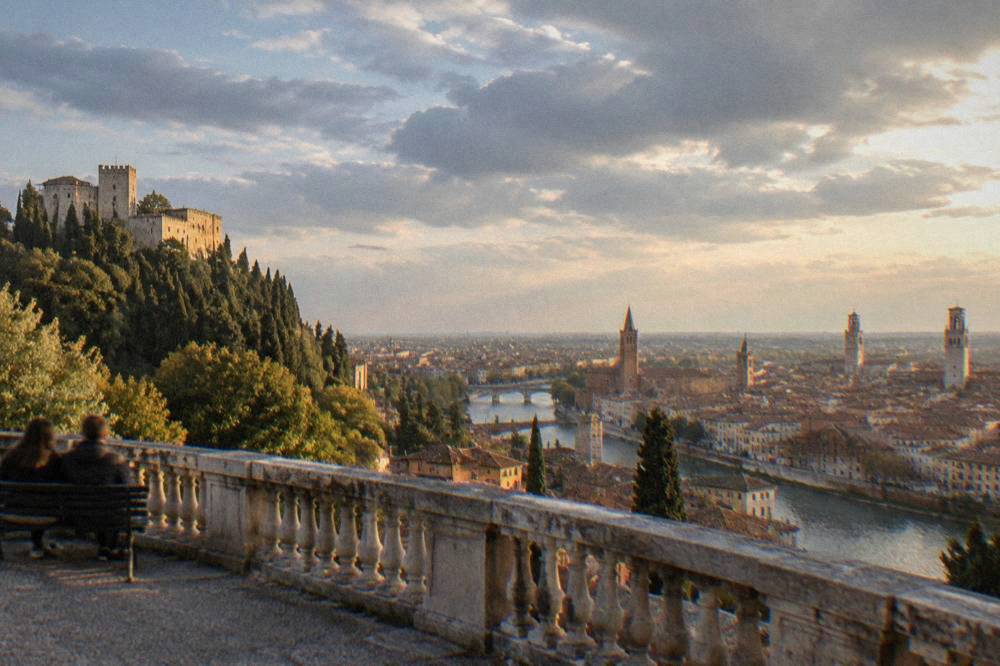
The terrace looks south and west across the full loop of the Adige: the Ponte Pietra and the Teatro Romano directly below, then the rooftops of the old centre rising to the Torre dei Lamberti and the towers of Piazza dei Signori, with the Arena, the basilica of Sant'Anastasia and the Duomo spread across the middle distance and the hills of Valpolicella on the horizon. On clear evenings the light moves across the whole frame, which is why the terrace anchors so many photographs of the city. The Adige itself is the organising line: the river bends around the historic centre in a tight loop, and from the hill the reason Verona grew where it did becomes obvious.
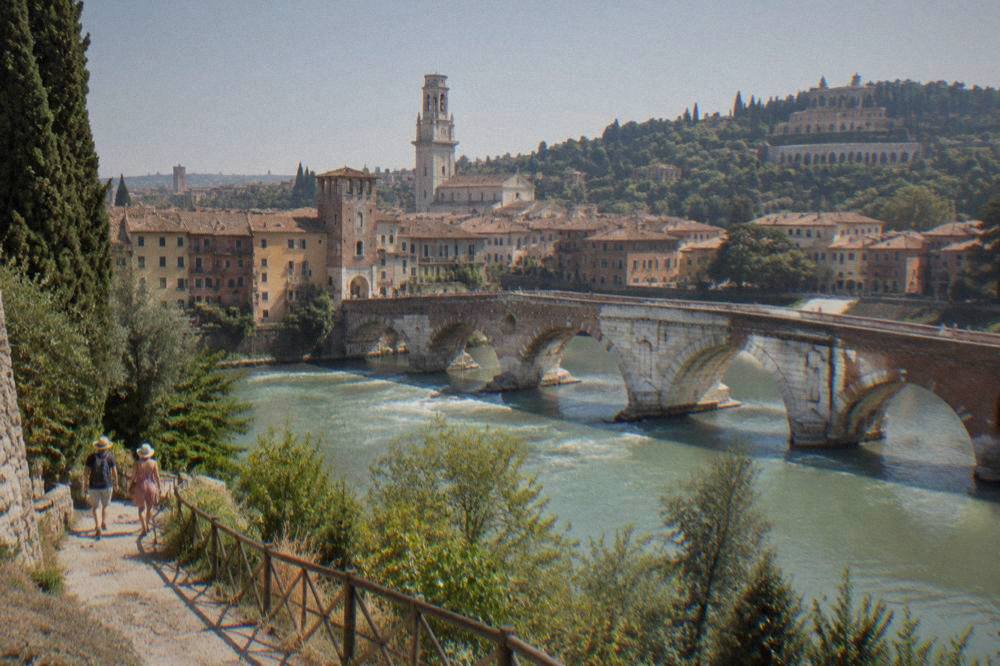
The near view belongs to the left bank. The Roman theatre sits immediately below the hill, its cavea cut into the slope facing the river, and beyond it the Ponte Pietra, the Roman bridge, crosses to the right bank. The Veronetta quarter climbs the hillside in terraces, its lanes rising from the bridge to the castle grounds. This left-bank district holds several of the city's quieter churches, including the San Fermo Maggiore complex near the river, covered by the VeronaCard's reported Chiese Vive convention.
The far view is the whole right-bank city. The Torre dei Lamberti stands above the Piazza delle Erbe market square; the Castelvecchio bridge crosses the Adige at the western edge; and the Arena's elliptical bulk anchors the southern side of the frame. North-west, on the horizon, lie the Valpolicella hills, the Amarone wine country about 25 minutes by road from the Arena per computed OSRM routing. Sunrise and sunset times are not sourced in the material used here, so plan by season rather than by a printed hour: the terrace faces the sunset side of the city.
When Is The Best Time Of Day To Visit Castel San Pietro?
Early morning and the hour before sunset are the two windows the terrace is used for: morning for empty frames and cool air, evening for the light across the rooftops and the transition to the illuminated city below. In July the ERA5 reanalysis, 1991-2020, gives a mean daily high of 29.3 C, which argues strongly against a midday climb, while January's mean high of 7.3 C makes the middle of the day the comfortable choice in winter. The terrace is open air, so weather is the whole plan.
The seasonal picture in one table, from the ERA5 reanalysis, 1991-2020, for the grid cell near Verona:
| Month | Mean high C | Mean low C | Rain mm |
|---|---|---|---|
| January | 7.3 | -0.4 | 52.3 |
| April | 17.8 | 7.6 | 93.5 |
| July | 29.3 | 19.1 | 79.4 |
| October | 18.1 | 10.5 | 107.2 |
Two practical readings follow. Summer climbs are best made in the morning or evening not only for the photography but because the heat is real: 29.3 C as a mean July high means hotter days above it. Autumn and spring are the shoulder seasons with mild daytime highs, 17.8 C in April and 18.1 C in October, but October and November are the wet months of the year, with 107.2 mm and 118.2 mm of rain respectively in the reanalysis normals, so a weather check matters more than a clock check.
Evening is when the terrace turns into something else. The Arena's opera season, which ran 5 June to 12 September in 2026 and is announced for 11 June to 11 September in 2027, fills the summer nights, and the terrace view after dark includes the lit city below. A moonlight walking tour is the guided version of exactly this: the city on foot after sunset, with the riverside and the old centre in the itinerary.
What Else Sits On The Veronetta Hill Near Castel San Pietro?
The Veronetta, the left-bank quarter below the castle, holds the Teatro Romano with its archaeological museum, the Ponte Pietra at its foot, and a cluster of quieter lanes running up the hillside toward the terrace; the theatre is a ticketed visit reported to run Tuesday to Sunday, while the bridge is open access. The district is the left bank's answer to the busier right-bank centre, and the climb to Castel San Pietro passes straight through it. Hours for individual sights in the quarter are reported rather than fixed, so confirm before you go.
The Teatro Romano is the anchor. The Roman theatre's remains are cut into the slope below the castle, and the site includes the Museo Archeologico; the visit is ticketed, and the sources here only report the price as an approximation, so no figure is printed: check the current price on the civic museums' own pages before visiting. The theatre's position, directly under the terrace, makes a natural pairing: theatre first, then the climb. The Ponte Pietra below is free and open at all hours, a pedestrian bridge whose surviving Roman arch is one of the city's visible links to its ancient past.
Upstream along the left bank, other sights line the river walk: the gothic complex of San Fermo Maggiore near the bridge of the same name, and further along the riverside path the Giardino Giusti Renaissance garden, both reported as covered free or at a reduced rate by the VeronaCard's church and garden conventions. Downstream, the Arche Scaligere tombs sit just across the river by Santa Maria Antica. None of this is more than a short walk from the base of the hill.
A Veronetta-to-terrace circuit, with what the sources say for each stop:
| Stop | Access | Note |
|---|---|---|
| Ponte Pietra | Open access, free | Pedestrian Roman bridge |
| Teatro Romano and Museo Archeologico | Ticketed, reported Tuesday to Sunday | Price reported only as approximate: check before you go |
| Veronetta hillside lanes | Public streets | Steep in stretches |
| Castel San Pietro terrace | Viewpoint | No published hours or price: confirm on site |
| Giardino Giusti | Reported VeronaCard free or reduced | Price not published in sources used here |
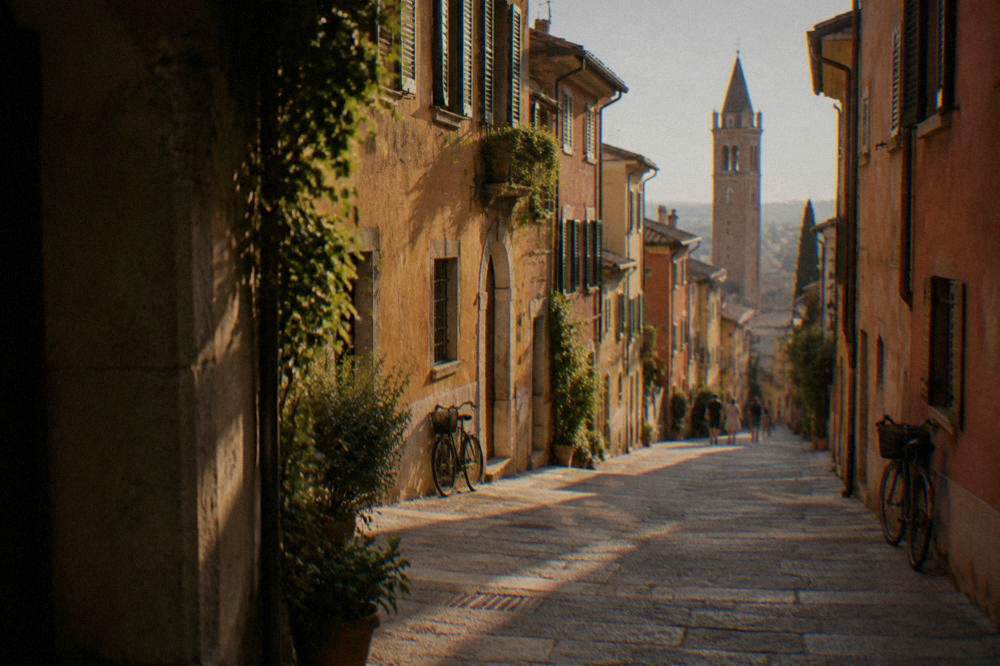
How Does The Castel San Pietro View Compare With Other Verona Viewpoints?
Verona has three headline viewpoints, and they differ in kind: Castel San Pietro is the wide panorama of the whole city, the Torre dei Lamberti is a paid tower view from inside the centre at a reported 6 euro, and the Ponte Pietra is the free river-level frame of bridge and hill. No sourced ranking exists and none is claimed here; each gives a different Verona, and the choice is about what frame you want. The terrace is the only one of the three that shows the city as a whole, river loop and all.
The Torre dei Lamberti, rising above the Piazza delle Erbe, delivers the opposite geometry: you stand inside the historic centre and look down on its squares and roofs, with the Adige on both sides and the hills beyond. Its reported admission is 6 euro full, reported free with the VeronaCard, with summer hours reported to run to about 21:00. Whether the tower has a lift has not been confirmed, so nothing is printed about that; confirm locally if steps are a concern. The Castelvecchio complex on the west side adds a third paid perspective, the Scaliger bridge and castle museum, reported at 9 euro full, 6 reduced, 2 for ages 18 to 25, Tuesday to Sunday 10:00 to 18:00 with last entry at 17:15.
Then there is the wine-country option, which reframes "viewpoint" entirely: several tastings around Verona pair local wines with a panorama over the city or the hills, and one guided tasting with snacks and panoramic views is among the site's featured picks.
The comparison, with each figure's basis stated:
| Viewpoint | Position | Admission | Basis |
|---|---|---|---|
| Castel San Pietro | Hilltop, left bank | No published price: confirm on site | Sources here print no figure |
| Torre dei Lamberti | Tower in the centre | Reported 6 euro, reported VeronaCard free | Reported, confirm before you go |
| Ponte Pietra | River level | Free, open access | Public bridge |
| Castelvecchio | Castle on the Adige | Reported 9 euro full, 6 reduced, 2 ages 18 to 25 | Reported, confirm before you go |
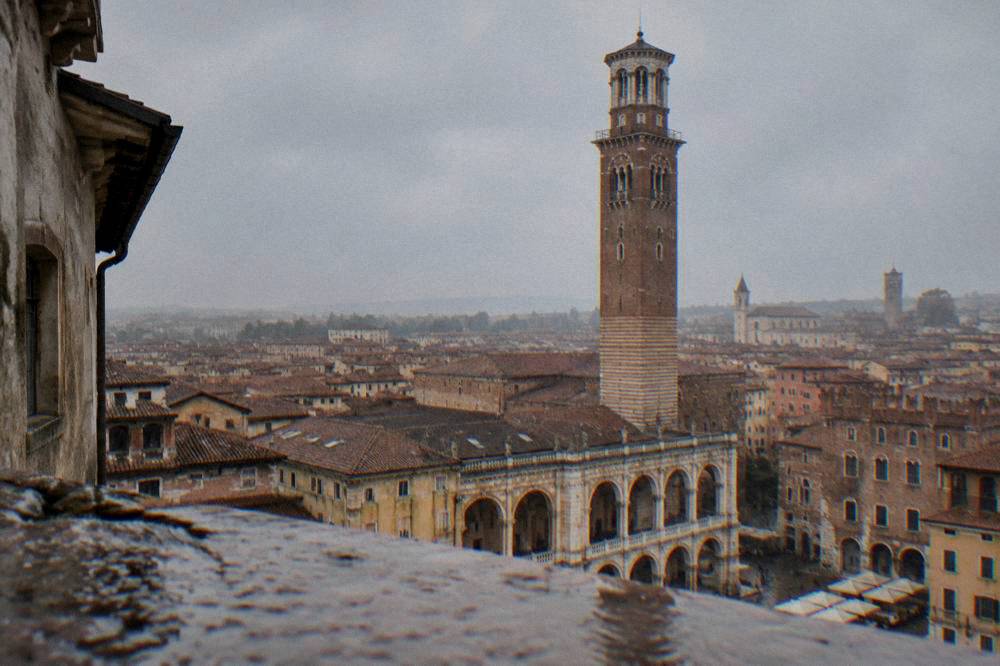
Can You Visit Castel San Pietro With The VeronaCard?
The VeronaCard, digital since 1 September 2026 at 33 euro for 24 hours or 38 euro for 48 hours with ATV transport included, lists the civic museums, the Arena, Juliet's House, the Torre dei Lamberti and the church circuit among its benefits, but Castel San Pietro's terrace is not a ticketed sight, so the card neither helps nor hinders the climb itself. The card's value on this itinerary comes from what sits below the hill: the Roman theatre, the civic museums and the churches of the left and right banks. The card does not include the Aerobus airport line, and old paper cards remain valid only to 31 March 2027.
The card's full published price list, from the Comune di Verona's own notice on the 2026 change:
| VeronaCard | 24 hours | 48 hours |
|---|---|---|
| With ATV urban transport | 33 euro | 38 euro |
| Without transport | 29 euro | 32 euro |
For a visitor building a day around the hill, the arithmetic question is how many of the covered paid sights the itinerary actually includes. The card covers the Arena's daytime visit, the Castelvecchio museum, the Torre dei Lamberti, the Teatro Romano with its museum, the Juliet's House (which still requires an online booking even for card holders) and the Chiese Vive church circuit reported to include the Duomo complex, San Zeno, Sant'Anastasia and San Fermo. A card pays its way when the day stacks several of those; a day built on the free frame, the Ponte Pietra, the squares and the Castel San Pietro terrace, does not need it. No savings figure is computed here, because the card's benefit depends entirely on the sight list, and the sources prohibit such a calculation.
One practical note from the same notice: the card activates at first use and runs on the clock from there, so if the plan is a terrace sunset on day two, activate the card on the morning of day one only if the first 24 hours still cover what matters.
Where Can You Go Next, Once You Have Seen Verona From Castel San Pietro?
From the terrace the horizons point to the day trips: the Valpolicella wine hills lie about 25 minutes by road from the Arena, Soave 33, Vicenza 48, Mantua 54, Padua 67 and Venice about 85, all computed over OSM free-flow routing, while Lake Garda's towns, Sirmione, Bardolino, Garda and Malcesine, sit 22 to 39 km west as separate destinations, because Verona itself is inland on the Adige. The terrace is, among other things, an orientation deck: once you have seen the city whole, the roads out of it make sense.
The drive-time table, computed from OSRM free-flow routing with the Arena as the origin:
| Destination | Drive time from the Arena |
|---|---|
| Valpolicella (Sant'Ambrogio) | about 25 minutes |
| Soave | about 33 minutes |
| Bardolino | about 37 minutes |
| Sirmione | about 40 minutes |
| Garda | about 42 minutes |
| Vicenza | about 48 minutes |
| Mantua | about 54 minutes |
| Padua | about 67 minutes |
| Venice | about 85 minutes |
| Malcesine | about 84 minutes |
Trains run the same map from Porta Nuova: Venice Mestre in a reported 58 to 75 minutes, Milano Centrale in 1 hour 15 to 1 hour 50, and Rome in about 3 to 3 hours 30, all reported times, so confirm schedules when booking. The lake is not a Verona neighbourhood but a half-day or full-day trip: the full-lake Navigazione Laghi day pass is 39.50 euro for an adult at the 2026 fares, though the north-south passenger service across the lake is reported suspended from 2 November 2026 to 12 March 2027, so check the operator's timetable for the season of your visit.
The nearest of these horizons, the Valpolicella hills themselves, is where the panorama's wine comes from, and half-day Amarone tours with transport from Verona are among the site's featured picks. The trio below is the desk's shortlist for pairing with the hill: the evening walk, the Arena visit and the panoramic tasting.
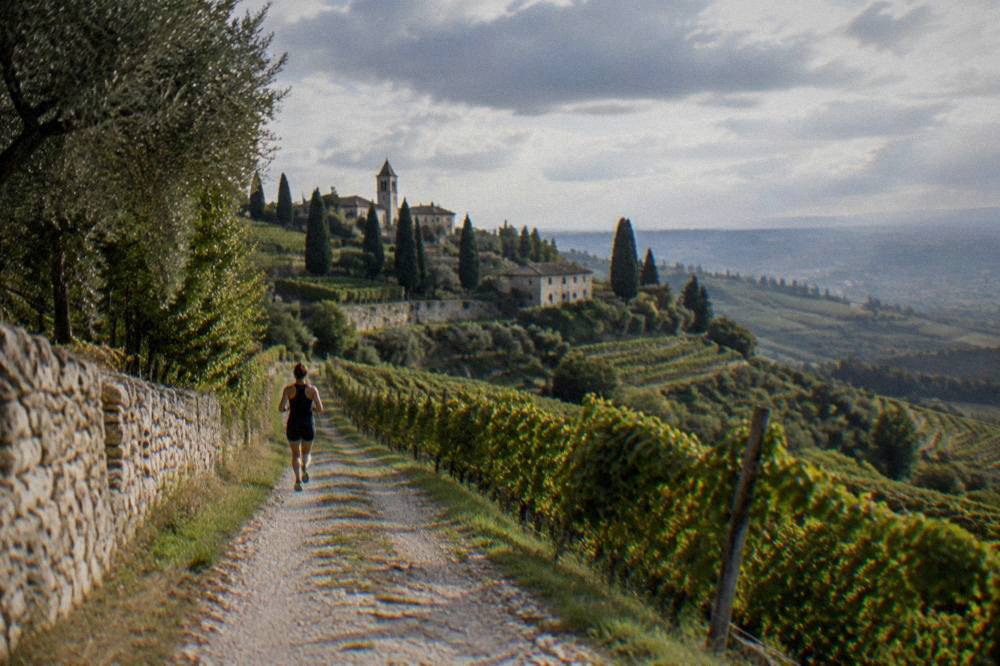
How Does Castel San Pietro Fit Into A One-Day Verona Itinerary?
The terrace belongs at the end of the day: a one-day Verona itinerary that starts at the Arena in the morning, crosses the centre through the Casa di Giulietta and Piazza delle Erbe at midday, reaches the Ponte Pietra and the Teatro Romano in the afternoon, and climbs to Castel San Pietro for the evening light, closes with the city's widest free view. The geography does the sequencing: everything paid and central sits on the right bank, the bridge and theatre mark the eastern edge, and the hill is the natural last stop before dinner.
The morning half needs the paid planning. The Arena's daytime visit costs 12 euro full, 9 euro reduced for groups of 15 or more, over-65s and other concessions, and 3 euro for visitors aged 18 to 25 from EU and reciprocity countries, per the Comune di Verona's price list, with free entry for under-18s; the amphitheatre is reported open Tuesday to Sunday, 9:00 to 19:00, closed Monday, with early closes on show days, so check the calendar. Juliet's House since 1 April 2026 takes a 5 euro courtyard ticket or a 12 euro house-and-balcony ticket, booked online, with access via the Teatro Nuovo; the balcony itself was added in 1940 and is not original, per the city's own tourism pages.
The afternoon half is the free frame. Piazza delle Erbe, Porta Borsari and the Piazza dei Signori string together toward the river, and the Ponte Pietra crosses to the Veronetta. The climb to the terrace closes the day. In summer, the opera calendar reshapes the evening: the 2026 season ran 5 June to 12 September and the 2027 season is announced for 11 June to 11 September, so a June to September visit can add an Arena night after the sunset. Stone-step seats for the opera start in the EUR 30s, per the Arena's rates page, with exact sector tables on the operator's own site.
Common Questions About Castel San Pietro In Verona
Is Castel San Pietro free?
No ticket price or opening hours for the terrace are published for it. Treat the panorama as a public viewpoint and confirm locally on the day; nothing in the material consulted attaches an admission charge to it.
How do you get to Castel San Pietro?
On foot from the Ponte Pietra: cross the Roman bridge, pass the Teatro Romano and follow the path up through the Veronetta hillside. No funicular, stair or lift detail is sourced for this site, so confirm access arrangements locally, especially with mobility concerns.
What can you see from Castel San Pietro?
The whole historic centre across the Adige loop: the Ponte Pietra and Teatro Romano below, the Torre dei Lamberti and the towers of Piazza dei Signori above the rooftops, the Arena and the Duomo in the middle distance, and the Valpolicella hills on the horizon.
Is Castel San Pietro in central Verona?
It is on the left bank of the Adige, on the Veronetta hill directly opposite the Roman theatre, a walk of roughly twenty minutes from Piazza Bra through the historic centre.
When is the terrace at its best?
Morning and the hour before sunset are the two standard windows. In July the ERA5 reanalysis, 1991-2020, gives a mean daily high of 29.3 C, which argues against a midday climb; no sunrise or sunset times are sourced here, so plan by season.
Does the VeronaCard cover Castel San Pietro?
The VeronaCard, digital since 1 September 2026 at 33 euro for 24 hours or 38 euro for 48 hours with ATV transport, covers the civic museums, the Arena and the church circuit, but the terrace is not a ticketed sight, so the card is irrelevant to the climb itself.
The hill gives Verona back as a single picture: a river loop, a Roman bridge, a market tower and an amphitheatre, with the wine hills on the horizon. Climb it once at the end of a full day and the map of the city arranges itself for good.