Valpolicella Wine Tour From Verona: Amarone Tastings Compared
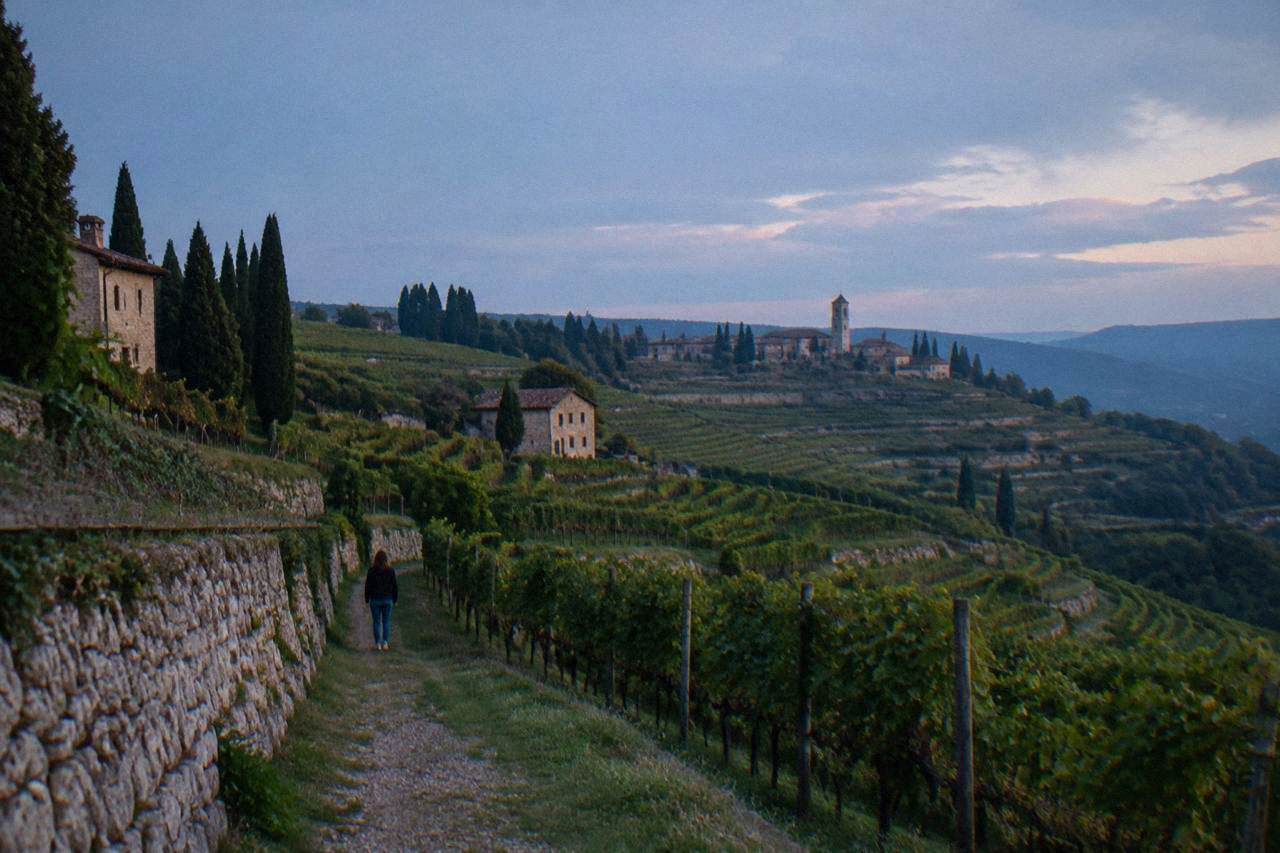
Valpolicella is the wine hills immediately north of Verona, and a wine tour there is the city's most natural half-day out: Amarone, Ripasso and Recioto made from dried Corvina, Corvinone and Rondinella grapes, about 25 minutes' drive from the Arena.
Short answer
A Valpolicella wine tour from Verona takes you into the Amarone hills about 25 minutes north of the city. Guided minibus half-days, self-guided e-bike routes with tastings booked along the way, and shorter chateau visits all run from central Verona; prices and ratings are on each operator's live listing.
Valpolicella is the strip of wine hills immediately north of Verona, in Veneto, northern Italy, and a Valpolicella wine tour from Verona is the most natural half-day out the city offers. The heart of the area is about 25 minutes and 21 km by road from the Arena, according to routing computed over OpenStreetMap, which puts a working winery within easy reach of a morning coffee in Piazza Bra. Verona itself is inland, on the Adige river; the Valpolicella hills rise to its north and west, and Lake Garda is a separate day trip in the other direction. This page compares the tour formats that actually run from Verona, explains what Amarone is and how it is made, and sets out how to reach the hills without a tour at all.
What Is A Valpolicella Wine Tour From Verona?
A Valpolicella wine tour from Verona is a guided or self-guided half-day in the wine hills about 25 minutes north of the city, built around a visit to one or more Valpolicella producers with a tasting of Amarone and the area's other reds. Tours leave from central Verona, usually by minibus or e-bike, and return in time for dinner; prices, ratings and durations are shown on each operator's live listing.
The area has four main wines, and a good tour explains all of them rather than pouring and moving on. Valpolicella is the fresh, lighter red; Ripasso is Valpolicella re-fermented on the dried grape skins of an Amarone batch, which gives it more body; Recioto is the sweet wine made from the same dried grapes when fermentation stops early; and Amarone della Valpolicella DOCG is the strong, dry flagship. Reported by the regional consorzio material, Amarone is made mainly from Corvina, Corvinone and Rondinella grapes, dried in ventilated lofts for weeks before pressing, a method called appassimento. Confirm current producer details with the consorzio or the winery before you go.
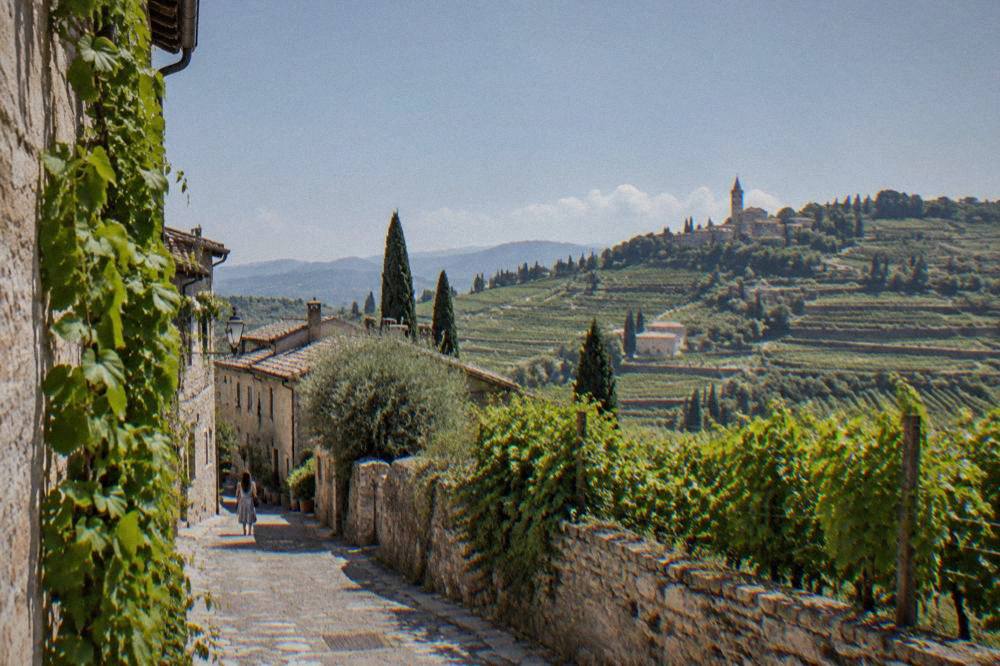
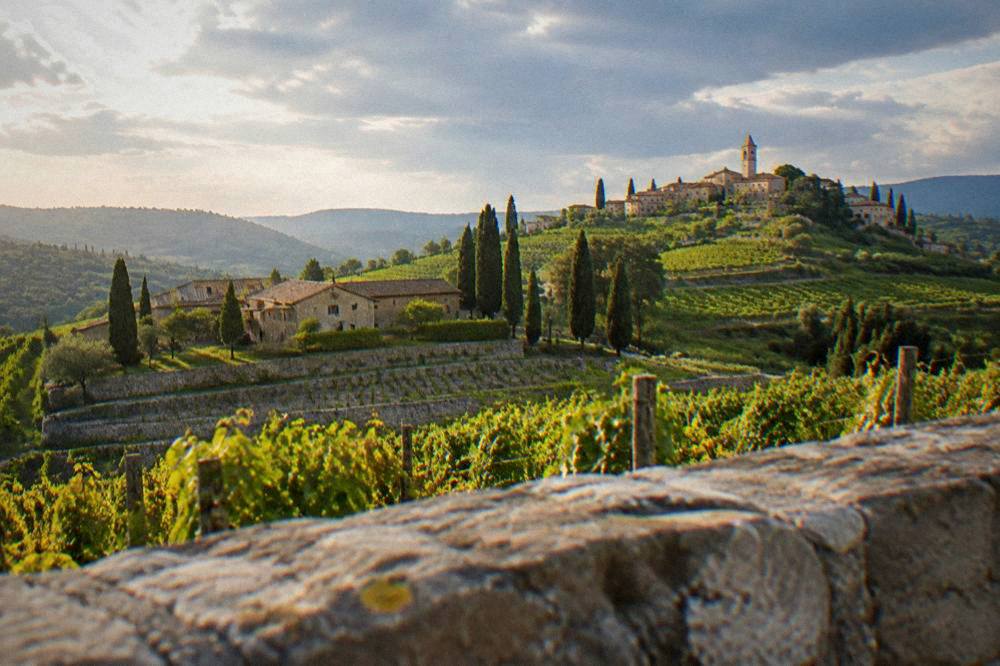
What the tours share is the setting. The hills hold small villages, dry-stone terraces and centuries-old cellars, and the drive out of Verona crosses the Adige and climbs within minutes. The deeper background on the wine itself is on the site's Amarone wine guide and the wider Verona wine guide; for the area as a destination, see the Valpolicella day trip guide.
Which Valpolicella Wine Tour Formats Run From Verona?
Three formats run from Verona: a guided minibus or van half-day visiting one or two producers with transport included; a self-guided e-bike day with tastings pre-booked along a set route; and shorter cellar visits or urban tastings in Verona itself that cover the same wines without leaving the city. Each suits a different traveller, and each operator's live listing carries the current price, rating and duration.
The guided half-day is the format to pick when you want the driving handled. Transport from Verona, a producer visit, and a seated tasting of the area's wines are the core of it, and the operator's listing says exactly what each departure includes. The self-guided e-bike format trades the guide for freedom: you collect the bike in Verona or the hills and ride a set route past vineyards with tastings arranged at stops along the way. It suits confident riders on a fine day; check the seasonal availability on the listing before committing, because e-bike operations narrow outside the warm months.
The third format keeps you in the city. A food and wine walk through Verona that pairs local tastings with an Amarone pour covers the wine side of Valpolicella without the hills, which matters on a short stay. A morning tasting with a panoramic view over the rooftops is another city-based option, and the site's Verona food tour page compares those walks in detail. Whichever format you lean toward, one planning rule holds: book the hills before you book the restaurant, because guided half-days have fixed departure times and sell out around weekends and the opera season.
| Format | Where it runs | Transport | Who it suits | What to check on the listing |
|---|---|---|---|---|
| Guided half-day minibus tour | Valpolicella hills, 1 to 2 producers | Included from Verona | Travellers who want everything arranged | Producer names, tasting line-up, departure point |
| Self-guided e-bike tour | Set route through the hills | E-bike rental included | Confident riders, fine-weather days | Season dates, route length, tasting stops |
| Chateau or cellar visit | Single estate visit with tasting | Varies, some include pickup | Short stays, first-time Amarone tasters | Whether transport is included |
| Urban tasting walk | Central Verona | On foot | One-night stays, bad-weather days | Which wines and bites are poured |
How Much Does A Valpolicella Wine Tour From Verona Cost?
Prices are set by the operators and render on each live listing rather than in this comparison, so the honest answer is that the from-price, what it covers and the cancellation terms all live on the tour's own page. What can be said in general terms: a guided half-day with transport included sits above a short cellar visit, and a self-guided e-bike day sits between them, with the tastings often built into the package.
Reading a from-price takes ten seconds once you know what to look for. Check whether transport from Verona is included or billed as an add-on, because the drive is the single biggest cost difference between formats. Check how many wines are poured: a two-welcome-glass visit is not the same as a full flight of Valpolicella, Ripasso, Amarone and Recioto with local cheese and salami. Check the cancellation window: operators on the booking platforms this site links to typically allow free cancellation up to a stated cut-off, and pay-later options appear on many listings, which makes a hills day easy to hold while you finalise the rest of a Verona itinerary.
One cost that always applies in Verona itself is the tourist tax. It is collected by your accommodation, is charged per person per night, and is capped at four nights per person per month under the municipal rules; the rate depends on the accommodation category, so ask at booking. It has nothing to do with tours, but it lands on the same holiday budget, and the how expensive is Verona question covers the rest of that budget honestly.
What Is Amarone And Why Does The Drying Matter?
Amarone della Valpolicella DOCG is a strong, dry red made from grapes that are dried for weeks after harvest before pressing, a method reported by the regional consorzio as appassimento, using mainly Corvina, Corvinone and Rondinella grapes. The drying concentrates sugars and flavour, which is why Amarone tastes richer and carries more alcohol than ordinary Valpolicella, and why it costs more to make.
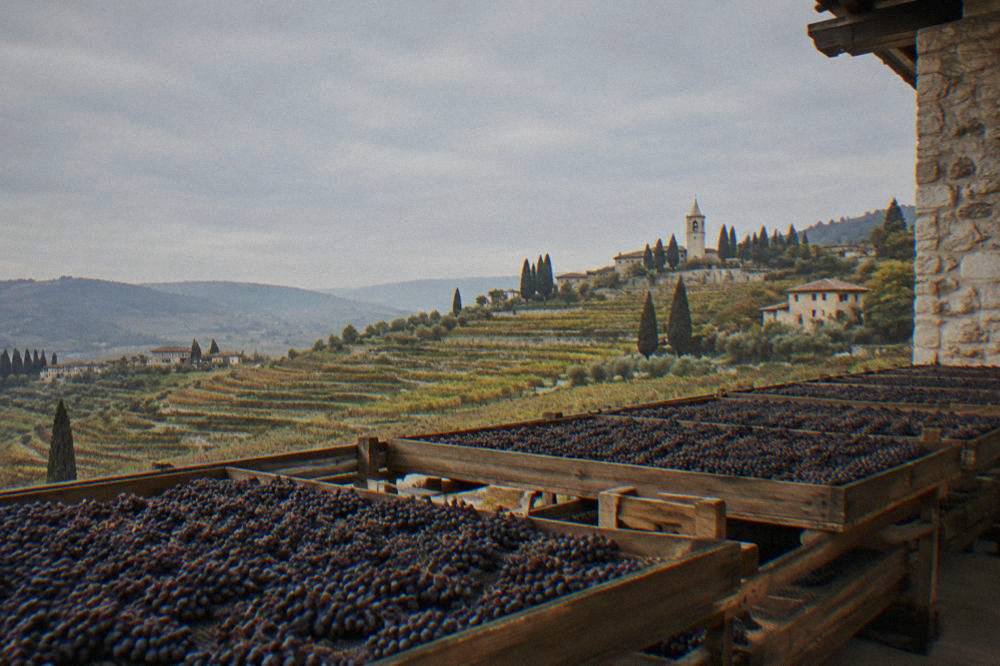
The method is the whole story. After the harvest, the healthiest grape bunches are laid out in ventilated rooms, traditionally on racks in the lofts above the cellars, and left to dry for weeks into the winter. The grapes lose water, and everything else concentrates. Pressing a fraction of the original juice yield, then a long, slow fermentation that turns nearly all the sugar to alcohol, gives the dry, powerful wine called Amarone. If fermentation stops early and residual sugar remains, the result is Recioto, the sweet wine that predates it. Ripasso, reported by the same consorzio material, is ordinary Valpolicella re-passed over the warm dried skins of an Amarone fermentation, picking up body and depth in days.
| Wine | Grape base | Method | Style |
|---|---|---|---|
| Valpolicella | Corvina, Corvinone, Rondinella | Fresh grapes, normal fermentation | Light, cherry-fruited red |
| Valpolicella Ripasso | Same as above | Re-fermented on Amarone skins | Fuller, softer red |
| Amarone della Valpolicella DOCG | Same as above, dried | Appassimento, full fermentation | Strong, dry, concentrated red |
| Recioto della Valpolicella | Same as above, dried | Appassimento, stopped fermentation | Sweet, rich dessert red |
A tasting that walks this ladder from Valpolicella up to Recioto is the one worth booking, because the four wines explain one another. The same grapes make all four; only the drying and the fermentation decisions differ. A guide or winemaker who pours them in that order is teaching you the region in four glasses. In the kitchen, Amarone also anchors the local risotto all'Amarone, a Vialone Nano rice cooked in the wine, which the site covers in its risotto all'Amarone guide; several Verona food tours pour the wine alongside the dish.
How Do You Get To Valpolicella From Verona Without A Tour?
Driving from the Arena to Sant'Ambrogio di Valpolicella, the heart of the area, takes about 25 minutes and 21 km by road, according to routing computed over OpenStreetMap in free-flow conditions. Buses and regional trains also connect Verona to the valley towns, with journey times of roughly 30 to 60 minutes reported for the Valpolicella corridor, but timetables thin out on Sundays and in the evenings, so check ATV and Trenitalia before committing.
A rental car gives the hills to you directly, and the wine-road villages sit close enough together that a half-day loop is realistic. One Verona-specific warning matters more here than anywhere else on this site: the historic centre is a camera-policed limited-traffic zone (ZTL). Non-residents are limited to at most four entries a month, in booked time windows, and the simplest answer is to park outside the zone and walk in; hotel guests are exempt if the hotel registers the plate with the municipality. The site's Verona ZTL and parking guide covers the rules in full, and the car rental and driving guide covers the rest.
Without a car, the practical route is bus from Verona toward the Valpolicella towns, or a regional train toward the western edge of the hills, and then local transport or a pre-booked tasting within walking distance of a stop. The trade is real: wineries are spread along the valley and up the side roads, and walking between two distant estates on a July afternoon, when the ERA5 reanalysis for Verona puts the mean daily high at 29.3 C, is a poor plan. This is exactly the gap a guided tour with transport, or a self-guided e-bike day with stops arranged in advance, closes. Independent travellers should book tastings directly with producers before setting out, and confirm each visit window, because the consorzio material does not publish a standard tasting schedule. Everything else covered here is indexed on Verona Italy Travel Guide.
| Route from Verona | Distance | Drive time | Method |
|---|---|---|---|
| Arena to Sant'Ambrogio (Valpolicella) | 21 km | About 25 minutes | Computed over OpenStreetMap, free-flow |
| Arena to Soave | 33 km | About 33 minutes | Computed over OpenStreetMap, free-flow |
| Arena to Vicenza | 65 km | About 48 minutes | Computed over OpenStreetMap, free-flow |
| Arena to Venice | 122 km | About 85 minutes | Computed over OpenStreetMap, free-flow |
What Does A Valpolicella Tasting Actually Include?
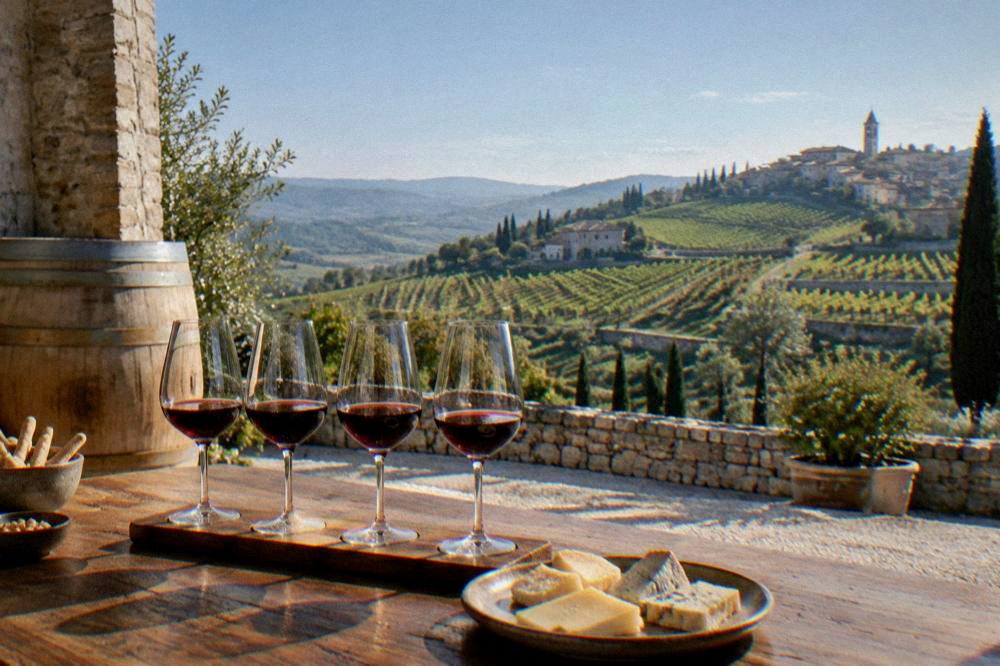
A typical Valpolicella tasting includes a guided walk through the cellars or drying loft, a flight of three to five wines poured in ascending order from Valpolicella to Amarone or Recioto, and a plate of local accompaniments such as Monte Veronese cheese and salami; the exact line-up, the number of pours and whether food is served are stated on each operator's live listing, and tasting fees at estates you visit independently should be confirmed with the winery directly.
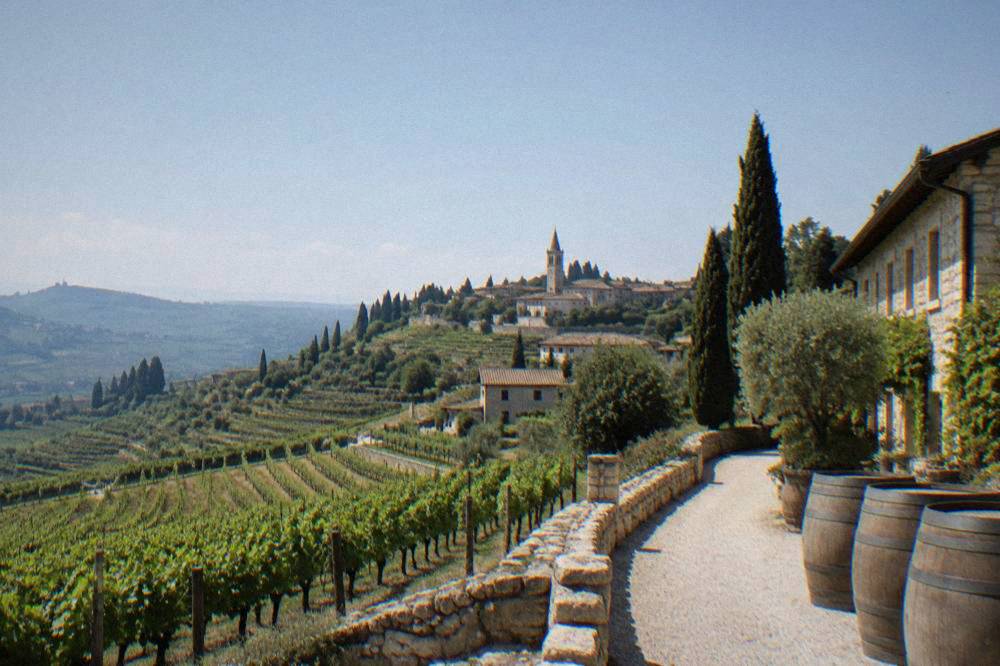
The cellar tour portion is not filler. Seeing the drying racks, or the modern ventilated equivalents, is the difference between Amarone as a word on a label and Amarone as a decision someone made about grapes in October. Guides at family estates usually explain the appassimento timeline while standing in the room where it happens, and the better visits end in the oldest part of the cellar, where barrels of past vintages sit under vaulted ceilings.
The pour order matters to how you taste. Light first, concentrated last, sweet at the end: Valpolicella, Ripasso, Amarone, and Recioto if the estate makes it. Reversing that order flattens everything after the first Amarone. Food is worth prioritising, too, because Amarone is a demanding wine on an empty stomach, and the local pairings, aged cheese, cured meat, and plain bread, are designed for it. Travelers with dietary needs should tell the operator at booking, since estate kitchens prepare small plates rather than restaurant menus.
| Element | What it looks like | What to confirm in advance |
|---|---|---|
| Cellar and loft walk | Guided visit of fermentation and ageing rooms | Group size, language of the guide |
| Wine flight | Three to five pours, lightest to strongest | Number of wines, whether Amarone is included |
| Food accompaniment | Cheese, salami, bread, sometimes a full meal | Vegetarian and allergy options |
| Purchase at the cellar | Bottles at estate prices | Shipping rules for your home country |
When Is The Best Season For A Valpolicella Wine Tour From Verona?
The warm months from May to September are the dependable window for a Valpolicella wine tour, because the ERA5 reanalysis for Verona, 1991-2020, puts mean daily highs between 22.3 C in May and 29.3 C in July, e-bike routes run their full season, and vineyards are in leaf; harvest itself, roughly late September into October, is atmospheric but busy at the wineries, and winter visits move indoors into the cellars.
Each stretch of the year changes the trip. Spring means budburst on the vines, workable temperatures for cycling, and a green landscape without summer's haze. High summer means heat: the same reanalysis puts July lows at 19.1 C, so evenings are warm too, and a tasting cellar is one of the few genuinely cool places in the region at midday. Early autumn is harvest and the start of appassimento, the weeks when the drying lofts fill, and it is the most interesting time to see the process, with the caveat that estates are working hard and visit windows tighten. Winter tastings happen around barrels rather than vines, and the mist that sits in the valley in November, the wettest month in the normals at 118.2 mm of rain, is part of the scenery.
| Month | Mean high (C) | Rain (mm) | Tour season note |
|---|---|---|---|
| April | 17.8 | 93.5 | E-bike season opening, green hills |
| June | 26.6 | 92.3 | Full season, long evenings |
| July | 29.3 | 79.4 | Hot at midday, cellars are cool |
| September | 23.7 | 99.7 | Harvest begins, lofts filling |
| October | 18.1 | 107.2 | Appassimento under way, softer light |
| November | 12.3 | 118.2 | Indoor tastings, thinner schedules |
Figures are ERA5 reanalysis, 1991-2020, a modelled grid cell near Verona, not a weather-station record. One calendar note for wine travellers planning far ahead: Vinitaly, the large wine fair held in Verona, runs 11 to 14 April 2027, and during it the city's hotels fill with trade visitors, which is worth knowing if a spring wine trip crosses those dates.
Valpolicella Or Soave: Which Wine Day Trip From Verona Should You Take?
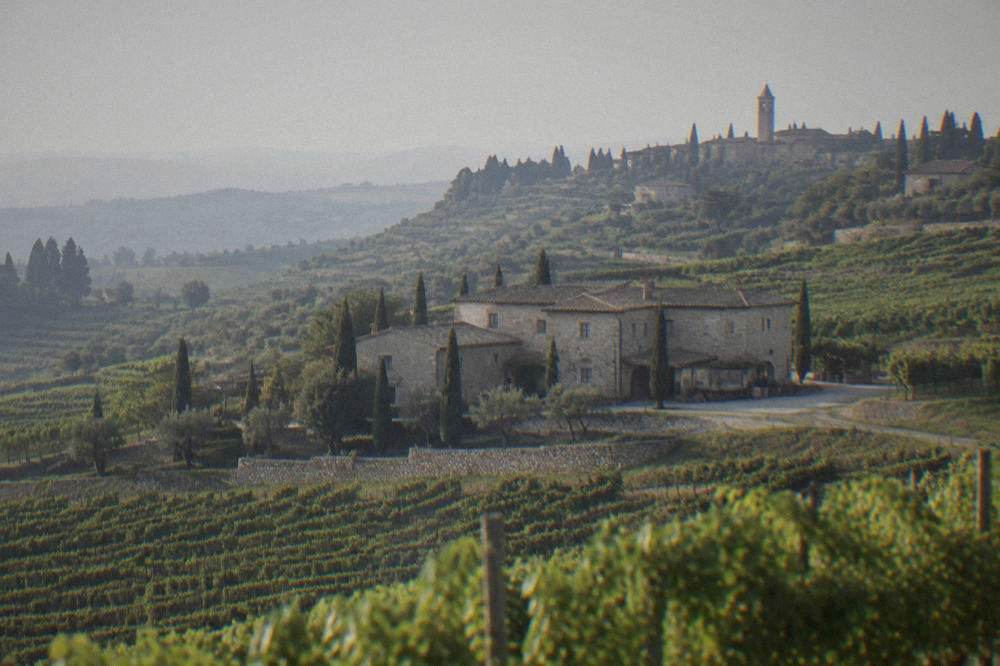
Valpolicella and Soave are both DOCG wine areas within about half an hour's drive of Verona, but they make opposite wines: Valpolicella, about 25 minutes north-west, produces the dried-grape reds led by Amarone, while Soave, about 33 minutes east, is a white-wine zone built on the Garganega grape, per the regional consorzio material. Red-wine drinkers and Amarone curious travellers should take Valpolicella; white-wine drinkers and castle-and-village travellers may prefer Soave.
The practical differences go beyond the grape. Valpolicella's landscape is terraced hills and loft cellars, and its tastings revolve around the appassimento story told in four ascending glasses. Soave's is a walled medieval village and a castle above a plain of volcanic-soil vineyards, with a lighter tasting culture around a single flagship white. Both sit close to Verona by road, as the computed times above show, and neither needs an overnight. A three-day stay can hold one of them comfortably alongside the Arena and a Juliet morning; the site's Verona in three days itinerary shows where a wine afternoon slots in.
Choose by wine first, logistics second. If Amarone is the reason you are in Verona, the Valpolicella half-days below put you in a cellar with it. If the group splits between red and white drinkers, an urban tasting in Verona that pours both regional styles is the diplomatic answer, and the Soave day trip guide covers the white alternative in full.
How Does A Valpolicella Wine Day Fit A Longer Verona Stay?
A Valpolicella half-day pairs naturally with a Verona base of two or more days: mornings stay in the city for the Arena, Juliet's House and Piazza delle Erbe, the afternoon goes to the hills, and the evening returns for dinner and, in summer, an opera at the Arena.
The two classic pairings are a wine afternoon before an opera night, since performances start around 21:00 to 21:30 in June per the Arena's own guidance, and a full-day split that gives the morning to the city's sights and the afternoon to the vines.
Timing the pairing is easier than it looks. Opera evenings at the Arena run from June into September: the 2026 season ran 5 June to 12 September, and the 2027 season is announced for 11 June to 11 September, per the Arena's own site. Doors open around two hours before the performance and the foundation advises arriving at least an hour early, which makes a hills day that returns by late afternoon the right shape rather than a sprint. Check the Arena's calendar for your date, because on show days the daytime amphitheatre visit closes early, with last entry reported 30 minutes before closing time, and confirm hours on the Arena's ticket page before booking a same-day visit. For the city half of the day, the site's things to do in Verona rundown covers the full list of sights.
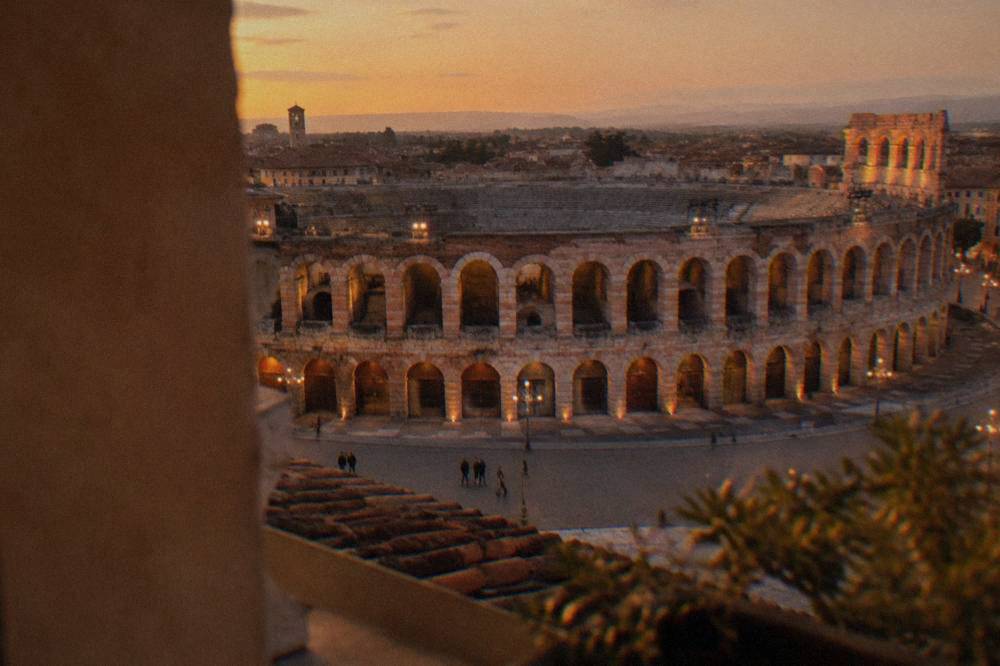
For a first visit of any length, the sequence that works is city first, hills second. Day one takes the Roman core: the Arena, which costs 12 euro full price for a daytime visit, 9 euro reduced, with 18 to 25-year-olds paying 3 euro, per the Comune di Verona's price list, then Juliet's House, which since 1 April 2026 requires an online-booked ticket at 5 euro for the courtyard route or 12 euro for the house and balcony, accessed via Teatro Nuovo. Day two gives the morning to Verona's churches and the afternoon to Valpolicella. Travellers holding a VeronaCard should note it became digital on 1 September 2026, at 33 euro for 24 hours or 38 euro for 48 hours with ATV transport included, and that it does not cover tours in the hills.
If Verona is one stop on a longer northern Italy route, the wine day is the flexible piece. Venice is about 85 minutes away by road, per the computed routing, and trains from Porta Nuova reach Venice Mestre in 58 to 75 minutes, so a morning Amarone tasting and an evening in another city are physically possible, if not restful. The site's northern Italy itinerary guide assembles the regional legs, and the Venice to Verona guide handles the most common arrival direction.
What Should You Book Before A Valpolicella Wine Trip?
Book the wine tour itself first, then the opera ticket if a performance falls in your dates, then Juliet's House, because those three have fixed slots and finite capacity, while the Arena's daytime visit, city walks and restaurants flex around them. Free-cancellation windows on the tour platforms this site links to make an early booking low-risk: check the cut-off on the listing, hold the date, and firm up the rest of the itinerary afterwards.
The order is not arbitrary. Guided half-days to the hills run on fixed departures, and the best-reviewed ones fill around weekends and festival dates. Opera at the Arena, in a summer that runs from mid-June to mid-September, sells by sector, with stone-step seats starting in the 30s of euro per the Arena's rates page and stalls above them. Juliet's House now works on timed online booking only. Everything else in Verona, the squares, the bridges, the churches under the VeronaCard conventions, the walks, can be arranged on the day.
A short checklist keeps it honest. Confirm the tasting line-up on the tour listing. Confirm the departure point, because some operators collect from a central Verona square and others from a meeting point near the Adige. Confirm dietary needs at booking. Ask about shipping before buying bottles, since rules differ by home country. And if you are driving yourself, re-read the ZTL rules above before you bring a car anywhere near the centre; the cameras do not accept explanations.
Common Questions About Valpolicella Wine Tours From Verona
Can you do a Valpolicella wine tour from Verona without a car?
Yes. Guided half-day tours include transport from Verona, and a self-guided e-bike option handles the distance by bicycle with tastings booked along the route. Independent travel by bus toward the valley towns is reported to take roughly 30 to 60 minutes, with thinner schedules on Sundays; confirm current timetables with ATV before relying on them.
What is the difference between Amarone and Valpolicella?
Valpolicella is the fresh, lighter red made from normally pressed grapes. Amarone della Valpolicella DOCG is made from the same grapes, mainly Corvina, Corvinone and Rondinella per the consorzio material, but dried for weeks before pressing, which concentrates the wine into something strong, dry and long-lived.
How far is Valpolicella from Verona?
The heart of the area around Sant'Ambrogio di Valpolicella is about 21 km and 25 minutes by road from the Arena, according to routing computed over OpenStreetMap in free-flow conditions.
Is a Valpolicella wine tour worth it if you do not drink much red wine?
It can be, because the region also makes Recioto, a sweet red, and the visits are as much about the landscape, the cellars and the appassimento method as about drinking. Travelers who prefer white wine may prefer a Soave day trip east of Verona instead, and an urban tasting walk in Verona pours a range of regional styles.
When is the Valpolicella harvest?
The harvest and the start of the grape-drying period fall in the early autumn, roughly late September into October, which is when the drying lofts fill. Exact dates shift each year with the weather, so confirm with the producer or tour operator if seeing appassimento under way matters to your visit.
Do Valpolicella wine tours run in winter?
Tastings continue year-round indoors in the cellars, but e-bike routes and some outdoor elements narrow or pause outside the warm months, and the November and December norms are cool and damp. Check the seasonal availability on the operator's live listing before booking a winter date.