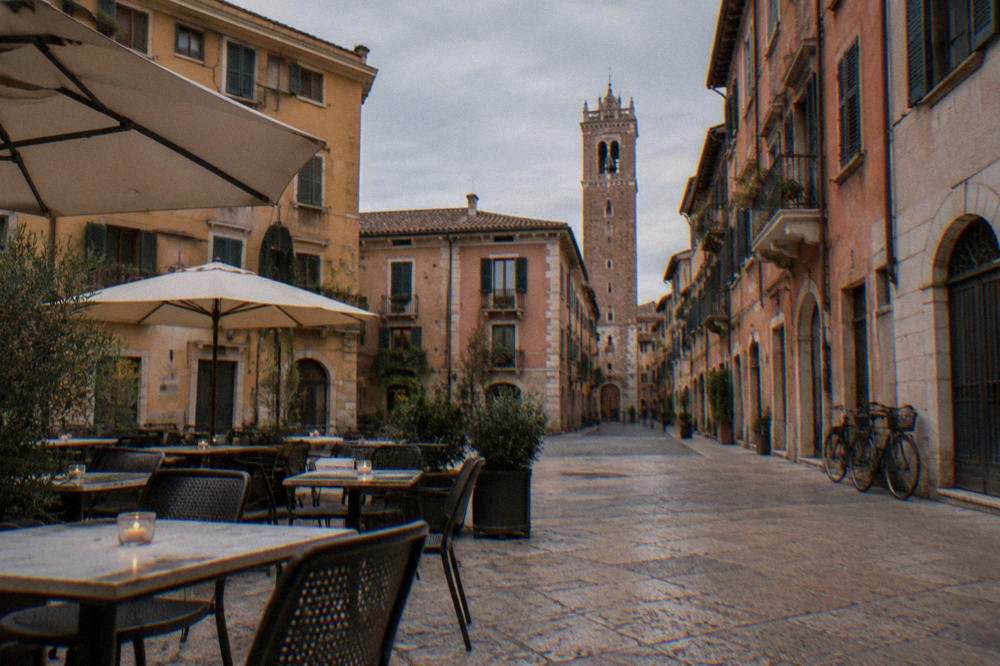
Where To Stay In Verona: Old Town, Station Or Lake
Verona is a compact inland city on the Adige, and the area you pick changes how you experience it: walk-everything old town, cheaper station district, or quiet residential quarters across the river.
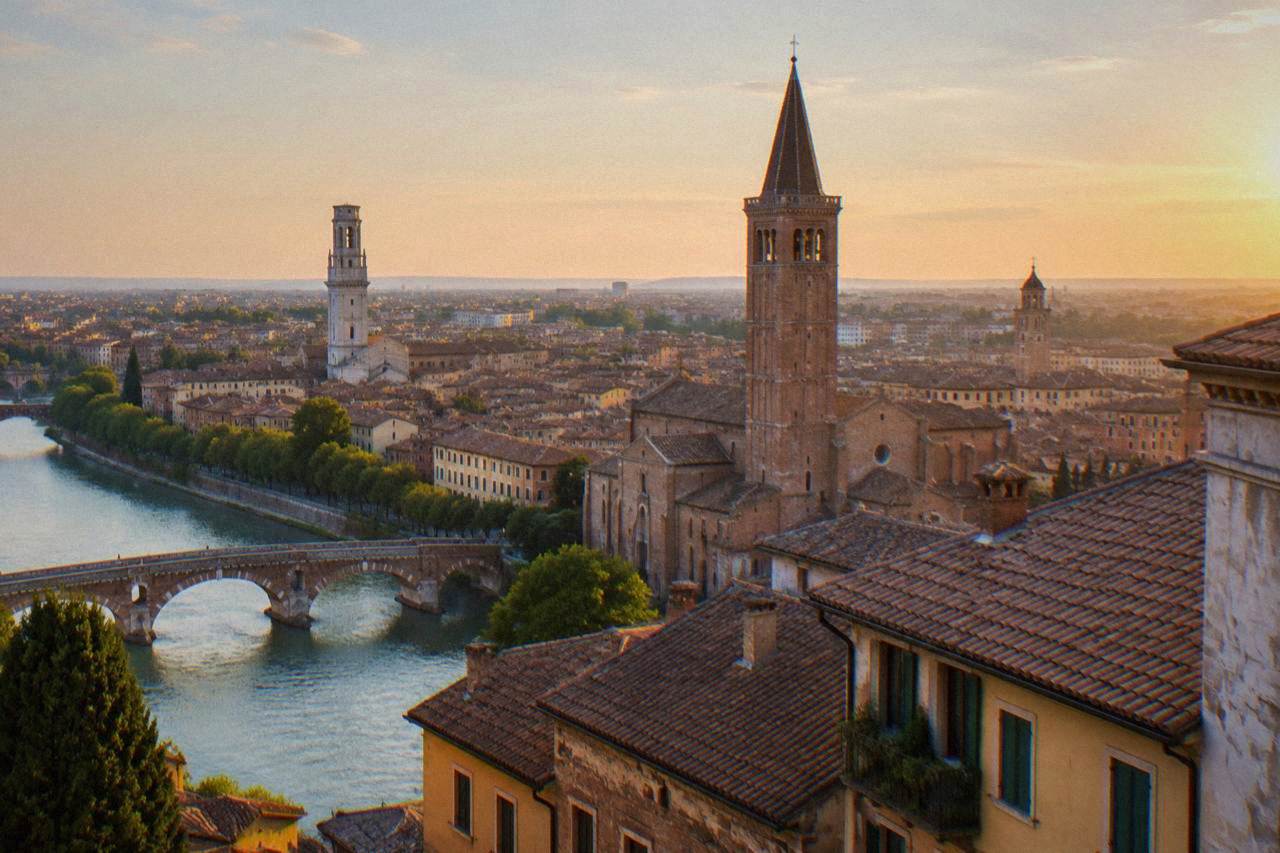
Short answer
First-time visitors should stay inside Citta Antica, the old town inside the river bend, where the Arena, Piazza delle Erbe and Juliet's House are all within a short walk. Longer stays and budget trips work well near Porta Nuova station, about 15 minutes on foot from Piazza Bra, while Veronetta, Borgo Trento and San Zeno offer quieter rooms away from the crowds.
Verona sits inland on the Adige river in Veneto, northern Italy, wrapped in a tight horseshoe bend of water that has fixed the shape of the city since Roman times. The historic centre, a UNESCO World Heritage Site inscribed in 2000, holds the Arena, Piazza Bra, Piazza delle Erbe and Juliet's House within a rectangle barely two kilometres long, which is why the where-to-stay question here is less about distance and more about character, price and noise. Lake Garda is not in Verona at all: the lake towns of Bardolino, Garda, Sirmione and Malcesine lie 22 to 39 km west and are day trips, a distinction that shapes the last part of this guide. This page walks through each area of the city, what the sources actually say about them, and how to match the choice to the length and style of your trip, with pointers to the site's own Verona map guide and the money page on things to do in Verona.
Where To Stay In Verona: Which Area Fits Your Trip?
The practical answer is that Verona splits into five lodging areas: Citta Antica, the old town inside the river bend; Veronetta across the Adige to the east; Borgo Trento to the north; the San Zeno district to the west; and the Porta Nuova station district south of the centre. All five are walking-distance lodging in a city whose core sights sit within a kilometre of each other, so the choice turns on budget, tolerance for evening noise and whether you arrive by train, plane or car.
The city's own geography does half the work. The Adige loops around the historic centre on three sides, so every quarter except the station district is separated from the Arena by either a bridge or a short stretch of street. The station area lies due south, and the walk from Porta Nuova to Piazza Bra takes roughly fifteen minutes along a straight, shop-lined axis. Beyond those facts of position, the sources backing this guide define the areas by their place on the map alone: no neighbourhood carries a sourced safety score, price level or character rating, so this page describes each one by where it sits and what it puts within reach, not by reputation.
| Area | Position relative to Arena | Best suited to |
|---|---|---|
| Citta Antica (old town) | Inside it | First visits, short stays, opera nights |
| Veronetta | Across the Adige, east | Quieter rooms, lower-key dining |
| Borgo Trento | North of the centre | Longer stays, residential calm |
| San Zeno district | West of the centre | Basilica visitors, self-catering trips |
| Porta Nuova station district | South, about a 15-minute walk | Train arrivals, budget and one-night stops |
One planning fact applies wherever you book: Verona charges a tourist tax, the imposta di soggiorno, per person per night, collected by the accommodation itself and capped at four nights per person per month. The municipal rate table is a per-category PDF, so confirm the exact amount with your hotel or host at booking rather than expecting a fixed figure.
Is The Old Town (Citta Antica) The Best Base For A First Visit?
For a first visit of one to three nights, Citta Antica is the strongest base, because the quarter holds the Arena, Piazza Bra, Piazza delle Erbe, Juliet's House and the Torre dei Lamberti inside its own streets, with the Duomo and Ponte Pietra a short walk north. Nothing inside the river bend is more than about twenty minutes on foot from anything else in it, which removes daily transport from the trip entirely.
The trade-offs are evening noise around the main squares and a lodging stock that skews historic rather than modern.
The old town's layout rewards staying central in a way few Italian cities of similar fame can match. The Citta Antica area guide on this site covers the quarter street by street; for lodging purposes, what matters is that the whole UNESCO-inscribed core is pedestrian-scaled, with the Arena at its southwestern corner and the Adige on three sides. Visitors who book here can structure a whole stay around walking: a morning at the Arena, which charges 12 euro for a full daytime ticket and 9 euro reduced, an afternoon at Juliet's House, ticketed since 1 April 2026 at 5 euro for the courtyard route and 12 euro for the house and balcony, and an evening in Piazza delle Erbe without a single bus ride.
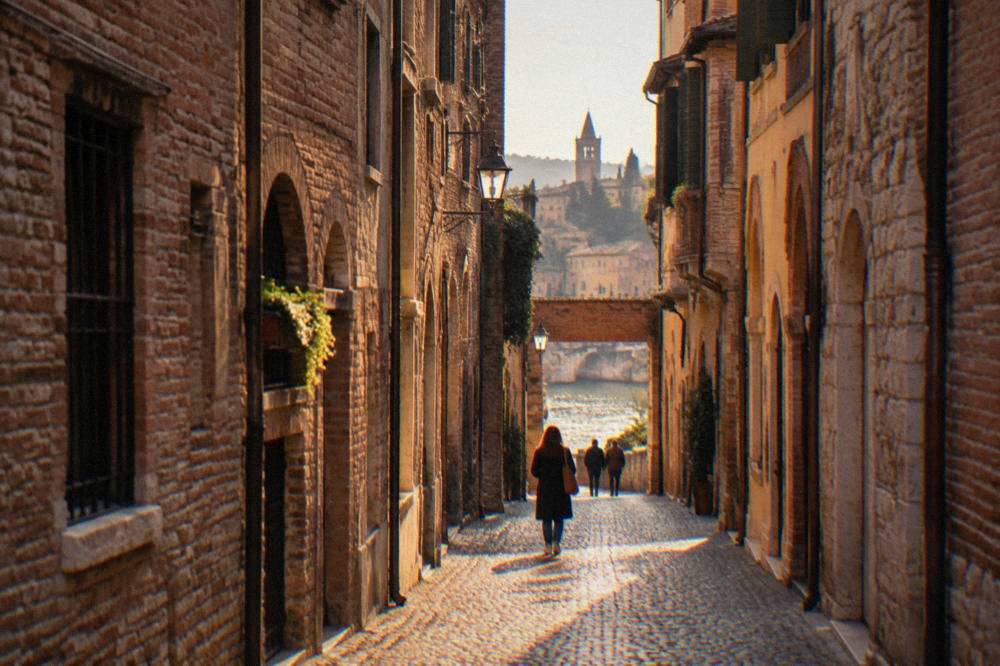
Opera nights are the old town's signature event. The Arena's 2026 festival ran 5 June to 12 September, and the 2027 season is announced for 11 June to 11 September 2027, so a summer stay inside the river bend puts the amphitheatre at the end of your street. Stone-step seats start in the 30-euro range, per the Arena's own site, and the show-day rhythm changes the whole quarter: the Arena closes early for daytime visits on performance days, and the squares fill before the 21:00 to 21:30 curtain reported for June evenings. Anyone planning an opera night should read the site's [opera night in Verona planning page](* replaced below) alongside this one.
Actually, keep the reading list simple: the site's guides to Piazza Bra sit alongside this page, and an evening walk is the natural close to a first day here.
The practical warnings for the old town are two. First, it sits inside the historic centre's camera-policed ZTL, described in full further down this page, which matters if you rent a car. Second, the tourist tax applies here as everywhere in the comune, collected by your accommodation and capped at four nights per person per month. Confirm both at booking and the old town gives you the simplest Verona stay there is.
What Is It Like To Stay Near Verona Porta Nuova Station?
The Porta Nuova station district, directly south of the historic centre, puts you about a fifteen-minute walk from Piazza Bra and the Arena, in the quarter where train arrivals, one-night stops and cheaper rooms cluster. Porta Nuova is the city's main station, receiving high-speed trains reported at 58 to 75 minutes from Venice Mestre, 1 hour 15 to 1 hour 50 from Milano Centrale, and about 3 to 3 hours 30 from Rome, which makes the district the natural base for rail-linked itineraries through northern Italy.
The station area's appeal is purely logistical, and that is not a small thing in a region this well connected. Arrive from Venice, Milan or Rome and your hotel can be a roll-away-luggage walk from the platform, with the old town reachable on foot or on a single urban bus ride, the ATV single ticket costing 1.50 euro for 90 minutes. The Porta Nuova and station district area guide and the site's Verona train station guide cover the quarter and the station in detail; for lodging, treat it as the place to trade atmospheric streets for convenience and, typically, lower room rates than inside the river bend.
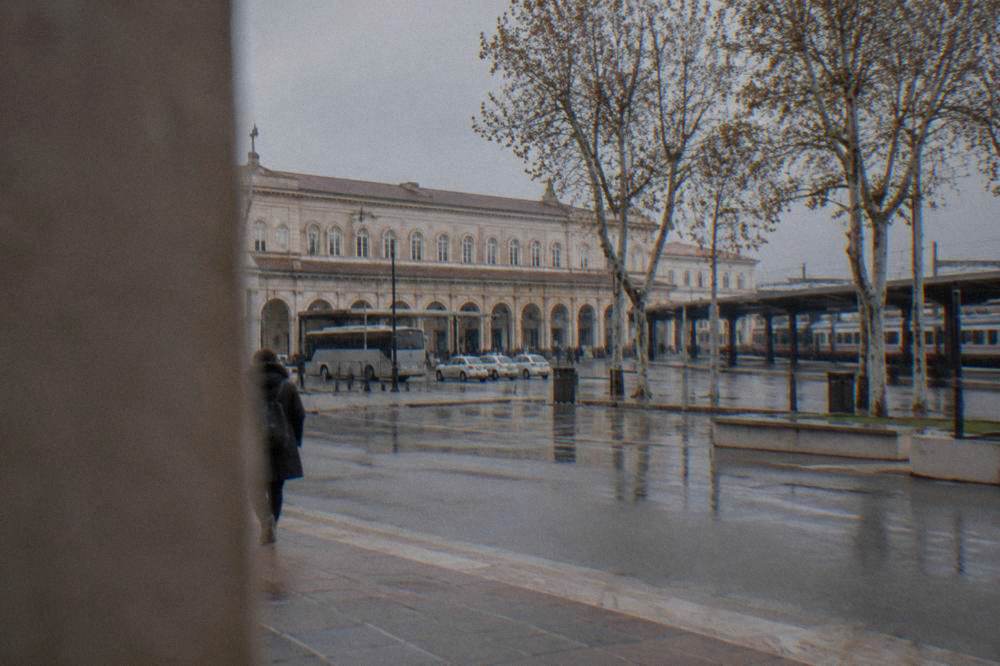
Two honest caveats come with the district. Check current train prices on the operators' own booking sites before budgeting, and confirm any luggage-storage arrangement directly with your accommodation or the station's services before relying on it. The site's separate Verona luggage storage guide collects what is known.
For a two-night stop threaded between Venice and Milan, the district is arguably the most efficient base in the city: the Venice to Verona guide and Milan to Verona guide both land you here, and the reported train times above mean neither leg consumes a morning.
Veronetta, Borgo Trento And San Zeno: Where To Stay Away From The Crowds?
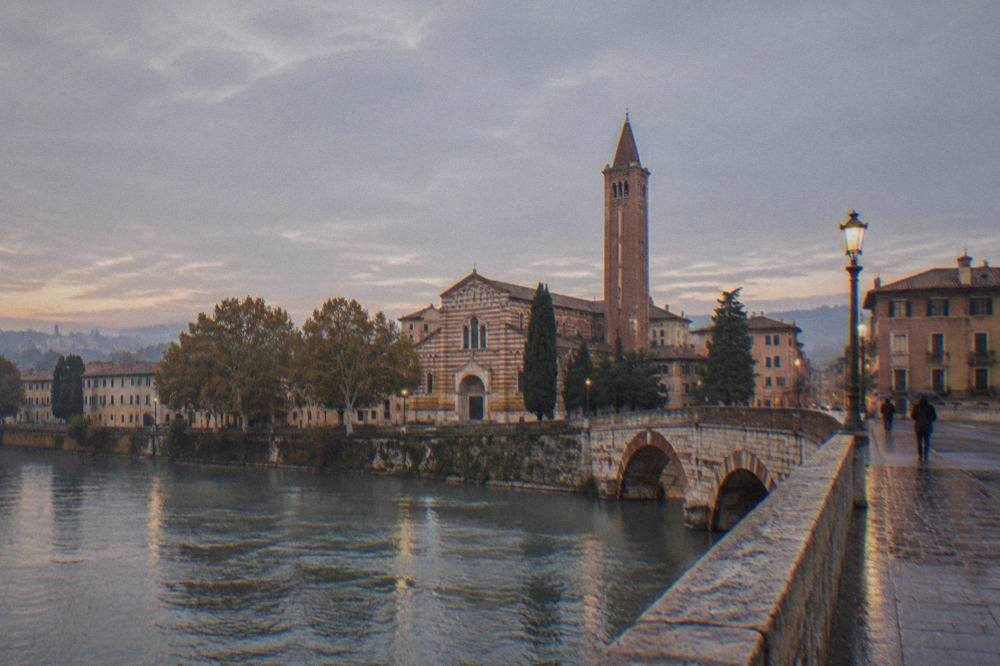
The three quieter quarters, Veronetta across the Adige east of the centre, Borgo Trento to the north and the San Zeno district to the west, each sit one bridge or one straight street away from the Arena while removing you from the old town's evening bustle. Veronetta sits across the Ponte Pietra side of the river around the Teatro Romano; Borgo Trento lies north along the river's west bank; San Zeno spreads west around its basilica. All three keep the centre walkable while trading square-side addresses for residential streets.
Each quarter has its own anchor. Veronetta's is the Teatro Romano and the climb toward the hills above the city, described in the site's [Veronetta area guide](* see sibling list) and the Teatro Romano guide. Borgo Trento stretches north toward quieter embankments. San Zeno's is the Basilica di San Zeno, covered in the site's Basilica di San Zeno guide; the basilica is included with the VeronaCard under the Chiese Vive convention, per the Comune di Verona's card notice, though church ticket prices were not captured, so confirm at the door.
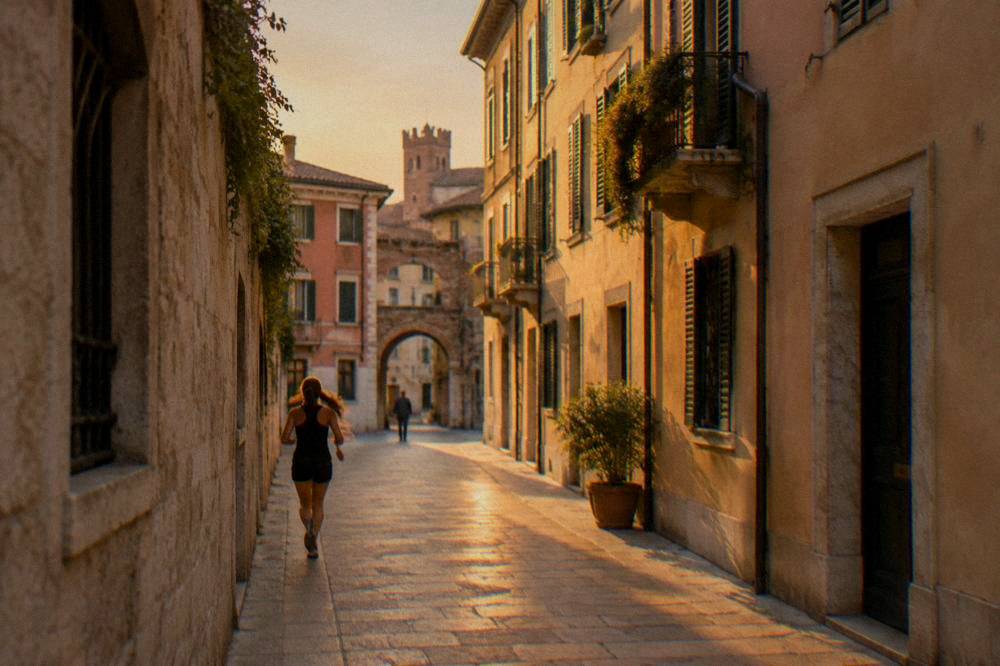
| Quarter | Direction from Arena | Anchor sight | Character of the base |
|---|---|---|---|
| Veronetta | East, across the Adige | Teatro Romano, Ponte Pietra | Student-quarter feel, river crossings |
| Borgo Trento | North | Riverside embankments | Residential, calmer evenings |
| San Zeno district | West | Basilica di San Zeno | Village-like, self-catering friendly |
| Citta Antica | Within it | The Arena itself | Sight-dense, lively late |
| Porta Nuova district | South | The rail station | Arrivals, value, one-night stops |
Staying outside the river bend also changes the evening. A themed walk makes a good bridge between quarters: the Dark Historical Verona walking tour below explores the city's grittier stories, and it pairs naturally with a stay in Veronetta, the quarter that keeps more of that layered, lived-in character than the polished centre.
Longer stays suit these quarters best. A three-night booking in San Zeno or Borgo Trento lets you shop like a resident, cook some evenings and still walk to the Arena for an opera night, a rhythm the site's Verona in three days itinerary is built around.
Should You Stay In Verona Or By Lake Garda?
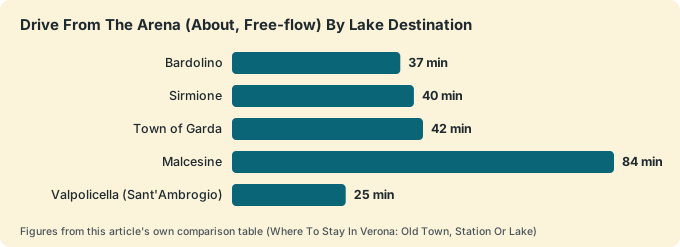
Verona and Lake Garda are different trips: Verona is an inland city on the Adige with the Arena, opera and the Valpolicella wine hills at hand, while the lake towns lie 22 to 39 km west and are day trips from the city, with drives from the Arena of about 37 minutes to Bardolino, 40 to Sirmione, 42 to the town of Garda and 84 to Malcesine.
Stay in Verona if opera, Roman Verona and wine country drive the trip; stay on the lake only if lakeside days outweigh city evenings.
The distances matter because they are short. A Verona base puts Sirmione, with its Scaliger Castle reported at 10 euro full and closed Mondays, and the Grotte di Catullo at 10 euro, within a morning's round trip by car or bus, and the Monte Baldo cable car from Malcesine, 30 euro round trip for an adult or 28 online, within a full day. The site's Lake Garda guide, the Verona and Lake Garda itinerary and the answer page is it better to stay in Verona or Lake Garda work through the decision in depth; the short version is that a lake base makes the Arena an excursion rather than a doorstep.
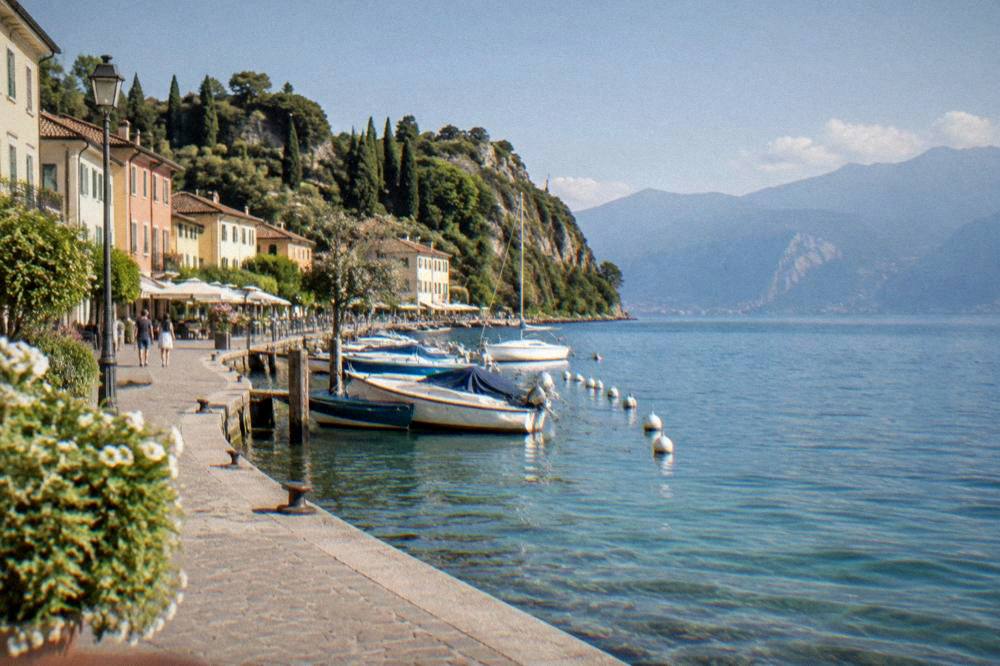
| Lake destination | Drive from the Arena (about, free-flow) | Road distance |
|---|---|---|
| Bardolino | 37 minutes | 30 km |
| Sirmione | 40 minutes | 43 km |
| Town of Garda | 42 minutes | 40 km |
| Malcesine | 84 minutes | 66 km |
| Valpolicella (Sant'Ambrogio) | 25 minutes | within the wine hills |
One compromise earns its place here: the self-guided Lake Garda e-bike tour below, which runs from Verona with lunch included and covers both lake and countryside in a single booked day. It suits visitors who stay in the city but want a full lakeside taste without renting a car, and its listing carries the current price and availability. Check availability. For the ferry dimension, a Navigazione Laghi full-lake day pass costs 39.50 euro for an adult at 2026 fares, though the north-south passenger service is reported suspended from 2 November 2026 to 12 March 2027, so confirm sailings before planning a winter lake day.
Do You Need A Car When Staying In Verona?
No: a car is a liability for a stay inside Verona's historic centre, because Citta Antica sits inside a camera-enforced limited-traffic zone where non-residents may enter at most four times a month by advance booking, in windows of Monday to Friday 10:00 to 18:00 and 20:00 to 23:00 and, on Saturdays, Sundays and holidays, from 10:00 to 13:30. Hotel guests inside the zone get free access when the hotel registers their number plate, but short-term rental guests do not.
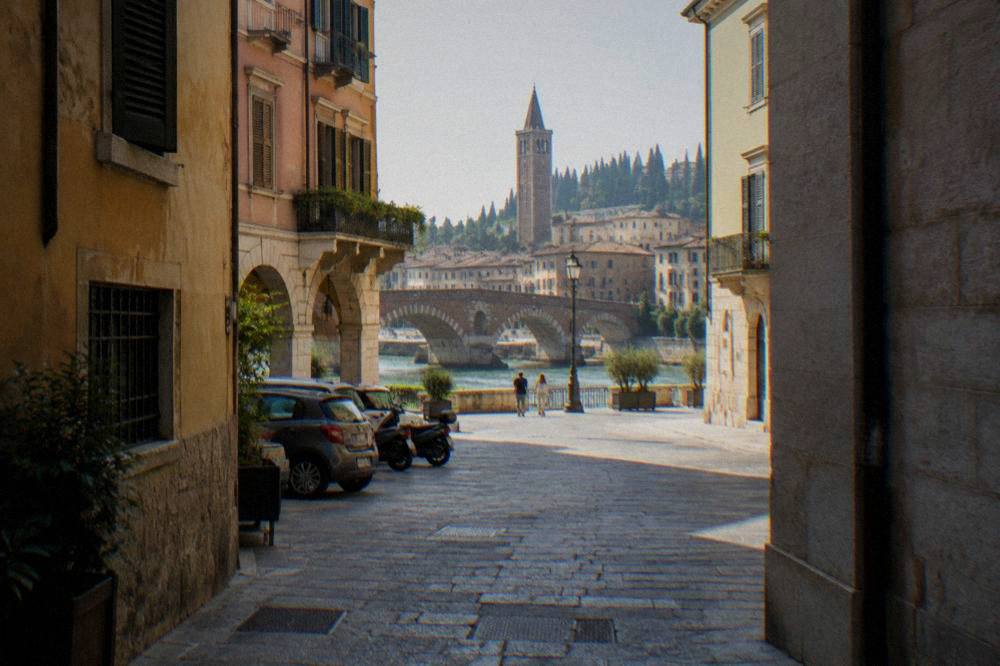
Those windows come from the Comune di Verona's own ZTL notice, and they reshape any driving decision. The practical pattern for drivers is to park outside the zone and walk, or to book a hotel inside the ZTL that will register the plate. The site's [Verona ZTL and parking guide](* in sibling list) exists for exactly this question, alongside [Verona car rental and driving](* sibling) for the wider region; both sit under the getting-around coverage that starts at the Verona map guide.
| Arriving by | Route in | Notes for your base |
|---|---|---|
| Train | Porta Nuova station | Station district is on foot; old town about 15 minutes more |
| Plane (VRN) | Aerobus line 199, reported about 15 minutes, 7 euro | Drops in the city; no car needed |
| Car from the west (Milan, lake) | Approach from ring roads | Park outside the ZTL and walk or use a hotel plate registration |
| Car from the south (Bologna, Rome) | Same ZTL rule applies | The four-entries-a-month cap counts every crossing |
The airport link deserves its line: the Aerobus line 199 from Verona Villafranca is reported at about 15 minutes and 7 euro one way, so even a flight arrival does not argue for a hire car in the city itself. A car earns its keep only when the itinerary leans on the lake's eastern shore, the Valpolicella hills or the Dolomites, and even then the e-bike day trip above covers one of those without one. The site's Verona airport to city centre guide and how to get to Verona guide complete the picture.
How Many Nights Should You Book, And What Should You Do First?
Two nights is the working minimum for Verona, three is comfortable, and four suits a trip that adds Valpolicella and a lake day, because the city core itself rewards one full day of walking plus an evening, while the wine hills sit about 25 minutes' drive away and the nearest lake towns about 37 to 42.
Booking inside the old town for nights one and two, then extending outward, matches how the city actually unfolds: the Arena and the squares first, the river quarters second, the hills and the lake after.
The site's itineraries are built on exactly that logic: [Verona in one day](* sibling itinerary) compresses the core, the Verona in two days itinerary adds Veronetta and the west-bank sights, and Verona in three days leaves room for a wine or lake excursion. Timing matters too: the best time to visit Verona guide and the Verona weather guide lay out the climate, with July mean highs of 29.3 C against January's 7.3 C, ERA5 reanalysis 1991-2020, and November the wettest month at 118.2 mm.
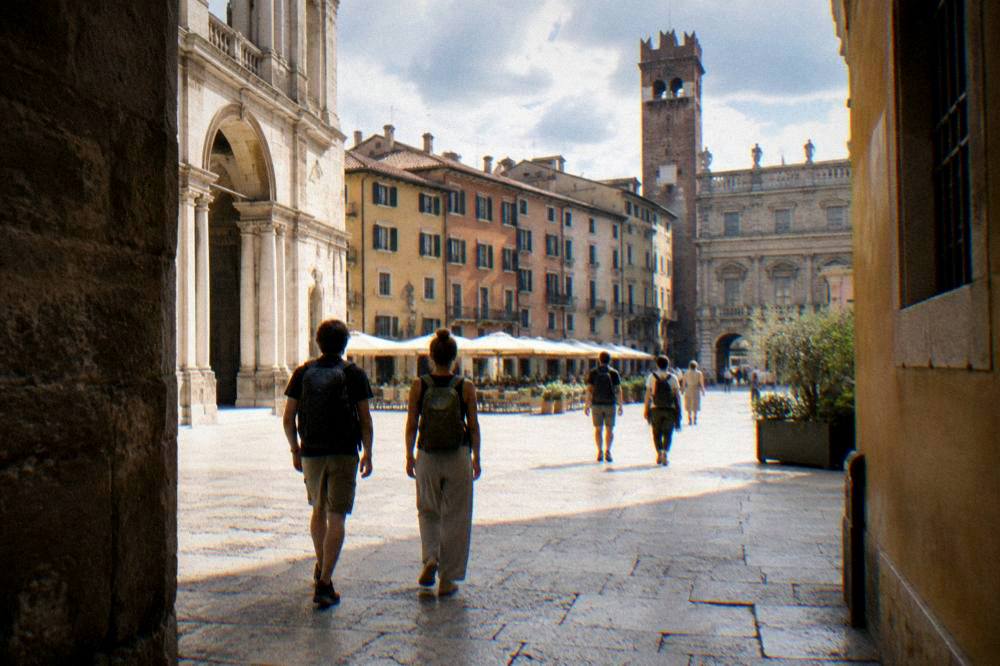
A first-morning plan writes itself from any base. The Verona: Priority Access Arena Guided Tour below handles the amphitheatre with entry and a local guide, which pairs well with a first day that continues to Piazza delle Erbe and the Torre dei Lamberti, reported at 6 euro full and free with the VeronaCard, the card itself digital since 1 September 2026 at 33 euro for 24 hours with ATV transport or 38 for 48 hours. Check availability if that fits night one.
For the fuller first-day alternative, the small-group City of Love walking tour below covers the centre with a guide, a sensible opener for visitors who want orientation before exploring alone.
| Length of stay | Suggested base | What it comfortably covers |
|---|---|---|
| 1 night | Citta Antica or station district | Arena, Piazza Bra, Piazza delle Erbe, Juliet's House |
| 2 nights | Citta Antica | Core sights plus Veronetta and an opera or evening walk |
| 3 nights | Citta Antica, Veronetta or Borgo Trento | Core plus a Valpolicella half-day |
| 4 or more | Any quarter, or split with a lake town | City plus Sirmione or Malcesine and the Monte Baldo cable car |
Whatever the length, book the two things that genuinely sell out or need online steps: opera seats for an 11 June to 11 September 2027 season, and Juliet's House, which since 1 April 2026 requires online booking even for VeronaCard holders, accessed via the Teatro Nuovo. Everything else in this city rewards arriving, walking and seeing where the river bends take you, which is the quiet argument for the Verona Italy Travel Guide itself: a city this compact forgives almost any address.
Common Questions About Where To Stay In Verona
Where to stay in Verona for the first time?
Citta Antica, the old town inside the river bend, for its walkable reach of the Arena, Piazza delle Erbe and Juliet's House; the Porta Nuova station district, about a 15-minute walk from Piazza Bra, is the value alternative for short stays.
Is it better to stay in Verona or Lake Garda?
Verona for opera, Roman sights and the Valpolicella hills; the lake towns, 22 to 39 km west, for lakeside days. The lake is a day trip from Verona, with drives of about 37 to 84 minutes depending on the town.
Can I drive to my hotel in central Verona?
Only within strict limits: the historic centre is a camera-enforced ZTL with at most four entries a month for non-residents by advance booking, in set daytime and evening windows. Hotels inside the zone can register your plate for free guest access; short-term rentals cannot.
Is Verona walkable enough to stay anywhere in the centre?
Yes. The core sights sit within about a kilometre of each other inside the river bend, and the quarters beyond it, Veronetta, Borgo Trento, San Zeno and the station district, all connect on foot or a single 1.50 euro urban bus ticket valid 90 minutes.
Does Verona charge a tourist tax on hotel stays?
Yes, an imposta di soggiorno per person per night, collected by the accommodation and capped at four nights per person per month. Rates vary by accommodation category; confirm the amount at booking.
How many days is enough for staying in Verona?
Two nights covers the core, three adds a wine or lake half-day, and four suits a trip combining the city with Sirmione, the Monte Baldo cable car or the Valpolicella hills.