Verona Porta Nuova Station: Arrival Guide To The Arena
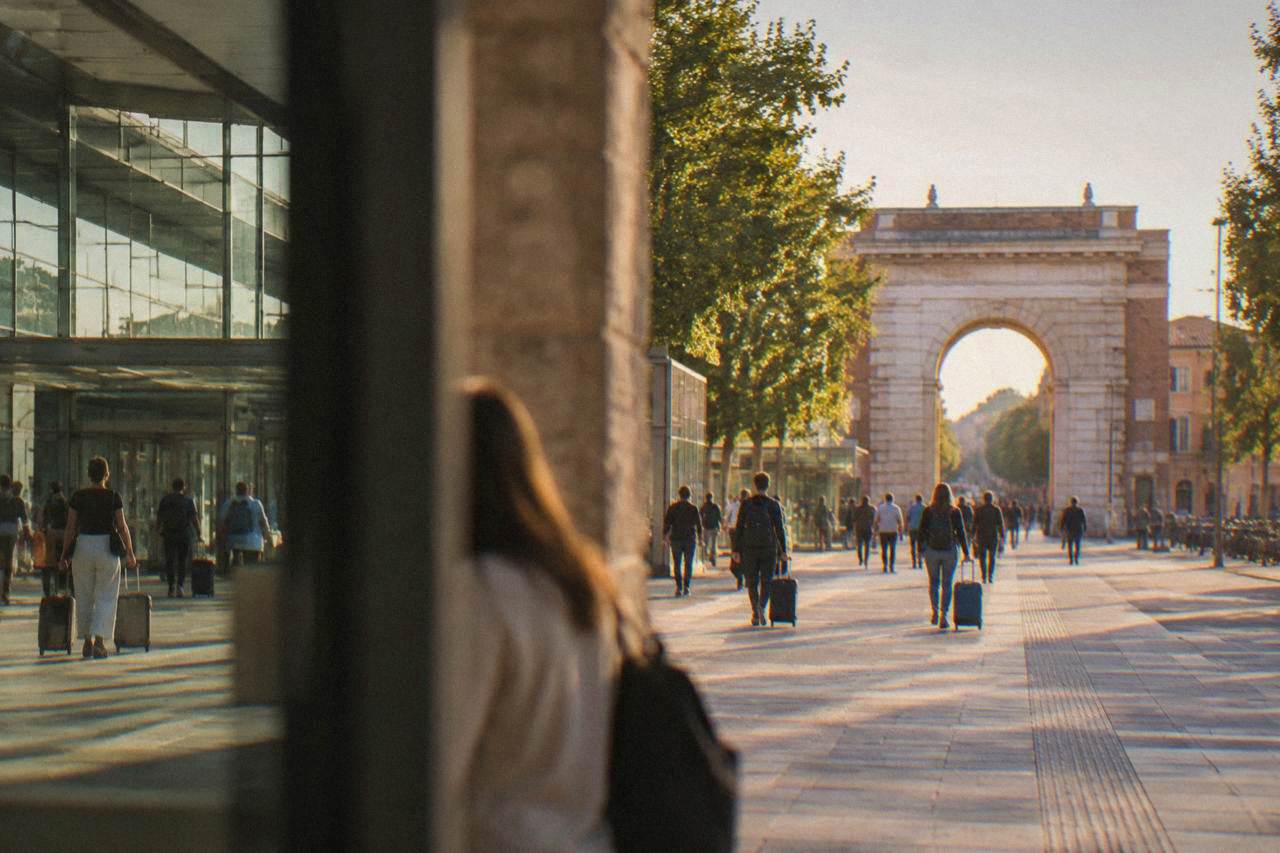
Every long-distance train to Verona, in Veneto, northern Italy, arrives at Porta Nuova, a short walk south of the Roman Arena and the UNESCO old town. Here is what the sources say about the station, the tickets you can print with confidence, and the routes from the platform to Piazza Bra.
Short answer
Verona Porta Nuova is the city's main station, reported at 58 to 75 minutes from Venice Mestre and 1 hour 15 to 1 hour 50 from Milano Centrale. The Arena lies in the historic centre; the urban bus single costs 1.50 euro and the Arena's daytime visit costs 12 euro full.
Every long-distance train to Verona, an inland city on the Adige river in Veneto, northern Italy, pulls into one place: Verona Porta Nuova. The station sits at the southern edge of the historic centre, and the rose-pink ring of the Arena di Verona stands roughly a straight line north of it, inside the UNESCO World Heritage old town (inscribed 2000). This guide reports what the primary sources say about arriving here: the reported train times, the two fares that can be stated with confidence, the areas around the station, and the decisions that shape a first day, from the Arena visit to the VeronaCard, which became a digital card on 1 September 2026.
What Is Verona Porta Nuova Station And Why Does It Matter For Your Trip?
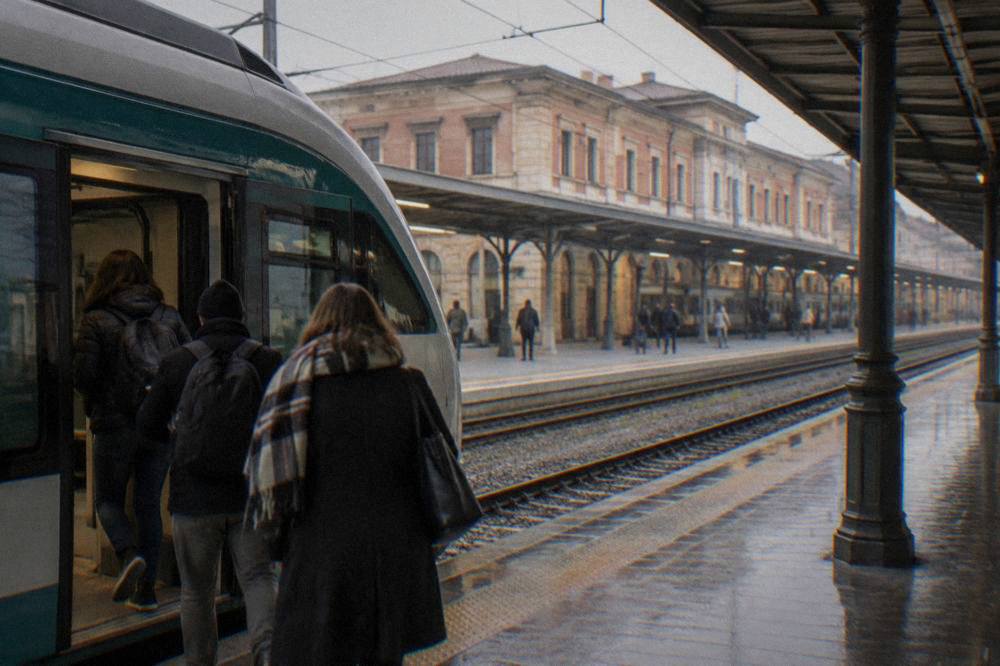
Verona Porta Nuova is the main railway station of Verona, in Veneto, northern Italy, and the arrival point for every long-distance and regional train serving the city, including reported direct connections from Venice Mestre in 58 to 75 minutes and from Milano Centrale in 1 hour 15 to 1 hour 50. The station stands just south of the historic centre, an inland UNESCO World Heritage old town built around the Adige river, with Lake Garda's towns 22 to 39 km west as day trips rather than suburbs.
The station's importance is geographic before it is anything else. The old town of Verona curls inside a great bend of the Adige, and Porta Nuova sits at the southern neck of that bend, which places the whole visited city within walking or short-bus range of the platform. The station district is one of the five areas this site's Verona map uses to describe the city: Citta Antica (the old town), Veronetta across the river, Borgo Trento to the north, the San Zeno district to the west, and Porta Nuova itself. No neighbourhood carries a sourced safety score, price level or character sketch beyond its position, so this page describes position and walking relation only.
A practical caution comes with the territory. The historic centre is a camera-policed limited-traffic zone (ZTL): non-residents may enter at most four times a month on a booking, in windows reported by time of day, and hotel guests enter free if the hotel registers the plate. Arriving by train sidesteps all of that. The station is also the hub the site's broader arrival guides build on, from how to get to Verona to the airport run covered in Verona airport to city centre.
How Do You Get From Verona Porta Nuova Station To The Arena?
The reported way from Verona Porta Nuova to the Arena in central Verona is a short urban bus ride on the 1.50 euro single ticket, valid 90 minutes on the city network, or a walk north from the station into the historic centre toward Piazza Bra, where the amphitheatre stands. Bus fares are fixed and printed by ATV, the Verona transport authority; no walking time for the exact station-to-Arena route appears in the sources, so confirm the timing on arrival.
The fare that can be stated plainly is ATV's urban single: 1.50 euro, valid 90 minutes, published on ATV's own ticketing page. That is one of only two transport fares this site prints for Verona. The other is the airport link, covered below. Everything else, day passes, car parks, taxis, stays with the operator.
| Option from Porta Nuova | What it costs | What the sources say |
|---|---|---|
| ATV urban bus single | 1.50 euro, 90 minutes | Published by ATV on its urban ticketing page |
| Walk into the historic centre | Free | The station sits just south of the old town; no verified minute count for the exact route |
| Taxi | No fare found | The pack contains no verified Verona taxi fare: confirm with the operator |
| Rental car into the centre | ZTL applies | Max 4 entries a month for non-residents, windows reported by time of day |
Once at Piazza Bra, the Arena is not an opera-only monument. The Comune di Verona's price list (page text "Last update: 10 September 2026") states the daytime amphitheatre visit at 12 euro full, 9 euro reduced for groups of 15 or more, over-65s and other concessions, 3 euro for visitors aged 18 to 25 from the EU and reciprocity countries, and 1 euro on the first Sunday of the month from November to March. Reported by the Arena's own site: daytime hours Tuesday to Sunday about 9:00 to 19:00, closed Monday, with earlier closing on show days and last entry 30 minutes before closing; confirm before you go. For an arrival-day visit with a guide, the site's featured Arena priority-access tour pairs the ticket with a local guide; Check availability if that suits your first afternoon.
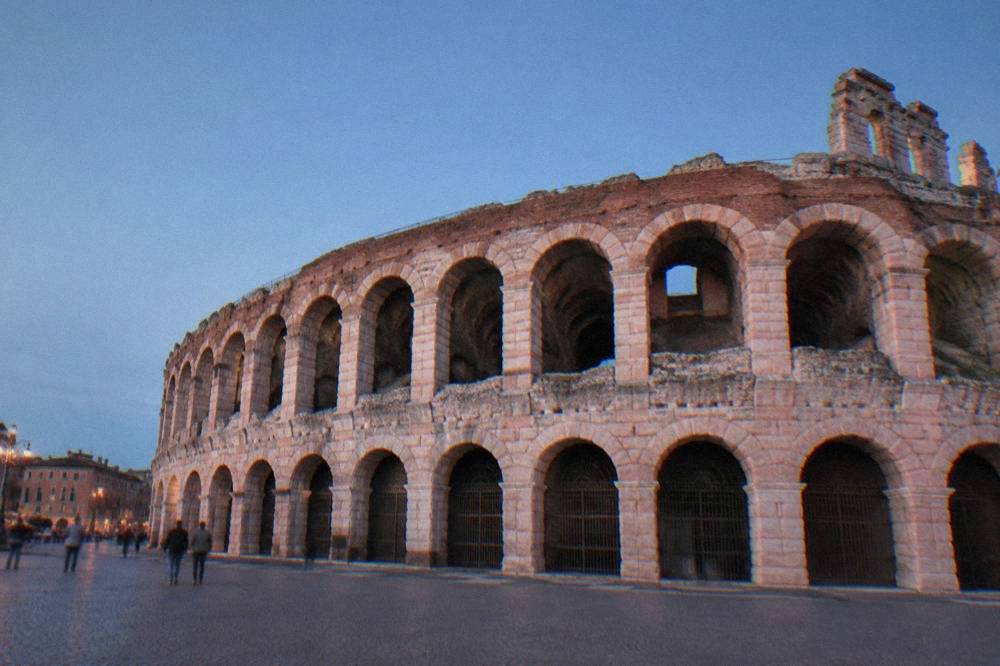
The Arena's own history, as reported by arena.it and Britannica, gives the arrival its frame: built about 30 AD, older than the Colosseum (about 80 AD), described as the third-largest surviving Roman amphitheatre after the Colosseum and Capua, and used in its first life for gladiator games and animal hunts. The outer ring fell in the earthquake of 1117, leaving the Ala wing that defines the silhouette today. The stated capacity for opera is 30,000 effective seats.
Which Trains Arrive At Verona Porta Nuova Station?
Reported train times to Verona Porta Nuova, per live-search railway data, are 58 to 75 minutes from Venice Mestre, 1 hour 15 to 1 hour 50 from Milano Centrale, about 3 to 3 hours 30 from Rome, and 1 hour to 1 hour 15 from Porta Nuova back out to Venice. No ticket fare for any of these routes is stated here, and Florence and Bologna journey times are likewise not given, so durations for those two cities are not stated here.
Those times carry attribution on purpose: they are reported figures from railway aggregators, not a timetable read from an operator's page, and timetables change. What the desk can state with confidence is that Verona sits on the north Italian main-line axis, that Porta Nuova is the station for the city, and that the routes above are the ones the sources name. For fares, the reader goes to the operator at booking; this site never prints a train fare, and no "from X euro" figure appears anywhere in its pages.
| Route to Verona Porta Nuova | Reported journey time | Notes from the sources |
|---|---|---|
| From Venice Mestre | 58 to 75 minutes | Reported; the Venice-to-Verona route is also given at 1 hour to 1 hour 15 |
| From Milano Centrale | 1 hour 15 to 1 hour 50 | Reported range across direct services |
| From Rome | About 3 hours to 3 hours 30 | Reported |
| From Florence | Not found | No duration in the sources: check the operator |
| From Bologna | Not found | No duration in the sources: check the operator |
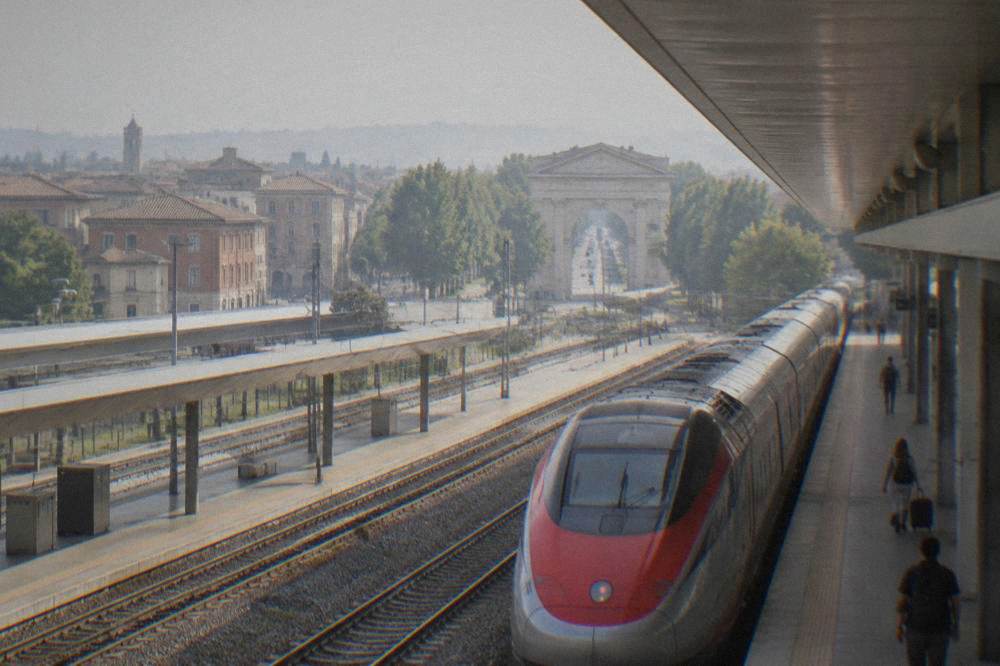
Route-level planning is easier with the site's dedicated guides: Venice to Verona, Milan to Verona, Florence to Verona, Bologna to Verona and Rome to Verona. Each one keeps to the same rule: times with attribution, fares never.
How Does Verona Airport Connect To The Station And The City?
Verona Villafranca (VRN), the airport for Verona, is 16.4 km and about 26 minutes by road from the Arena, computed over OpenStreetMap routing in free-flow conditions, and the reported ATV Airlink Aerobus line 199 runs to the city in about 15 minutes every 20 minutes at peak and every 40 off-peak, for a one-way fare of 7 euro with the ticket valid 75 minutes. No taxi fare from VRN was found in the sources: confirm with the operator.
The road distance and time are computed figures, not a timetable: they describe the route, not the traffic. The Aerobus details are reported by ATV and carry the usual caveat to confirm with ATV before travelling. The service window is reported at about 5:15 to 23:10, which covers the great bulk of flight arrivals; the pack holds no frequency promise beyond the peak and off-peak intervals above.
| Airport fact for Verona | Figure | Basis |
|---|---|---|
| VRN distance to the Arena | 16.4 km, about 26 minutes by road | Computed over OSM routing, free-flow |
| Aerobus line 199 (ATV Airlink) | About 15 minutes | Reported by ATV; confirm with ATV |
| Aerobus fare | 7 euro one way, valid 75 minutes | Reported |
| Aerobus frequency | Every 20 min peak, 40 off-peak | Reported |
| Taxi from VRN | No fare found | Confirm with the operator |
The full airport arrival picture, including what the sources do and do not support, sits in the site's Verona airport to city centre guide. For anyone landing and heading straight to the old town, the Aerobus plus the 1.50 euro urban single, or a single Aerobus ticket used within its 75-minute validity on the urban network as reported, is the sequence the sources describe.
What Can You Do Near Verona Porta Nuova Station?
The area immediately around Verona Porta Nuova station is the Porta Nuova station district, one of Verona's five mapped areas, sitting just south of the Citta Antica old town whose sights, the Arena, Piazza Bra, Piazza delle Erbe and the Casa di Giulietta, all lie a short distance north toward the Adige bend; the pack names no restaurant, shop, hotel or attraction inside the station district itself, so the reliable plan is to treat the station as a gateway and walk or ride into the old town.
The old town rewards that walk. Piazza Bra, the broad square that holds the Arena, is the first major space on the northern line from the station, and this site gives it a full Piazza Bra page. From there the itinerary options stack up quickly, and the site's Verona in one day route strings them together for exactly the arrival-day case: Arena, Piazza delle Erbe, the Torre dei Lamberti, the Casa di Giulietta and the Ponte Pietra.
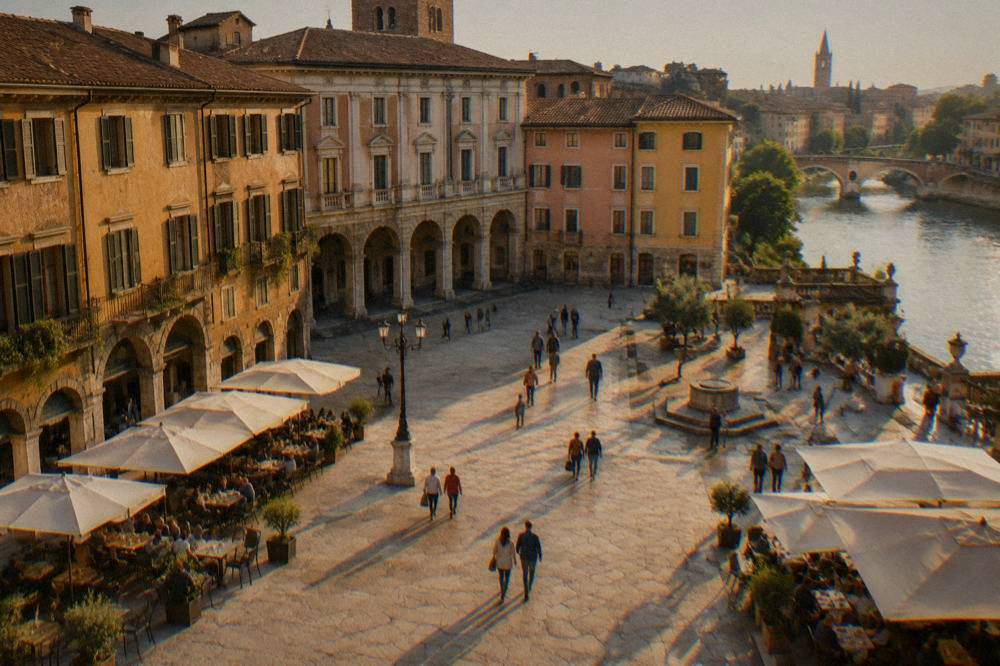
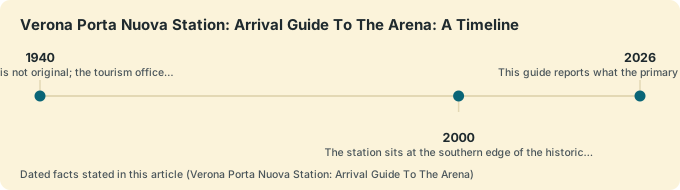
Two of the 2026 traps bite hardest near the station's most-visited targets. First, Juliet's courtyard is no longer free: since 1 April 2026 the courtyard route costs 5 euro, the full house and balcony route 12 euro, booking is online, and entry is via the Teatro Nuovo. The balcony itself is not original; the tourism office reports it was added in 1940 from sarcophagus material. Second, the VeronaCard changed form: from 1 September 2026 it is digital, at 33 euro for 24 hours and 38 euro for 48 hours with ATV transport included, or 29 and 32 euro without. The Comune's notice states the card covers civic museums and the churches under the Chiese Vive convention, but the pack never claims it includes the Arena's opera or the Aerobus, and this site computes no savings arithmetic with it.
Where Can You Store Luggage At Verona Porta Nuova Station?
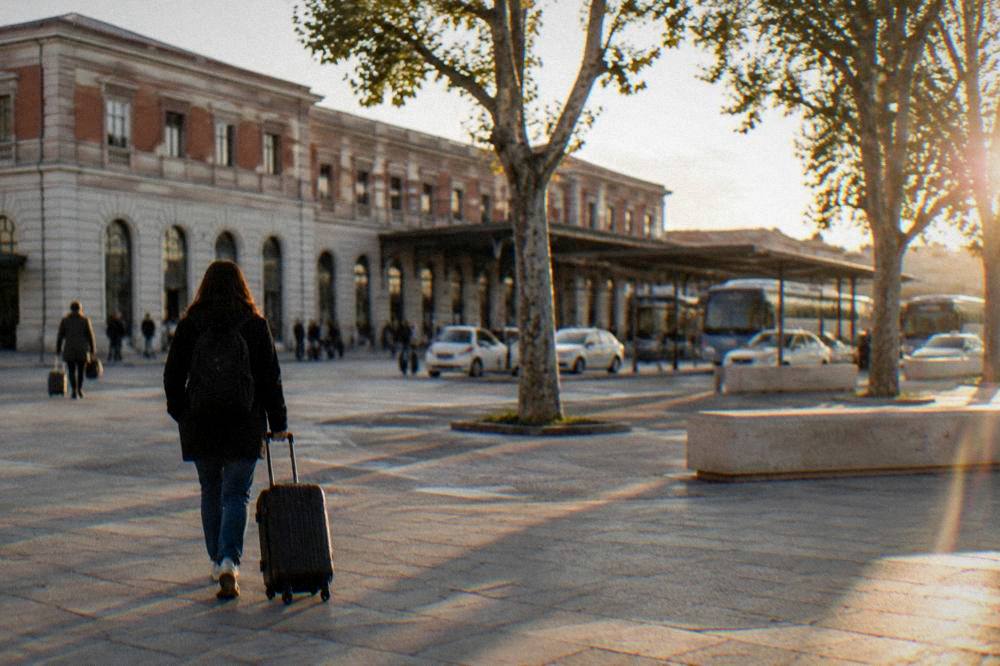
No luggage-storage operator, fee or position at Verona Porta Nuova station appears in the sources; the practical guidance is to ask at the station services on arrival or check the operator's listing before booking, and the same silence applies to pharmacies, ATMs, laundries and tourist-office addresses near the station, none of which the sources cover.
That silence is unusual for a major station, and it is better stated plainly than papered over with a plausible-sounding locker price. What the site can offer is the decision framework: travellers arriving with bags and heading straight to the Arena have the daytime visit (closed Mondays, per the reported hours) as the anchor, and anyone planning an opera evening should know the reported bag rule from the Arena's own terms, small backpacks only, with bulky bags refused and no cloakroom.
Is The Station District A Good Place To Stay In Verona?
The Porta Nuova station district is the southernmost of Verona's five mapped areas, closest of them all to the rail network and a short position south of the Citta Antica old town and the Arena, which makes it the natural base for rail arrivals and multi-city trips; the sources carry no hotel name, nightly rate, amenity list or safety score for any Verona neighbourhood, so the choice comes down to position, and the site's where-to-stay guide works through each area on exactly that basis.
Verona's tourist tax applies wherever you sleep: it is charged per person per night by the accommodation, capped at four nights per person per month, and the rate table sits with the Comune. No per-star rate is printed on this site. The broader stay decision, station district versus old town versus Veronetta, is laid out in where to stay in Verona, and the trade-off is simple to state: the station district buys rail proximity, the old town buys waking up inside the UNESCO core.
| Verona area | Position relative to the station | Who it suits |
|---|---|---|
| Porta Nuova station district | The station itself | Rail arrivals, early departures, multi-city trips |
| Citta Antica (old town) | North of the station, inside the Adige bend | First-time visitors walking to the Arena and Piazza delle Erbe |
| Veronetta | Across the Adige from the old town | A quieter base beside the centre |
| Borgo Trento | North of the old town | Longer stays away from the core |
| San Zeno district | West of the old town | Visitors anchored on the basilica side |
How Does The Station Connect Verona To Lake Garda And Other Day Trips?
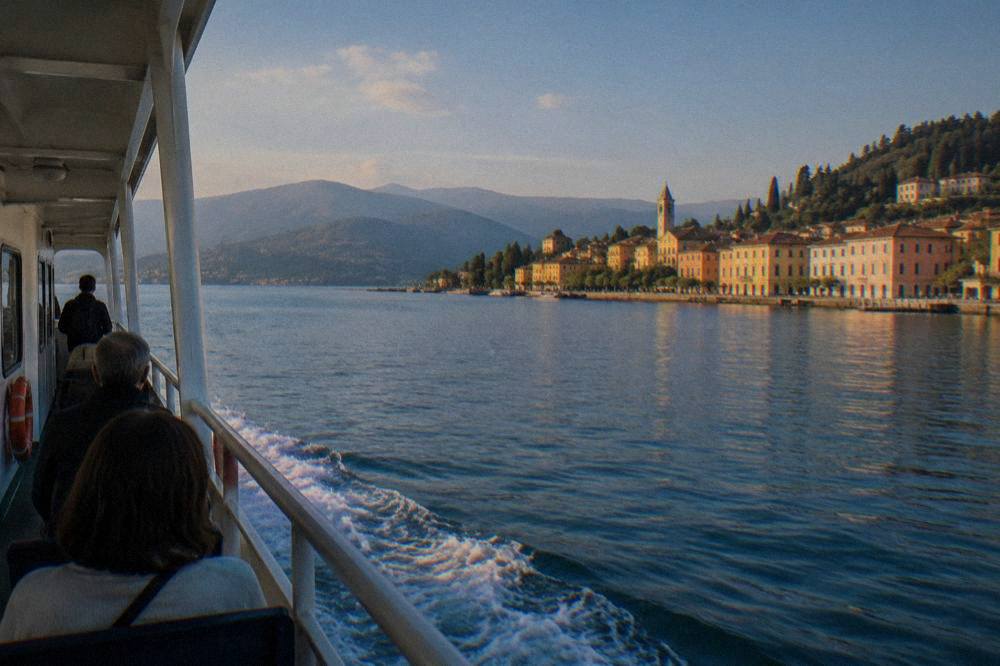
Verona is an inland city on the Adige, and Lake Garda is a day trip from Porta Nuova, not a lakeside suburb: the lake towns lie 22 to 39 km west, with computed free-flow drive times from the Arena of 37 minutes to Bardolino, 40 to Sirmione, 42 to the town of Garda and 84 to Malcesine, while regional trains and the reported ATV line 164 bus also serve the lake, and the Navigazione Laghi full-lake day pass costs 39.50 euro for an adult on 2026 fares.
The drive times are computed over OSM routing in free-flow conditions, so they describe distance, not a summer Saturday. Sirmione, for the record, sits in Brescia province in Lombardy even though every Verona-based route reaches it, and the town of Garda is not Riva del Garda, which lies 51 km away in Trentino. The ferry picture for 2026 draws on the Navigazione Laghi rates page for the pass price, and reported for the calendar: full summer service to 4 October, reduced to 1 November, then a suspension of the north-south passenger service from 2 November 2026 to 12 March 2027.
| Day trip from Verona | Drive time from the Arena | Basis |
|---|---|---|
| Bardolino | About 37 minutes | Computed, OSM free-flow |
| Sirmione | About 40 minutes | Computed, OSM free-flow |
| Garda (the town) | About 42 minutes | Computed, OSM free-flow |
| Malcesine | About 84 minutes | Computed, OSM free-flow |
| Valpolicella (Sant'Ambrogio) | About 25 minutes | Computed, OSM free-flow |
| Vicenza | About 48 minutes | Computed, OSM free-flow |
| Padua | About 67 minutes | Computed, OSM free-flow |
| Venice | About 85 minutes | Computed, OSM free-flow |
The same station that delivers you to Verona dispatches you onward. Venice is the headline rail day trip, reported at 58 to 75 minutes from Porta Nuova to Mestre, and the site's Venice day trip page handles it. Milan runs reported at 1 hour 15 to 1 hour 50, covered in the Milan guide. Closer to home, the Valpolicella wine hills begin about 25 minutes out by road, and a wine-focused afternoon is one of the few day trips you can also take without leaving the city at all, since Verona's own enoteche and food walks cover the same appellations.
How Should You Plan Your First Day From Verona Porta Nuova?
The sequence the sources support for a first day in Verona from Porta Nuova is: arrive by train, ride or walk north on the 1.50 euro urban single, visit the Arena by day at 12 euro full with the reported Tuesday-to-Sunday hours in mind, then work the old town through Piazza Bra, Piazza delle Erbe and the Casa di Giulietta, whose courtyard route has cost 5 euro with online booking since 1 April 2026.
The order matters less than the ticket structure. A daytime Arena visit, Juliet's courtyard and the bus each carry their own printed price, none bundled anywhere, which is why the VeronaCard question, 33 euro for 24 hours with transport, 29 without, lands early in every itinerary conversation. The card is digital now, bought through the web app, and valid from first use; the Comune's notice names the civic museums and the Chiese Vive churches among the inclusions, and card holders still need the separate online booking for Juliet's House.
| First-day item in Verona | 2026 price | Source basis |
|---|---|---|
| ATV urban bus single | 1.50 euro, 90 minutes | ATV ticketing page |
| Arena daytime visit, full | 12 euro | Comune price list, page text dated 10 September 2026 |
| Arena daytime visit, reduced | 9 euro | Same list: groups 15+, over 65, concessions |
| Arena, ages 18 to 25 | 3 euro | Same list: EU and reciprocity countries |
| Juliet's courtyard route | 5 euro | From 1 April 2026, online booking |
| Juliet's house and balcony route | 12 euro | Same change, via Teatro Nuovo |
| VeronaCard 24 h, with transport | 33 euro | Digital card from 1 September 2026 |
| VeronaCard 48 h, with transport | 38 euro | Same Comune notice |
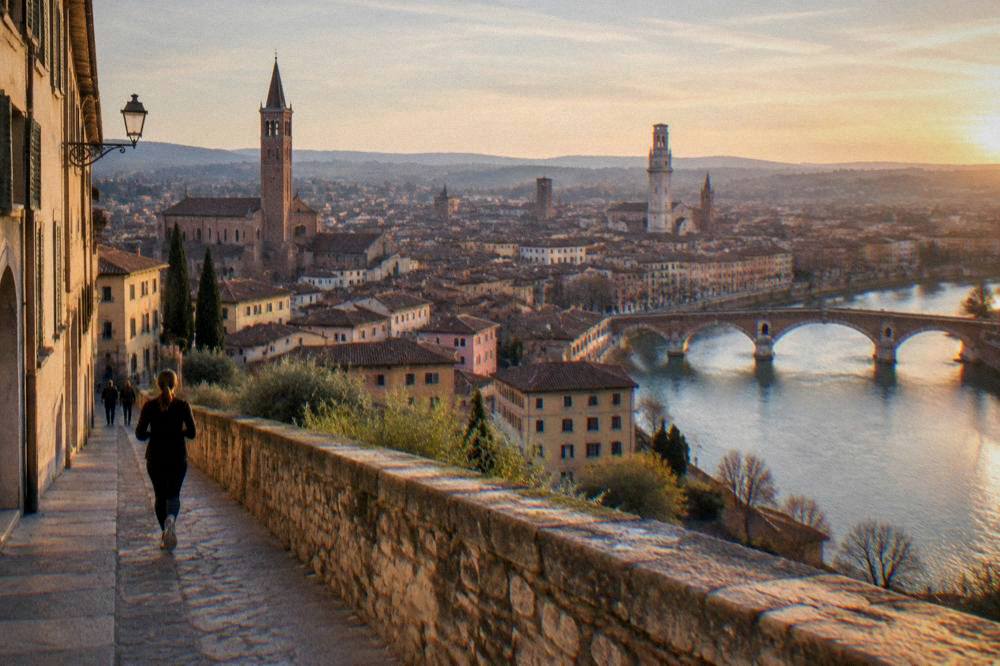
Beyond the first day, the station keeps paying off. The opera question, including what an evening at the Arena actually involves, from the reported 21:00-ish starts to the small-backpack rule, has its own Verona Opera Festival guide, and seating gets a dedicated page in Arena di Verona seating. For the deeper curiosities, the amphitheatre's age against Rome's Colosseum is answered at is the Verona Arena older than the Colosseum, its capacity at how many people can the Arena di Verona seat, and its gladiatorial past at did gladiators fight in the Verona Arena. The whole sight list, station-adjacent and beyond, runs through things to do in Verona, the root guide this Verona Italy Travel Guide site hangs from.
Arriving by rail remains the simplest way into this city: no ZTL bookings, no parking search, and a fare structure of which exactly two numbers, the 1.50 euro urban single and the reported 7 euro Aerobus, are printed with confidence anywhere on this site. Everything else you confirm at the ticket window, on ATV's pages, or with the operator's live listing before you travel.
Common Questions About Verona Train Station
Which station do trains arrive at in Verona?
Trains arrive at Verona Porta Nuova, the city's main station, just south of the historic centre. Reported direct times include 58 to 75 minutes from Venice Mestre and 1 hour 15 to 1 hour 50 from Milano Centrale; confirm timings with the operator at booking.
How do I get from Verona Porta Nuova to the Arena?
Ride an ATV urban bus on the 1.50 euro single, valid 90 minutes, or walk north from the station toward Piazza Bra, where the Arena stands. No minute count for the exact walk appears in the sources; confirm locally on arrival.
How much is the bus in Verona?
The ATV urban single costs 1.50 euro and is valid 90 minutes, per ATV's own ticketing page. Day and network pass prices are not printed on this site: check with ATV before travelling.
Is there luggage storage at Verona Porta Nuova?
No luggage-storage operator, fee or position at the station is named here. Ask at the station services on arrival, or check the operator's listing before booking.
How far is Verona station from Lake Garda?
Verona is inland on the Adige; the lake towns are day trips. Computed free-flow drive times from the Arena are about 37 minutes to Bardolino, 40 to Sirmione, 42 to Garda and 84 to Malcesine, and regional trains plus the reported ATV line 164 bus also serve the lake.
Can I visit the Arena on the day I arrive by train?
Yes. The Arena can be visited by day for 12 euro full, 9 euro reduced, with reported hours of Tuesday to Sunday about 9:00 to 19:00, closed Monday, and earlier closing on show days; check the Arena's own ticket page before booking your slot.