Rome To Verona: Train, Flight Or Bus
Verona, in Veneto in northern Italy, is an inland city on the Adige river famous for its Roman Arena and the Romeo and Juliet legend, and the journey north from Rome can be made by train, plane, bus or car. Here is what the sources actually say about each option.
Short answer
The train from Rome to Verona Porta Nuova is reported at about 3 to 3 hours 30 direct; flights land at Verona Villafranca (VRN), about 26 minutes by road from the Arena. The train is the option with the clearest reported figures.
Verona sits in Veneto, in northern Italy, an inland city on the Adige river wrapped around a first-century Roman amphitheatre and the Romeo and Juliet legend. Travellers coming from Rome, whether for the Arena opera season, the Valpolicella wine hills or a stop on a longer northern Italy route, have four broad ways to make the journey north: high-speed train, a flight into Verona Villafranca, a long-distance bus, or a self-driven car. The reported figures for each differ a lot in how well documented they are, and this guide sticks to what the sources support, with the uncertain parts flagged for you to confirm before booking.
How Long Does The Train From Rome To Verona Take?
The train from Rome to Verona is reported at about 3 hours to 3 hours 30 on direct services, arriving at Verona Porta Nuova station, and that figure comes from live-search train data rather than an operator timetable published here, so confirm exact times when you book. No ticket fare for the route appears in the sources used for this guide, so none is quoted, and none should be assumed from other Italian routes.
That reported range covers the direct high-speed run. The sources behind this page attribute the figure to aggregator and operator-linked searches, and they attach no frequency claim, so this guide does not promise a set number of departures a day. What the sources do support is the arrival point: every train into Verona uses Porta Nuova, the city's main station, which sits south of the historic centre inside the Adige loop's wider bowl. Once you step out of the station, the old town is close enough that walking is realistic for the main sights, and the urban ATV bus network covers the rest, with a single ticket at 1.50 euro valid 90 minutes per the ATV site. For a fuller treatment of the station itself, see the Verona Porta Nuova station guide, and for the wider rail picture from every direction, the how to get to Verona overview.
A train journey of this length rewards a little planning. The reported Rome run is long enough that a reserved seat on a high-speed service matters more than a marginal timing difference, and the sources note only that services on the northern corridors are a mix of high-speed and regional stock. Weather at either end is rarely a factor for rail, but Verona's climate is continental: the ERA5 reanalysis, 1991-2020, puts the July mean daily high at 29.3 C and the January mean daily high at 7.3 C, so pack for the season rather than for a Mediterranean average. More detail is in the Verona weather guide and the best time to visit Verona page.
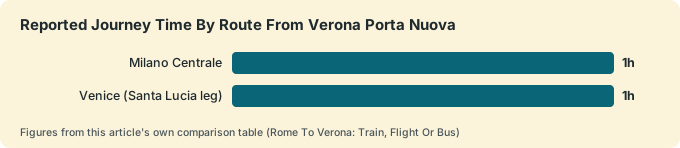
| Route from Verona Porta Nuova | Reported journey time | Status in the sources |
|---|---|---|
| Rome (direct high-speed) | about 3 hours to 3 hours 30 | Reported by train aggregators; confirm when booking |
| Milano Centrale | 1 hour 15 to 1 hour 50 | Reported |
| Venice Mestre | 58 to 75 minutes | Reported |
| Venice (Santa Lucia leg) | 1 hour to 1 hour 15 | Reported |
No fare appears for any of these routes on this page, and that is deliberate: the sources used here attach no price to a single one of them. Check the operators' own booking sites for live fares.
Rome To Verona By Train: What To Do When You Step Off At Porta Nuova
Porta Nuova is the single station all trains use, it lies a short distance south of the historic centre, and the first practical decision on arrival is usually whether to walk, take an ATV urban bus at 1.50 euro for 90 minutes, or pick up a transfer, because the old town's restricted traffic zone makes driving in unattractive for anyone without a hotel plate registration.
The station district has its own character, and this guide does not detail luggage storage there because the sources found no operator, fee or position. What is documented is the bus fare above, shown on ATV's own ticketing page, and the layout of the city: the historic centre sits inside a loop of the Adige, with Piazza Bra and the Arena as the natural first landmark. Verona's old centre is a camera-policed limited traffic zone, the ZTL, where non-residents are capped at four entries a month under a booking system with set time windows, and hotel guests can enter free if the hotel registers their plate with the authorities. That is a car-rental question more than a train question, but it explains why arriving by rail and finishing on foot or by bus is the pattern the city itself is built around. The getting around Verona guide covers the buses, and the Verona ZTL and parking page covers the rules in full.
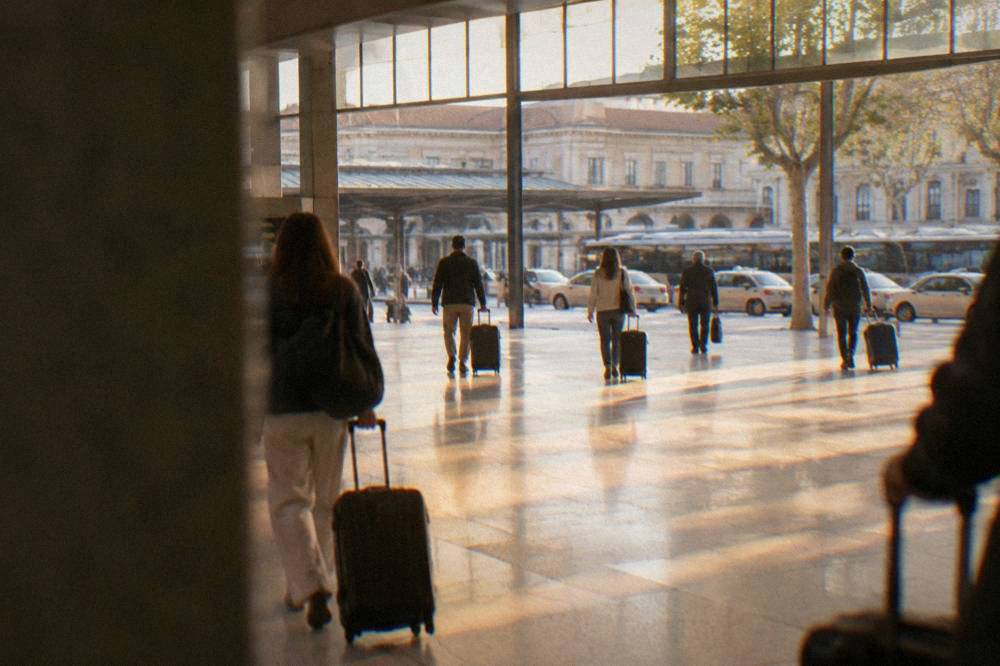
A first afternoon in Verona after the train fits a small circuit. The Arena can be visited by day, at 12 euro full price or 9 euro reduced per the Comune di Verona's own price list, with reported hours of Tuesday to Sunday and closure on Mondays. Juliet's courtyard has been ticketed since 1 April 2026, at 5 euro for the courtyard route or 12 euro for the house and balcony, booked online, with entry via Teatro Nuovo. Piazza Bra, Piazza delle Erbe and Ponte Pietra are open and free. For a structured introduction, a guided walk or a city card that bundles the civic museums is a reasonable shortcut, and the picks below are the ones this site carries for exactly that purpose.
Is Flying From Rome To Verona Worth It?
Flights from Rome land at Verona Villafranca (VRN), which is 16.4 km and about 26 minutes by road from the Arena, figures computed over OpenStreetMap routing in free-flow conditions rather than a live timetable, and the airport's Aerobus connection, ATV's line 199, is reported at about 15 minutes and 7 euro one way with departures every 20 minutes at peak and every 40 off-peak, so confirm current times with ATV before you fly.
Whether the flight beats the train depends on door-to-door time, and this guide declines to guess at that because the sources give no Rome flight duration and no flight frequency. What they do give is the ground side in full. The Aerobus runs roughly from 5:15 to 23:10, the reported ticket is valid 75 minutes on urban buses too, and the fare is 7 euro one way, all attributed to ATV and the airport's own pages and all worth re-checking at booking time. No taxi fare from VRN to the centre appears in the sources. Bergamo Orio al Serio and Venice Marco Polo, the two airports travellers sometimes route through for the Veneto, are both about 105 km in a straight line from the centre, and no transfer time or fare for either appears in the sources, so this page offers none. The Verona airport to city centre guide carries the full transfer detail.
| Ground transfer at VRN | Reported figure | Attribution |
|---|---|---|
| Road distance to the Arena | 16.4 km, about 26 minutes | Computed over OSM routing, free-flow |
| Aerobus line 199 journey time | about 15 minutes | Reported by ATV |
| Aerobus fare | 7 euro one way | Reported by ATV |
| Aerobus frequency | every 20 minutes peak, 40 off-peak | Reported by ATV |
| Aerobus operating span | about 5:15 to 23:10 | Reported by ATV |
| Taxi to centre | no verified fare found | Confirm locally |
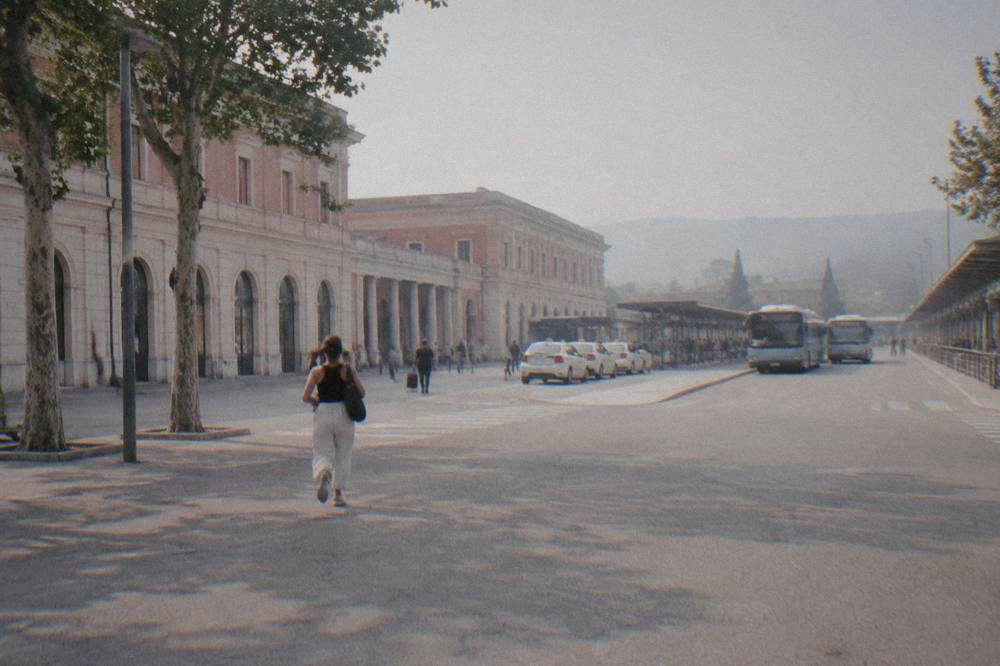
One airport-specific point matters for opera travellers. The Arena's 2026 season ran 5 June to 12 September, and the 2027 season is announced for 11 June to 11 September 2027, the 104th edition, per the Arena's own site. Summer flight capacity and opera demand rise together, and the ERA5 reanalysis, 1991-2020, puts the July mean daily high at 29.3 C, so an evening performance on the stone steps after a hot arrival day is the pattern the opera night in Verona guide prepares you for.
Can You Take A Bus Or Drive From Rome To Verona?
No long-distance bus time, fare or frequency between Rome and Verona appears in the sources used for this page, so this guide prints none and suggests confirming with the operators directly, and driving is possible but hinges on Verona's ZTL: the historic centre allows non-residents at most four entries a month on a booking, in set windows, and hotel guests enter free only if the hotel registers their plate.
The silence on the bus is not an opinion about buses. It is a gap in what the sources support, and the site's rule is to leave a missing figure out rather than estimate it. Rome to Verona by road is roughly the length of the country's spine, and the pack gives no drive time for that route, so none is stated. What the pack does give, computed over OSM routing in free-flow conditions, is the ring of day-trip drive times once you are based in Verona, which is where a hire car starts to pay for itself. The Verona car rental and driving guide walks through the ZTL paperwork, and the Milan to Verona and Bologna to Verona pages cover the two road-and-rail corridors travellers pair with the Rome leg.
| Destination from central Verona | Drive time | Distance by road |
|---|---|---|
| Valpolicella (Sant'Ambrogio) | about 25 minutes | about 21 km |
| Soave | about 33 minutes | about 33 km |
| Vicenza | about 48 minutes | about 65 km |
| Mantua | about 54 minutes | about 59 km |
| Padua | about 67 minutes | about 93 km |
| Venice | about 85 minutes | about 122 km |
| Verona Villafranca airport | about 26 minutes | about 16.4 km |
Those times are free-flow routing estimates, not timetables, and they belong to the journeys named and no others. Straight-line distances add context: Bologna is about 109 km and Brescia about 58 km from the centre, and Bergamo Orio al Serio and Venice Marco Polo airports both sit about 105 km away as the crow flies.
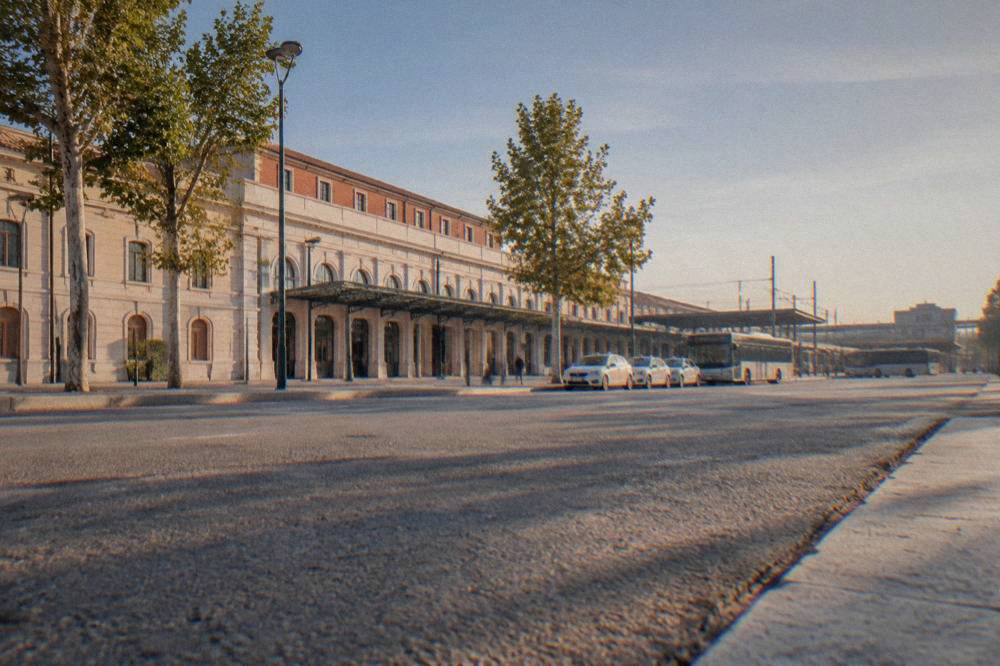
Train, Flight Or Bus From Rome: Which Suits Which Trip?
The train has the clearest reported figures, about 3 to 3 hours 30 direct into Porta Nuova, the flight has the clearest ground-side figures at VRN but no Rome flight time in these sources, and the bus has no supported time or fare at all, so the honest comparison is between a well-documented rail option and a flight whose value depends on door-to-door logistics you must check yourself.
A few trip shapes make the decision for you. Coming for opera, the train delivers you walking distance from Piazza Bra and an evening performance. Coming for the wine hills, the train plus a booked vineyard experience removes the need for a car entirely, and the Valpolicella zone is about 25 minutes by road from the Arena. Coming as part of a wider northern loop, the reported onward times from Porta Nuova, 58 to 75 minutes to Venice Mestre and 1 hour 15 to 1 hour 50 to Milano Centrale, make Verona a natural hinge, which is the argument the northern Italy itinerary guide threads through in reverse on the site's wider itinerary pages. Solo travellers and families will weigh the same figures differently, and the Verona with kids page covers the family angle for the days after arrival.
The related pick below is the vineyard experience this site features on transport pages, because the Valpolicella hills are the reason a lot of Rome-based travellers make the trip at all, and the operator's live listing carries the current price, rating and duration.
For travellers who want the civic museums bundled instead, the VeronaCard became digital on 1 September 2026, at 33 euro for 24 hours or 38 euro for 48 hours with ATV transport included, or 29 and 32 euro without, per the Comune di Verona's own notice, and the VeronaCard guide compares it against single tickets. The card does not include the Aerobus from the airport, so flyers should budget that separately.
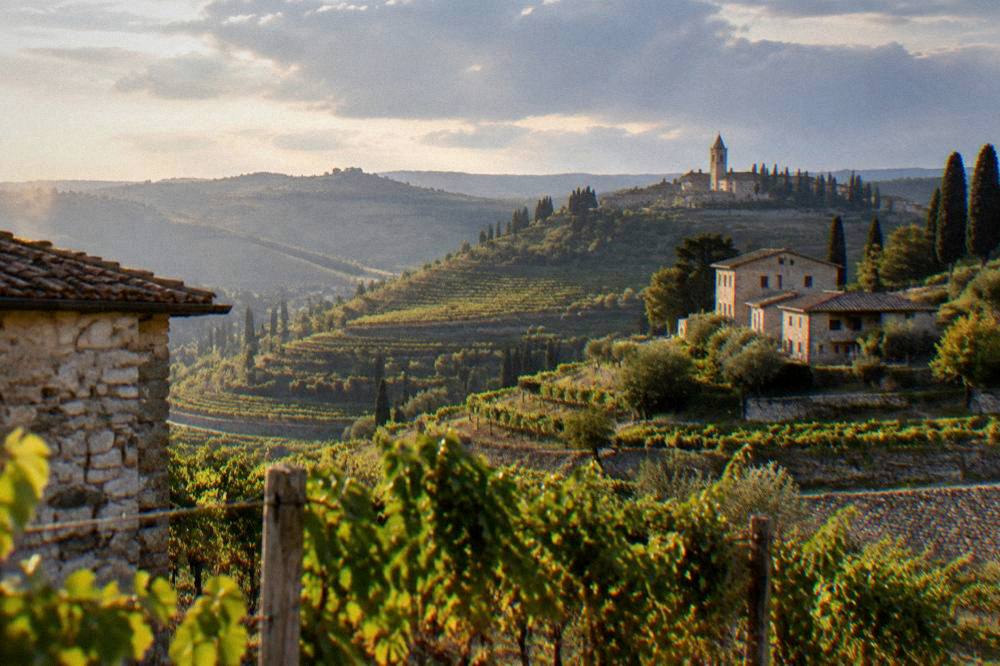
What Is Verona Like When You Arrive From Rome?
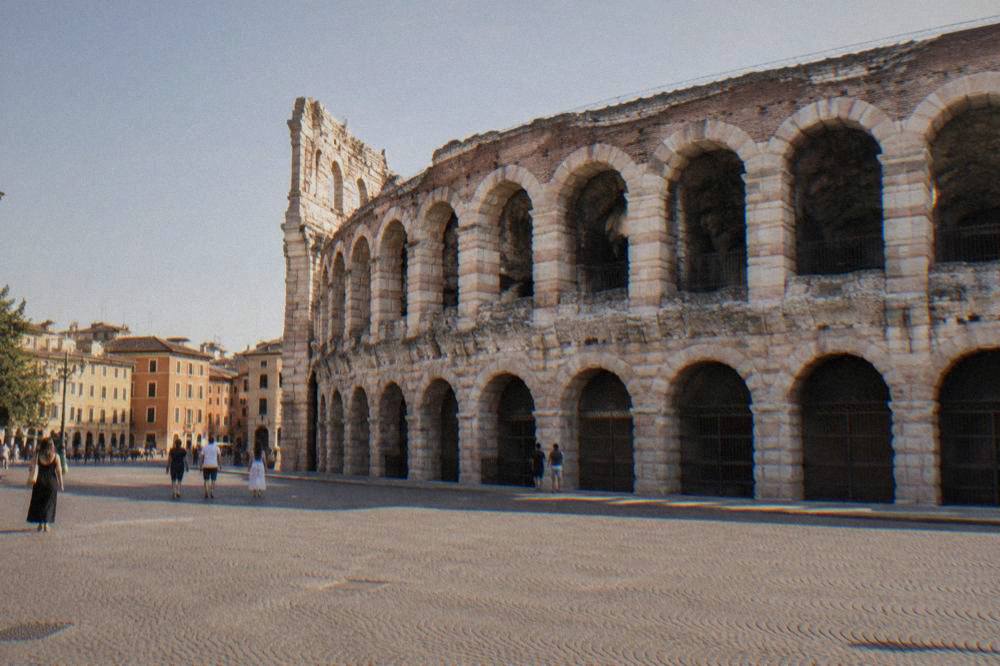
Verona is a UNESCO World Heritage city, inscribed in 2000, built around an Arena the Arena's own site dates to about 30 AD with a reported 30,000 effective opera seats today, and the shift from Rome is one of scale and register: a compact inland city of about rose-pink stone where the reported Arena, Juliet's House and the old squares are all reachable on foot from Piazza Bra.
The Arena's history layers are worth the wording care. The Arena's own site gives the about-30-AD origin, the reported 30,000 effective seats for opera, and the outer ring's destruction in the 1117 earthquake, all attributed to that source and best treated as its account. Juliet's balcony is not original: it was added in 1940, per the Comune di Verona's tourism pages, and the bronze statue in the courtyard is Nereo Costantini's, placed there in 1972. These details are the spine of the Arena di Verona and Casa di Giulietta guides, and they matter here only because the first hours after a Rome train are usually spent at exactly these two places.
| Verona sight | Entry figure | Who says it |
|---|---|---|
| Arena daytime visit | 12 euro full, 9 reduced, 3 euro for 18-25 | Comune di Verona price list |
| Casa di Giulietta | 5 euro courtyard, 12 euro house and balcony, online booking | VisitVerona official notice |
| VeronaCard 24h | 33 euro with ATV transport, 29 without | Comune di Verona notice |
| VeronaCard 48h | 38 euro with ATV transport, 32 without | Comune di Verona notice |
| ATV urban bus single | 1.50 euro, 90 minutes | ATV ticketing page |
Eating is the other arrival ritual. The city's traditional plates, pastissada de caval, risotto all'Amarone, bollito with pearà and gnocchi, are covered in the what to eat in Verona guide, and the wine behind the risotto, Amarone from the Valpolicella DOCG zone, has its own Amarone wine page. Pandoro, the city's Christmas cake, is the native sweet, and its story sits at pandoro.
Day Trips From Verona Once The Rome Leg Is Done
Lake Garda is the headline day trip and it is not in Verona: the lake towns are 22 to 39 km west, with computed drive times of about 37 minutes to Bardolino, 40 to Sirmione, 42 to Garda and 84 to Malcesine, and the ATV line 164 bus is reported at about 55 minutes direct to Sirmione, hourly, though its fare was not confirmed in the sources.
Sirmione is in Brescia province, Lombardy, not Verona province, and the town of Garda is not Riva del Garda, which is 51 km away in Trentino: the sources flag both as common confusions. The lake's ferry operator, Navigazione Laghi, sells a full-lake day pass at 39.50 euro for an adult on its 2026 rates, and the north-south passenger service is reported suspended from 2 November 2026 to 12 March 2027, so shoulder-season ferry planning needs the current timetable. The Monte Baldo cable car from Malcesine is 30 euro round trip for an adult, 28 online, per the operator's own fares page. The Lake Garda and Sirmione guides carry the full picture, and the Venice day trip page handles the most popular non-lake option, a reported 1 hour to 1 hour 15 by train from Porta Nuova.
| Lake Garda town from Verona | Computed drive time |
|---|---|
| Bardolino | about 37 minutes |
| Sirmione | about 40 minutes |
| Garda | about 42 minutes |
| Malcesine | about 84 minutes |
Wine-country day trips need no car if you book an experience with transport. Beyond the featured vineyard visit, the picks below cover the city-card and Arena-plus-cable-car angles, and all prices, ratings and durations render from the operators' live listings rather than being typed here.
Where To Stay In Verona After The Journey North
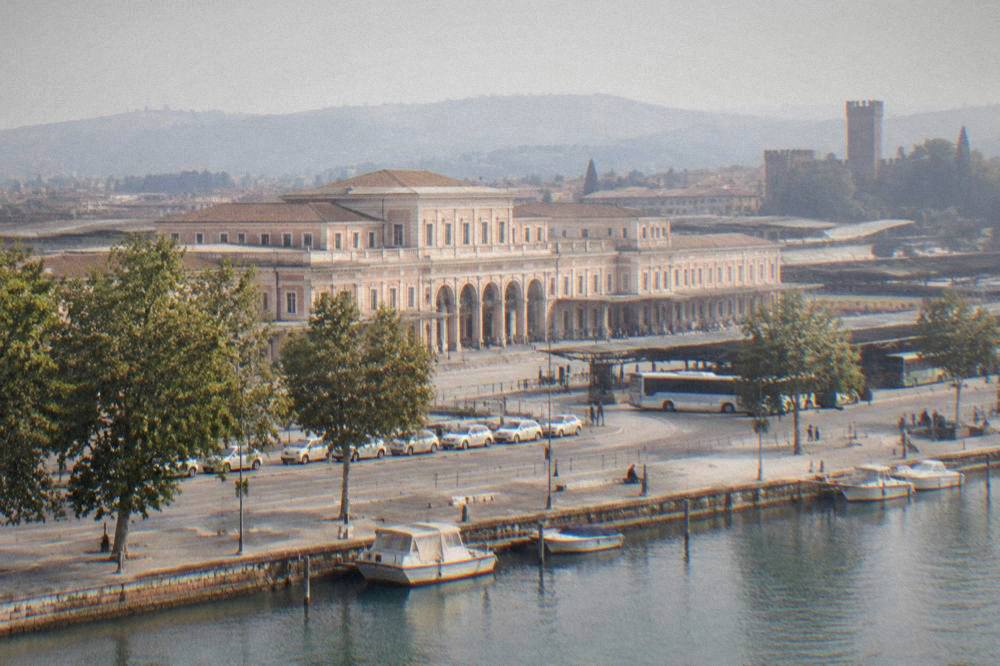
Verona's accommodation is spread between the historic centre inside the Adige loop and the quieter districts around it, the tourist tax is collected by the accommodation and capped at four nights per person per month, and no per-night hotel rate appears in the sources for this page, so the honest advice is to compare areas first and check live rates at booking time.
The where to stay in Verona guide maps the districts, and the Verona in one day and Verona in two days pages pace the visit once the bed is sorted. Staying inside the ZTL as a hotel guest carries the plate-registration benefit described above; staying outside it removes the driving question entirely and suits train arrivals from Rome well. Seasonal demand peaks with the Arena opera season and events like Vinitaly, announced for 11 to 14 April 2027, so shoulder-season dates outside those windows are where the best time to visit page points value-seekers.
One practical footnote closes the arrival picture: the emergency number in Italy is 112, and the country is a Schengen member using the euro, so a Rome-to-Verona trip involves no border or currency change of any kind. More from this desk on the city is on the Verona Italy Travel Guide homepage, and the things to do in Verona roundup is the site's master list.
Common Questions About Rome To Verona Travel
How long is the train from Rome to Verona?
Reported at about 3 hours to 3 hours 30 on direct services into Verona Porta Nuova, per train-aggregator data. Confirm exact times on the operators' booking sites.
Which airport serves Verona?
Verona Villafranca (VRN), 16.4 km and about 26 minutes by road from the Arena. The Aerobus line 199 is reported at about 15 minutes and 7 euro one way, per ATV.
Can you fly from Rome to Verona?
The route exists in principle through VRN, but no Rome flight time or frequency appears in the sources for this page, so check live schedules before choosing flight over train.
Is there a bus from Rome to Verona?
No long-distance bus time, fare or frequency was found, so this guide prints none. Confirm directly with the operators.
Where do trains from Rome arrive in Verona?
Verona Porta Nuova, south of the historic centre, with the old town reachable on foot or by the ATV urban bus at 1.50 euro for 90 minutes.
Is Verona close to Lake Garda?
Verona is inland on the Adige. The lake towns are 22 to 39 km west: about 37 minutes by road to Bardolino, 40 to Sirmione, 42 to Garda and 84 to Malcesine.