Bologna To Verona: Fastest Train And Fares
Bologna sits about 109 km south of Verona, and the two cities pair well on one northern Italian trip. This guide covers the ways to make the hop, what to expect on arrival at Verona Porta Nuova, and how to use the hours once you are there.
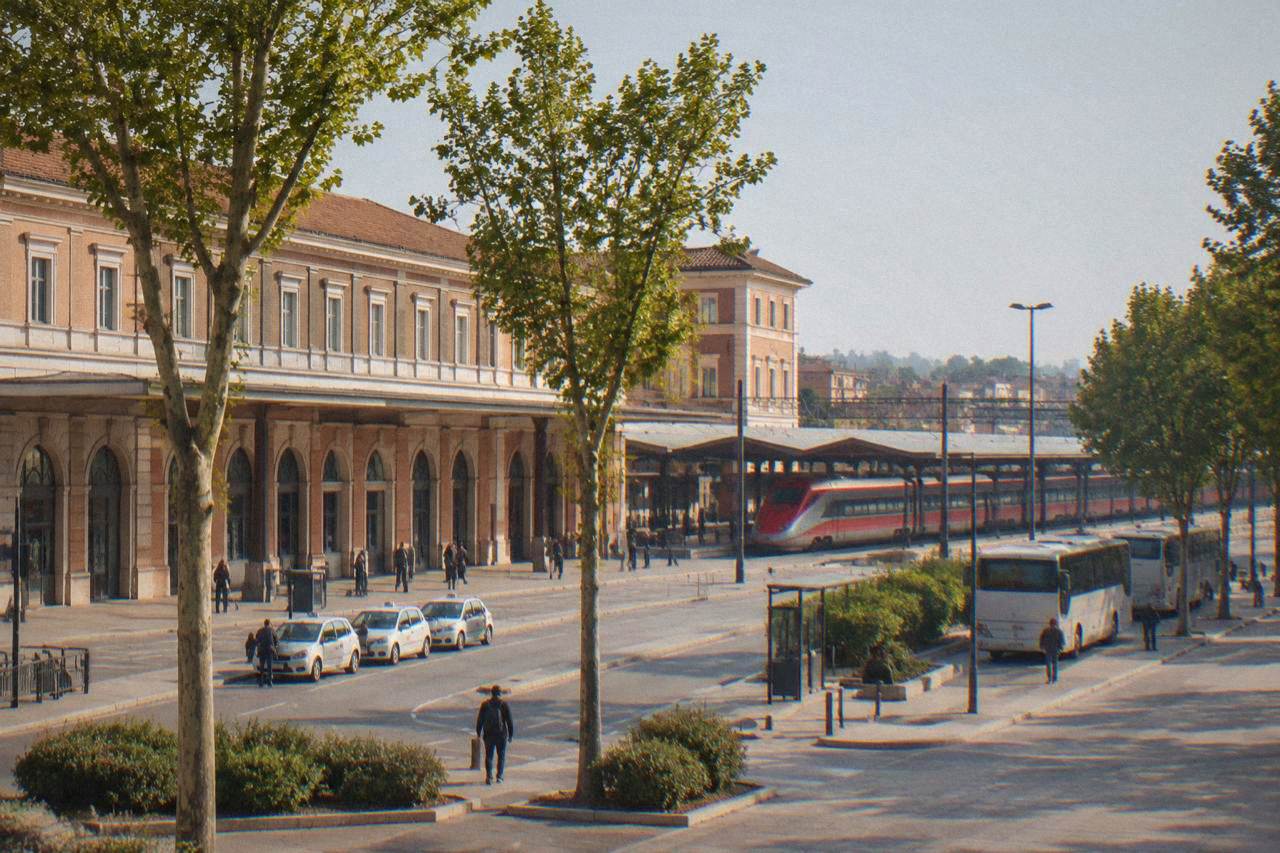
Short answer
Trains run from Bologna to Verona Porta Nuova, the station on the southern edge of Verona's historic centre, in well under two hours on the high-speed network; the exact duration and fare for your date are shown at booking. By road the straight-line distance is about 109 km. Verona itself is an inland city on the Adige in Veneto, not a Lake Garda town.
Bologna and Verona are two of northern Italy's most rewarding cities, and the gap between them is short: about 109 km by straight line from centre to centre. Bologna brings the food markets and the red-brick porticoes; Verona, in Veneto on the Adige river, brings a first-century Roman Arena, the Romeo and Juliet legend and the Valpolicella wine hills a short drive to the north. This page, from the Verona Italy Travel Guide editorial desk, lays out what the sources actually say about making the journey, and then what to do with the time on the Verona side, because the train is the easy part.
How Do You Get From Bologna To Verona?
The realistic options are train, car or an organised day trip, and the train is the one the sources support best: services arrive at Verona Porta Nuova, the city's main station, on the southern edge of the historic centre. The exact Bologna to Verona journey time and fare were not captured in reliable form, so check them at booking rather than trusting a rounded figure quoted anywhere online.
By road the straight-line distance is about 109 km, computed from mapping data, with no free-flow drive time published for this specific route.
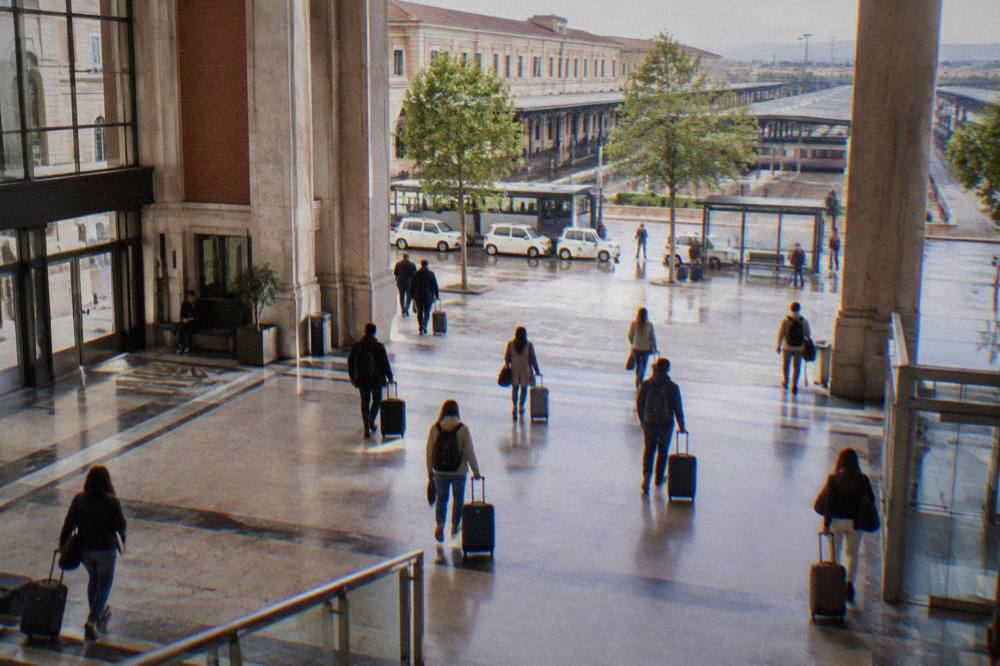
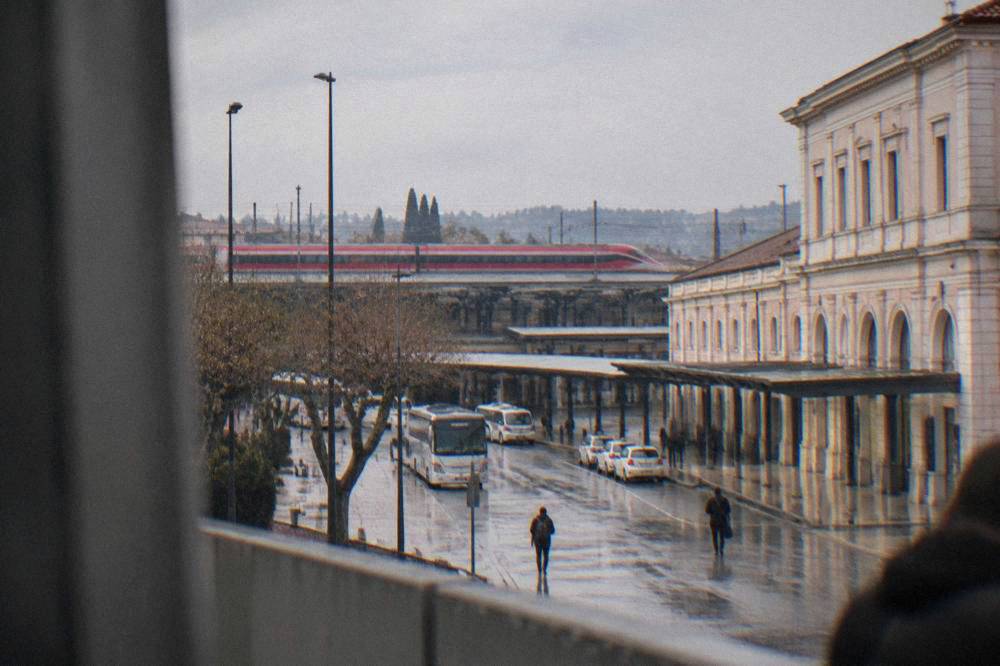
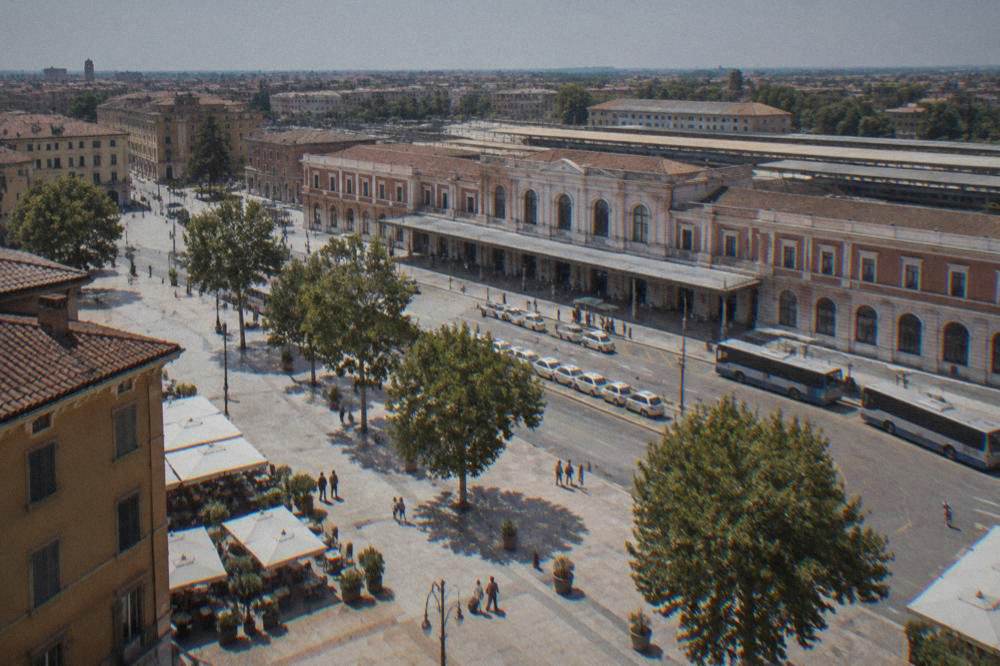
Both cities are firmly on the Italian rail network, and Verona Porta Nuova is the arrival point for every long-distance service, whether from Bologna, Milan, Venice or Rome. The station itself deserves a moment of planning: it sits about a 20 minute walk from Piazza Bra, or a short hop on the city's urban buses, where a single ticket costs 1.50 euro and is valid for 90 minutes according to ATV, the Verona transport authority. The details of the station and its connections are covered in the Verona Porta Nuova station guide.
Driving is the alternative, and it comes with one warning worth more than any timetable: Verona's historic centre is a camera-policed limited-traffic zone, the ZTL. Non-residents may enter at most four times a month, in booked windows, and hotel guests drive in free only if the hotel registers the plate with the city. This is confirmed on the Comune di Verona's own ZTL page. Park outside the centre and walk, or budget for the booking, but do not assume the satnav route into Piazza Bra is legal for a rental car. The wider picture, including what the ZTL windows actually are, is in the site's guide to reaching Verona.
A third option is to let someone else handle the day: several organised day trips run from one city to the other, and a Venice-and-Verona combination is a well-established product. If Verona is the destination and Bologna the base, or the reverse, the Bologna day trips page collects the options in the other direction.
What Is The Fastest Train From Bologna To Verona?
High-speed services on the Bologna to Verona corridor are the fastest published option, and every one of them terminates at Verona Porta Nuova; treat any specific minute figure you read elsewhere as unconfirmed until it appears on the operator's own booking page at the moment you buy.
Verona sits on the high-speed axis that also serves Milano Centrale in a reported 1 hour 15 to 1 hour 50 and Venice Mestre in a reported 58 to 75 minutes.
Those two reported ranges matter because they tell you what kind of railway Verona is on: a genuine high-speed node, not a branch line. The Milan and Venice times are reported figures from live search results, so confirm them against the operator's own site before planning connections. Rome is reported at about 3 to 3 hours 30 from Verona, which places the city comfortably within a same-day arrival from the capital. Bologna, being closer than all three, sits inside that web, but its specific duration is not one the sources behind this page captured, and inventing one is how bad travel guides are made.
What can be said firmly is the arrival experience. Porta Nuova is a terminus-style through station with urban buses outside, taxis, and a walkable distance to the centre. There is no luggage-storage operator, fee or position at the station, so if you are doing Verona as a stop between two trains, plan to travel light or confirm storage arrangements before you commit.
| Route from Verona Porta Nuova | Reported journey time | Source |
|---|---|---|
| Venice Mestre | 58 to 75 minutes | Reported, confirm at booking |
| Milano Centrale | 1 hour 15 to 1 hour 50 | Reported, confirm at booking |
| Rome | about 3 to 3 hours 30 | Reported, confirm at booking |
| Bologna | not captured in verified sources | confirm at booking |
The fare question answers itself the same way: no ticket price for any Verona rail route appears in the facts behind this page, and prices on the Italian high-speed network move with demand, class and how early you book. The number that matters is the one on the operator's own booking page on the day you buy it.
What Should You Do With Your First Hours In Verona?
Walk straight from Porta Nuova towards Piazza Bra and the Arena di Verona: the Arena can be visited by day for 12 euro full price, 9 euro reduced, with visitors aged 18 to 25 paying 3 euro, all confirmed on the Comune di Verona's own price list, and that single building does more to explain Verona than anything else you could do with an arrival afternoon.
Reported hours are Tuesday to Sunday, 9:00 to 19:00, closed Mondays, with early closing on opera show days, so check the calendar before you go.
The Arena is the reason Verona reads differently from Bologna. Reported as built around 30 AD, with an effective opera seating capacity today of 30,000 per the Arena's own site, it is a working amphitheatre in the middle of a living city, not a ruin on the edge of one. The outer ring was destroyed by the 1117 earthquake, which is why the Arena you see is a partial shell, and the same sources describe it as older than the Colosseum. Those historical figures are reported with attribution, per the Arena's own pages, and they are worth confirming if the dating matters to you.
From Piazza Bra the sensible spine runs through Piazza delle Erbe, up the Via Mazzini shopping street, and across to Juliet's House, and there the second 2026 trap waits for the unwary: since 1 April 2026 the courtyard is no longer free. The courtyard route costs 5 euro, the full house and balcony route 12 euro, booking is online, and entry is via the Teatro Nuovo, all confirmed by the city's own notice. The balcony itself is not original; it was added in 1940, as the tourism office's own history page reports.
| Sight | Admission | Source |
|---|---|---|
| Arena di Verona (day visit) | 12 euro full, 9 euro reduced, 3 euro ages 18 to 25 | Comune di Verona price list |
| Juliet's House courtyard route | 5 euro, online booking, from 1 April 2026 | City of Verona notice |
| Juliet's House full route | 12 euro | City of Verona notice |
| Piazza delle Erbe, Ponte Pietra, Porta Borsari | Free, open access | No admission applies |
For a first evening, two things convert well. The full things-to-do page is the site's master list. And if you want the city explained rather than merely seen, a small-group history walk covering highlights and hidden corners is one of the strongest products on this site's roster, with its price, rating and duration rendered live from the operator's listing.
Once the orientation is done, the evening options split by season. In summer the Arena Opera Festival is the headline: the 2026 season ran 5 June to 12 September, the longest in the festival's history, and the 2027 season is announced for 11 June to 11 September, both confirmed on the Arena's own site. Stone-step seats start in the EUR 30s, per the festival's rates page, with exact sector pricing there to check. The site's opera festival guide goes deeper.
Is A Day Trip From Bologna To Verona Worth It?
A day trip works, but it is a choice between breadth and depth: Verona's core sights, the Arena, Juliet's House, Piazza delle Erbe and Ponte Pietra, sit within a compact walkable centre, so a single well-run day delivers the outline of the city, while two days are what the itineraries on this site are built around.
The train corridor makes the day possible, and the compactness makes it enjoyable; the trade-off is that Lake Garda, the Valpolicella hills and the opera season all effectively drop off a one-day plan.
The honest framing is distance. Sirmione is about 40 minutes by road from the Arena, Bardolino about 37, Malcesine about 84, and the Valpolicella wine hills about 25, all computed over free-flow routing. None of those fits comfortably inside a day that already includes a rail leg from Bologna and back. What does fit: the historic centre, a museum or two, and a long dinner. The site's one day in Verona itinerary is built exactly for this case, and the how many days question is answered at length there.
If the day trip is tempting but the train-back deadline feels tight, an evening product that starts late solves it neatly. An opera concert in a Verona palace with a glass of prosecco is exactly that kind of evening, and its price and rating render from the live listing.
Verona Or Bologna: Which City Should Get More Time?
That is a question of what the trip is for, and the site answers it in detail on the comparison page: Bologna is the food-and-university city with the porticoes and the markets, while Verona is the Roman-amphitheatre-and-Shakespeare city with a UNESCO World Heritage listing inscribed in 2000, and the two pair rather than compete.
Any claim that one is nicer than the other is a matter of taste, and this desk prints none of it; what the facts support is that they are about 109 km apart and complementary.
The comparison page, Verona or Bologna: which is nicer, works through the question properly. What belongs here is the practical half. Verona's climate, per the ERA5 reanalysis for 1991 to 2020, runs from a January mean of 3.1 C to July mean highs of 29.3 C, with November the wettest month at 118.2 mm of rain. Bologna's climate is similar in character, continental and humid, so the season argument between the two cities is close to a wash. The best time to visit guide has the month-by-month version.
| Month | Mean high C | Mean low C | Rain mm |
|---|---|---|---|
| January | 7.3 | -0.4 | 52.3 |
| April | 17.8 | 7.6 | 93.5 |
| July | 29.3 | 19.1 | 79.4 |
| October | 18.1 | 10.5 | 107.2 |
| November | 12.3 | 5.3 | 118.2 |
ERA5 reanalysis, 1991 to 2020; modelled normals, not a weather-station record.
Where Should You Stay When You Arrive From Bologna?
Stay inside the historic centre or just across the Adige from it: the centre is compact and walkable, the ZTL keeps traffic low, and the area between Piazza Bra, Piazza delle Erbe and the river suits first-time visitors well, with Veronetta and San Zeno as the quieter alternatives.
The tourist tax exists, is collected by the accommodation, and is capped at four nights per person per month; rates are tiered by category.
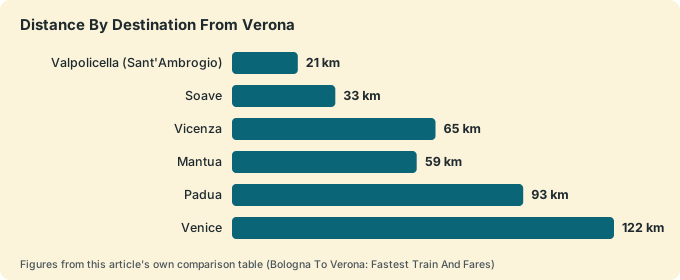
The where to stay guide covers the neighbourhoods properly. Two practical notes belong in any arrival context. First, if you drove from Bologna, the hotel's plate registration is the difference between free ZTL access and a fine, and it works for hotels, not for short-term rental apartments. Second, if Verona is a base for a wider trip, the day-trip geometry from the city is excellent, with short driving times to nearby destinations.
| Destination from Verona | Drive time | Distance |
|---|---|---|
| Valpolicella (Sant'Ambrogio) | about 25 minutes | 21 km |
| Soave | about 33 minutes | 33 km |
| Vicenza | about 48 minutes | 65 km |
| Mantua | about 54 minutes | 59 km |
| Padua | about 67 minutes | 93 km |
| Venice | about 85 minutes | 122 km |
| Sirmione | about 40 minutes | not printed |
| Malcesine | about 84 minutes | not printed |
Drive times are computed over open-street-map routing, free-flow conditions, not a timetable promise.
What Should You Eat In Verona After A Bologna Trip?
Verona's kitchen stands on its own: risotto all'Amarone, made with Vialone Nano rice and the local Valpolicella wine, pastissada de caval, bollito with pearà sauce, and gnocchi, with pandoro, the Verona-born Christmas cake, as the sweet anchor, all documented as traditional Veronese dishes in the sources behind this page. Bologna's reputation for food is real, but it is a different repertoire, and arriving by train from one to the other is one of the better eating moves available in northern Italy.
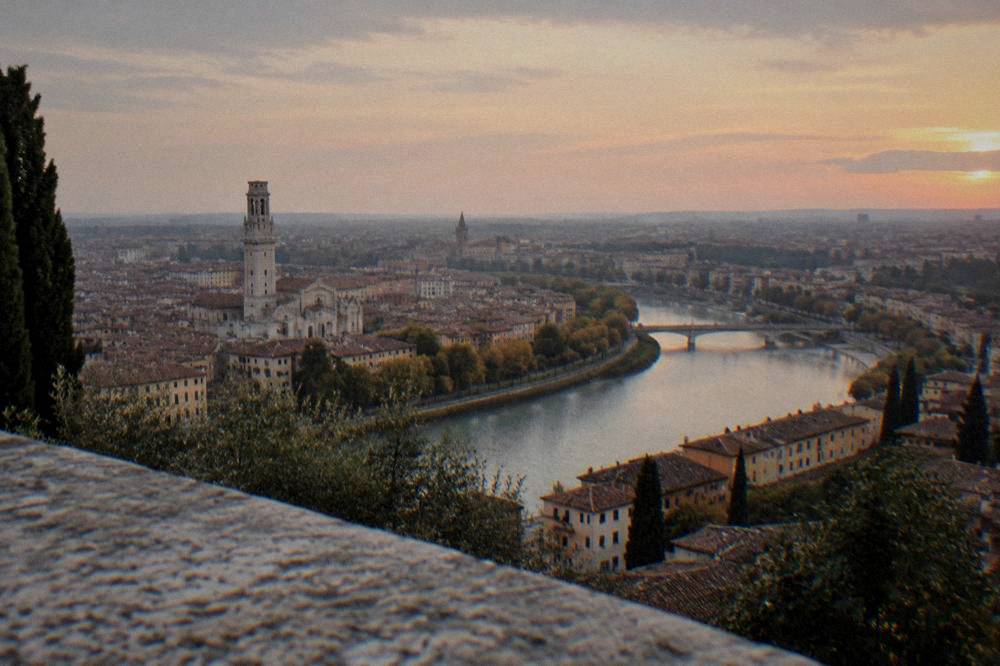
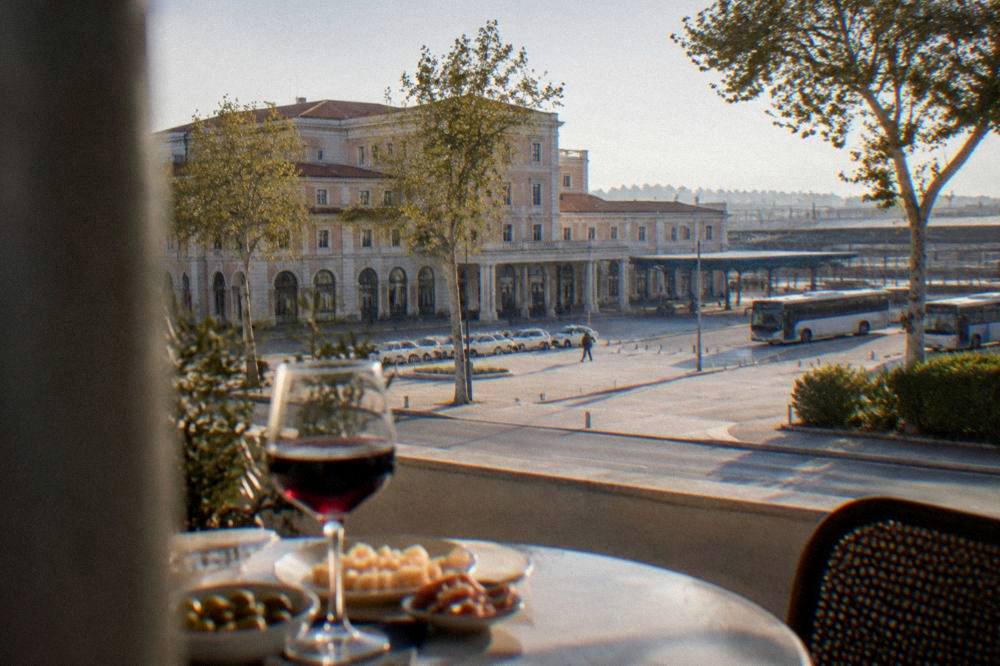
The what to eat in Verona guide works through the dishes, and the pandoro page tells the story of the city's own leavened Christmas cake. The wine side is the part Bologna genuinely cannot copy: Valpolicella, with Amarone as its flagship made from dried Corvina, Corvinone and Rondinella grapes, lies about 25 minutes by road from the Arena. A tasting with snacks and a panoramic view over the city is this site's featured way to meet those wines without leaving town; the tour page has the details, and Check availability shows the live price.
For travellers who want the vineyards themselves, the Valpolicella wine tour page covers the hill towns of Negrar, Fumane and Sant'Ambrogio and the practicalities of reaching them, so plan to confirm details directly with producers.
Is The VeronaCard Worth It On A Short Trip From Bologna?
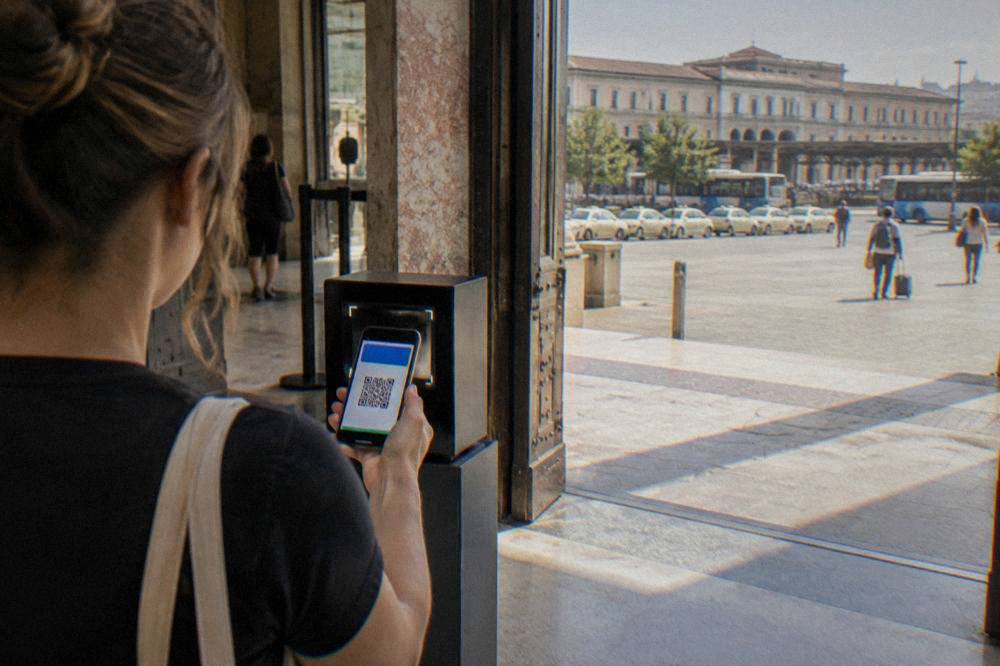
The VeronaCard became digital on 1 September 2026 and costs 33 euro for 24 hours or 38 euro for 48 hours with ATV urban transport included, or 29 and 32 euro without transport, figures confirmed on the Comune di Verona's own notice; whether it pays for itself depends on how many civic sights you stack into the window.
The card's mechanics matter more than the arithmetic. It is valid from first use, not from purchase. It does not include the Aerobus from the airport, which is irrelevant on a Bologna arrival but worth knowing. And Juliet's House still requires an online booking even for card holders, per the same city notice. Old paper cards remain valid until 31 March 2027. The full breakdown is on the VeronaCard guide.
| VeronaCard type | With ATV transport | Without transport |
|---|---|---|
| 24 hours | 33 euro | 29 euro |
| 48 hours | 38 euro | 32 euro |
Can You Combine Bologna, Verona And Lake Garda On One Trip?
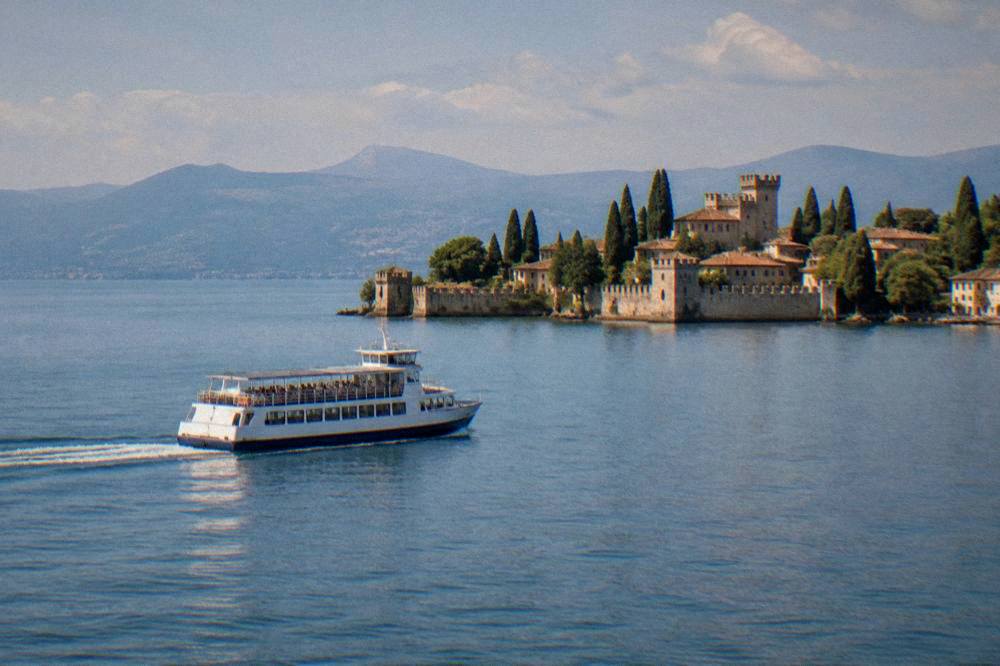
Yes, and the geometry is the argument: Bologna lies about 109 km south of Verona by straight line, the Lake Garda towns of Sirmione, Bardolino, Garda and Malcesine sit 22 to 39 km west of the city, and the Valpolicella hills start about 25 minutes by road from the Arena, so a single base in Verona can serve both the Bologna leg and the lake leg without changing hotels. Verona itself is inland, on the Adige, and is not a lakeside town, whatever a brochure implies.
The lake deserves its own planning, not a rushed afternoon. Sirmione, with its Scaliger castle reported at 10 euro full and the Grotte di Catullo at 10 euro, is the classic first stop, reached by the ATV 164 bus in a reported 55 minutes direct from Porta Nuova. The Monte Baldo cable car from Malcesine costs 30 euro round trip for an adult, 28 bought online, according to the operator's own fares page. The Navigazione Laghi full-lake day pass is 39.50 euro for an adult in 2026, with the north-south passenger service suspended from 2 November 2026 to 12 March 2027, per the reported timetable. The Lake Garda guide and the Verona and Lake Garda itinerary carry the detail.
Common Questions About Bologna To Verona
How far is Bologna from Verona?
About 109 km by straight line from centre to centre, a computed figure. The rail route is on the high-speed corridor that also serves Milan and Venice from Verona Porta Nuova; check the exact Bologna journey time at booking.
Do trains from Bologna arrive in central Verona?
Yes. Long-distance services arrive at Verona Porta Nuova, the city's main station, on the southern edge of the historic centre, roughly a 20 minute walk from Piazza Bra or one urban bus ride at 1.50 euro for a 90-minute single, per ATV's published fare.
Can you do Bologna to Verona as a day trip?
Yes, and it works because Verona's core sights sit in a compact walkable centre. The trade-off is depth: Lake Garda, Valpolicella and an opera evening at the Arena each want more than the leftover hours of a rail day. The site's one-day itinerary is built for exactly this case.
Is Verona worth visiting if you have already seen Bologna?
The two cities do not overlap much. Bologna's identity is food, porticoes and the university; Verona brings a Roman Arena visited by day for 12 euro, the Juliet legend, a UNESCO listing inscribed in 2000 and the Valpolicella wine hills nearby. The comparison page works through the trade-offs.
Is Juliet's courtyard still free in Verona?
No. Since 1 April 2026 the courtyard route costs 5 euro and the full house and balcony route 12 euro, with online booking and entry via the Teatro Nuovo, per the city's own notice. VeronaCard holders still need to book Juliet's House online.
Does the VeronaCard include the train from Bologna?
No. The VeronaCard covers civic museums, churches and, on the transport versions, ATV urban buses within Verona. It does not include rail travel or the airport Aerobus, per the Comune di Verona's notice on the digital card.