Amarone Wine: What It Is And Where To Taste It
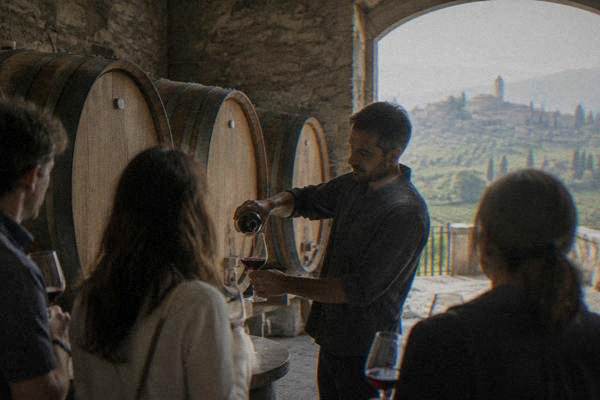
Amarone della Valpolicella is the dried-grape red made in the hills north of Verona, in Veneto, and it is one of the reasons wine travellers base themselves in the city. This guide explains what it is, how it is made, where to taste it and how to reach the Valpolicella hills.
Short answer
Amarone is a strong, dry red DOCG made from Corvina, Corvinone and Rondinella grapes dried for months before fermentation in the Valpolicella hills about 25 minutes' drive north of Verona.
Amarone della Valpolicella is the dried-grape red wine of the hills immediately north of Verona, the Roman-built city in Veneto, northern Italy, that sits inland on the Adige river. The consorzio material for the denomination describes it as made principally from Corvina, Corvinone and Rondinella, grapes that are left to dry after harvest and pressed months later, a method that concentrates sugar, colour and aroma into a wine with unusual weight and warmth for northern Italy. The Valpolicella zone itself starts barely outside the city: about 25 minutes and 21 km by road from the Arena, per routing computed over OpenStreetMap. Verona is therefore the natural base for tasting it, and this guide covers what the wine is, how it is made, where to drink it in the city and how to plan a day in the hills. For the wider picture of local bottles, see the companion guide to Verona wine.
What Is Amarone Wine And Why Does It Belong To Verona?
Amarone della Valpolicella is a dry, strongly structured red wine with DOCG status, produced in the Valpolicella hills just north of Verona in Veneto, from grapes that are dried before pressing rather than fermented fresh. The denomination's own material names Corvina, Corvinone and Rondinella as the principal varieties, and the wine takes its name from the Italian word for bitter, amaro, because it emerged as the dry counterpart to the sweet Recioto made by the same drying method.
The geography matters more here than with wines from a distant region. Valpolicella is not a long drive into the countryside, it is practically a suburb with vines: about 25 minutes by road from the Arena in the historic centre, in free-flow conditions computed over OpenStreetMap routing. A traveller staying anywhere in Verona, whether near Piazza Bra or across the river in Veronetta, can be standing in a Valpolicella vineyard within the hour without ever leaving the orbit of the city. That proximity is the reason the Valpolicella wine tour is one of the most-booked experiences on this site.
The denominazione system gives the wine its legal identity. DOCG, Denominazione di Origine Controllata e Garantita, is the top tier of Italian wine classification, and it attaches rules on grape share, yield, drying and ageing to every bottle labelled Amarone. Soave, by contrast, is a separate DOCG east of Verona making white wine from Garganega, a different zone, a different colour and a different grape, covered in the Soave day trip guide.
It also helps to know what Amarone is not. It is not Valpolicella, the lighter fresh red from the same zone, and it is not Ripasso, the middle style in which a basic Valpolicella is re-passed over the dried skins left over from an Amarone fermentation. The three wines share grapes and territory but sit at very different weights, which is why a tasting flight in Valpolicella usually pours them side by side.
How Is Amarone Made? The Appassimento Method Explained
Appassimento is the drying process that defines Amarone: after the September harvest the grapes are laid out in well-ventilated rooms, traditionally on straw mats or wooden racks, and left to shrivel for roughly three to four months before pressing, losing a large share of their water content so that the remaining must is concentrated in sugar, acid, colour and aroma compounds.
The sequence runs against the intuition of most wine regions, where speed from vine to vat is the norm. In Valpolicella the delay is the point. Grapes picked healthy and ripe are set out in the fruttaio, the drying loft, through the autumn and into the winter. The cool, dry air moving through the lofts, helped in modern cellars by fans and humidity control, rots nothing and shrivels everything. By the time the dried grapes are pressed, typically in the coolest months, the must is dense enough to ferment slowly into a wine of high alcohol and deep extract, then age in large oak casks for years before release.
| Step | What Happens | Why It Matters For The Wine |
|---|---|---|
| Harvest | Corvina, Corvinone and Rondinella picked by hand, usually in September | Whole, unbroken bunches are needed for drying, so machine picking does not suit the method |
| Drying (appassimento) | Bunches rest on racks or mats in ventilated lofts for months | Water evaporates and flavours concentrate, the source of Amarone's weight |
| Pressing | Dried grapes crushed in winter, months after harvest | The cold-season start makes a slow fermentation in concentrated must |
| Fermentation | Slow conversion to dry wine, with Recioto the sweet alternative if fermentation stops early | Dryness is the dividing line between Amarone and sweet Recioto |
| Ageing | Years in large oak casks before bottling | Softens tannin and marries the concentrated fruit with wood spice |
The historical accident behind the name is worth retelling because visitors hear it in nearly every cellar. The sweet Recioto was the traditional prize of the zone, and a batch that kept fermenting past sweetness turned out dry and, to the palates of the time, bitter: amaro. That "big bitter one", l'Amarone, went from flaw to flagship as tastes changed. The Consorzio per la Tutela dei Vini Valpolicella, the zone's protection body, reports the grape and method details summarised above; the precise rules on percentages and minimum ageing sit with the denominazione documents, so confirm current production rules with the consorzio before relying on a number.
The same dried grapes also explain Ripasso and Recioto, the two wines you will taste alongside any Amarone. Nothing in the loft is wasted: the pressed skins of an Amarone can be reused to enrich a second wine, and a fermentation arrested early leaves the wine sweet. A cellar visit that pours all three is effectively a lesson in the method in three glasses.
Tasting the family of wines with a guide, rather than guessing alone in an enoteca, is where the region's organised experiences earn their place. The trio below pairs a half-day guided tour into the hills with two tastings you can take without leaving Verona.
Where Can You Taste Amarone Without Leaving Verona?
You can taste Amarone inside Verona at wine bars and enoteche around the historic centre, at seated tastings with a view over the city, and on food-and-wine walks that pair it with local dishes, all without a car; the city's position 25 minutes from the vineyards means cellars and bars pour a full range of Valpolicella styles, from basic Valpolicella through Ripasso to aged Amarone.
The most compact option is a structured tasting in the centre. A wine tasting with snacks and panoramic views sits above the rooftops and pours local bottles alongside plates designed for them, which suits a first evening in the city or a bad-weather afternoon, and Verona has a compact enough centre that you can walk to one from anywhere inside the old walls, as the site's piece on whether Verona is walkable explains in detail.
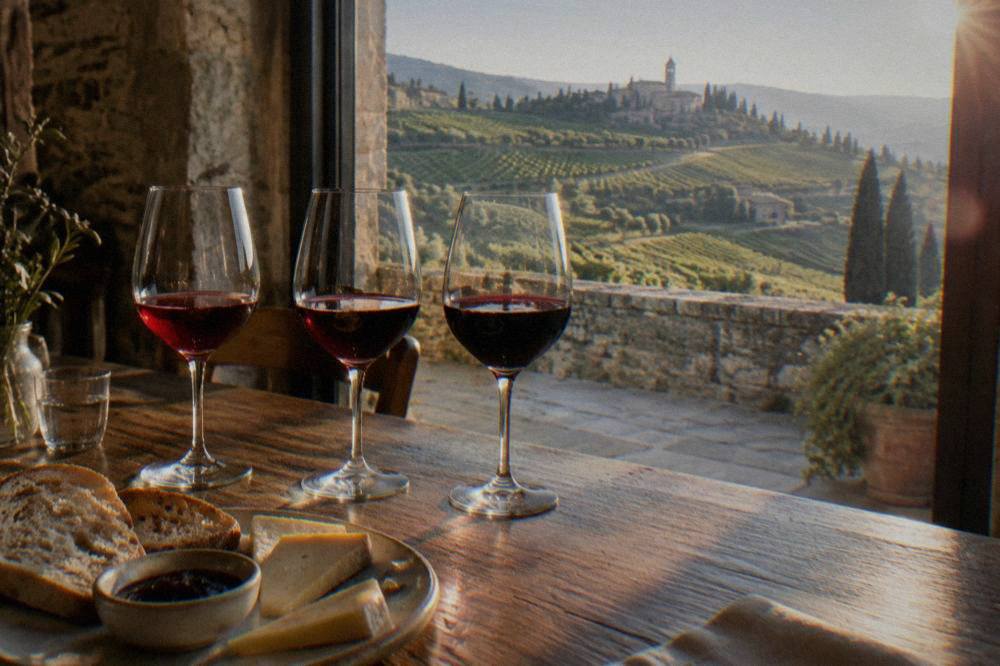
The second route folds the wine into dinner. A guided food and wine tour through Verona moves between stops and includes an Amarone tasting among its local tastings, so the wine arrives in context, next to the cured meats, polenta dishes and cheeses of the Veronese table rather than in isolation. Pairings are the fastest way to understand why the wine is built so big: it needs food with weight to meet it.
A third option is a rooftop or terrace pour at sunset. The hills visible from the city's upper floors on a clear day are, in several directions, the Valpolicella zone itself, and there is a certain logic to drinking the zone's wine while looking at the zone. If an evening tasting whets the appetite for the real thing, the natural next step is a guided half-day into the vineyards:
One practical note on timing: the historic centre's streets fill in the evenings around the Arena's opera season, which ran 5 June to 12 September in 2026 and returns 11 June to 11 September in 2027, so booking a tasting ahead on those nights is wise. The details are in the Verona opera festival guide.
Is A Valpolicella Vineyard Day Trip From Verona Worth It?
A Valpolicella vineyard day trip is worth it for anyone with more than a passing interest in Amarone, because the zone lies about 25 minutes and 21 km by road from the Arena, among the shortest distances between a major Italian city and its flagship wine region, and the drive climbs quickly from the plain into terraced hills of Marogne stone walls, cellar lofts and village churches that the wine labels only hint at.
The hill towns of the classic Valpolicella area, places such as Negrar, Fumane and Sant'Ambrogio, sit on the first ridge north of the city. Bus and train connections from Verona serve the zone in roughly 30 to 60 minutes, though schedules are thin enough that a guided tour or a hire car gives a fuller day. This site's Valpolicella day trip guide covers the practicalities, including how the zone divides into the classic valley and the wider Valpantena and eastern valleys.
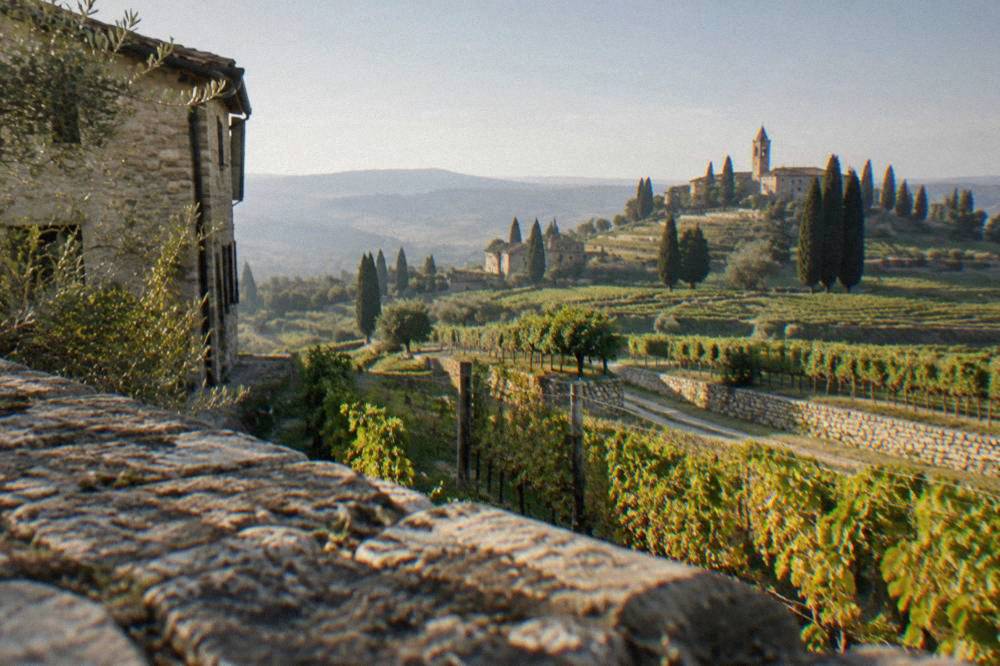
What a cellar visit adds over a city tasting is the drying loft. Standing in a fruttaio in late autumn, with racks of shrivelled bunches stretched away under the rafters, makes the appassimento method physical in a way no label does. Cellars usually pour Valpolicella, Ripasso and Amarone in sequence, and the vertical logic of the three styles lands immediately when the skins that made the third are the ones enriching the second.
For tasting fees and opening hours, nothing reliable can be quoted here: individual wineries set their own prices and visit rules, and they change often. Confirm directly with the winery or through the tour listing before you go.
The guided option most focused on Amarone itself is the half-day tour below, which handles transport from Verona and builds the visit around the zone's flagship wine.
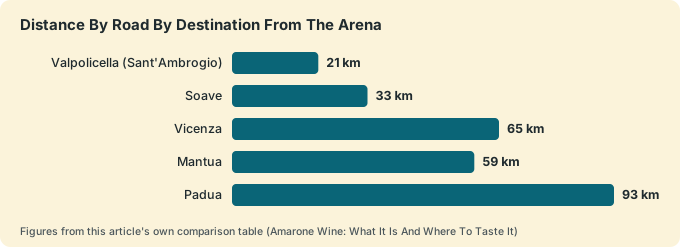
The related drive times put Valpolicella in perspective. The wine hills are the nearest of Verona's big excursions, closer than any lake town or rival city, which is why a half-day is genuinely enough.
| Destination From The Arena | Drive Time | Distance By Road |
|---|---|---|
| Valpolicella (Sant'Ambrogio) | about 25 minutes | 21 km |
| Soave | about 33 minutes | 33 km |
| Vicenza | about 48 minutes | 65 km |
| Mantua | about 54 minutes | 59 km |
| Sirmione (Lake Garda) | about 40 minutes | route west of the city |
| Padua | about 67 minutes | 93 km |
Figures are computed over OpenStreetMap routing in free-flow conditions and do not account for traffic or holiday weekends.
What Does Amarone Taste Like And How Should You Serve It?
Amarone tastes rich and warm, typically showing dried cherry and plum, bitter almond and a distinctly savoury, sometimes bittersweet finish, with high alcohol, firm tannin and a velvety texture that comes from months of skin contact in concentrated must; it is best served slightly below room temperature in a large glass, and its weight makes it a cold-season wine more than a summer patio pour.
The flavour signature follows directly from the method. Drying fruit does to grapes what it does to tomatoes: it removes water and intensifies everything else. Where a fresh Valpolicella tastes of bright red cherry, the same grapes dried for months give cooked cherry, fig and raisined plum, plus the oxidative edge of the drying loft. The bitterness the name refers to lives in the finish, a clean almond-like note rather than a fault.
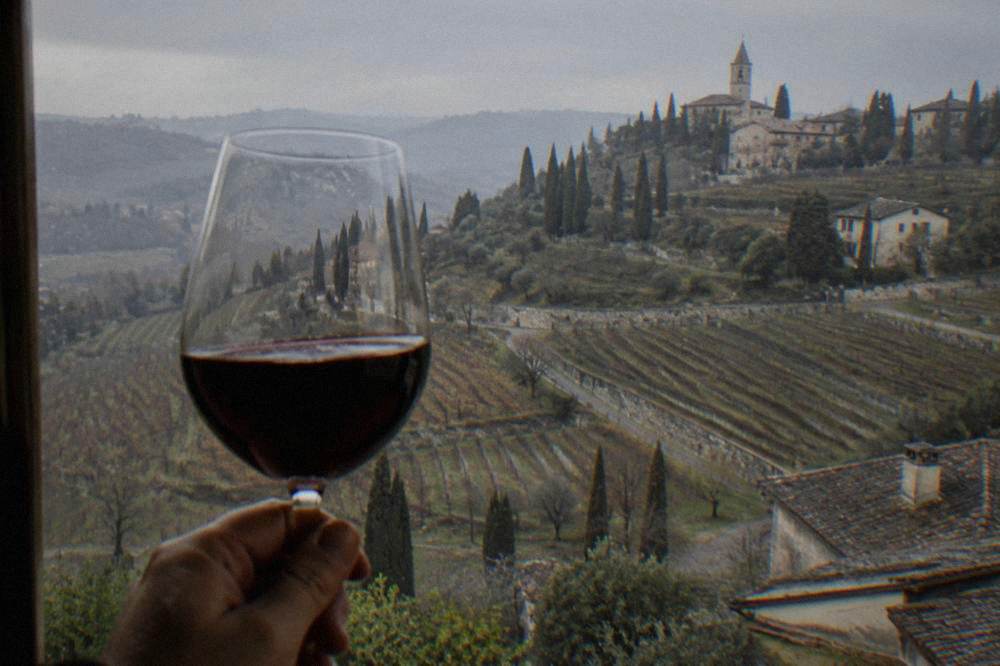
Service is simpler than the wine's reputation suggests. A large-bowled glass, a pour a little cooler than a heated room, and time in the glass before drinking are all it asks. Decanting a young Amarone helps, and an aged one deserves standing time anyway. The wines are strong by table-wine standards, which is why the classic Veronese answer is food.
| Valpolicella Wine | Style | Weight | When To Drink It |
|---|---|---|---|
| Valpolicella | Fresh red from undried grapes | Light to medium | Young, slightly cool, with casual meals |
| Ripasso | Valpolicella re-passed over Amarone skins | Medium to full | A step up at dinner |
| Amarone | Dry red from fully dried grapes | Full, high alcohol | Slow evenings, strong cheeses and stews |
| Recioto | Sweet wine from dried grapes, fermentation stopped early | Rich and sweet | With dessert or blue cheese |
The comparison with Soave, the region's other DOCG, is one travellers ask about constantly. Soave is white, made from Garganega, grown east of the city rather than north, and drinks young and fresh where Amarone drinks slow and old. Both zones sit within half an hour of Verona, and a determined taster could cover a morning in one and an afternoon in the other, though two cellars and a long lunch is the wiser pace.
Which Veronese Dishes Pair With Amarone?
The classic Veronese pairings for Amarone are the local slow-cooked and aged dishes: risotto all'Amarone, where the wine itself goes into the rice, pastissada de caval, the long-simmered horse-meat stew of the Veronese tradition, bollito with pearà sauce, and aged Monte Veronese cheese, all foods with enough intensity to stand up to a wine that carries dried-fruit sweetness, firm tannin and high alcohol in the same glass.
The logic is regional symmetry: a concentrated wine wants concentrated food. Risotto all'Amarone is the introduction, Vialone Nano rice cooked down with the wine and finished with aged cheese, and it is the dish most likely to convert a skeptic, because the wine's bittersweet edge reads as depth in the plate rather than heat in the glass. The site's dedicated risotto all'Amarone recipe and history piece unpacks it.
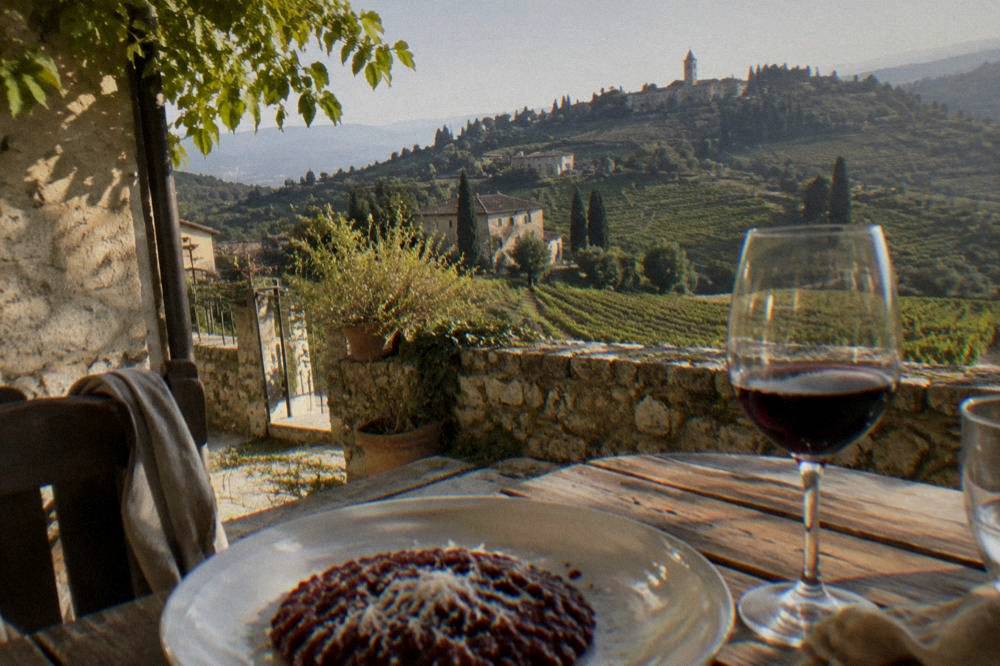
Pastissada de caval and bollito con la pearà are the older, heavier answers. The first is horse meat stewed for hours in wine and spices, served over polenta or with gnocchi; the second is a platter of boiled meats with the pepper-and-bread pearà sauce that is Verona's most distinctive condiment. Both appear on traditional menus through the cold months, which is also when Amarone shows best. The wider local table, including pandoro for the sweet course, is covered in what to eat in Verona and the pandoro guide.
| Dish | What It Is | Why It Works With Amarone |
|---|---|---|
| Risotto all'Amarone | Rice cooked with the wine and aged cheese | The wine meets itself in the plate |
| Pastissada de caval | Horse meat stewed long in wine, often with polenta or gnocchi | Slow-cooked richness absorbs tannin and alcohol |
| Bollito con la pearà | Boiled meats with peppered bread sauce | Pepper and marrow stand up to dried-fruit depth |
| Aged Monte Veronese cheese | Hard aged mountain cheese | Salt and crystalline texture pair with concentrated reds |
| Dark chocolate | Bittersweet chocolate | Echoes the wine's own bitter finish |
A restaurant list with names is beyond what the available sources support, so treat the dishes, not venues, as the shopping list. The site's restaurants guide covers where to look and what to expect.
When Is The Best Time Of Year For Amarone Tasting In Verona?
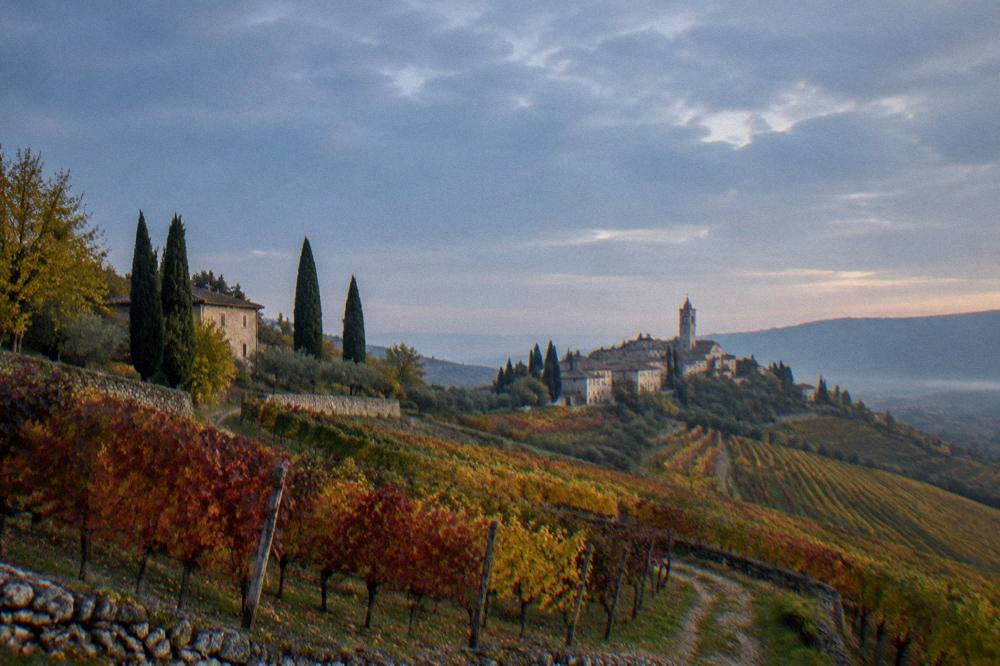
The best months for an Amarone-focused visit to Verona are late September through November, when the harvest is in and the drying lofts are full of grapes, the vineyards are turning colour and the city's autumn table of stews and aged cheese matches the wine, followed by the deep-winter option of tasting barrel-ageing cellars in the quiet months, though November is the wettest month in the ERA5 1991-2020 reanalysis for Verona at 118.2 mm of rain.
The calendar of the wine itself argues for autumn. Harvest falls around September, and the weeks after it are when a visitor is likeliest to see a fruttaio in full operation, racks filling as the pickers bring in the last bunches. By November the lofts are at their most photogenic and the new must is working in the cellars. Spring shows the vines green and the previous vintage in barrel, and summer pours the finished wines in the heat, when many people prefer the zone's lighter styles instead.
| Month | Mean High (ERA5) | Mean Low (ERA5) | Rainfall (ERA5) |
|---|---|---|---|
| September | 23.7 C | 15.1 C | 99.7 mm |
| October | 18.1 C | 10.5 C | 107.2 mm |
| November | 12.3 C | 5.3 C | 118.2 mm |
| March | 14.0 C | 3.6 C | 67.4 mm |
| April | 17.8 C | 7.6 C | 93.5 mm |
| May | 22.3 C | 12.2 C | 109.7 mm |
Figures are ERA5 reanalysis climate normals, 1991-2020, a modelled grid cell near Verona rather than a weather-station record. The site's Verona weather guide and best time to visit guide carry the full twelve months.
Two calendar anchors sit in the same season. The Christmas markets fill the centre in late November and December, brightening a damp month, and Vinitaly, the international wine fair that takes over the city, runs 11 to 14 April 2027, an intense but crowded window for anyone in the trade or curious enough to endure it. Winery visits during fair week book out far ahead, so confirm well in advance.
Can You Buy Amarone In Verona And Take It Home?
You can buy Amarone in Verona at wine shops and enoteche around the historic centre, at the cellars themselves during a Valpolicella visit, and through tastings that end with a purchase option, with one bottle generally travelling fine in checked luggage and larger purchases worth shipping; prices vary widely by producer, vintage and ageing, so check the shelf or cellar price rather than expecting a fixed figure, as no reliable price table for the wine can be stated here.
The buying advice is where honesty beats a list. Producer names, vintage ratings and "best Amarone" rankings are excluded by this site's sourcing rules, and honestly they are a matter of taste and budget anyway. What is reliable: the classic zone's reputation rests on the hillside communes north of the city; Ripasso offers much of the dried-grape character at a lower tier; and a cellar purchase on a guided tour usually comes with the story attached.
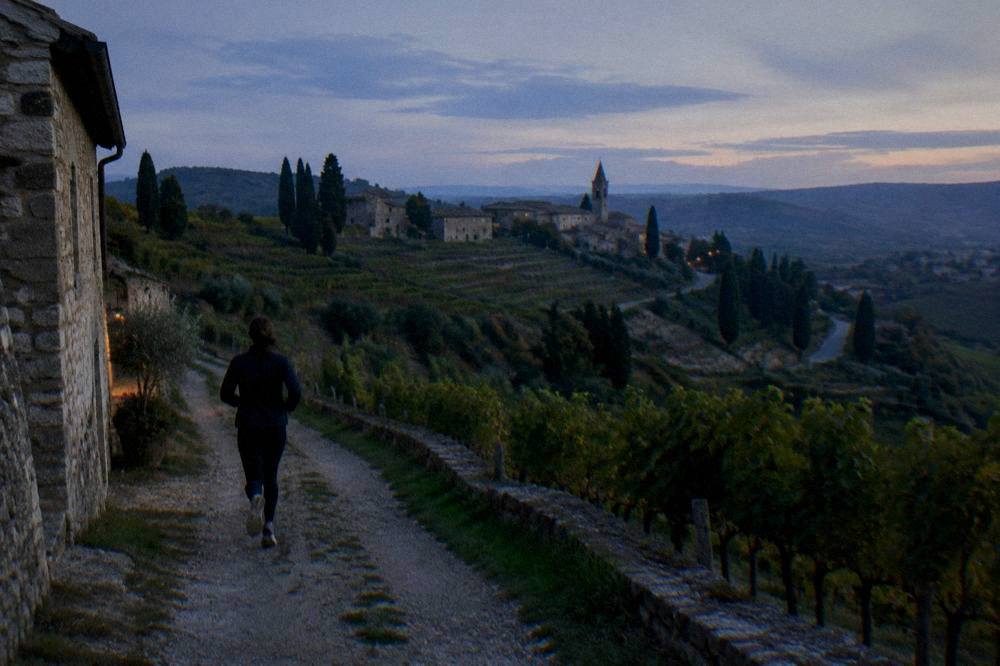
Practical points for the flight home: Italy is in the Schengen area and the euro zone, so there is no currency complication, and purchases inside the European Union travel without duty for EU residents. Travellers heading further afield should check their home country's duty allowance, which changes and is not stated here. Bottles should travel in checked bags, padded, or be shipped by the cellar, a service the larger producers offer.
If the plan is a tasting-first approach that ends at the cellar door, the same trio of experiences fits the bill: a guided half-day in the hills and two city tastings that let you compare before you commit to a case.
How Does Amarone Fit Into A Wider Verona Wine Trip?
Amarone fits into a wider Verona wine trip as the anchor of a two-or-three-day loop: base in the city, taste the Valpolicella family on a half-day north, add a day east to Soave's Garganega whites or west to Bardolino on Lake Garda for its light reds, and finish with a food-and-wine walk through the historic centre, using the same base throughout because every zone sits within an hour's drive of the Arena.
Verona works as a wine capital precisely because the zones ring it. Valpolicella lies 25 minutes north, Soave 33 minutes east, and the Bardolino zone reaches the lake shore at the Bardolino day trip end of Lake Garda, west of the city. A traveller can change wine region daily without changing hotel, which the where to stay in Verona guide helps arrange.
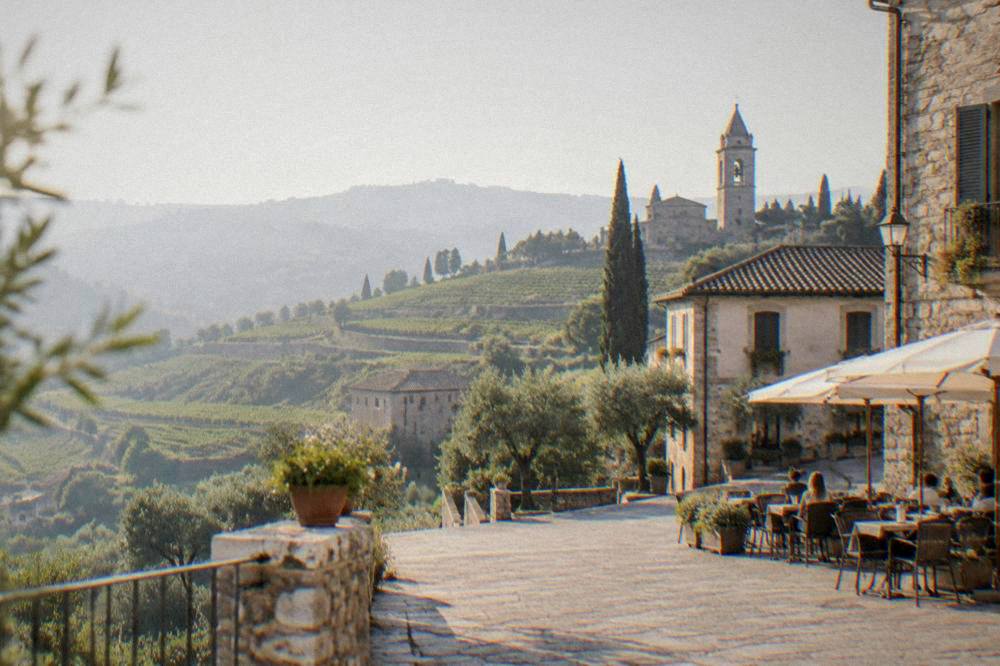
Between tastings, the city itself carries the trip. The Arena di Verona can be visited by day for 12 euro full price, 9 euro reduced, Juliet's House is ticketed at 5 euro for the courtyard and 12 euro with the house since April 2026, and the whole compact centre strings together Piazza Bra, Piazza delle Erbe and the Roman bridge on foot. The things to do in Verona page is the full index, and this Verona Italy Travel Guide links the rest, from transport to itineraries.
One last scheduling note for 2027: the Arena's opera season runs 11 June to 11 September, and warm evenings in the stadium with a late dinner afterwards are the classic Veronese summer night, even if the big reds of Valpolicella wait for cooler weather. Whatever the month, taste the Amarone somewhere with time to sit: the wine was years in the making and months in the drying, and it repays an unhurried glass.
Common Questions About Amarone Wine In Verona
What grapes is Amarone made from?
Amarone della Valpolicella is made principally from Corvina, Corvinone and Rondinella, per the denomination's own material, with the grapes dried before pressing rather than fermented fresh.
Why is Amarone called Amarone?
The name comes from the Italian word amaro, bitter. It was originally the dry counterpart to the sweet Recioto made by the same drying method, and the "big bitter one" went from flaw to flagship as tastes shifted toward dry reds.
Is Amarone sweet or dry?
Amarone is a dry wine. The sweet wine of the same dried grapes is Recioto, made when fermentation stops early and residual sugar remains, while Amarone ferments fully dry.
How far is Valpolicella from Verona?
The Valpolicella hills lie about 25 minutes and 21 km by road from the Arena in Verona, computed over OpenStreetMap routing in free-flow conditions, among the shortest distances between a major Italian city and its flagship wine region.
Can you visit an Amarone winery from Verona without a car?
Yes, though public transport into the zone is thin, so a guided tour is the usual car-free option. Confirm the meeting point and inclusions on the operator's listing before booking, and check bus schedules with ATV if travelling independently.
What food goes with Amarone?
The classic Veronese pairings are risotto all'Amarone, pastissada de caval, bollito with pearà sauce and aged Monte Veronese cheese, dishes with the weight to match the wine's concentration, alcohol and tannin.