Verona Wine: Valpolicella, Soave, Bardolino And Lugana
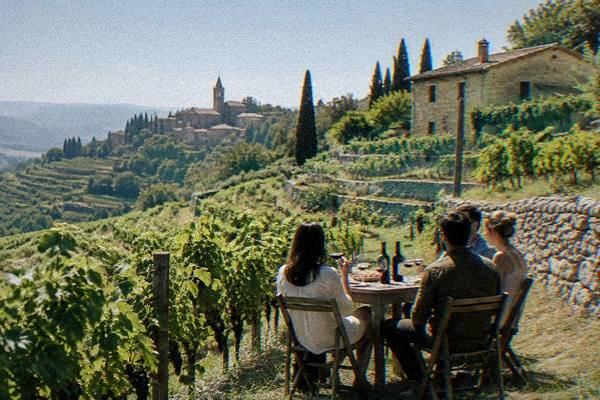
Wine from Verona, Italy, means one city ringed by four distinct wine zones: the Valpolicella hills where Amarone is dried before pressing, the Soave slopes to the east, and the Bardolino and Lugana zones near Lake Garda.
Short answer
The wine of Verona is anchored by Amarone della Valpolicella DOCG, a red made from Corvina, Corvinone and Rondinella grapes dried before pressing, with Soave to the east and Bardolino and Lugana near Lake Garda, all reachable in under an hour by road from the Arena.
Wine from Verona, Italy, is the story of a small inland city in Veneto ringed by vineyards rather than a single bottle. The Arena sits at the centre of a UNESCO World Heritage old town on the Adige river, and within an hour by road the landscape delivers four distinct wine zones: Valpolicella to the north-west, where the grapes for Amarone are dried on racks before pressing; Soave to the east with its white DOCG; and Bardolino and Lugana on the shores of Lake Garda to the west. The Turismo di Verona pages describe Valpolicella and Soave as separate DOCG zones around the city, and this guide sticks to what those and the consortium sources say, with distances computed over open-street routing. What follows is a planning manual: what each wine is, how Amarone differs from everything else, where to taste inside the city walls, and how to build a winery day that fits the season.
What Wine Is Verona Famous For?
Verona is famous above all for Amarone della Valpolicella DOCG, a full-bodied red that the consortium sources say is made mainly from Corvina, Corvinone and Rondinella grapes dried for months before pressing, a method called appassimento. Around it sit three other named zones: Valpolicella and its lighter everyday reds, Soave, a separate white DOCG east of the city, and Bardolino, the red zone on the Lake Garda shore. The consortium material is thin on hard numbers, so no vintage ratings or bottle counts are given, and visitors should confirm details at the winery before travelling.
That concentration of zones is unusual for one province. From the Arena, computed free-flow drive times are about 25 minutes and 21 km to Valpolicella, about 33 minutes and 33 km to Soave, and about 37 minutes and 30 km to Bardolino on the lake. The Lugana white zone sits on the lake's southern shore, reached past Peschiera. Nothing is more than an hour away, which is why the wine trade fair Vinitaly, confirmed for 11 to 14 April 2027, takes over the city each spring.
The geography rewards a little planning. Because the zones lie on opposite sides of the city, pairing Valpolicella in the morning with Soave in the afternoon means crossing the whole urban area twice, and the hills themselves are a patchwork of small valleys rather than one continuous vineyard. First-time visitors usually do better picking a single zone for a day and saving the others for a second trip, a rhythm the three-day Verona itinerary builds naturally.
The four zones at a glance:
| Zone | Direction from Arena | Drive time | Signature wine | Character |
|---|---|---|---|---|
| Valpolicella | North-west | About 25 min, 21 km | Amarone, Ripasso, Valpolicella | Dried-grape reds, per the consortium |
| Soave | East | About 33 min, 33 km | Soave DOCG | White, reported from Garganega |
| Bardolino | West, Lake Garda | About 37 min, 30 km | Bardolino red | Light lake red, confirm at source |
| Lugana | South-west, Lake Garda | Via Peschiera, about 24 km | Lugana white | Still and sparkling whites, confirm at source |
Drive times are computed over open-street-map routing in free-flow conditions; allow more in summer and on harvest weekends.
How Does Amarone Della Valpolicella Get Its Flavor?
Amarone takes its character from appassimento: the consortium sources report that Corvina, Corvinone and Rondinella grapes are picked early and left to dry on racks in ventilated rooms until winter, concentrating sugar and flavor before fermentation into a dry, high-alcohol red. The same dried grapes also produce the sweeter Recioto and the mid-weight Ripasso, and ordinary Valpolicella is the fresh, undried red of the same hills. These wine details are reported by the consortium sites, so confirm specifics with the producer you visit.
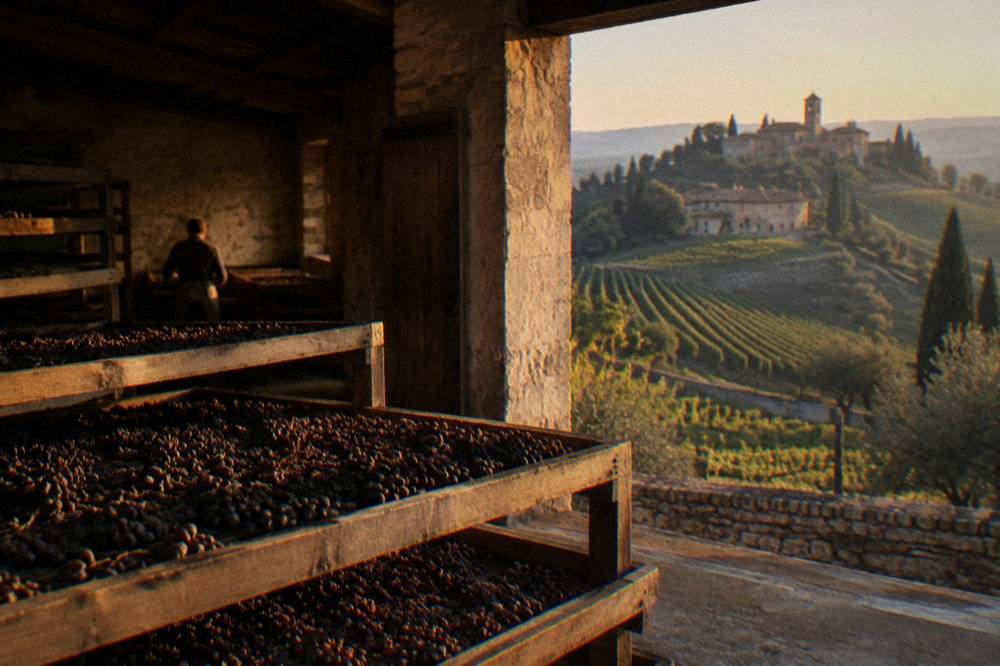
The drying stage is the practical reason a winery visit in Valpolicella is different from a tasting room elsewhere. From roughly harvest into the winter months the fruttaio, the drying loft, is full of laid-out grapes, and a visit explains the whole chain in one building. More on the deep dive into the style sits in the site's Amarone wine guide, and the Valpolicella day-trip page covers the practical geography of the hills.
The classic family of Valpolicella wines, as described by the consortium sources:
| Wine | Dried grapes | Style reported by consortium sources |
|---|---|---|
| Valpolicella | No | Fresh, everyday red |
| Valpolicella Ripasso | Re-passed over Amarone skins | Fuller, softer red |
| Amarone della Valpolicella DOCG | Yes, long drying | Dry, concentrated, high-alcohol red |
| Recioto della Valpolicella | Yes, drying stopped for sweetness | Sweet red |
The progression matters when you order in Verona. A restaurant list will often offer all four from the same producer, and understanding that they differ by drying method rather than by vineyard helps you choose: the fresh Valpolicella suits a pasta course, Ripasso bridges toward the Amarone weight, and Amarone itself is the after-dinner conversation wine. The site's what to eat in Verona guide pairs the local dishes with these styles in more detail.
Seeing the hills for yourself takes either a guided outing or your own wheels. The Valpolicella Vineyard Visit covers transport from the city, a vineyard walk and a guided tasting, and you can Check availability at the operator's live listing. Travelers who prefer independence can take an e-bike into the hills, and a self-guided option is profiled further down this page.
Where To Taste Wine In Verona Without Leaving The City?
You can taste the wines of Verona inside the old town itself, because the city centre holds wine bars, an enoteca trade and short guided tastings that pour Amarone, Soave and Bardolino side by side, and a rooftop or terrace tasting adds the skyline without a drive. The city is compact and walkable, so a tasting fits easily between the Arena and Piazza delle Erbe on any itinerary, including a first day built around the main Verona sights.
The desk cannot verify individual bar names, opening hours or tasting prices in the centre, and the ban on unsourced figures applies: no venue is named here, and prices are not printed. What the sources do support is the structure. Tastings in the city usually pour a flight of regional wines, and the shop shelves of the centre stock the same DOCG bottles you would meet in the hills, so a city tasting works as a briefing before a winery day.
For a first evening, two formats stand up well. A guided tasting with a panoramic view pairs the flight with the city's rooftop geography, and an evening walk pairs it with the floodlit Arena and the river bend. The site's Valpolicella wine tour page keeps the vineyard option open from the city, and the things to do in Verona hub slots a tasting into the wider visit.
A note on buying bottles to take home. Supermarkets and wine shops in the centre carry the full Valpolicella range at a spread of price points. Check the label for the DOCG designation and the appassimento wording if you want the dried-grape style, and confirm baggage rules with your airline rather than relying on generic advice. Shipping from a shop is sometimes possible, but terms vary by retailer, so ask at the counter rather than assuming.
One more city-centre angle worth knowing: the old town's position on the Adige means several tasting terraces look over the water rather than over vineyards, which changes the character of the evening entirely. A flight at sunset with the river bend below is a different experience from a cellar table in Valpolicella, and the two complement rather than replace each other on a two- or three-day stay.
Is Soave Worth A Wine Day Trip From Verona?
Soave is worth the drive for white-wine drinkers, because it is a separate DOCG zone about 33 minutes and 33 km east of the Arena, with its walled medieval village and Garganega-based whites reported by the regional sources as the local specialty, a clear contrast to the red-dominated hills north-west of the city. The consortium detail on Soave is thin, so confirm opening details of the castle and any tasting room before setting out.
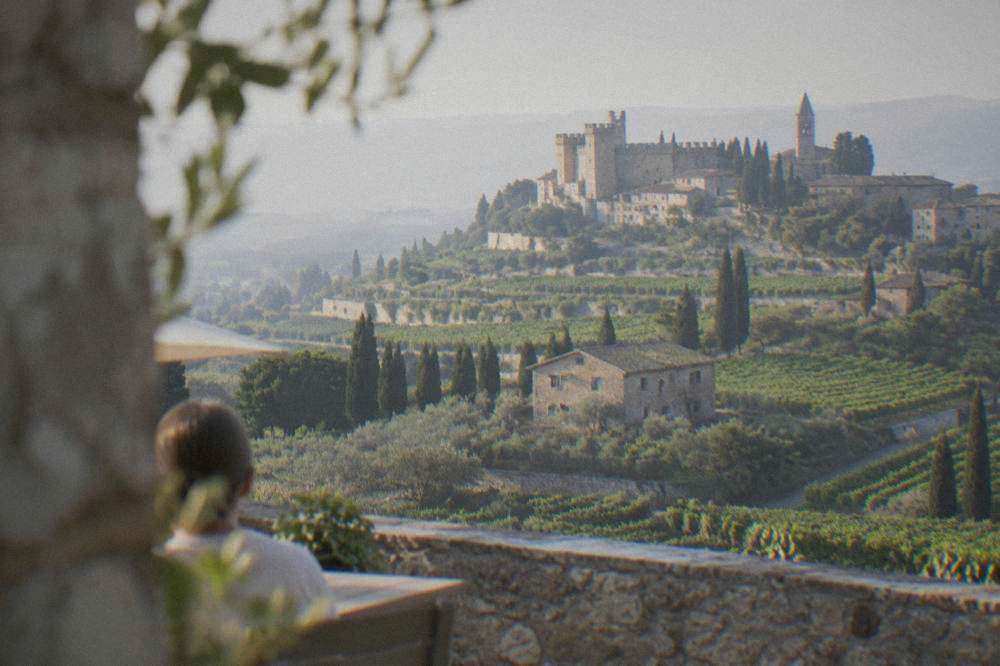
The drive east crosses flat Soave-classico vineyards before the hill of the village itself rises out of the plain. The Soave day-trip guide covers the practicalities of getting there without a car, and the same road continues toward Vicenza, about 48 minutes and 65 km from the Arena if you want to pair the wine zone with a Palladian city in one day.
A simple structure for a Soave half day:
| Stop | What the sources support | Time to allow |
|---|---|---|
| Soave village walls | Walled village, open to visit; confirm hours locally | 1 hour |
| Vineyard tasting | Garganega-based Soave DOCG, reported; book ahead | 1 to 2 hours |
| Optional extension to Vicenza | About 48 min, 65 km from the Arena | Half day |
Winery names, tasting prices and castle admission are not covered here, so none is printed: check the current details with the producers directly before you commit a day. White-wine zones also reward the earlier part of the day in warm months, when the tasting rooms are cooler and the village lanes quieter, though no crowd claim is made here beyond that plain comfort point. Everything else covered here is indexed on Verona Italy Travel Guide.
What About Bardolino And Lugana From Lake Garda?
Bardolino and Lugana are the Lake Garda pair, and both work as the wine half of a lake day: Bardolino's red zone reaches the shore about 37 minutes and 30 km from the Arena, and Lugana's white zone sits on the southern shore past Peschiera, about 24 km away. Verona itself is inland on the Adige, so these are day trips, not city suburbs. The Bardolino guide covers the town and its lakefront.
Bardolino the wine is a light red, and Lugana a white that comes in still and sparkling styles. The pack carries no vintage or producer detail for either, so this page stays at the level of zone and style and directs you to confirm specifics at the source. Ferries help here: Navigazione Laghi's 2026 fares list a full-lake adult day pass at 39.50 euro, with full summer service that ran 16 May to 4 October 2026 and the north-south passenger service suspended from 2 November 2026 to 12 March 2027, so check the timetable page for the season you travel in.
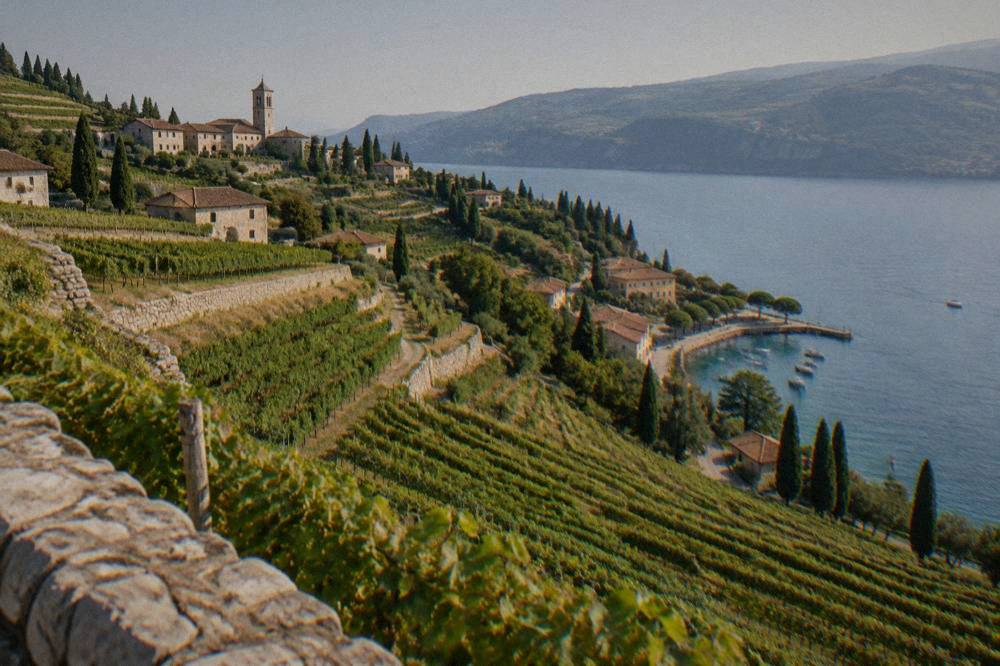
Distances that matter for a lake-and-wine day, computed over open-street routing in free-flow conditions:
| Destination from the Arena | Drive time | Road distance |
|---|---|---|
| Bardolino | About 37 min | 30 km |
| Garda town | About 42 min | 40 km |
| Sirmione | About 40 min | 43 km |
| Malcesine | About 84 min | 66 km |
If a full lake excursion sounds better than self-driving, the site's Bardolino day-trip guide and the main things to do in Verona hub list the options. The Monte Baldo cable car at Malcesine, with a round trip at 30 euro for an adult, pairs a vineyard-view ridge with the lake morning; the 2026 season was reported to run about 4 April to 1 November, so confirm dates before you plan around it.
A lake-and-wine day pairs naturally with the ferry network in the summer season, when a morning crossing can be followed by a lakeside lunch and an afternoon tasting inland. Outside the full-service window the boat timetable thins or suspends, as the 2 November 2026 to 12 March 2027 north-south suspension shows, so a winter version of this day is best done entirely by road.
When Is The Best Season For Wine Travel Around Verona?
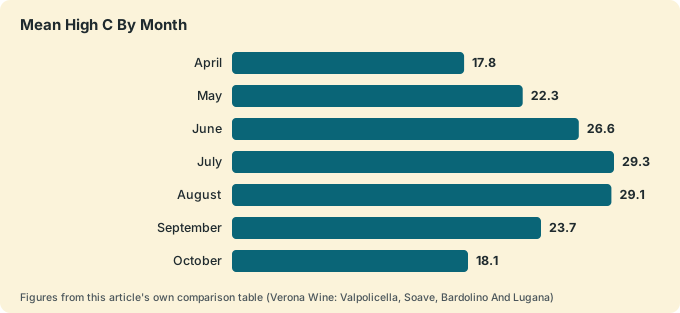
The best season for wine travel around Verona is September into October, when harvest is underway in Valpolicella and the ERA5 reanalysis for Verona, 1991 to 2020, shows September mean highs of 23.7 C and October 18.1 C with 99.7 and 107.2 mm of rain respectively, warm days without the July mean high of 29.3 C. Spring, from April to June, is the other good window, and the drying lofts are at their fullest from late autumn into winter.
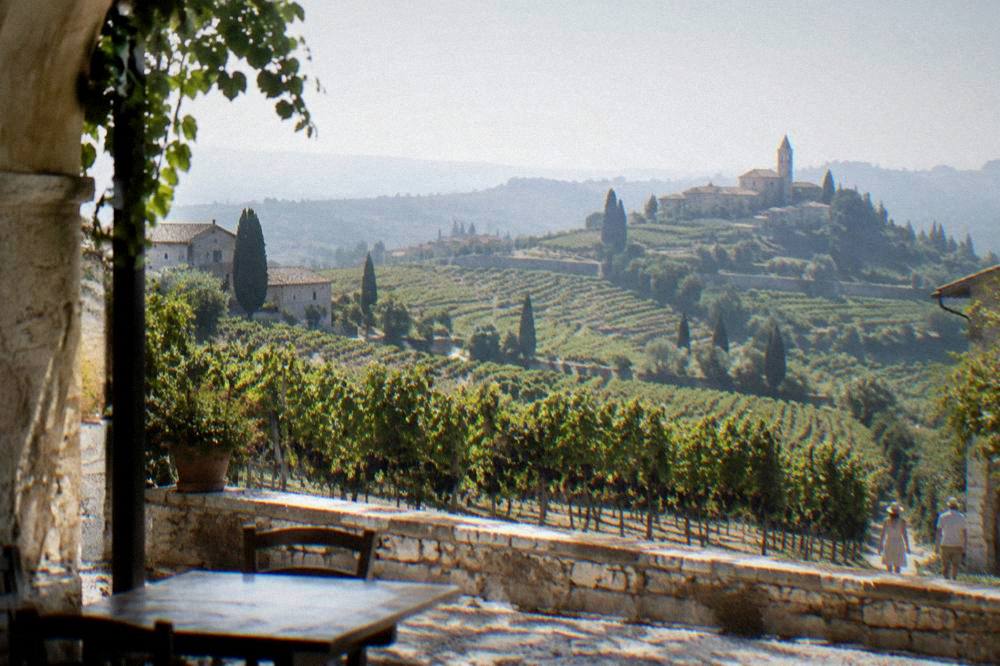
The climate table below is the whole weather basis for this page. It is a modelled reanalysis grid cell near Verona, not a weather-station record, and it covers temperature and rainfall only.
| Month | Mean high C | Mean low C | Rain mm |
|---|---|---|---|
| April | 17.8 | 7.6 | 93.5 |
| May | 22.3 | 12.2 | 109.7 |
| June | 26.6 | 16.5 | 92.3 |
| July | 29.3 | 19.1 | 79.4 |
| August | 29.1 | 19.4 | 84.1 |
| September | 23.7 | 15.1 | 99.7 |
| October | 18.1 | 10.5 | 107.2 |
The calendar anchors are few and firm. Vinitaly runs 11 to 14 April 2027 and fills the city with the trade. Harvest in Valpolicella typically begins in the autumn window, and the drying that follows runs for months, per the consortium description of appassimento, which is why a visit from late October to February can show full drying lofts. If wine is only one strand of the trip, the site's best time to visit Verona and Verona weather pages carry the full seasonal picture.
Winter has its own case. Rain totals rise through November at 118.2 mm in the ERA5 normals and mean highs fall to 12.3 C, but the cellars hold a steady temperature and the drying lofts are at work, so a cold-month visit trades terrace views for a closer look at the process itself. Book tastings ahead either way, because the winter calendar of opening days is shorter in the hills.
How Do You Plan A Valpolicella Winery Visit From Verona?
Plan a Valpolicella winery visit around transport first, because the hills are about 25 minutes by road from the Arena and public connections are limited: choose between a guided vineyard trip with transport included, a self-guided e-bike day on quiet hill roads, or a rental car with a booked tasting. Tastings generally require advance booking, and harvest and festival periods fill weeks ahead, so confirm opening days and any tasting fee with the winery directly before you go.
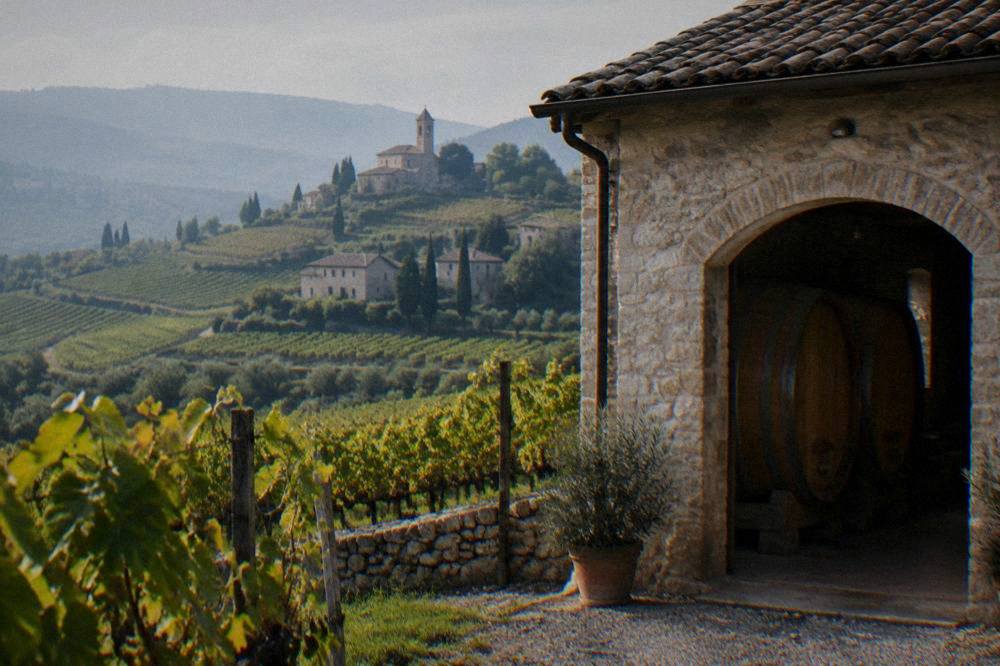
A guided visit answers the transport question in one booking. The Valpolicella Vineyard Visit pairs the vineyard walk with a tasting of the appassimento range; you can Check availability beside that page. If you would rather ride, a self-guided e-bike day through the Valpolicella lanes with tastings built in suits confident cyclists, and a small-group city walk before or after covers the old-town context.
Three visit formats compared:
| Format | Transport | Best for | Watch for |
|---|---|---|---|
| Guided vineyard trip | Included | First-time visitors, no-car trips | Book ahead for harvest season |
| Self-guided e-bike day | Own pedal power | Independent travellers, half a day of riding | Check the e-bike's range with the operator |
| Rental car | Your own | Combining Valpolicella with Soave or the lake | ZTL rules in the historic centre |
Drivers should read the city's rules before setting out. The historic centre is a camera-enforced limited-traffic zone where non-residents may enter at most four times a month on a booking, in windows of Monday to Friday 10:00 to 18:00 and 20:00 to 23:00 and weekends 10:00 to 13:30, and hotel guests enter free if the hotel registers the plate. Park outside the zone and walk in; the getting around Verona guide explains the layout, and the Verona train station page helps if you arrive rail-first and rent later.
For a longer stay that mixes wine with everything else, the site's three-day Verona itinerary, the where to stay in Verona guide and the best restaurants in Verona page carry the rest of the plan, and the Romeo and Juliet in Verona guide fills the non-wine afternoon. A tourist tax applies, collected by your accommodation and capped at four nights per person per month.
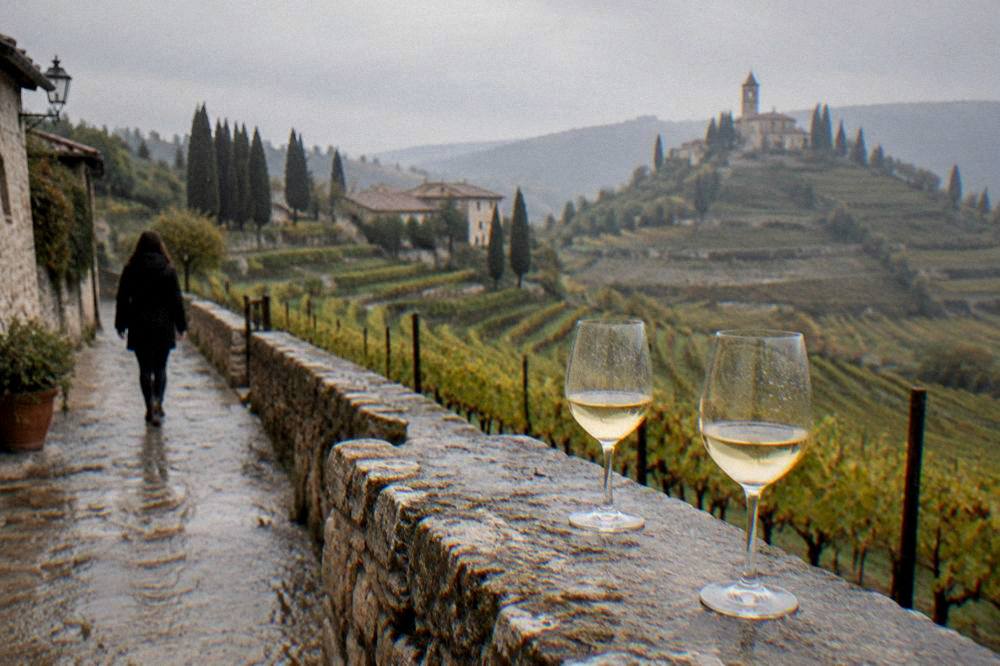
The second shortlist of bookable options, covering the guided, the self-guided and the city walk:
Common Questions About Verona Wine
What wine is Verona in Italy most famous for?
Verona is most famous for Amarone della Valpolicella DOCG, a concentrated dry red that the consortium sources describe as made from Corvina, Corvinone and Rondinella grapes dried before pressing. Soave, Bardolino and Lugana complete the regional picture.
How far is the Valpolicella wine region from Verona?
Valpolicella's hills at Sant'Ambrogio are about 25 minutes and 21 km by road from the Arena, computed over open-street routing in free-flow conditions. Soave, the white-wine zone, is about 33 minutes and 33 km to the east.
Can you visit a Valpolicella winery without a car?
Yes. Guided vineyard trips from Verona include transport, and self-guided e-bike days cover the hills under your own pedal power. Public bus coverage of the winery lanes is limited, so confirm any independent route locally before relying on it.
What does appassimento mean?
Appassimento is the drying process behind Amarone: the consortium sources report that the grapes are laid out in ventilated rooms and dried for months after harvest, concentrating sugars and flavors before fermentation into a dry red. The same dried grapes give the sweeter Recioto.
Is Soave a red or a white wine?
Soave is a white DOCG from its own zone east of Verona, reported from the Garganega grape by the regional sources. The red equivalent day trips from Verona are Valpolicella to the north-west and Bardolino on Lake Garda.
When is Vinitaly held in Verona?
Vinitaly, Verona's international wine fair, is confirmed for 11 to 14 April 2027. The fair is trade-focused, but it fills the city's hotels and restaurants, so book accommodation early for those dates.