San Fermo Maggiore: Two Churches Stacked On One Another
San Fermo Maggiore in Verona is a doubled basilica: a lower church and an upper church built one above the other on the same footprint, steps from the Adige river. Here is what the sources say about visiting it.
Short answer
Admission is not published here: the basilica is reported to be covered by the VeronaCard under the Chiese Vive circuit, so confirm the current arrangement on the operator's own page before you go.
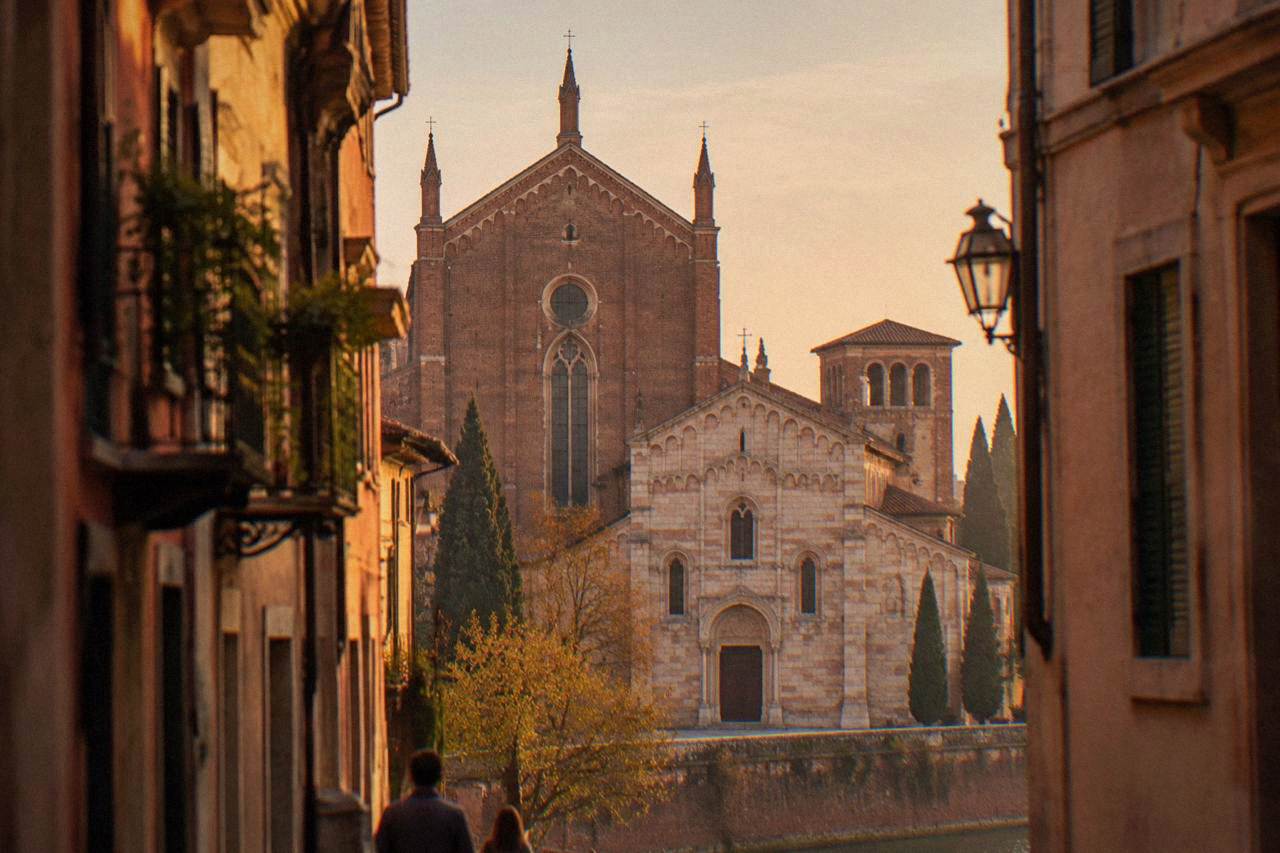
San Fermo Maggiore is one of Verona's quieter surprises, and its shape is the whole story: a lower church and an upper church stacked on one another on a single footprint, a short walk from the Adige river in the city's historic centre. Verona itself is an inland city in Veneto, northern Italy, a UNESCO World Heritage Site since 2000, famous for its first-century Roman Arena and the Romeo and Juliet legend; Lake Garda and its towns lie 22 to 39 km west and are day trips, not neighbourhoods of the city. The Basilica di San Fermo Maggiore sits in the part of the centre that runs toward the river bend, among the sights covered in things to do in Verona, and it rewards travellers who have already ticked the Arena and Juliet's House and want the city's religious layer next. This page reports what the sources say: what the basilica is, how the VeronaCard reportedly covers it, what stands around it, and how to fit it into a day.
What Is San Fermo Maggiore In Verona?
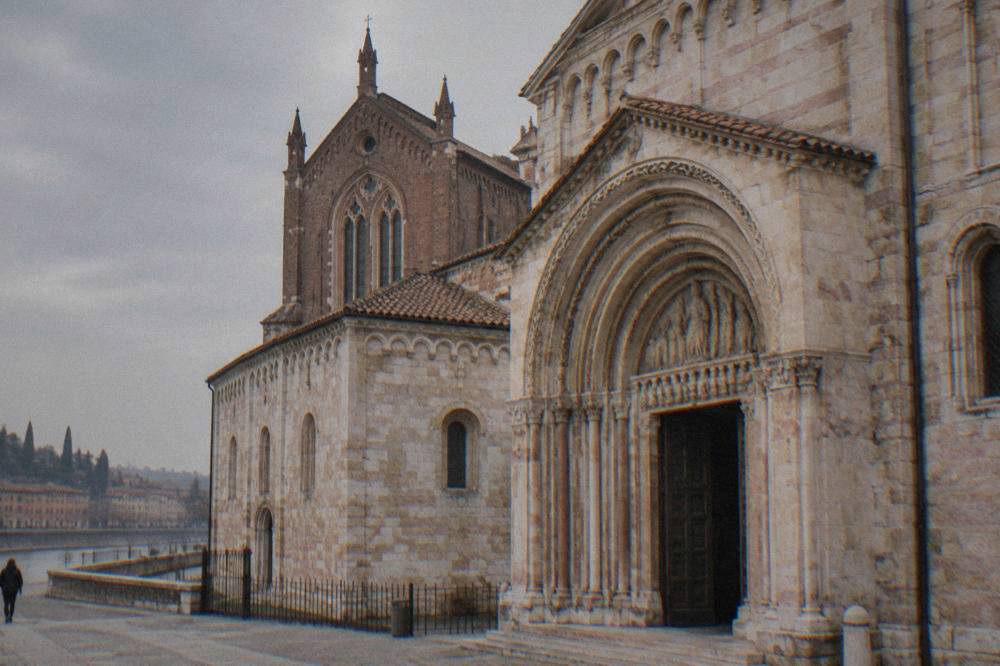
San Fermo Maggiore is a doubled basilica in central Verona: a lower church and a taller upper church occupy the same footprint, one built above the other, so a visitor effectively walks through two complete churches in a single visit. The site is dedicated to Saints Fermus and Rusticus, Verona's early martyrs, and its exterior mixes stone and brick in the manner typical of the city's religious buildings.
The doubled structure is the reason the basilica earns its own stop rather than a glance. Where the Arena di Verona is a single vast space, and the Duomo di Verona one soaring nave, San Fermo asks you to descend and then climb. The lower church is the dimmer, lower-ceilinged of the two levels; the upper church is the brighter, more open space where the main altar and the services sit.
Where Is San Fermo Maggiore And How Do You Reach It From Central Verona?
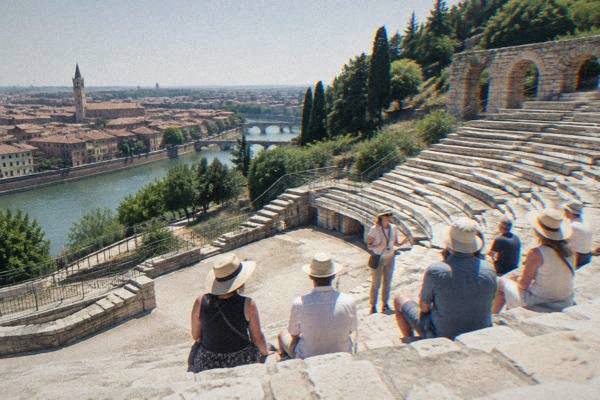
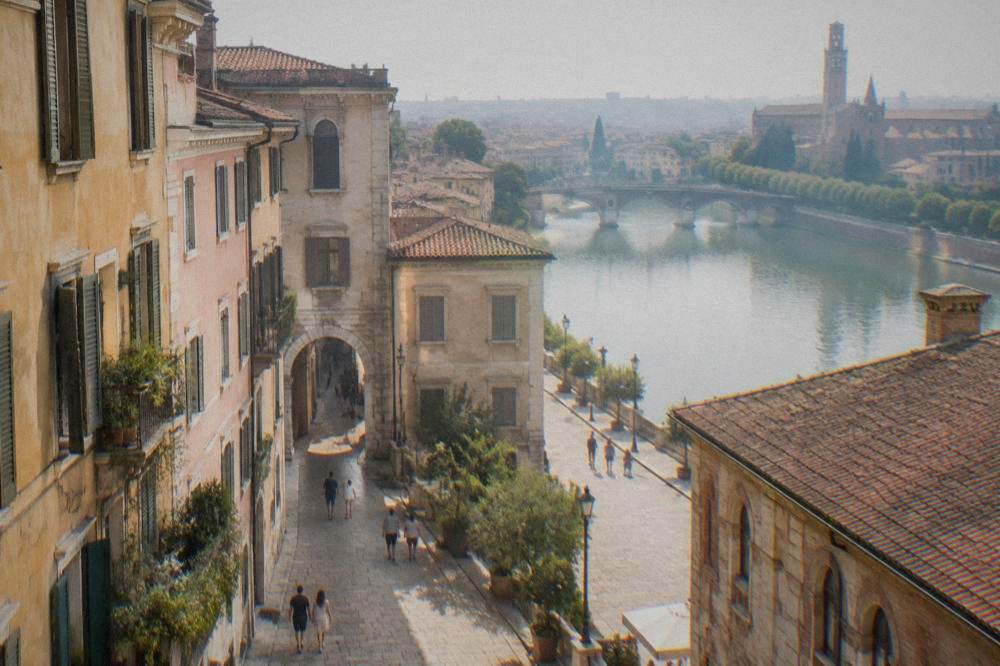
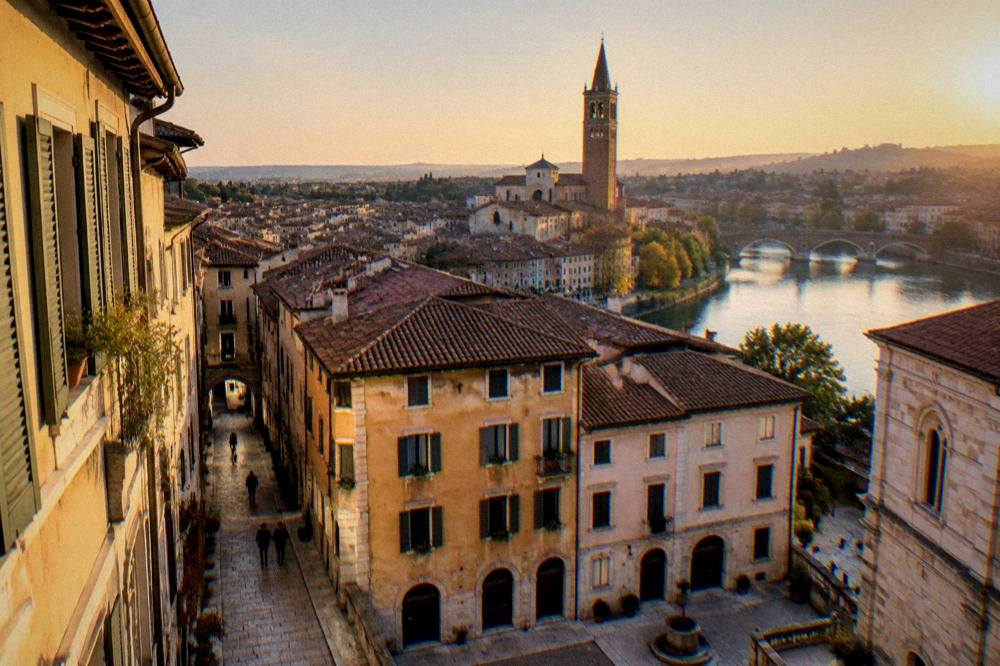
San Fermo Maggiore stands near the Adige river in Verona's historic centre, a short walk from the Ponte Pietra and the Teatro Romano on the same side of the river as those sights, and within easy walking distance of Piazza delle Erbe and the Arena. The historic centre is compact and largely pedestrian, so the basilica is reached on foot from any central hotel or from Verona Porta Nuova station by a city bus ride followed by a walk.
That river-edge position is the basilica's practical advantage. A walk that takes in San Fermo can continue over the Ponte Pietra, the Roman pedestrian bridge, climb to the Roman theatre district at the Teatro Romano, or cross toward the Veronetta quarter. Heading the other way, Piazza delle Erbe and the market squares of the old centre are minutes away. The urban bus single is 1.50 euro for 90 minutes on ATV city buses, per the operator's own fare page, and the historic centre is a camera-policed ZTL with limited entry for non-residents, so arriving by public transport or on foot is simpler than driving; the details are covered in the Verona car rental and driving guide.
How Much Does San Fermo Maggiore Cost, And Does The VeronaCard Cover It?
No standalone ticket price for San Fermo Maggiore appears in the sources used for this page, and no opening hours were captured either, so the honest answer is to confirm both locally before visiting. What is reported is coverage: the basilica is included, under the Chiese Vive circuit, in the VeronaCard, the city's digital tourist pass, which since 1 September 2026 costs 33 euro for 24 hours or 38 euro for 48 hours with ATV urban transport included, or 29 and 32 euro without transport.
The VeronaCard story matters here because it is the one hard set of figures the sources do supply. The card became fully digital on 1 September 2026, delivered through the "Your Verona" web app, and old paper cards remain valid only to 31 March 2027, per the Comune di Verona's own announcement. The card's free or reduced-entry list includes the Arena, Castelvecchio, the Torre dei Lamberti, Juliet's House (which still requires a separate online booking even for card holders), the Teatro Romano and, reported under the Chiese Vive convention, the churches: San Zeno, Sant'Anastasia, the Duomo complex and San Fermo itself. The card does not include the airport Aerobus, and the Comune's notice does not promise the Arena on every card product, so read the card's own terms before buying.
| VeronaCard option | With ATV transport | Without transport |
|---|---|---|
| 24 hours | 33 euro | 29 euro |
| 48 hours | 38 euro | 32 euro |
Reported Chiese Vive church coverage under the card, per the Comune di Verona's VeronaCard notice:
| Site | Reported VeronaCard coverage |
|---|---|
| Basilica di San Zeno | Free or reduced under Chiese Vive |
| Sant'Anastasia | Free or reduced under Chiese Vive |
| Duomo complex | Free or reduced under Chiese Vive |
| San Fermo Maggiore | Free or reduced under Chiese Vive |
The practical read: if a Verona trip already includes the Arena at 12 euro full price and Juliet's House at 12 euro for the full house-and-balcony route, the card's arithmetic changes with each added church. Treat the table above as coverage, not as a computed saving.
What Can You See Inside The Two Levels Of San Fermo Maggiore?
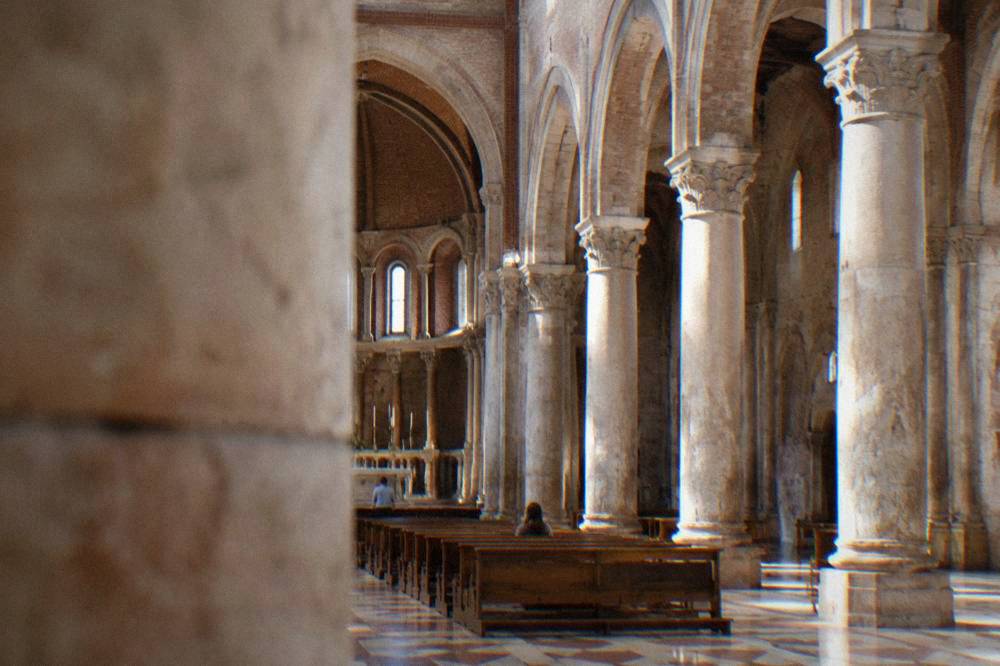
Inside San Fermo Maggiore the visit splits naturally in two: the lower church, with its lower vaults and older, darker atmosphere, and the upper church, the brighter principal space with its main altar. The sources used here list no artworks, no architects and no construction dates for either level, so this guide describes the layout a visitor actually walks rather than a catalogue it cannot source.
The lower church is the atmospheric half. Its ceilings sit close overhead, the light is low, and the sense is of an older building swallowed by the one above it, which is effectively what a stacked basilica is. The upper church reverses the mood entirely: it is the public face of the complex, the space built for the full congregation, taller and lighter, with the dedication to Saints Fermus and Rusticus at its liturgical heart. Visitors who enjoy this vertical doubling should also consider the Basilica di San Zeno on the west side of the centre, another of Verona's major churches reported under the same Chiese Vive card coverage, and the broader survey in the Verona churches guide.
A word on preparation: church admission prices and hours are not readily confirmed for any of the five main churches, and a dress rule for covered shoulders and knees, while general practice in Italy, is not documented for Verona specifically. Confirm hours and any entry arrangement on the day, and carry a layer regardless: the lower church stays cool even when the July mean daily high outside sits at 29.3 C. The rest of the planning pages sit on Verona Italy Travel Guide.
Can You Visit San Fermo Maggiore On A Guided Tour Of Verona?
Yes, indirectly: San Fermo Maggiore sits on the route a walking guide naturally follows through the river-edge quarter, and the city's guided walks that pair the Arena with the hills above the Adige pass within a few streets of the basilica. There is no dedicated San Fermo tour in the current roster, so the workable pattern is a city walking tour that covers the centre, with the basilica visited independently before or after.
The roster's strongest fit for a centre-and-river circuit is the Walk with Arena and Cable Car, which links the Arena, a guided walk and a cable-car ascent above the river, with Juliet tickets as an option. For travellers whose priority is the Roman layer rather than the churches, the Arena Priority Access Tour covers the amphitheatre with a local guide. Neither product prints its price or schedule in prose here: the live listing carries those, and a check of availability before committing is the reliable move.
How Does San Fermo Maggiore Compare With Verona's Other Major Churches?
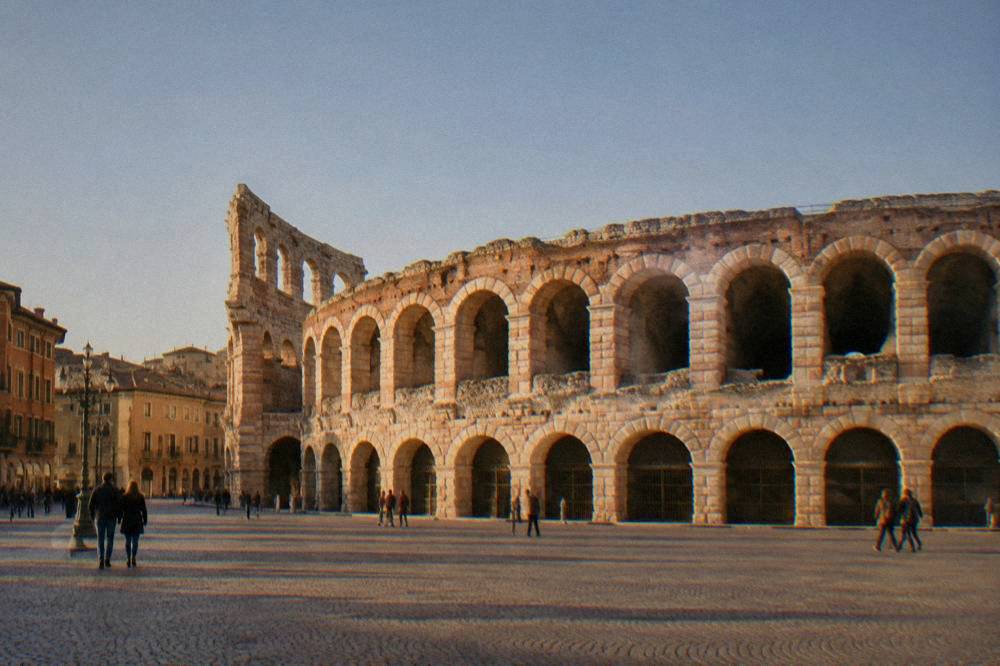
Against Verona's other headline churches, San Fermo Maggiore's distinction is structural: it is the doubled, two-level basilica, where the Duomo complex, Sant'Anastasia and San Zeno are single soaring interiors at different scales. All four are reported under the same VeronaCard Chiese Vive coverage, so the choice between them is about atmosphere and position in a day's walking route rather than about differing ticket systems.
The comparison that matters is spatial. San Zeno anchors its own western district, the San Zeno district, and rewards the traveller who gives it a half-morning. Sant'Anastasia sits closest to Piazza delle Erbe and the heart of the old centre. The Duomo complex runs along the riverside street that also leads to San Fermo, making those two natural companions on one walk. A reasonable churches circuit in Verona therefore pairs the Duomo with San Fermo by the river, then climbs to Piazza delle Erbe and Sant'Anastasia, saving San Zeno for a second morning or for a slow afternoon.
| Church | Position in the centre | Reported card coverage | Natural pairing on foot |
|---|---|---|---|
| San Fermo Maggiore | River edge, near Ponte Pietra | Chiese Vive | Duomo complex, Teatro Romano |
| Duomo complex | Riverside street west of San Fermo | Chiese Vive | San Fermo, Castelvecchio |
| Sant'Anastasia | By Piazza delle Erbe | Chiese Vive | Piazza delle Erbe, Torre dei Lamberti |
| Basilica di San Zeno | Western district | Chiese Vive | San Zeno district walk |
What Else Is Near San Fermo Maggiore In Verona?
Within a short walk of San Fermo Maggiore sit the Ponte Pietra, the Teatro Romano and the climb to Castel San Pietro on the far bank, plus Piazza delle Erbe, the Torre dei Lamberti and Castelvecchio heading back toward the Arena. The basilica therefore lands in the densest sight cluster of the historic centre, and an hour spent inside it sits naturally inside a half-day river-and-squares circuit.
Cross the Ponte Pietra and the ground rises toward the Castel San Pietro viewpoint above the river bend, one of the city's open-air rewards. Back on the basilica's side, the Teatro Romano and its archaeological museum occupy the slope, and the flat walk west passes the Castelvecchio museum and bridge. In the other direction, Piazza delle Erbe, the Torre dei Lamberti and the Giardino Giusti gardens fill a second half-day. Visitors with an appetite for the region's table can pair the sightseeing with the Truffle Hunting with Lunch experience, which takes the day's food into the Veronese countryside.
When Is The Best Time Of Year To Visit Verona For Its Churches?
The ERA5 reanalysis for Verona, 1991 to 2020, puts the July mean daily high at 29.3 C and the January mean daily low at minus 0.4 C, with November the wettest month at 118.2 mm of rain and January the driest at 52.3 mm, so the shoulder months of April, May, September and October offer the most comfortable walking weather for a church-to-church route. The churches are roofed and unheated, which suits them to summer escape and winter layering alike.
The climate table below carries the full monthly picture from the reanalysis, labelled for what it is: modelled normals for a grid cell near Verona, not a weather-station record. Summer visitors should note that the Arena opera season, which ran 5 June to 12 September in 2026 and is announced for 11 June to 11 September in 2027, fills the centre in the evenings, and a churches morning before the heat is the pattern the numbers support. Winter visitors get the Christmas atmosphere the city is known for, though the 2026 market dates had not been published in the sources here, so confirm locally.
| Month | Mean daily high C | Mean daily low C | Rain mm |
|---|---|---|---|
| January | 7.3 | -0.4 | 52.3 |
| February | 9.5 | 0.4 | 58.8 |
| March | 14.0 | 3.6 | 67.4 |
| April | 17.8 | 7.6 | 93.5 |
| May | 22.3 | 12.2 | 109.7 |
| June | 26.6 | 16.5 | 92.3 |
| July | 29.3 | 19.1 | 79.4 |
| August | 29.1 | 19.4 | 84.1 |
| September | 23.7 | 15.1 | 99.7 |
| October | 18.1 | 10.5 | 107.2 |
| November | 12.3 | 5.3 | 118.2 |
| December | 7.8 | 0.8 | 71.1 |
Is San Fermo Maggiore Worth Adding To A Verona Itinerary?
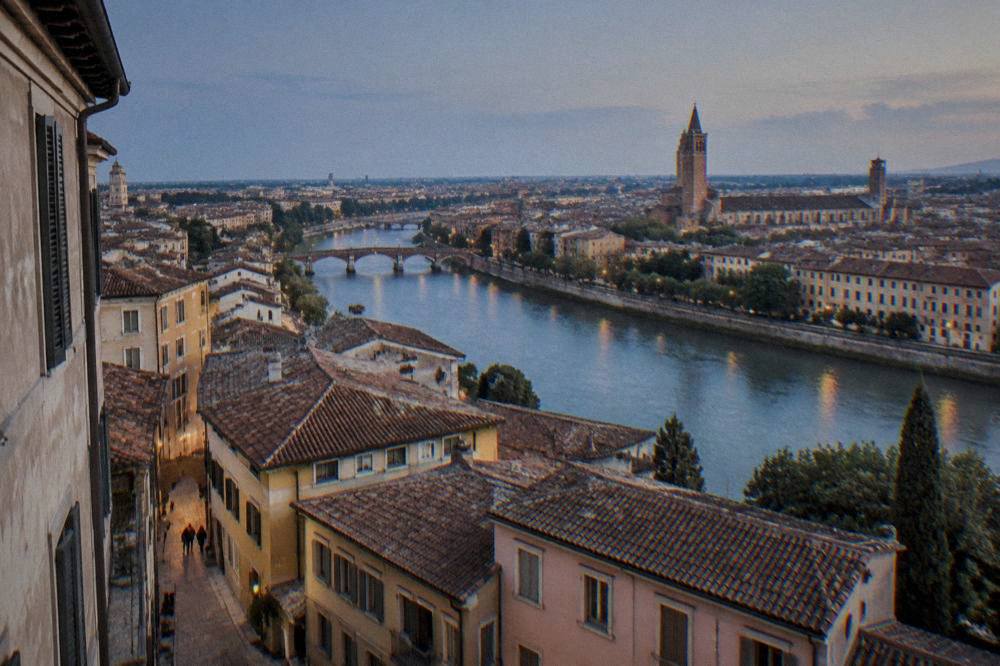
Yes, for any itinerary of two days or more, and as a rounding stop on a one-day plan: San Fermo Maggiore costs little time in a dense sight cluster, adds a structure no other Verona church offers with its two stacked levels, and is reported to ride along on a VeronaCard many visitors already hold for the Arena and Juliet's House. The one-day visitor should treat it as optional; the two- or three-day visitor should not.
On a tight schedule, follow the Verona in one day pattern, which front-loads the Arena, Piazza Bra, Piazza delle Erbe and Juliet's House, and slot San Fermo only if the river edge fits. With a second day, the Verona in two days plan gives the Duomo-to-San Fermo riverside walk and the Veronetta quarter their own morning. Day-trippers building the trip from the coast can check whether Verona and Venice fit in one day or follow the one day in Verona from Venice template, in which case the Arena and Juliet take priority and the basilica becomes a walk-past rather than a walk-in.
Common Questions About San Fermo Maggiore In Verona
Is San Fermo Maggiore included in the VeronaCard?
Reported yes: the Comune di Verona's VeronaCard notice lists San Fermo among the churches covered free or at a reduced rate under the Chiese Vive circuit. The card is digital from 1 September 2026 at 33 euro for 24 hours or 38 euro for 48 hours with ATV transport, or 29 and 32 euro without. Confirm the current terms on the card's own page before buying.
How much does it cost to enter San Fermo Maggiore?
No standalone admission price was captured in the sources used for this page, and none is quoted here. The reported route to free or reduced entry is the VeronaCard; otherwise confirm the current price and hours locally before visiting.
What are San Fermo Maggiore's opening hours?
Opening hours for San Fermo Maggiore are not listed on this page, so check locally before planning a visit. Church hours in Verona generally shift with services and seasons; check the day's arrangement locally before planning a visit around it.
Is there a dress code for visiting churches in Verona?
A rule of covered shoulders and knees is general practice in Italian churches, but it was not sourced specifically for Verona in the material behind this page, so it is stated here as custom rather than a posted rule. Dressing modestly is the safe approach at San Fermo Maggiore and every other church on the Chiese Vive circuit.
How far is San Fermo Maggiore from the Arena and Juliet's House?
All three sit inside Verona's compact historic centre, reachable from one another on foot; the sources behind this page give no measured walking times between central sights, so none is quoted. The basilica's closest companions are the Ponte Pietra, the Teatro Romano and the Duomo complex along the river edge.
Is San Fermo Maggiore accessible without steps?
No accessibility information for San Fermo Maggiore is readily available, and the two-level structure makes the question a real one: the lower church sits below the upper church by design. Confirm step-free access directly with the basilica or the tourist office before visiting if it matters to your plans.
Verona rewards the visitor who goes one layer deeper than the Arena and the balcony, and San Fermo Maggiore is that layer in literal form: two churches, one above the other, a few streets from the river, covered on the same reported city card that opens the rest of the historic centre.