Sant'Anastasia: The Gothic Church With Pisanello
Sant'Anastasia is Verona's largest Gothic church, a short walk from Piazza delle Erbe, holding the fresco the church is famous for and reported VeronaCard coverage under the Chiese Vive circuit.
Short answer
Sant'Anastasia stands at the edge of Verona's historic centre near Piazza delle Erbe, and is reported to be covered by the VeronaCard under the Chiese Vive convention; no church admission price or opening hours are published in the sources here, so confirm on the operator's own channels before a visit.
Sant'Anastasia is the great Gothic church of Verona, in Veneto, northern Italy, standing at the heart of the city's UNESCO-listed historic centre a few minutes from Piazza delle Erbe. This page reports what the sources say about the building, the fresco by Pisanello that gives it fame beyond Verona, how the church fits the VeronaCard, and how to fold a visit into a day in the city. Verona itself is inland, on the Adige river, with Lake Garda a day trip west rather than a lakeside neighbour, and that geography shapes everything around this church: Sant'Anastasia sits in the oldest part of a walking city where the Arena, the Casa di Giulietta and the Roman bridge are all within a short stroll.
What the sources support about Sant'Anastasia is narrower than a glossy guidebook suggests, and this page stays inside that line. The Comune di Verona's VeronaCard notice lists Sant'Anastasia among the churches covered under the Chiese Vive convention, and that is the hard fact to plan around. Church admission prices and opening hours were not captured from any primary source, so none appear here; the practical answer is to confirm current access on the church's or the tourism office's own channels, or simply arrive with the VeronaCard and let the card speak.
What Is Sant'Anastasia In Verona?
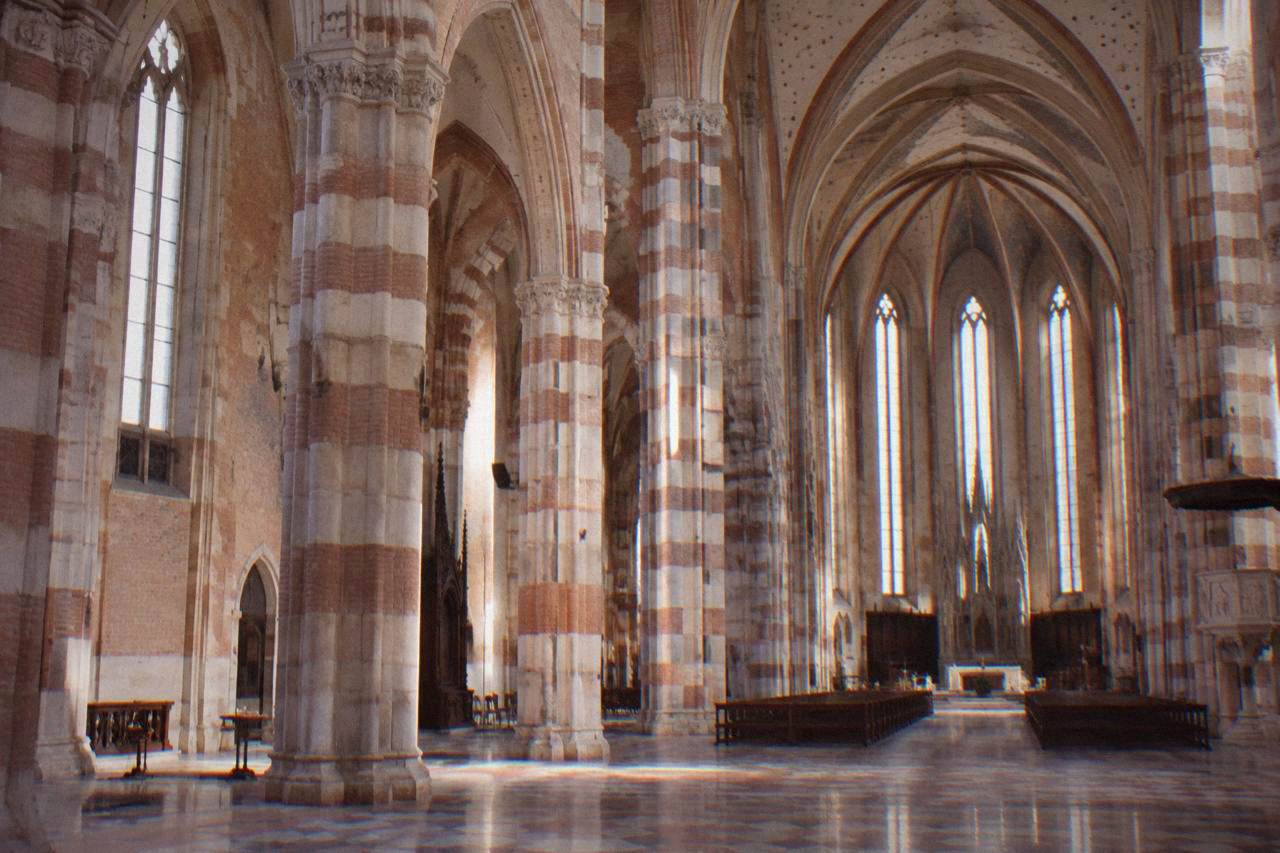
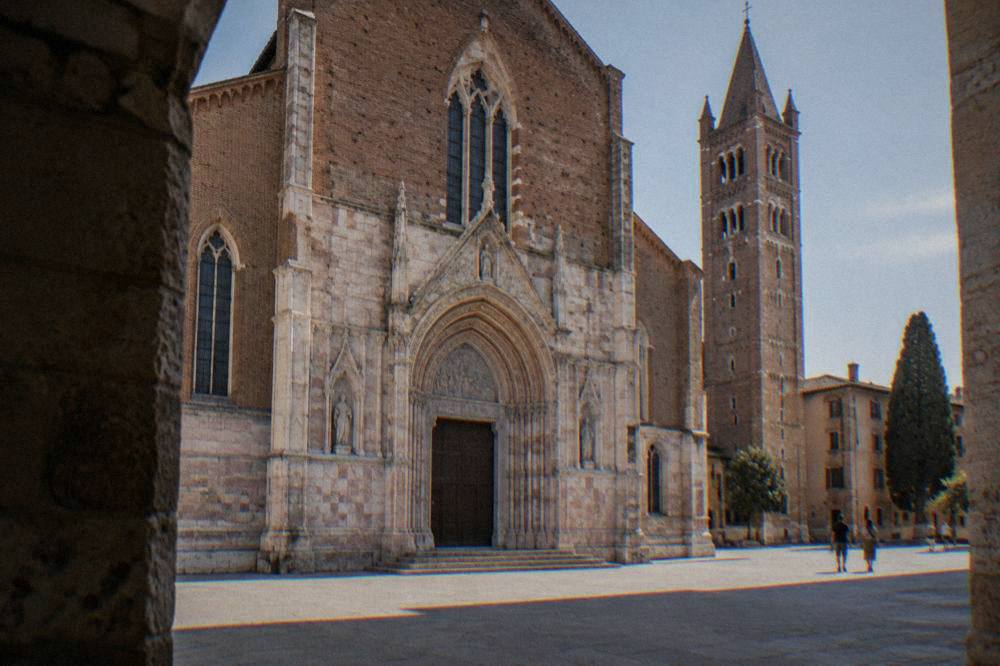
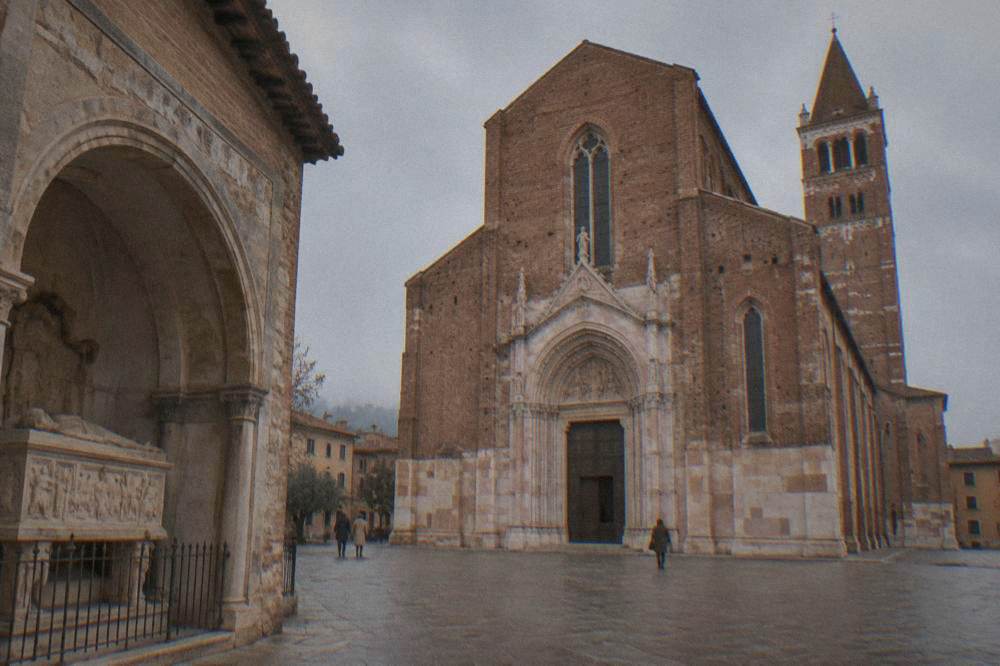
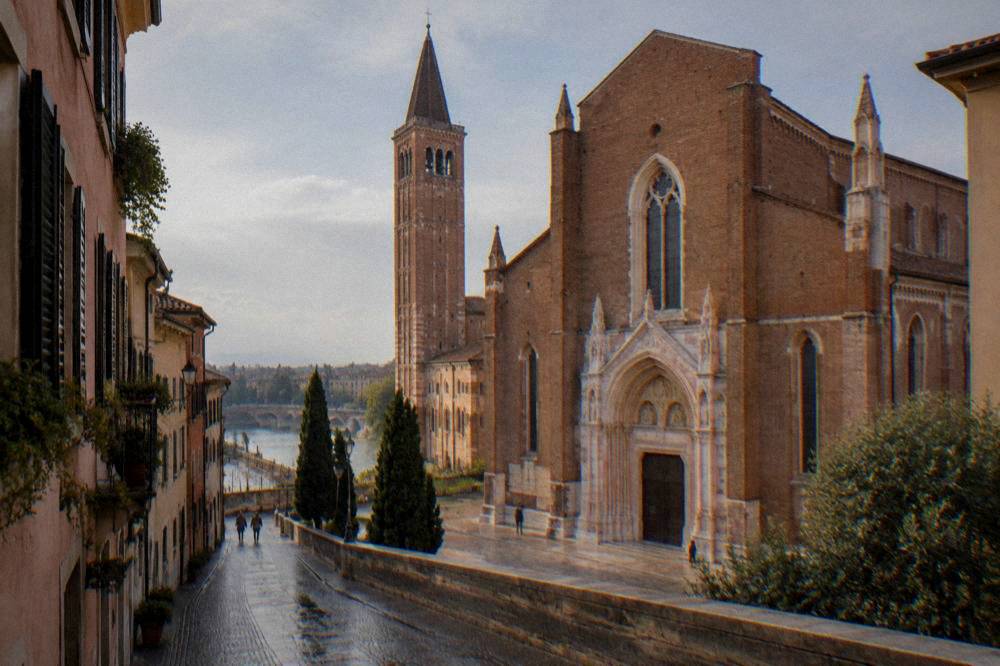
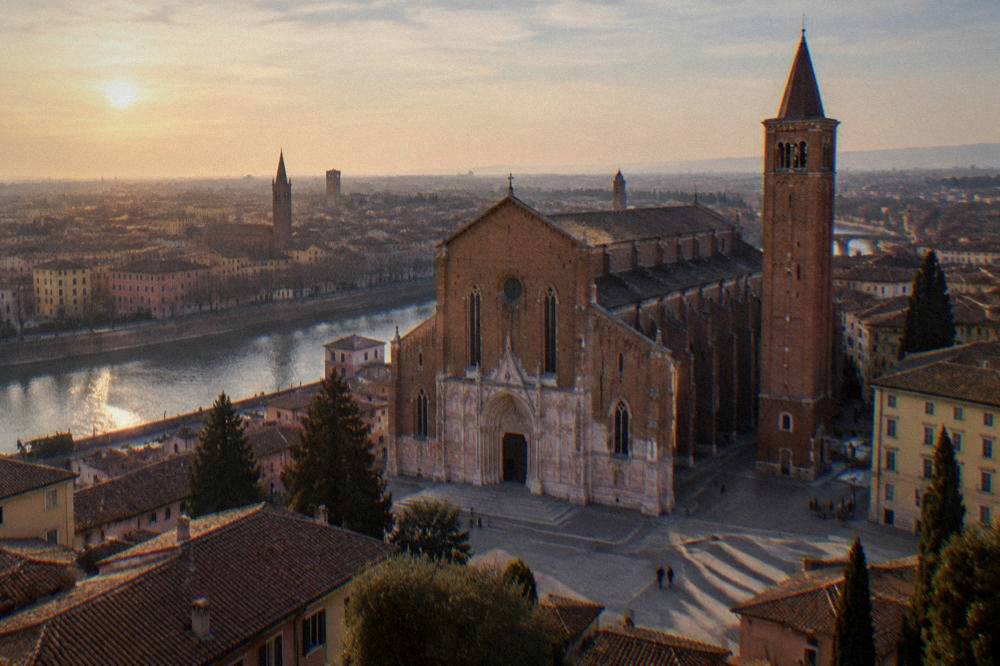
Sant'Anastasia is Verona's principal Gothic church, a large brick and marble building at the western edge of the historic centre near Piazza delle Erbe, famous for the fresco by Pisanello inside and reported as covered by the VeronaCard under the Chiese Vive circuit. Admission price, opening hours, architect and construction date are left to the church's own channels.
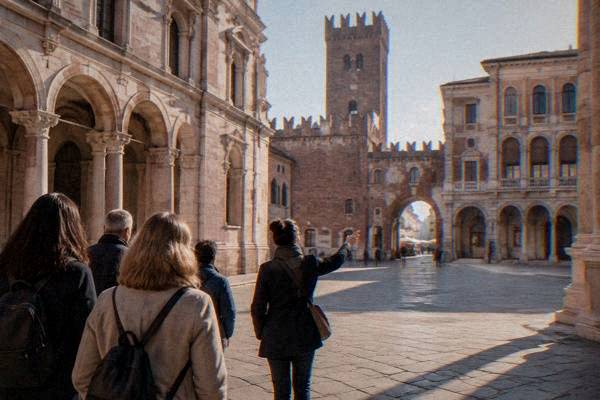
The church dominates its corner of the old city. It stands in the citta antica, the ancient quarter inside the bend of the Adige, where Verona's streets narrow into the medieval fabric that earned the city its UNESCO World Heritage inscription in 2000. Walk out of the church's piazza and you are at Piazza delle Erbe within a couple of minutes, the Roman forum site turned market square, and from there Piazza dei Signori, the Torre dei Lamberti and the Casa di Giulietta string out along a single walking line.
The fame of the building rests on two things: its scale as a Gothic interior, and the fresco by Pisanello that art histories of the city return to. The sources here do not detail the fresco's subject or date, and this page will not guess at them; what can be said plainly is that the Pisanello fresco is the single artwork the church is internationally known for, and that visitors come specifically to see it. The rest of the interior rewards unhurried looking, and a guided walk that includes the church is one way to hear the stories rather than guess at them.
A useful framing: Sant'Anastasia belongs to the set of Verona churches, with the Duomo di Verona complex, the Basilica di San Zeno and San Fermo Maggiore, that the VeronaCard is reported to cover through the Chiese Vive circuit. That set, not any single church, is the sensible planning unit for a visitor who cares about Verona's religious architecture.
How Much Does Sant'Anastasia In Verona Cost To Visit?
No admission price for Sant'Anastasia can be stated here, because no primary source supplied one. The Comune di Verona's VeronaCard notice reports the church is included, free or at a reduced rate, under the Chiese Vive convention, and the digital VeronaCard costs 33 euro for 24 hours or 38 euro for 48 hours with ATV buses, or 29 and 32 euro without transport, from 1 September 2026.
The card math matters more than any single ticket. The VeronaCard went fully digital on 1 September 2026, delivered through the "Your Verona" web app or at the IAT desk at Leoncino 61, with the four prices above taken directly from the Comune's own notice. Old paper cards remain valid to 31 March 2027. The card's church coverage is the reported part: the Comune lists San Zeno, Sant'Anastasia, San Fermo and the Duomo complex under the Chiese Vive convention, and that coverage is the one practical lever a visitor has for the churches, since standalone church prices are not published in any source here.
| VeronaCard option | Price | What the Comune's notice says it includes |
|---|---|---|
| 24 hours, with ATV urban buses | 33 euro | Civic museums, Arena visit, Juliet's House (online booking still required), Chiese Vive churches including Sant'Anastasia (reported) |
| 48 hours, with ATV urban buses | 38 euro | Same coverage over two days |
| 24 hours, no transport | 29 euro | Same sites, no buses |
| 48 hours, no transport | 32 euro | Same sites over two days, no buses |
For comparison, here is what the civic price list does hold, because a church-plus-museums day is the realistic shape of a visit to this quarter. The Arena prices come from the Comune di Verona's own published list; Juliet's House prices are those on the official notice; the tower and castle figures are reported only and should be confirmed before you go.
| Verona sight | Full price | Notes from the sources |
|---|---|---|
| Arena di Verona (daytime visit) | 12 euro | Reduced 9 euro, ages 18 to 25 pay 3 euro, per the Comune's price list |
| Casa di Giulietta, courtyard route | 5 euro | Ticketed since 1 April 2026, online booking, entry via Teatro Nuovo |
| Casa di Giulietta, house and balcony | 12 euro | Same booking system |
| Torre dei Lamberti | 6 euro (reported) | Free with VeronaCard; hours vary seasonally |
| Castelvecchio Museum | 9 euro (reported) | Reduced 6 euro, ages 18 to 25 pay 2 euro, closed Mondays |
Whether the card pays off depends on the itinerary, and this page will not compute a saving the sources do not. The rule of thumb the facts support: if the plan is the Arena plus Juliet's House plus two or more civic museums plus the churches, the card's coverage list is long enough to check seriously; if Sant'Anastasia is the only church on the list, a standalone visit confirmed on arrival may be simpler.
What Is The Pisanello Fresco At Sant'Anastasia In Verona?
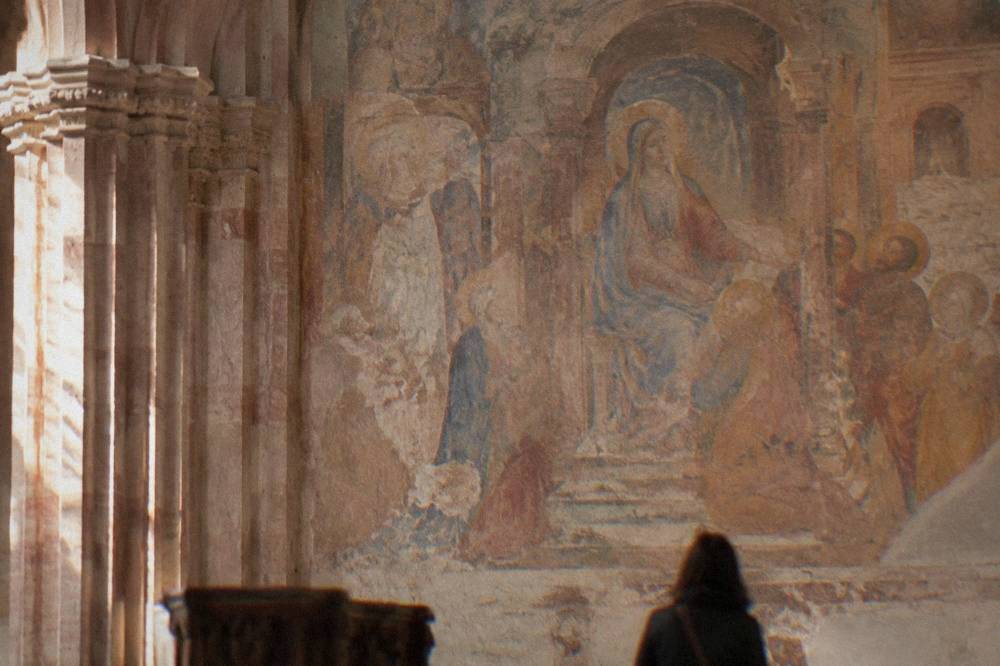
The Pisanello fresco is the artwork Sant'Anastasia is internationally known for, a Renaissance painting inside the church that art histories of Verona consistently single out, and the reason many visitors add the church to a day otherwise built around the Arena and Juliet's House. The sources used here do not record its subject, date or exact placement, so this page names the fresco and stops there rather than inventing detail.
That restraint is worth explaining, because it is how this whole site works. A competing guide will describe the fresco scene by scene, name its patron and date it to a year. None of that appears in the facts for this page, and a fresco described from memory is a fresco described wrongly. What the sources do support: Pisanello is the Renaissance painter whose name the fresco carries, the artwork is known by his name, and the church's reputation in art history rests on it. A visitor who wants the full story has two good options: read the church's own material on site, or take a guided walk where a local guide tells it.
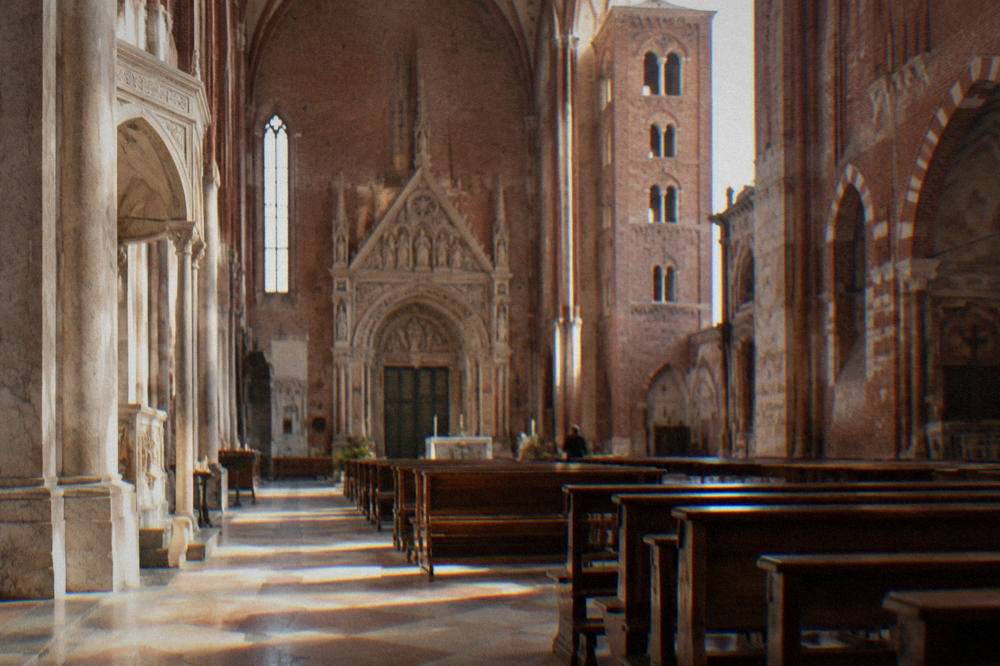
The church interior holds more than the one fresco. Visitors moving through the nave pass Gothic columns, side chapels and funerary monuments, the standard furniture of a great Italian municipal church, and the sources here permit a description of that furniture without naming works, patrons or sculptors. The honest advice is to budget time rather than money for the interior: a rushed five minutes defeats the point of a building whose atmosphere is the drawn-out kind.
If the fresco is the draw, pair the church with the other painted interiors of the city. The Teatro Romano and its archaeological museum sit across the river near the Ponte Pietra, and the civic museums hold further works; the Museo Lapidario Maffeiano is reported free with the VeronaCard. None of those pairings needs a car: Verona's core is compact and walkable, and the whole set from Sant'Anastasia to Ponte Pietra is a single walking line through the old city.
Where Is Sant'Anastasia And How Do You Get There?
Sant'Anastasia stands in Verona's historic centre a short walk west of Piazza delle Erbe and the Casa di Giulietta, inside the camera-enforced ZTL, so the practical answer for drivers is to park outside the limited-traffic zone and walk: the urban bus single costs 1.50 euro for 90 minutes, and the reported Aerobus from Verona Villafranca airport costs 7 euro.
From the Piazza Bra and the Arena, the walk to the church runs straight up the pedestrian spine of the old city through Via Mazzini to Piazza delle Erbe, a distance covered on foot in well under fifteen minutes at a stroll. From Porta Nuova station the walk is a few minutes longer, or the urban ATV buses, at a 1.50 euro single valid for 90 minutes, run into the centre. Nothing about this journey needs a timetable: the church sits at the centre of a walking city, and every approach passes other sights worth stopping for.
| Approach to Sant'Anastasia | What the sources say |
|---|---|
| On foot from the Arena / Piazza Bra | A single pedestrian route up Via Mazzini to Piazza delle Erbe; the historic centre is compact and walkable |
| Urban ATV bus | Single ticket 1.50 euro, valid 90 minutes, per ATV's own fares page |
| From Verona Villafranca (VRN) airport | Aerobus line 199, reported 7 euro one way, about 15 minutes to the station area, every 20 minutes at peak times; confirm at booking |
| By car | Historic centre is a ZTL: at most four entries a month for non-residents, booked windows; hotel guests enter free if the hotel registers the plate |
The ZTL deserves its own sentence for anyone renting a car. The historic centre's limited-traffic zone is camera-enforced, non-residents are limited to a maximum of four entries a month through booked windows (weekdays 10:00 to 18:00 and 20:00 to 23:00, weekends from 10:00 to 13:30, per the Comune's ZTL notice), and hotel guests are exempted only when the hotel registers the plate. Sant'Anastasia sits deep inside that zone, so the default plan is a car park outside the centre and a walk in.
What Sits Near Sant'Anastasia In Verona?
The walkable cluster around Sant'Anastasia includes Piazza delle Erbe, Piazza dei Signori, the Torre dei Lamberti, the Casa di Giulietta, the Arche Scaligere and the Arena, all inside the historic centre, and the whole set fits one unhurried day on foot, which is the standard shape of a first Verona itinerary.
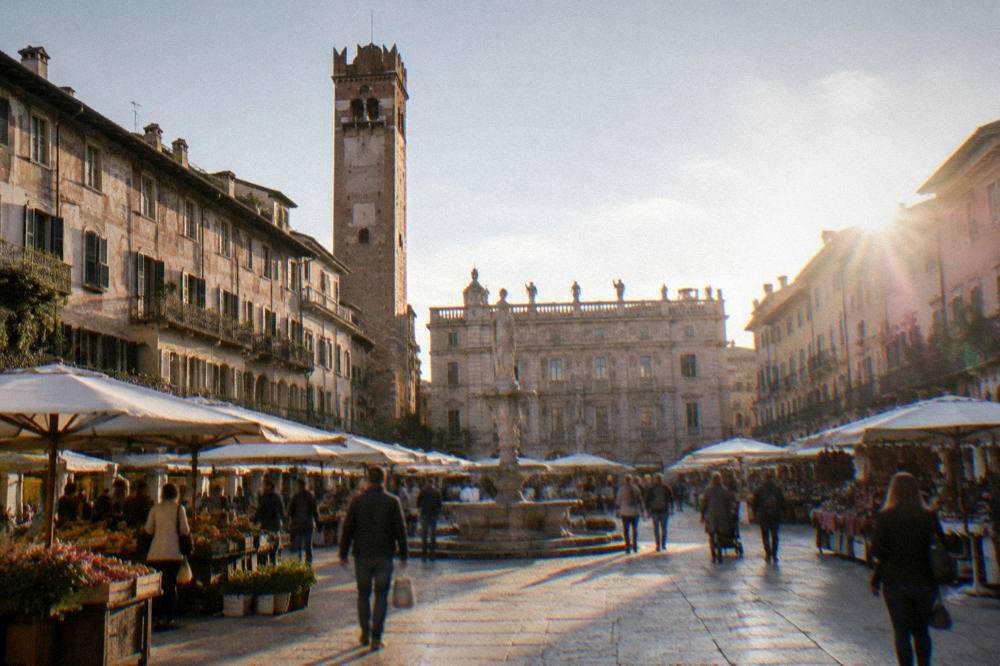
Start with the immediate neighbours. Piazza delle Erbe, the old Roman forum, is minutes away with its market atmosphere and painted facades; Piazza dei Signori adjoins it, with the Arche Scaligere, the Scaliger tombs, reported free or tied to the civic ticket on the same day, beside Santa Maria Antica's quarter. The Torre dei Lamberti rises over the market square, reported at 6 euro and free with the VeronaCard, with seasonal hours to confirm. The Casa di Giulietta is a short lane away, ticketed since 1 April 2026 at 5 euro for the courtyard route or 12 euro with the house and balcony, booked online with entry via Teatro Nuovo.
| Neighbouring sight | Verified or reported facts |
|---|---|
| Piazza delle Erbe | Open public square, free, the Roman forum site |
| Torre dei Lamberti | Reported 6 euro, free with VeronaCard, hours vary |
| Casa di Giulietta | 5 euro courtyard, 12 euro with house, online booking since 1 April 2026 |
| Arche Scaligere | Reported often free or tied to the civic ticket same day |
| Arena di Verona | 12 euro full daytime visit, 9 reduced, 3 for ages 18 to 25 from EU and reciprocity countries |
Then widen the ring. The Arena anchors the far end of the pedestrian spine; the Castelvecchio museum and its bridge sit across to the west; the Giardino Giusti and the climb to Castel San Pietro across the river give the city its viewpoints. The Porta Borsari Roman gate and the Palazzo della Ragione round out the ancient core. For the full walking route with timings, the Verona walking tour guide lays out the same cluster as a day plan, and things to do in Verona holds the city-wide picture.
When Is The Best Time To Visit Sant'Anastasia In Verona?
The climate data points to April, May, September and October as the comfortable months for a Verona visit built around churches and walking: ERA5 reanalysis for Verona, 1991 to 2020, puts April mean highs at 17.8 C and September at 23.7 C, against 29.3 C in July, and the church itself is an indoor sight best paired with a shoulder-season walking day rather than a peak-July one.
The reanalysis table earns its place here because it is the one climate source this site prints, and it is a modelled grid cell, not a weather station. What it shows for planning: winters are cold, with January mean lows below freezing at minus 0.4 C, and Nov is the wettest month at 118.2 mm of rain, with October close behind at 107.2 mm. Summer is hot and humid, with July and August mean highs around 29 C. An indoor Gothic church is a rain option as much as a fair-weather one, which is why the Verona in the rain pattern works with Sant'Anastasia at its centre.
| Month | Mean high C | Mean low C | Rain mm |
|---|---|---|---|
| January | 7.3 | -0.4 | 52.3 |
| April | 17.8 | 7.6 | 93.5 |
| July | 29.3 | 19.1 | 79.4 |
| September | 23.7 | 15.1 | 99.7 |
| November | 12.3 | 5.3 | 118.2 |
Figures are ERA5 reanalysis, 1991 to 2020, for a grid cell near Verona at about 66 m elevation.
Two seasonal factors sit outside the climate. First, the Arena opera season ran 5 June to 12 September in 2026 and the 2027 edition is announced for 11 June to 11 September, and opera evenings bring crowds and late energy to the whole centre, Sant'Anastasia's quarter included. Second, church opening hours, whatever they are, were not captured by any source here, and hours for Italian churches commonly shift around services and seasons, so the visiting window for the fresco needs local confirmation in every season.
Should You Visit Sant'Anastasia Or The Duomo Complex First?
Both Sant'Anastasia and the Duomo complex are reported under the same VeronaCard Chiese Vive coverage, both sit in the walkable historic centre, and the order between them is a matter of route rather than value: Sant'Anastasia pairs naturally with Piazza delle Erbe and the Casa di Giulietta to its east, while the Duomo complex anchors the riverside line toward Ponte Pietra and Castel San Pietro, so the two churches split the old city into a west half and an east half.
That is a cleaner way to plan than a rankings argument. A morning built on Sant'Anastasia covers the market-quarter cluster: the church, Piazza delle Erbe, Piazza dei Signori, the Scaliger tombs, Juliet's House and, on a longer morning, the walk down Via Mazzini to the Arena. A morning built on the Duomo covers the cathedral quarter and the river: the Duomo complex, the Tomba di Giulietta in its former monastery, Ponte Pietra, the Teatro Romano and the climb or funicular to Castel San Pietro for the view back over the city. Doing both in one day is realistic in either order, since the two clusters are a short walk apart.
The card coverage question is identical for both churches, which removes the usual tiebreaker. No church admission price appears in any source here, so the planning variable is not cost but daylight and energy: Gothic interiors reward morning light, and the river-and-view cluster rewards late afternoon, when the sun sits over the hills west of the city.
Is A Guided Tour Of Sant'Anastasia In Verona Worth It?
A guided walking tour is the one reliable way to hear the church's art history told accurately, because the fresco, the chapels and the building's story are exactly the kind of detail no source here can supply, and Verona has a deep bench of small-group walks that include the Sant'Anastasia quarter alongside the Arena and Juliet's House, with free cancellation on the operator's standard terms.
The related tour on this page is the City of Love small-group walk, a guided small-group walking tour of the historic centre that covers the city of love's core sights, with live availability on the operator's listing: Check availability. A walk of this kind passes the Sant'Anastasia quarter on the standard route from Piazza Bra through Piazza delle Erbe, and a guide fills the gap this page has honestly flagged: what the fresco depicts, who paid for the church, and why the building looks the way it does.
For visitors planning the wider set of days, the how many days in Verona question answers itself around clusters like this one, and Verona Italy Travel Guide holds the full index, from the VeronaCard explainer to the Lake Garda day trips. And if the day ends better with food than with frescoes, the truffle hunting and lunch experience below is the table-centered counterpart to a morning of Gothic architecture.
Common Questions About Sant'Anastasia In Verona
Is Sant'Anastasia in Verona free to enter?
No admission price is given here, so this page states none. The church is reported covered by the VeronaCard under the Chiese Vive convention; confirm the current price or free entry on the church's or the tourism office's own channels before you go.
Is Sant'Anastasia included with the VeronaCard?
Yes, as reported. The Comune di Verona's VeronaCard notice lists Sant'Anastasia among the churches covered under the Chiese Vive convention, alongside San Zeno, San Fermo and the Duomo complex. The digital card costs 33 euro for 24 hours or 38 euro for 48 hours with ATV transport, 29 and 32 euro without, from 1 September 2026.
What is Sant'Anastasia in Verona famous for?
The church is internationally known for a fresco by Pisanello, the Renaissance painter whose name the artwork carries, and for its scale as the city's principal Gothic church. The sources here do not record the fresco's subject or date, so confirm the details on site or with a guide.
How far is Sant'Anastasia from Piazza delle Erbe and Juliet's House?
The church stands a few minutes' walk west of Piazza delle Erbe, with the Casa di Giulietta a short lane beyond it. The whole cluster, including Piazza dei Signori and the Torre dei Lamberti, fits comfortably on foot, and the Arena is a single pedestrian route away down Via Mazzini.
What are the opening hours of Sant'Anastasia in Verona?
No church opening hours from any primary source are available. Italian church hours commonly shift around services and seasons; check the church's or the Comune's tourism channels before planning a visit around a specific time.
Can you combine Sant'Anastasia with the Duomo complex in one day?
Yes, easily. Both churches are reported under the same VeronaCard Chiese Vive coverage and both sit in the walkable historic centre, with Sant'Anastasia anchoring the market-quarter cluster and the Duomo complex anchoring the riverside line toward Ponte Pietra and Castel San Pietro.